

Musleeuwerik vs Melba-astrild
Mirafra passerina versus Pytilia melba
Speel een quiz met Musleeuwerik en Melba-astrild
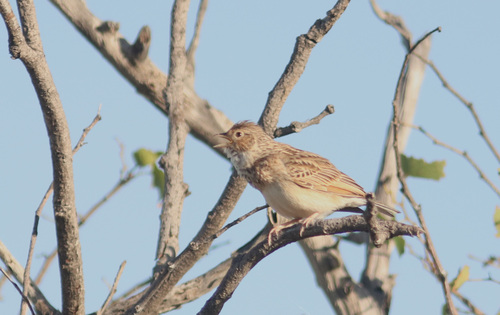 Musleeuwerik
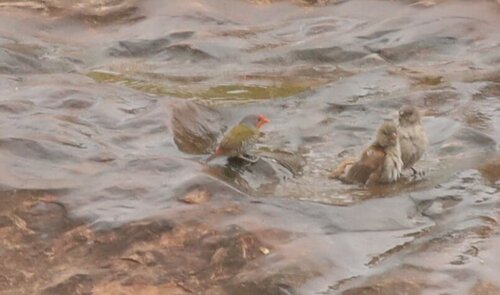 Melba-astrild
Kort gezegd
Het meest betrouwbare veldkenmerk is de algehele kleur: Musleeuwerik is een gestreepte, aardetoonkleurige vogel met een roestkleurig vleugelpaneel, terwijl Melba-astrild een kleine, levendig gekleurde vink is. Als je een compacte, gestreepte leeuwerik ziet met een eenvoudige kop en subtiele roestkleur in de vleugel, is het Musleeuwerik; als de vogel opvallend kleurrijk is met groen in de vleugels, is het Melba-astrild. De snavelvorm en het gezichts patroon zijn ook belangrijk: de leeuwerik heeft een kleine, conische snavel en een onduidelijke wenkbrauw, terwijl de astrild een fijnere, zaadeter-snavel heeft en een veel levendiger gezicht. Het habitat kan helpen: de leeuwerik is een specialist in graslanden in Zuid-Afrika, de astrild is wijdverspreid maar minder gebruikelijk in het verre zuiden. Verwarring met onvolwassen/jeugdige vogels is onwaarschijnlijk vanwege het sterke kleurcontrast, maar controleer altijd het roestkleurige vleugelpaneel versus de groene vleugel.
Herkenningstips
- Roestkleurig vleugelpaneel (Musleeuwerik, alle leeftijden): Zoek naar een duidelijk roestkleurig vlek in de vleugel, zichtbaar zowel zittend als in de vlucht; dit ontbreekt bij Melba-astrild.
- Algehele kleur: Musleeuwerik is gestreept bruin en buff met subtiele patronen; Melba-astrild is veel kleurrijker, met groen in de vleugels en een gepatterned gezicht.
- Snavelvorm: De leeuwerik heeft een kleine maar relatief stevige snavel voor een leeuwerik, terwijl de astrild een fijne, puntige zaadeter-snavel heeft. Als de snavel delicaat en vinkachtig lijkt, is het astrild.
- Gezichtspatroon: Het gezicht van de Musleeuwerik is eenvoudig met een onduidelijke wenkbrauw; Melba-astrild heeft een levendiger, gepatterned gezicht.
- Borst en buik: De leeuwerik heeft een licht gestreepte buffy borst, witte keel en een bleke buik; de onderdelen van de astrild zijn kleurrijker en gepatterned (details niet gespecificeerd, maar niet eenvoudig en gestreept).
- Structuur en jizz: De leeuwerik is compact en rechtop, met een iets groter hoofd en lichaam; de astrild is kleiner, delicater en actiever.
- Habitat: Leeuwerik wordt gevonden in open graslanden in Zuid-Afrika; astrild is waarschijnlijker in bossige of beboste gebieden en is minder gebruikelijk in het verre zuiden.
- Gedrag: Leeuwerik is meer terrestrisch en minder actief; astrild is waarschijnlijker te zien fladderen door vegetatie of zaden te voeden in lage dekking.
- Vluchtstijl: De vlucht van de leeuwerik is directer en minder golvend; astrild kan meer stuiterende of fladderige vlucht vertonen.
- Geen sterke seizoensgebonden of leeftijdsgebonden verwarring: Beide soorten behouden hun belangrijkste veldkenmerken het hele jaar door en op alle leeftijden, dus focus op de algehele kleur en het vleugelpaneel.
- Als je twijfelt, controleer de vleugel: Roestkleurig (leeuwerik) versus groen (astrild) is het meest beslissende kenmerk.
- Stem: Niet beschreven in de notities; vertrouw niet op vocalisaties voor scheiding in dit geval.
- Geografische context: Als je in puur open grasland in Zuid-Afrika bent, is de leeuwerik veel waarschijnlijker; als je in bossig habitat bent, vooral buiten het verre zuiden, overweeg dan astrild.
- Grootte: Leeuwerik is iets groter en robuuster; astrild is kleiner en delicater, maar dit kan subtiel zijn tenzij beide samen worden gezien.
- Verwarring met soortgelijke namen: Musleeuwerik wordt soms 'witstaartleeuwerik' genoemd, maar dit verwijst naar een andere soort elders—controleer altijd de veldkenmerken.
Grootte
Musleeuwerik is een middelgrote, compacte leeuwerik, maar nog steeds merkbaar groter en robuuster dan de Melba-astrild, die een kleine, delicate vink is. De leeuwerik heeft een stevigere, rechtopstaande houding en een iets groter hoofd en lichaam, terwijl de astrild over het algemeen delicater is. De snavelgrootte is ook een aanwijzing: de snavel van de leeuwerik is klein voor een leeuwerik maar nog steeds steviger dan de fijne, puntige zaadeter-snavel van de astrild. In het veld zal de leeuwerik robuuster en minder actief lijken dan de astrild.
Verenkleed
- Jeugd/onvolwassen bovenvleugelpatroon: Er zijn geen specifieke jeugd- of onvolwassen bovenvleugelkenmerken beschreven voor beide soorten, maar de Musleeuwerik van alle leeftijden toont een duidelijk roestkleurig vleugelpaneel, wat een belangrijk veldkenmerk is. Melba-astrild heeft daarentegen groen in de vleugels en is over het algemeen veel kleurrijker op alle leeftijden.
- Volwassen verenkleed: Musleeuwerik is gestreept bruin boven met een eenvoudige kop, onduidelijke wenkbrauw en een licht gestreepte buffy borst die een witte keel van een bleke buik scheidt. Het roestkleurige vleugelpaneel is altijd zichtbaar wanneer hij zit of in de vlucht. Melba-astrild wordt beschreven als 'kleurig', met groene vleugels en een levendiger, gepatterned gezicht. De twee soorten zijn extreem verschillend in algehele uiterlijk, waarbij de leeuwerik cryptisch is en de astrild helder en gepatterned. Er is geen melding van seizoensgebonden of geslachtsgebonden variatie die verwarring zou kunnen veroorzaken.
Gedrag
Musleeuwerik heeft de neiging om meer terrestrisch te zijn, vaak gezien terwijl hij loopt of rent op de grond in open grasland, met een meer rechtopstaande houding en een minder actieve foerageerstijl. Melba-astrild, als een typische estrildid vink, is waarschijnlijker te zien fladderen door lage vegetatie, zaden voeden en meer actieve, behendige bewegingen vertonen. In de vlucht zal de leeuwerik waarschijnlijk directer en minder fladderig lijken dan de astrild, die meer stuiterende of golvende vlucht kan vertonen die typisch is voor kleine vinken.
Habitat
Musleeuwerik is een specialist in graslanden en open gebieden in Zuid-Afrika, zelden buiten deze habitats gevonden. Melba-astrild is wijdverspreid in Sub-Sahara Afrika maar is minder gebruikelijk in het verre zuiden en de kustwest; het geeft de voorkeur aan bossige of beboste randen, vaak nabij water, en is minder waarschijnlijk te vinden in het open grasland dat de leeuwerik verkiest. Dus, een vogel in puur open grasland is waarschijnlijker de leeuwerik, terwijl een vogel in bossig of gemengd habitat beide kan zijn, maar astrild is minder waarschijnlijk in het verre zuiden.