

Bonte strandloper vs Witvleugelstern
Calidris alpina versus Chlidonias leucopterus
Speel een quiz met Bonte strandloper en Witvleugelstern
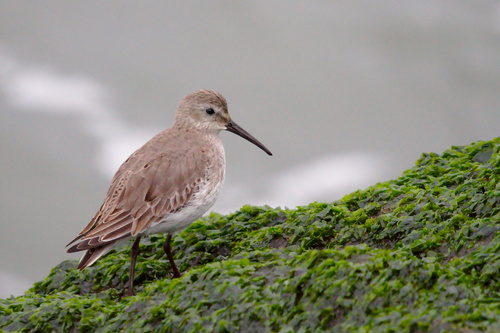 Bonte strandloper
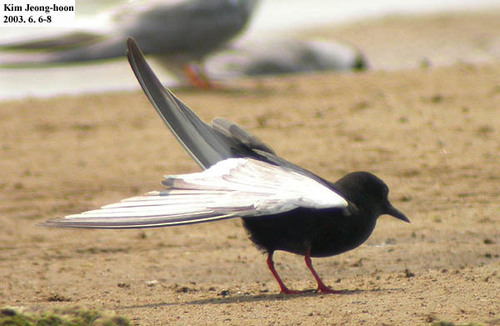 Witvleugelstern
Kort gezegd
Het meest betrouwbare veldkenmerk is het witte vleugelpatroon in vlucht: Witvleugelstern (WWBT) van alle leeftijden toont opvallend bleke vleugels met een witte staart en onderstaart, terwijl Bonte strandloper altijd een smalle witte vleugelstreep en donkere buitenvleugels heeft, nooit geheel wit. Juveniele en niet-broedende Bonte strandlopers kunnen op afstand verward worden met niet-broedende of juveniele WWBT, maar Bonte strandloper is een compacte, kortnekige strandloper met een iets gebogen zwarte snavel en donkere poten, die zich voedt op modderbanken, terwijl WWBT een kleine, drijvende stern is met een korte, stompige snavel, rode poten en een meer zwaluwachtige vlucht. In broedkleed is de zwarte buik van de Bonte strandloper uniek onder kleine steltlopers en wordt nooit getoond door WWBT. Gebruik structuur, vluchtstijl en habitat als ondersteuning als het kleed ambigu is.
Herkenningstips
- Vleugelpatroon in vlucht (alle leeftijden): Bonte strandloper toont altijd een smalle witte vleugelstreep op anders donkere vleugels; WWBT heeft voornamelijk witte vleugels met grijsachtige binnenvleugels en bruingetipte deksels, en een bleke grijze staart en onderstaart. Als de vleugels geheel wit of zeer bleek lijken, is het WWBT, niet Bonte strandloper.
- Staart en onderstaart: De staart en onderstaart van de Bonte strandloper zijn nooit wit; WWBT toont een witte of bleke grijze staart en onderstaart, vooral duidelijk in vlucht en bij juvenielen.
- Snavelvorm: Bonte strandloper heeft een langere, iets gebogen zwarte snavel (afgerond in leven), terwijl de snavel van WWBT kort, stomp en recht is—opvallend korter dan het hoofd.
- Poten kleur: Bonte strandloper heeft zwarte poten; WWBT heeft korte rode poten (vooral duidelijk in broedkleed, minder in niet-broedende of op afstand).
- Lichaamsstructuur: Bonte strandloper is compact, kortnekig, en lijkt op een spreeuw; WWBT is slanker, met een korte nek en een zwaluw- of sternachtige uitstraling.
- Buik in broedkleed: Alleen Bonte strandloper toont een solide zwarte buik in broedkleed. WWBT kan een zwarte nek en buik hebben, maar het algemene patroon is anders, met witte vleugels en staart.
- Juveniele rugpatroon: Juveniele Bonte strandlopers hebben twee zwakke witachtige 'V'-vormen op de rug; juveniele WWBT hebben een donkerbruine zadel geïsoleerd door een witte kraag en onderstaart.
- Onderwing: WWBT in niet-broedkleed behoudt zwartachtige ondervleugel-deksels, in contrast met bleke vleugels; de ondervleugel van Bonte strandloper is eenvoudig, met alleen de witte vleugelstreep.
- Voedingsgedrag: Bonte strandloper doorzoekt de modder met een 'naaimachine'-actie; WWBT pakt insecten van het wateroppervlak of in vlucht, zelden landend op modder.
- Habitat: Bonte strandloper is op kustmodderbanken en stranden; WWBT is boven zoetwatermeren en moerassen. De context is een sterke aanwijzing.
- Vluchtstijl: De vlucht van Bonte strandloper is recht en doelgericht; WWBT is drijvend, met ondiepe, ontspannen vleugelslagen typisch voor moerasstern.
- Stem: Een steltloperachtige 'chreep' of harde triller wijst op Bonte strandloper. WWBT's roepen zijn hier niet beschreven maar zijn niet steltloperachtig.
- Seizoensgebonden verwarring: In de winter is Bonte strandloper eenvoudig grijsbruin boven en wit onder; WWBT is voornamelijk wit of bleekgrijs, maar altijd met bleke vleugels en onderstaart.
- Vluchtgedrag: Grote, dichte, draaiende groepen op modderbanken zijn Bonte strandlopers; verspreide, drijvende vogels boven water zijn WWBT.
- Snavellengte en geslacht: Vrouwelijke Bonte strandlopers hebben langere snavels dan mannetjes, maar beide zijn langer en meer gebogen dan de stompige snavel van WWBT. Snavellengte is geen betrouwbare scheiding tussen geslacht of soort in het veld, maar de vorm is diagnostisch.
Grootte
Bonte strandloper is iets groter en zwaarder (16–20 cm lengte, 34–77 g, 38–43 cm vleugelspanwijdte [wikipedia]) dan Witvleugelstern, dat een kleine stern is (snavel 22–25 mm, korter dan het hoofd [wikipedia]). Bonte strandloper is steviger en compacter, met een proportioneel langere, gebogen snavel en relatief korte nek. WWBT is delicater, met een kortere, stompige snavel, kortere nek en een meer drijvende, sternachtige uitstraling. Beide zijn kleine vogels, maar Bonte strandloper is meer spreeuwachtig van bouw, terwijl WWBT meer zwaluwachtig is.
Verenkleed
- Juveniel/Eerste-winter:
- Juveniele Bonte strandlopers zijn bruin boven met twee zwakke witachtige 'V'-vormen op de rug (minder duidelijk dan bij Kleine strandloper), en hebben meestal zwarte vlekken op de flanken of buik. In vlucht tonen alle leeftijden een smalle witte vleugelstreep, nooit een geheel witte vleugel. De bovenvleugel is verder donker, zonder bleke panelen of onderstaart.
- Juveniele WWBT hebben een bleke grijze staart en onderstaart, met een donkerbruine 'zadel' (mantel) geïsoleerd door de witte kraag en onderstaart. De vleugels zijn voornamelijk wit, met grijsachtige binnenvleugels en bruingetipte deksels. De staart lijkt vaak 'vierkant' bij juvenielen. In vlucht lijken de vleugels veel bleker dan die van Bonte strandloper, en de staart en onderstaart zijn duidelijk bleek.
- Volwassen broed:
- Bonte strandloper: Unieke zwarte buik, grijsbruin boven, witte onderzijde buiten de buikvlek. Zwarte poten en iets gebogen zwarte snavel.
- WWBT: Zwarte nek en buik, zeer donkergrijze rug, witte staart en onderstaart, voornamelijk witte vleugels. Korte rode poten en korte zwarte snavel. Gezicht met een gele tint.
- Volwassen niet-broed:
- Bonte strandloper: Grijsbruin boven, wit onder, geen zwarte buik. Alle leeftijden behouden de smalle witte vleugelstreep in vlucht.
- WWBT: Meeste zwart vervangen door wit of bleekgrijs, maar zwartachtige ondervleugel-deksels blijven. Hoofd is zwart met een witte voorhoofd, kroon gevlekt met wit, en een brede witte kraag. Staart is bleekgrijs. Vleugels blijven bleek, met donkere ondervleugelvlekken.
Gedrag
Bonte strandloper is een methodische voeder, die zich langs modderbanken beweegt met een 'naaimachine'-actie, op zoek naar ongewervelden. Het is zeer sociaal in de winter, vormt grote, dichte groepen die in gesynchroniseerde vlucht draaien. WWBT, zoals andere moerassterns, vliegt langzaam over water, pakt insecten van het oppervlak of vangt ze in vlucht, met ondiepe, ontspannen vleugelslagen. Het duikt niet naar vissen zoals 'witte' sterns. WWBT wordt zelden gezien terwijl het modder doorzoekt of zich op de grond voedt zoals Bonte strandloper. In vlucht lijkt Bonte strandloper doelgericht en direct, terwijl WWBT drijvend en sternachtig is.
Habitat
Bonte strandloper wordt bijna altijd gevonden op kustmodderbanken, zandstranden of estuaria, vooral in de winter. Het wordt zelden ver van getijdenhabitats gezien. WWBT is een zoetwater moerasstern, meestal te vinden boven meren, moerassen of grote binnenmeren, zelden op open kustlijnen. Als je een kleine steltloper op een getijdenmodderbank ziet, is het bijna zeker een Bonte strandloper; een bleke-vleugelige, zwaluwachtige vogel boven een zoetwater moeras is waarschijnlijk een WWBT.
Geluid
Bonte strandloper geeft een typische steltloper 'chreep' roep en, in vertoning, een harde triller. De roepen van WWBT worden niet beschreven in de gegeven notities, maar als een stern is zijn stem over het algemeen hoger en minder steltloperachtig. Als je een steltloperroep hoort, vermoed dan Bonte strandloper.