

Spreeuw vs Roze spreeuw
Sturnus vulgaris versus Pastor roseus
Speel een quiz met Spreeuw en Roze spreeuw
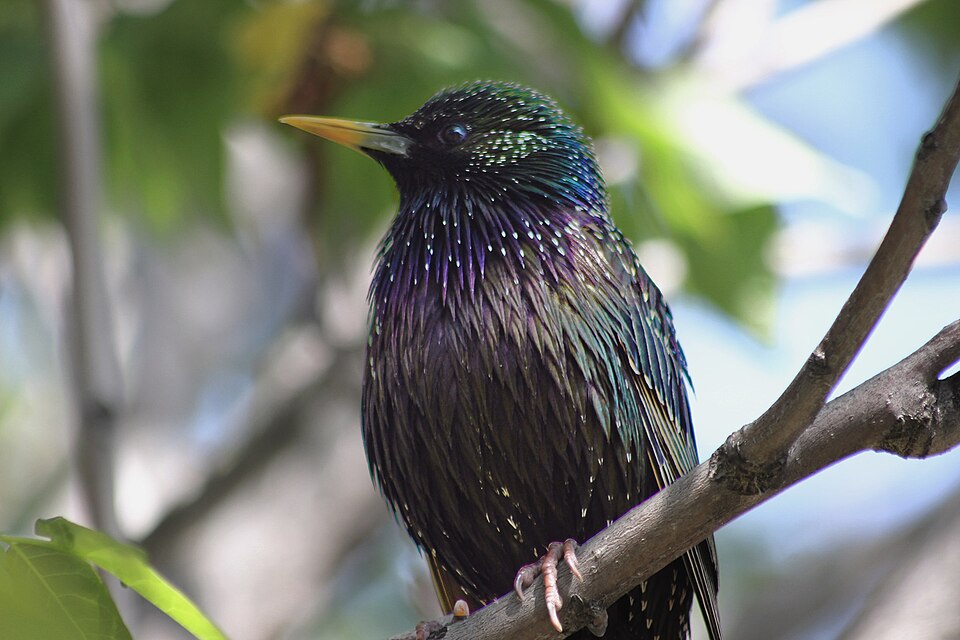 Spreeuw
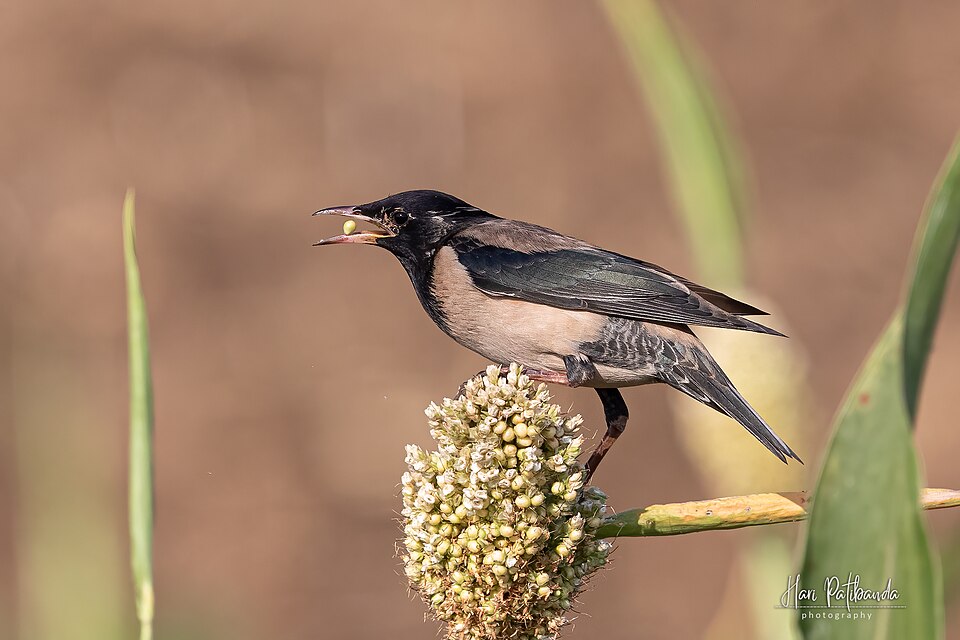 Roze spreeuw
Kort gezegd
Het meest betrouwbare veldkenmerk tussen Spreeuw en Roze spreeuw is het volwassen broedkleed: Roze spreeuw toont een opvallend roze lichaam met glanzend zwarte vleugels, staart en kop, terwijl Spreeuw volledig iriserend zwart is met variabele witte vlekken. Juvenielen zijn een veelvoorkomende bron van verwarring, maar juvenile Roze spreeuwen zijn veel bleker en bruiniger dan de bruin-grijze jonge Spreeuwen, en hebben een korte gele snavel. In de vlucht zijn beide soorten vergelijkbaar in grootte en vorm, maar het gedurfde kleurcontrast van de volwassen Roze spreeuw is kenmerkend wanneer goed gezien. Niet-broedende en onvolwassen vogels vereisen aandacht voor de snavelkleur, algemene toon en aanwezigheid van een kuif. Beide soorten zijn zeer sociaal en kunnen in grote groepen voorkomen, maar hun habitatvoorkeuren en seizoensgebonden overvloed kunnen helpen in context.
Herkenningstips
- Volwassen broedkleed: Roze spreeuw is onmiskenbaar met een roze lichaam en glanzend zwarte kop, vleugels en staart, plus een fijne kuif bij mannetjes. Spreeuw is volledig iriserend zwart met variabele witte vlekken en geen roze of kuif.
- Juveniel kleed: Juveniele Roze spreeuwen zijn bleek buffy bruin en hebben een korte gele snavel, waardoor ze veel bleker en minder contrasterend zijn dan de bruin-grijze, donkergebekte juvenile Spreeuw. Dit is het meest nuttig in de late zomer en herfst.
- Eerste-winter vogels: Jonge Roze spreeuwen behouden een bleek, dof roze-grijs lichaam en missen een kuif, terwijl eerste-winter Spreeuwen meer op volwassenen lijken maar soms wat bruin op de kop hebben.
- Snavelkleur (seizoensgebonden): In de broedtijd heeft Roze spreeuw een zwart-gebaseerde, roze-tips snavel; Spreeuw heeft een gele snavel (blauwe basis bij mannetjes, roze bij vrouwtjes). In de winter verandert de snavel van Roze spreeuw in grijs, die van Spreeuw wordt donker.
- Kuif: Alleen Roze spreeuw toont een kuif, het meest opvallend bij broedende mannetjes maar aanwezig (korter) bij vrouwtjes en niet-broedende vogels. Spreeuw toont nooit een kuif, maar mannetjes hebben langere keelveren.
- Witte vlekken: Spreeuw is sterk gevlekt met wit in niet-broedkleed, vooral op de borst en flanken. Roze spreeuw toont nooit witte vlekken; zijn lichte gebieden zijn roze of grijsachtig-roze.
- Glans van het kleed: Spreeuw is iriserend zwart met groene en paarse glans; de zwarte gebieden van Roze spreeuw zijn glanzend maar het roze lichaam is mat.
- Pootkleur: Beide kunnen rozeachtige poten hebben, maar dit is geen betrouwbaar veldkenmerk tussen de twee.
- Vlucht silhouet: Beide hebben puntige vleugels en korte staarten, maar Roze spreeuw kan iets robuuster lijken in het lichaam wanneer goed gezien. Geen sterke scheiding.
- Groepsstructuur: Beide vormen grote groepen, maar in West-Europa is een groep met zelfs een paar roze-lichaamsvogels diagnostisch voor Roze spreeuw.
- Habitat en verspreiding: Roze spreeuw is zeldzaam en irruptief in West-Europa, algemeen in Centraal-Azië en India in seizoen. Spreeuw is overvloedig en wijdverspreid in Europa.
- Gedrag: Beide lopen of rennen in plaats van hoppen; Spreeuw lijkt vaak compacter en rondbuikiger, Roze spreeuw kan rechtop lijken bij het tonen van de kuif.
- Stem: Beide geven verschillende piepjes en ratels; niet betrouwbaar te scheiden op gehoor in het veld.
- Seksverschillen: Mannetjes Roze spreeuwen hebben langere kuiven en scherpere kleurcontrasten; mannelijke Spreeuwen hebben langere keelveren en minder vlekken dan vrouwtjes.
- Rui timing: Juveniele Roze spreeuwen behouden hun bleke kleed en gele snavel later in de herfst dan Spreeuwen, die eerder in volwassen-achtige kleed ruiën.
Grootte
Beide soorten zijn zeer vergelijkbaar in grootte, met Roze spreeuw gemiddeld 19–22 cm in lengte en een lichaamsgewicht van ongeveer 73 g, en Spreeuw variërend van 19–23 cm in lengte (gewicht hier niet gespecificeerd, maar vergelijkbaar). In het veld is geen van beide soorten betrouwbaar groter of kleiner dan de andere, dus grootte is geen nuttig onderscheidend kenmerk.
Verenkleed
- Juvenielen: Juveniele Roze spreeuwen zijn bleek buffy bruin en duidelijk bleker dan juvenile Spreeuwen, die grijs-bruin zijn. De snavel van juvenile Roze spreeuw is kort en geel, terwijl juvenile Spreeuwen een donkere snavel hebben. Juveniele Roze spreeuwen behouden hun bleke uiterlijk en gele snavel tot in de late herfst, terwijl Spreeuwen eerder in volwassen-achtige kleed ruiën.
- Eerste-winter/onvolwassen: Jonge Roze spreeuwen ruiën in een doffere, grijsachtig-roze versie van het volwassen kleed in de late herfst, zonder kuif. Daarentegen lijken eerste-winter Spreeuwen op volwassenen maar behouden vaak wat bruin op de kop.
- Volwassen broed: Roze spreeuw is onmiskenbaar met een roze lichaam en glanzend zwarte vleugels, staart en kop, plus een fijne kuif bij mannetjes. Spreeuw is volledig iriserend zwart met witte vlekken (vooral in de winter), en mist enige roze of kuif. Snavelkleur is ook een aanwijzing: Roze spreeuw heeft een zwart-gebaseerde, roze-tips snavel in de broedtijd, terwijl Spreeuw een gele snavel heeft (met blauwe of roze basis afhankelijk van het geslacht).
- Volwassen niet-broed: Roze spreeuw wordt doffer, met een grijsachtig-roze lichaam en minder prominente kuif; de snavel wordt grijs. Spreeuw wordt zwaarder gevlekt met wit, en de snavel is donker. Beide kunnen minder onderscheidend lijken, dus structuur en subtiele kleurverschillen worden belangrijker.
- Seksverschillen: Mannetjes Roze spreeuwen hebben een langere, meer prominente kuif in het broedseizoen; vrouwtjes hebben een kortere kuif en minder scherpe contrasten tussen roze en zwart. Mannetjes Spreeuwen hebben langere, lossere keelveren en minder vlekken dan vrouwtjes.
Gedrag
Beide soorten zijn zeer sociaal, vormen vaak grote, dichte groepen, vooral buiten het broedseizoen. Spreeuwen staan bekend om hun gesynchroniseerde groepsbewegingen ('murmuraties'), en hun sterke, directe vlucht met snelle vleugelslagen en korte glijvluchten. Roze spreeuwen zijn ook koloniaal en sociaal, vooral in de winter, en kunnen lokale spreeuwen en myna's in hun overwinteringsgebied overtreffen. Op de grond lopen of rennen Spreeuwen met een enigszins waggelen gang, terwijl Roze spreeuwen zich vergelijkbaar gedragen maar rechtop kunnen lijken door hun kuif in broedkleed.
Habitat
Spreeuw is een habitatgeneralist, te vinden in stedelijke, voorstedelijke, landelijke en agrarische gebieden in veel delen van Europa en Azië, en elders geïntroduceerd. Roze spreeuw broedt in steppen, semi-woestijnen en open landbouwgrond in Centraal-Azië en Zuidoost-Europa, en overwintert in India. In West-Europa is Roze spreeuw typisch een zeldzame irruptieve bezoeker, die vaak verschijnt in jaren met een hoge insectenovervloed. Als je in Centraal- of West-Europa bent buiten een irruptiejaar, is Spreeuw veel waarschijnlijker.
Geluid
Beide soorten hebben vergelijkbare vocalisaties, produceren een mix van piepjes en ratels die typisch zijn voor spreeuwen. Het lied van Roze spreeuw wordt beschreven als een spreeuwachtige mengelmoes, vaak geleverd met trillende vleugels. Vocal verschillen zijn subtiel en niet betrouwbaar diagnostisch in het veld, vooral voor vogelaars die niet bekend zijn met de repertoires van beide soorten.