

Motmot

セッカ 対 シベリアムナフオウギセッカ

Cisticola juncidis 対 Locustella davidi

セッカとシベリアムナフオウギセッカのクイズ
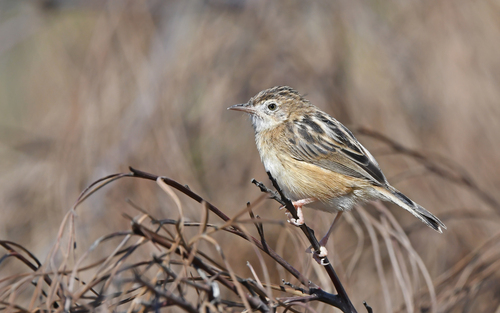
セッカ (Cisticola juncidis) セッカ
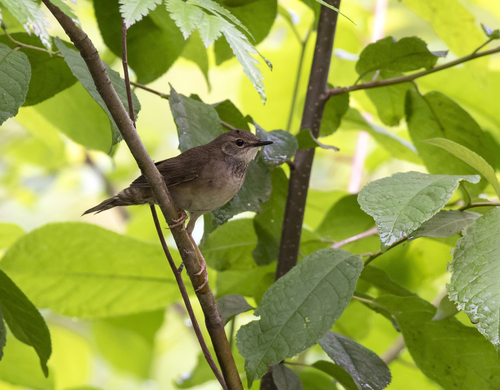
シベリアムナフオウギセッカ (Locustella davidi) シベリアムナフオウギセッカ

メディア

読み込み中…

要点

セッカとシベリアムナフオウギセッカを区別する最も信頼できるフィールドマークは、cisticolaの赤褐色の尻と白い先端の茶色の尾で、これは飛んでいるときと止まっているときの両方で見ることができます。セッカは襟に金色がなく、特徴的でしばしば立てた短い尾を示しますが、シベリアムナフオウギセッカはより均一に茶色で、赤褐色の尻と白い尾の先端がありません。飛んでいるとき、セッカの尾のパターンは特に未熟な鳥で素早いチェックです。両種は草地の小さな茶色のウグイスですが、構造、尾のパターン、行動は著しく異なります。

識別のコツ

  1. 赤褐色の尻(全ての年齢): セッカは常に飛んでいるときとしばしば止まっているときに赤褐色の尻を示しますが、シベリアムナフオウギセッカの尻は無地の茶色です。
  2. 尾のパターン(全ての年齢): cisticolaの白い先端が目立つ茶色の尾を探してください。これは飛んでいるときと尾が扇状に広げられたときに見えます。シベリアムナフオウギセッカの尾は白い先端がなく均一に茶色です。
  3. 尾の形と持ち方: セッカは短く、しばしば立てた尾を持ち、元気な外観を与えます。シベリアムナフオウギセッカの尾は長く、まっすぐで、めったに立てません。
  4. 飛行ディスプレイ: 小さなウグイスがジグザグに飛び、繰り返し「zit」と呼ぶのを見たら、それはセッカです。シベリアムナフオウギセッカはこのようにディスプレイしません。
  5. 止まり方の行動: セッカはしばしば草の茎やワイヤーにオープンに止まりますが、シベリアムナフオウギセッカははるかに隠れがちで、オープンに止まることはほとんどありません。
  6. 一般的な色合い: 両者は上面が茶色ですが、セッカは赤褐色の尻を持ち、より暖かいトーンです。シベリアムナフオウギセッカは冷たく、より均一に茶色です。
  7. 襟/ゴルゲット: セッカは襟に金色がありません。シベリアムナフオウギセッカも無地ですが、対照的な襟やゴルゲットは示しません。
  8. 生息地の文脈: ヨーロッパ、アフリカ、または南アジアの開けた乾燥した草地では、セッカの方がはるかに可能性が高いです。北東アジアの密な湿った草や下草、特に湿地の近くでは、シベリアムナフオウギセッカの方が可能性が高いです。
  9. 声: cisticolaの鋭く、規則的な「zit」コールを聞いてください。特にディスプレイ飛行中の鳥から。シベリアムナフオウギセッカの歌はここでは説明されていませんが、Locustellaのウグイスは通常、機械的で昆虫のような歌を持ち、鋭い「zit」ではありません。
  10. 構造: セッカはコンパクトで、短いくちばしと尾を持っています。シベリアムナフオウギセッカはより細長く、長い尾とくちばしを持っています。
  11. 季節的文脈: セッカはその範囲の大部分で定住または局所的に移動します。シベリアムナフオウギセッカは長距離移動するため、時期と場所を考慮してください。
  12. 地域的変異: セッカは一部の亜種変異を示しますが、尻と尾のパターンはその範囲全体で一貫しており、診断的です。
  13. 落とし穴: 未熟なcisticolaは鈍く見えることがありますが、依然として赤褐色の尻と白い尾の先端を示します。シベリアムナフオウギセッカはどの年齢でもこれらの特徴を示しません。
  14. 疑わしい場合: 尻や尾のパターンが見えない場合は、行動(ディスプレイ飛行と止まり方)、生息地、声に頼って追加の手がかりを得てください。
  15. クイズの文脈: ほとんどの混同は、飛んでいるときや密なカバーの中で短時間見られた鳥に発生します。尻と尾のパターンを優先し、その後に行動と声を考慮して自信を持って区別してください。

大きさ

両種は小さなウグイスですが、利用可能な測定(シベリアムナフオウギセッカの体重10.0g)は、サイズが非常に似ていることを示唆しています。セッカも小さな鳥であるため、サイズだけではフィールドでの信頼できる区別にはなりません。

羽色

全ての年齢において、セッカは赤褐色の尻と目立つ白い先端の茶色の尾を示します。これらは飛んでいるときとしばしば止まっているときに見え、幼鳥や未熟な個体でも信頼できます。対照的に、シベリアムナフオウギセッカは上面と下面がより均一に茶色で、尻に赤褐色や尾に白がありません。セッカは襟に金色がなく、シベリアムナフオウギセッカも対照的な襟の色合いを示しませんが、全体的に一般的に無地です。セッカの羽毛には微妙な地域変異が存在しますが、尻と尾のパターンは一貫しており、診断的です。利用可能な情報源には、どちらの種にも特定の年齢に特有の上翼パターンは記載されていません。

行動

セッカは、繁殖期に特に目立つジグザグの飛行ディスプレイを行うのがよく見られ、繰り返し「zit」と呼びます。しばしば尾を立てて露出した草の茎に止まります。シベリアムナフオウギセッカはより秘密主義で、通常は密な草や下草の中で低く隠れ、空中ディスプレイを行うことはほとんどありません。cisticolaの活発で直立した姿勢とディスプレイ飛行は、バッシュウグイスのより隠れたマウスのような動きと対照的です。

生息環境

両種は草地や草の生息地を好みますが、セッカはヨーロッパ、アフリカ、アジアの開けた草地に広く分布し、しばしば乾燥したり開けた地域に生息します。シベリアムナフオウギセッカは、ロシア極東や北東中国の湿地の近くの密な湿った草や下草で繁殖し、南の類似の生息地で越冬します。重複する地域では、セッカは開けた日当たりの良い草地にいる可能性が高く、シベリアムナフオウギセッカはより湿った、密な、より陰のあるカバーを好みます。

声

セッカは、その特徴的で規則的な「zit – zit – zit」コールにちなんで名付けられ、しばしば飛行ディスプレイ中に発せられます。このコールは、特に繁殖期において重要なフィールドの手がかりです。シベリアムナフオウギセッカの歌とコールは提供されたメモには記載されていませんが、Locustellaのウグイスは通常、昆虫のような、リール音やティッキング音の歌を持ち、cisticolaの鋭く反復的な「zit」とは異なります。

より良い説明を送る

比較と同じ項目を使ってください。文章はすぐに公開されます。

The most reliable field mark to separate Zitting Cisticola from Baikal Bush Warbler is the cisticola's rufous rump and white-tipped brown tail, which are visible both in flight and when perched. Zitting Cisticola lacks any gold on the collar and shows a distinctive, often cocked, short tail, while Baikal Bush Warbler is more uniformly brownish and lacks the rufous rump and white tail tips. In flight, Zitting Cisticola's tail pattern is a quick check, especially on immature birds. Both species are small, brownish warblers of grassy habitats, but their structure, tail pattern, and behavior differ markedly.

  1. Rufous rump (all ages): Zitting Cisticola always shows a rufous rump in flight and often when perched; Baikal Bush Warbler's rump is plain brown.
  2. Tail pattern (all ages): Look for the cisticola's brown tail with conspicuous white tips, visible in flight and when the tail is fanned; Baikal Bush Warbler's tail is uniformly brown without white tips.
  3. Tail shape and carriage: Zitting Cisticola has a short, often cocked tail, giving a perky appearance; Baikal Bush Warbler's tail is longer, straighter, and rarely cocked.
  4. Flight display: If you see a small warbler performing a zigzagging, fluttering flight with repeated 'zit' calls, it's a Zitting Cisticola. Baikal Bush Warbler does not display in this way.
  5. Perching behavior: Zitting Cisticola often perches openly on grass stems or wires; Baikal Bush Warbler is much more skulking and rarely perches in the open.
  6. General coloration: Both are brownish above, but Zitting Cisticola is warmer-toned with a rufous rump; Baikal Bush Warbler is colder, more uniformly brown.
  7. Collar/gorget: Zitting Cisticola lacks any gold on the collar; Baikal Bush Warbler is also plain but does not show any contrasting collar or gorget.
  8. Habitat context: In open, dry grassland, especially in Europe, Africa, or southern Asia, Zitting Cisticola is far more likely. In dense, damp grass or undergrowth in northeast Asia, especially near wetlands, Baikal Bush Warbler is more probable.
  9. Voice: Listen for the cisticola's sharp, regular 'zit' calls, especially from a bird in display flight. Baikal Bush Warbler's song is not described here, but Locustella warblers usually have a mechanical, insect-like song, not a sharp 'zit'.
  10. Structure: Zitting Cisticola is compact, with a short bill and tail; Baikal Bush Warbler is more elongated, with a longer tail and bill.
  11. Seasonal context: Zitting Cisticola is resident or locally migratory in much of its range; Baikal Bush Warbler is a long-distance migrant, so consider the time of year and location.
  12. Regional variation: Zitting Cisticola shows some subspecific variation, but rump and tail pattern are consistent and diagnostic across its range.
  13. Pitfalls: Immature cisticolas may appear duller, but still show the rufous rump and white tail tips. Baikal Bush Warbler never shows these features at any age.
  14. When in doubt: If you cannot see the rump or tail pattern, rely on behavior (display flight and perching), habitat, and voice for additional clues.
  15. Quiz context: Most mix-ups occur with birds seen briefly in flight or in dense cover—prioritize rump and tail pattern, then behavior and voice, for confident separation.

Both species are small warblers, but the available measurement (body mass 10.0g for Baikal Bush Warbler) suggests they are quite similar in size. Zitting Cisticola is also a tiny bird, so size alone is not a reliable separator in the field.

For all ages, Zitting Cisticola shows a rufous rump and a brown tail with conspicuous white tips—these are visible in flight and often when perched, and are reliable even on juveniles and immatures. Baikal Bush Warbler, by contrast, is more uniformly brown above and below, lacking any rufous on the rump or white in the tail. Zitting Cisticola also lacks any gold on the collar, while Baikal Bush Warbler does not show contrasting collar coloration either, but is generally plainer overall. Subtle regional variation in Zitting Cisticola's plumage exists, but the rump and tail pattern remain consistent and diagnostic. No distinctive age-specific upperwing pattern is noted for either species in the available sources.

Zitting Cisticola is often seen performing a distinctive zigzagging flight display, especially during the breeding season, accompanied by repeated 'zit' calls. It frequently perches on exposed grass stems with its tail cocked. Baikal Bush Warbler is more secretive, typically skulking low in dense grass or undergrowth and rarely performing aerial displays. The cisticola's active, upright jizz and display flights contrast with the bush warbler's more furtive, mouse-like movements.

Both species favor grassland or grassy habitats, but Zitting Cisticola is widespread in open grasslands across Europe, Africa, and Asia, often in drier or more open areas. Baikal Bush Warbler breeds in dense, moist grass or undergrowth, especially near wetlands, in the Russian Far East and northeast China, and winters in similar habitats further south. In regions of overlap, Zitting Cisticola is more likely in open, sunlit grassland, while Baikal Bush Warbler prefers damper, denser, and more shaded cover.

Zitting Cisticola is named for its distinctive, regular 'zit – zit – zit' call, often given in flight display. The call is a key field clue, especially in the breeding season. Baikal Bush Warbler's song and calls are not described in the provided notes, but Locustella warblers typically have insect-like, reeling or ticking songs, which differ from the cisticola's sharp, repetitive 'zit'.

変更を破棄しますか?

保存していない編集があります。今離れると失われます。

セッカ · シベリアムナフオウギセッカ · 苦手な鳥