

Motmot

マデイラミズナギドリ 対 ケープベルデミズナギドリ

Pterodroma madeira 対 Pterodroma feae

マデイラミズナギドリとケープベルデミズナギドリのクイズ
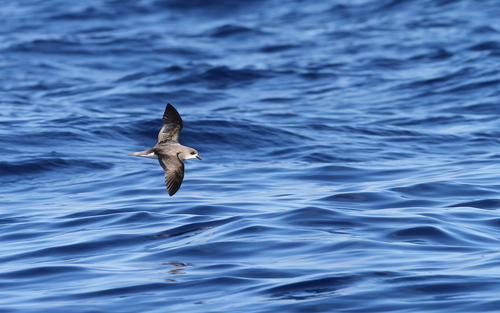
マデイラミズナギドリ (Pterodroma madeira) マデイラミズナギドリ
ケープベルデミズナギドリ (Pterodroma feae) ケープベルデミズナギドリ

メディア

読み込み中…

要点

マデイラミズナギドリとケープベルデミズナギドリの最も信頼できるフィールドマークはサイズとくちばしの構造ですが、これは海上では微妙な場合があります。Zino'sは全体的に小さくてスリムで、目立って繊細なくちばしを持ち、Fea'sはより大きく、頑丈で厚いくちばしを持っています。両種は、翼に暗い「W」がある似たような灰色の上面を持ち、翼の下の模様はほとんどが暗いですが、Zino'sは翼の下に特徴的な大きな白っぽいパネルを示すことがあります(ただし、これは少数の鳥にしか見られません)。実際、海上でこれら二種を分けることは非常に難しく、特に単独の鳥や互いに見られない鳥の場合は特にそうです。サイズ、くちばしの形、そして翼の下のパネルの組み合わせに焦点を当てますが、混乱の高いリスクについて正直でいるべきです。

識別のコツ

  1. Size and Structure: Zino'sは全体的に小さくてスリムで、より繊細で細いくちばしを持っています。Fea'sはより大きく、目立って厚く重いくちばしを持っています。これは最も一貫したフィールドマークですが、良い視界や直接の比較が必要です。
  2. Bill Shape: Zino'sはしばしば小さく、細かく、時には長いくちばしを示します(特に雌の場合)、一方でFea'sのくちばしは常に厚く頑丈です。くちばしの形は近くでの観察や写真で最もよく判断されます;一部のZino's(おそらくオス)はFea'sに近い頑丈さのくちばしを持つことがあります。
  3. Underwing Pattern: Zino'sの翼の下に大きな白っぽいパネルを探してください—これは見られた場合に診断的ですが、約15%の鳥にしか存在しません。ほとんどのZino'sとすべてのFea'sは、他は暗い翼の下を持ち、パネルはありません。
  4. Underwing Triangle: Zino'sは体の近くの翼の下の前縁に白の三角形を示します;Fea'sの翼の下は一般的に均一に暗いです。このマークは微妙で、悪い光や遠くからの視界では見逃されることがあります。
  5. Flank Color: Zino'sは白い腹と対照的な灰色の側面を持っていますが、Fea'sは単純に白い腹を持っていると説明されています。この違いは微妙で、常に見えるわけではありません。
  6. Head Pattern: 両種はまだらな白褐色の額、暗い帽子、目の下と後ろに暗い斑点を持っています。頭の模様はフィールドで信頼できるように分けることはできません。
  7. Upperwing and 'W' Marking: 両方とも灰色の上翼に暗い「W」を示します;これは有用な分離マークではありません。
  8. Tail Color: Zino'sは灰色の上尾を持っています;Fea'sには対照的な尾のマークは記載されていませんが、これは強い分離特徴ではありません。
  9. Flight Style: Zino'sは飛行中により軽く、より浮遊感があるように見えることがあり、強風の中でより角度のある翼で表面の上を高く切り裂くことがあります。Fea'sも速く、衝動的であり、違いは微妙で、経験がなければ明らかではありません。
  10. Perched Birds: 両方とも滅多に止まっているのが見られず、姿勢や行動によって信頼できるように分けることはできません。
  11. Location: Zino'sはマデイラに特有で、Fea'sはケープベルデとデセルトで繁殖します。海上では、範囲が役立つことがありますが、重複と漂流性のため、これは診断的ではありません。
  12. Vocalizations: 両方とも海上では静かです;繁殖コールは非常に似ており、知られたコロニーでない限り分離には役立ちません。
  13. Age and Season: 信頼できる年齢特有のフィールドマークは知られていません;すべてのフィールドマークは大人と未熟な個体に適用されます。
  14. Pitfalls: 以前に提案された多くのマーク(頭、上翼、側面の模様)は信頼できません。くちばしのサイズと翼の下のパネルが最良ですが、両方ともフィールドではあいまいな場合があります。
  15. Confidence: 良い視界があっても、分離は非常に難しいことがあります。サイズ、くちばし、翼の下の模様の組み合わせを使用しますが、一部の鳥は特定できないままであることを受け入れてください。

大きさ

マデイラミズナギドリは小さく、長さ32–34 cm、翼幅80–86 cm、平均290 gです。ケープベルデミズナギドリは大きく、長さ33–36 cm、翼幅86–94 cmです。サイズの重複はかなりありますが、Fea'sは一般的により大きく、長い翼を持っています。海上では、この違いは微妙で、鳥が一緒に見られない限り判断が難しいです。Fea'sのくちばしも厚く重いですが、Zino'sはより細く繊細で、特に雌の場合はそうです。これらの構造的な違いは、近くでの長時間の観察や写真でより理解しやすいです。

羽色

行動

両種は、ガドフライミズナギドリに典型的な速く衝動的な飛行を持っています。Zino'sはより軽く、より浮遊感のある飛行を持っていると言われており、強風の中でより角度のある翼で表面の上を高く切り裂くことがありますが、これは微妙で常に明らかではありません。Fea'sも速く衝動的な飛行を持っていると説明されており、両者の違いは診断的ではなく、非常に両方に精通していない限りはそうです。止まっている鳥は滅多に見られず、行動によって分けることはできません。

生息環境

両種は外洋性で、類似の海洋生息地に生息しています。Zino'sはマデイラに特有で、Fea'sはケープベルデ諸島で繁殖し、一部の分類ではデセルト諸島でも繁殖します。海上では、彼らの範囲が重複することがありますが、文脈が役立つかもしれません:Zino'sはマデイラの近くでのみ信頼できる場所に見られ、Fea'sはケープベルデやデセルトの近くで見られる可能性が高いです。しかし、漂流性と重複のため、場所だけでは診断的ではありません。

声

両種は海上では静かです。繁殖コロニーでは、Zino'sはタウニーオウルに似た長い悲しげな鳴き声と、あまり頻繁ではないうめき声を出します。これらの鳴き声はケープベルデミズナギドリに非常に似ており、鳴き声は知られた繁殖地でない限りフィールドでの分離には役立ちません。

より良い説明を送る

比較と同じ項目を使ってください。文章はすぐに公開されます。

The most reliable field mark between Zino's Petrel and Fea's Petrel is size and bill structure, but these can be subtle at sea. Zino's is smaller and slimmer overall, with a noticeably finer, more delicate bill, while Fea's is bulkier with a stouter, thicker bill. Both species have similar grey upperparts with a dark 'W' across the wings, and their underwing patterns are mostly dark, but Zino's may show a distinctive large whitish panel on the underwing (though this is only visible in a minority of birds). In practice, separating these two at sea is extremely challenging, especially for lone birds or those not seen alongside each other. Focus on the combination of size, bill shape, and any underwing panel, but be honest about the high risk of confusion.

  1. Size and Structure: Zino's is smaller and slimmer overall, with a more delicate, slender bill. Fea's is bulkier, with a noticeably thicker, heavier bill. This is the most consistent field mark, but requires good views or direct comparison.
  2. Bill Shape: Zino's often shows a small, fine, and sometimes long bill (especially in females), while Fea's bill is always thicker and stouter. Bill shape is best judged in close views or photos; beware that some Zino's (likely males) can have bills approaching Fea's in robustness.
  3. Underwing Pattern: Look for a large whitish panel on the underwing of Zino's—this is diagnostic if seen, but is present in only about 15% of birds. Most Zino's and all Fea's have otherwise dark underwings with no panel.
  4. Underwing Triangle: Zino's shows a triangle of white at the front edge of the underwing near the body; Fea's underwing is generally uniformly dark. This mark is subtle and can be missed in poor light or distant views.
  5. Flank Color: Zino's has grey flanks contrasting with the white belly, while Fea's is described as having a plain white belly. This difference is subtle and not always visible.
  6. Head Pattern: Both species have a mottled whitish-brown forehead, dark cap, and a dark spot below and behind the eye. Head pattern is not reliably separable in the field.
  7. Upperwing and 'W' Marking: Both show a dark 'W' across the grey upperwing; this is not a useful separation mark.
  8. Tail Color: Zino's has a grey upper tail; no contrasting tail mark is noted for Fea's, but this is not a strong separation feature.
  9. Flight Style: Zino's may appear lighter and more buoyant in flight, shearing higher above the surface in strong winds with more angled wings. Fea's is also fast and impetuous, and the difference is subtle and only apparent with experience.
  10. Perched Birds: Both are rarely seen perched and not reliably separable by posture or behavior.
  11. Location: Zino's is endemic to Madeira; Fea's breeds in Cape Verde and Desertas. At sea, range can help, but overlap and vagrancy mean this is not diagnostic.
  12. Vocalizations: Both are silent at sea; breeding calls are very similar and not useful for separation unless at a known colony.
  13. Age and Season: No reliable age-specific field marks are known; all field marks apply to adults and immatures alike.
  14. Pitfalls: Many previously suggested marks (head, upperwing, flank pattern) are unreliable. Bill size and underwing panel are the best, but both can be ambiguous in the field.
  15. Confidence: Even with good views, separation can be very difficult. Use a combination of size, bill, and underwing pattern, but accept that some birds will remain unidentified.

Zino's Petrel is smaller: 32–34 cm in length with an 80–86 cm wingspan, averaging 290 g. Fea's Petrel is larger: 33–36 cm in length and 86–94 cm wingspan. The size overlap is considerable, but Fea's is generally bulkier and longer-winged. At sea, this difference is subtle and hard to judge unless birds are seen together. The bill of Fea's is also thicker and heavier, while Zino's is more slender and delicate, especially in females. These structural differences are easier to appreciate on close, prolonged views or in photos.

  • Juvenile/Immature/Adult: No distinctive juvenile or immature upperwing pattern is described for either species, and age assessment in the field is not currently feasible due to lack of published information. For all ages, both species show a grey back and wings with a dark 'W' marking. The underwing of Zino's is blackish with a triangle of white at the front edge near the body, and in about 15% of birds, a large whitish panel is visible on the underwing (diagnostic if seen). Fea's underwing is generally uniformly dark, lacking a pale panel. Both have white bellies, but Zino's shows grey flanks, while Fea's is described as simply white. Head pattern, upperwing, and flank patterns are not reliably different in the field. The tail of Zino's is grey above; no contrasting tail mark is noted for Fea's.

Both species have a fast, impetuous flight typical of gadfly petrels. Zino's is said to have a lighter, more buoyant flight and may shear higher above the surface in strong winds with more angled wings, but this is subtle and not always apparent. Fea's is described as having a fast, impetuous flight as well, and the difference in jizz is not diagnostic unless you are very familiar with both. Perched birds are rarely seen and not separable by behavior.

Both species are pelagic and occur in similar oceanic habitats. Zino's is endemic to Madeira, while Fea's breeds in the Cape Verde Islands and, in some taxonomies, the Desertas Islands. At sea, their ranges can overlap, but context may help: Zino's is only reliably found near Madeira, while Fea's is more likely off Cape Verde or Desertas. However, vagrancy and overlap mean that location alone is not diagnostic.

Both species are silent at sea. At breeding colonies, Zino's gives a long, mournful call reminiscent of a tawny owl and a less frequent whimpering sound. These calls are very similar to Fea's Petrel, and vocalizations are not useful for field separation unless at a known breeding site.

変更を破棄しますか?

保存していない編集があります。今離れると失われます。

マデイラミズナギドリ · ケープベルデミズナギドリ · 苦手な鳥