

Motmot

シマハジロバト 対 ナゲキバト

Zenaida aurita 対 Zenaida macroura

シマハジロバトとナゲキバトのクイズ
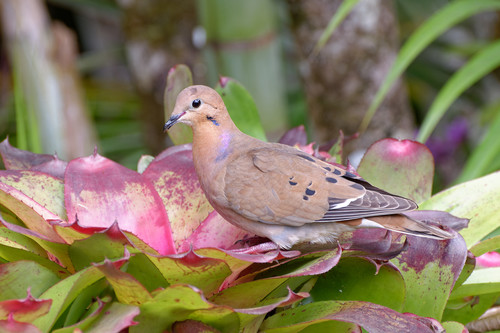
シマハジロバト (Zenaida aurita) シマハジロバト
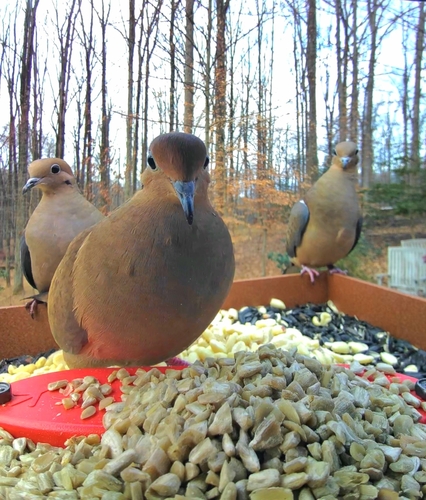
ナゲキバト (Zenaida macroura) ナゲキバト

メディア

読み込み中…

要点

ナゲキバトとシマハジロバトを区別する最も信頼できるフィールドマークは飛行中に見られます:シマハジロバトは翼の後縁に明確な白いトレーリングエッジを示しますが、ナゲキバトにはこれがありません。シマハジロバトはまた、より小さく、短くて丸みを帯びた尾を持ち、全体的に暗い色合いです。ナゲキバトは長く尖った尾を持ち、白い外羽毛があり、全体的に明るい外観で、白い翼のエッジがありません。両者はとまっているときに混乱を招くことがありますが、特に尾と翼のパターンにおける構造的および微妙な羽毛の違いが、自信を持った識別の鍵となります。

識別のコツ

  1. 翼の白いトレーリングエッジ(飛行中、すべての年齢): シマハジロバトは翼の後縁に沿って明確な白い線を示します;ナゲキバトはこれを示しません。これは、特に鳥が飛び立つときや飛び去るときに最も信頼できる区別です。
  2. 尾の形とパターン(すべての年齢): ナゲキバトは白い外羽毛と黒い内羽毛を持つ長く尖った尾を持ち、鳥が飛び立つときに白をちらつかせることがよくあります。シマハジロバトの尾は短く、より丸みを帯びており、強い白い外尾羽毛がありません。
  3. 全体的なサイズと構造: シマハジロバトはよりコンパクトで体重が重く、短い尾とずんぐりした外観を持っています。ナゲキバトは長く、スリムで、流線型で、特にとまっているときや飛行中に目立ちます。
  4. 羽毛のトーン: シマハジロバトはより暗く、均一に茶色がかっていますが、ナゲキバトはより明るく、灰色がかった茶色の背中とピンクがかった腹部を持っています。
  5. 翼の斑点: ナゲキバトは翼の覆羽に明確な黒い斑点を持っています;シマハジロバトはこれを欠くか、はるかに目立たない斑点を持っています。
  6. 顔のマーク: ナゲキバトは目の下に三日月形の暗い斑点を持っています;シマハジロバトはこのマークを示しません。
  7. 首の虹色(成鳥、特にオス): ナゲキバトのオスは明るい紫ピンクの首の斑点と青みがかった冠を示すことがありますが、シマハジロバトにはこれが欠けているか、はるかに鈍いです。
  8. 幼鳥の外観: 両者は幼鳥として鱗状で鈍いですが、シマハジロバトの翼の白いトレーリングエッジは飛行中の診断マークとして残ります。
  9. 飛行スタイル: ナゲキバトは速くて浮遊感があり、しばしば翼からの笛のような音を伴います;シマハジロバトは飛行中により重く、より直接的に見えます。
  10. 生息地の文脈: カリブ海とユカタンでは、両者が存在する可能性がありますが、シマハジロバトは沿岸、低木、または都市環境で見られる可能性が高いです;ナゲキバトは北アメリカ本土でより広く分布しています。
  11. 声: コールのペースを手がかりとして使用してください—シマハジロバトは速く、ナゲキバトは遅くてより哀愁を帯びていますが、重複や観察者のバイアスに注意してください。
  12. とまっているときの混乱: とまっているときは、尾の長さと形、全体的な体格、翼のパターン(見える場合)に焦点を当ててください;色だけに頼るのは避けてください、照明が誤解を招く可能性があります。
  13. 亜種の変異: ナゲキバトの亜種は色とサイズに微妙に異なりますが、常に白い翼のエッジが欠けています;シマハジロバトの亜種は区別に関連するフィールドマークが似ています。
  14. 豊富さ: ナゲキバトは北アメリカで非常に一般的です;シマハジロバトはカリブ海で豊富ですが、他の場所では稀です—疑わしい場合は場所を考慮してください。
  15. 落とし穴: ナゲキバトの白い外尾羽毛が白い翼のエッジと誤解されることに注意してください;白の位置を常に確認してください—ナゲキバトの場合は尾に、シマハジロバトの場合は翼に。

大きさ

シマハジロバトはわずかに小さく、体重が重く、長さ約28〜30 cm、体重約159 gです。ナゲキバトは約31 cmと長いですが、通常は軽量(平均質量は約128 gに近い)で、より細長いプロファイルを持っています。ナゲキバトの尾は特に長く尖っており、流線型の外観に寄与していますが、シマハジロバトの尾は短く、より丸みを帯びています。

羽色

行動

両種は地面で餌を探し、しばしば開けたまたは半開けた地域で見られます。シマハジロバトは水の近くで餌を食べているのが見られる可能性が高く、カリブ海の都市公園やビーチで見られることがあります。ナゲキバトは北アメリカでより広く分布し、しばしば電線にとまっているか、翼からの笛のような音を伴って速く飛んでいるのが見られます。シマハジロバトはより重く、動きがより意図的に見える傾向がありますが、ナゲキバトはよりスリムで浮遊感があります。

生息環境

シマハジロバトはカリブ海全体とユカタン海岸に生息し、低地の低木、沿岸平野、ビーチ、都市公園を好みます。ジャマイカの高地でも見られることがあります。ナゲキバトは北アメリカ全体に広く分布し、開けた国、農地、郊外、都市の端に見られます。重複はカリブ海とユカタンの一部に限られています;文脈が役立つことがありますが、両者は都市や開けた生息地で発生する可能性があります。

声

両種は悲しげなクーイングコールを持っていますが、シマハジロバトの方が速いペース(クーOOoo-クー-クー-クー)で、ナゲキバトの方が遅く、より引き延ばされたもの(クーOOoo-ウーウー-ウーウーウー)です。違いは微妙で、主なフィールドマークではなく、補助的な証拠として使用するのが最良です。

より良い説明を送る

比較と同じ項目を使ってください。文章はすぐに公開されます。

The most reliable field mark to separate Zenaida Dove from Mourning Dove is seen in flight: Zenaida Dove shows a clear white trailing edge on the wings, which Mourning Dove lacks. Zenaida Dove is also smaller, with a shorter, more rounded tail, and overall darker coloration. Mourning Dove has a longer, pointed tail with white outer feathers, a paler overall look, and lacks the white wing edge. Both can be confusing when perched, but structural and subtle plumage differences, especially in the tail and wing pattern, are key for confident identification.

  1. White trailing edge on wing (in flight, all ages): Zenaida Dove shows a clear white line along the trailing edge of the wing; Mourning Dove never shows this. This is the single most reliable separation, especially for birds flushing or flying away.
  2. Tail shape and pattern (all ages): Mourning Dove has a long, pointed tail with white outer feathers and black inner feathers, often flashing white when the bird takes off. Zenaida Dove’s tail is shorter, more rounded, and lacks the strong white outer tail feathers.
  3. Overall size and structure: Zenaida Dove is more compact and heavier-bodied, with a shorter tail and a chunkier appearance. Mourning Dove is longer, slimmer, and more streamlined, especially noticeable when perched or in flight.
  4. Plumage tone: Zenaida Dove is darker and more uniformly brownish, while Mourning Dove is paler, with a gray-brown back and pinkish underparts.
  5. Wing spots: Mourning Dove has distinct black spots on the wing coverts; Zenaida Dove lacks these or has much less prominent spots.
  6. Facial marks: Mourning Dove has a crescent-shaped dark patch below the eye; Zenaida Dove does not show this mark.
  7. Neck iridescence (adults, especially males): Mourning Dove males may show bright purple-pink neck patches and a bluish crown, which are absent or much duller in Zenaida Dove.
  8. Juvenile appearance: Both are scaly and duller as juveniles, but the white trailing edge on Zenaida Dove’s wing remains diagnostic in flight.
  9. Flight style: Mourning Dove is swift and buoyant, often with a whistling sound from the wings; Zenaida Dove appears heavier and more direct in flight.
  10. Habitat context: In the Caribbean and Yucatan, both can be present, but Zenaida Dove is more likely in coastal, scrubby, or urban settings; Mourning Dove is more widespread in mainland North America.
  11. Voice: Use call pace as a clue—Zenaida Dove is faster, Mourning Dove is slower and more plaintive—but beware overlap and observer bias.
  12. Perched confusion: When perched, focus on tail length and shape, overall bulk, and wing pattern if visible; avoid relying solely on color, as lighting can mislead.
  13. Subspecies variation: Mourning Dove subspecies differ subtly in color and size but always lack the white wing edge; Zenaida Dove subspecies are similar in field marks relevant for separation.
  14. Abundance: Mourning Dove is extremely common in North America; Zenaida Dove is abundant in the Caribbean but rare elsewhere—consider location when in doubt.
  15. Pitfalls: Beware of Mourning Dove’s white outer tail feathers being mistaken for a white wing edge; always check the location of the white—on the tail for Mourning, on the wing for Zenaida.

Zenaida Dove is slightly smaller and heavier-bodied, measuring about 28–30 cm in length and weighing around 159 g. Mourning Dove is longer at about 31 cm, but typically lighter (average mass closer to 128 g), with a more slender, elongated profile. The tail of Mourning Dove is notably longer and more pointed, contributing to its streamlined appearance, while Zenaida Dove’s tail is shorter and more rounded.

  • In flight (all ages): Zenaida Dove shows a distinct white trailing edge on the wings, which is absent in Mourning Dove. Mourning Dove instead has white outer tail feathers and a long, pointed tail.
  • Adults (perched): Zenaida Dove is darker overall, with a more subdued brownish coloration, while Mourning Dove is paler, with a light gray-brown back and pinkish underparts. Mourning Dove has black spots on the wings and a distinctive crescent-shaped dark patch below the eye. Zenaida Dove lacks the strong black spots and facial crescent.
  • Juveniles: Both species' juveniles are generally duller and scaly, but the white trailing edge on the wing in Zenaida Dove remains a key mark in flight. Mourning Dove juveniles are darker and have a more scaly appearance, but their tail shape and lack of white wing edge persist.

Both species forage on the ground, often in open or semi-open areas. Zenaida Dove is more likely to be seen feeding close to water and may be found in urban parks or beaches in the Caribbean. Mourning Dove is more widespread and abundant in North America, often seen perched on wires or flying swiftly with a whistling wing sound. Zenaida Dove tends to appear heavier and more deliberate in movement, while Mourning Dove is sleeker and more buoyant in flight.

Zenaida Dove is resident throughout the Caribbean and the Yucatan coast, favoring lowland scrub, coastal plains, beaches, and urban parks. It can also be found at higher elevations in Jamaica. Mourning Dove is widespread across North America, found in open country, farmland, suburbs, and city edges. Overlap is limited to the Caribbean and parts of the Yucatan; context can help, but both can occur in urban and open habitats.

Both species have a mournful cooing call, but Zenaida Dove’s is faster-paced (cooOOoo-coo-coo-coo), while Mourning Dove’s is slower and more drawn-out (cooOOoo-wooo-woo-woooo). The difference can be subtle and is best used as supporting evidence, not a primary field mark.

変更を破棄しますか?

保存していない編集があります。今離れると失われます。

シマハジロバト · ナゲキバト · 苦手な鳥