

Motmot

シマハジロバト 対 コクロムクドリモドキ

Zenaida aurita 対 Quiscalus lugubris

シマハジロバトとコクロムクドリモドキのクイズ
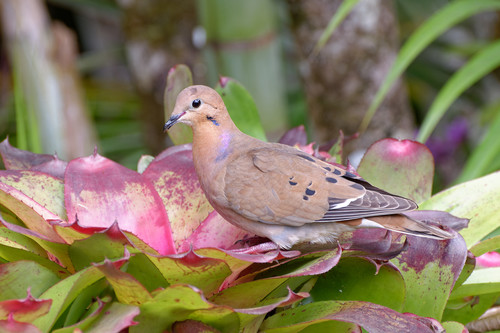
シマハジロバト (Zenaida aurita) シマハジロバト
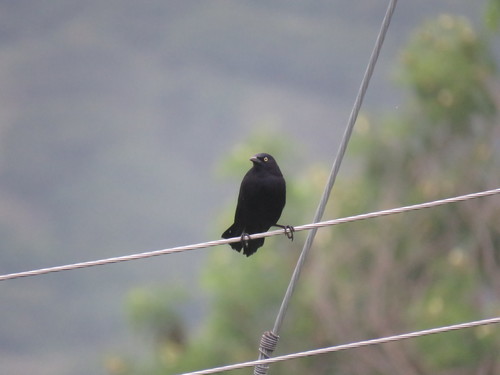
コクロムクドリモドキ (Quiscalus lugubris) コクロムクドリモドキ

メディア

読み込み中…

要点

シマハジロバトとコクロムクドリモドキを区別する最も信頼できるフィールドマークは、鳩の飛行中の翼の白い後縁であり、これはコクロムクドリモドキには決して見られません。止まっている時や歩いている時の視点では、シマハジロバトはずんぐりとした暗い色の鳩で、短く丸い尾を持っていますが、コクロムクドリモドキは細身で長い尾を持つ黒い鳥で、オスは特徴的なキール状の尾を持っています。雌や幼鳥のコクロムクドリモドキは茶色がかっていますが、それでも鳩よりもずっとスリムな体型と短く平らな尾を示します。声、構造、そして生息地も役立ちますが、飛行中の翼のパターンと全体的な印象が最も迅速な手がかりです。

識別のコツ

  1. 翼の白い後縁(シマハジロバトのみ): 年齢や性別に関係なく、飛行中の翼の後縁に沿った明確な白い線を探してください。コクロムクドリモドリはこれを示しません。
  2. 尾の形: シマハジロバトは短く丸い尾を持っています;コクロムクドリモドリのオスは非常に長いV字型の尾を持ち、雌は短く平らな尾を持っています。コクロムクドリモドリの尾は常に体に対して長くなります。
  3. 体の構造: 鳩はずんぐりとしていてコンパクトで、太い首と短いくちばしを持っています。コクロムクドリモドリはスリムで長い脚を持ち、尖ったくちばしを持っています。
  4. くちばしの形: シマハジロバトのくちばしは短く鳩のようです;コクロムクドリモドリのくちばしは長く、細く、鋭く尖っています。
  5. 羽毛の光沢: 成熟したオスのコクロムクドリモドリは光沢のある黒で、特に翼と尾に紫色または緑がかった光沢があります。シマハジロバトは暗い茶色で、わずかな虹色の光沢があります。
  6. 目の色: 成熟したコクロムクドリモドリは目立つ黄色の目を持っています(幼鳥や若い雌は暗い);シマハジロバトはすべての年齢で暗い目を持っています。
  7. 雌と幼鳥の混同: 雌と幼鳥のコクロムクドリモドリは茶色がかっていますが、鳩よりもずっとスリムで、尾が長く、決して白い翼の縁を持ちません。
  8. 飛行スタイル: シマハジロバトは強く直接的な翼の羽ばたきで飛び、白い後縁を示します;コクロムクドリモドリの飛行はより波状で、長い尾が後ろに引かれるかV字型に保持されます。
  9. 採餌行動: 鳩は上下に揺れながら歩き、静かに地面で餌を食べます;コクロムクドリモドリはより活発で、しばしば騒がしい群れで、木の中や地面で採餌することがあります。
  10. 鳴き声: 鳩の鳴き声は柔らかく悲しげなクー音です;コクロムクドリモドリの鳴き声は厳しく多様なおしゃべりやきしみ音で、決してクー音にはなりません。
  11. 生息地の重複: 両方の種は開けた、都市的、または沿岸の生息地に見られることがあるため、場所だけに頼らないでください。
  12. 止まっている姿勢: 鳩は水平に座り、ずんぐりと見えます;コクロムクドリモドリはより直立して止まり、細長く見えます。
  13. 群れのサイズ: シマハジロバトは通常孤独または小さな群れで見られます;コクロムクドリモドリはしばしば大きく騒がしい群れを形成します。
  14. 水の近くでの採餌: 両方の種は水の近くで見られることがありますが、鳩は静かに種を食べている可能性が高く、コクロムクドリモドリはより機会主義的で目立つことがあります。
  15. 季節的混同: どちらの種にも季節的な羽毛はなく混同を引き起こしますが、幼鳥のコクロムクドリモドリはより茶色がかり、縞模様があり、鳩の翼のパターンは欠けています。

大きさ

シマハジロバトはコクロムクドリモドキ(オス66–80 g、雌49–58 g)よりもかなり重く、ずんぐりとしています(体重約159 g)。鳩はまた、オスのコクロムクドリモドキ(26 cm)よりもわずかに長く(28–30 cm)、雌のコクロムクドリモドキ(22 cm)よりもはるかに長いですが、コクロムクドリモドキの長い尾は遠くから見ると誤解を招く大きさに見えることがあります。鳩の体はよりコンパクトで頑丈ですが、コクロムクドリモドリは細身で軽量です。

羽色

シマハジロバトの飛行中の翼の白い後縁は、すべての年齢と性別に見られる唯一の最良のマークです;コクロムクドリモドキはこれを決して示しません。シマハジロバトは全体的に暗い茶色でわずかな虹色の光沢があり、短く丸い尾を持っています。コクロムクドリモドキの成鳥のオスは光沢のある黒で、特に翼と尾に紫色または緑がかった光沢があり、長いV字型の尾を持っています。雌と幼鳥は茶色がかり、雌は喉と腹部がより淡い色を示し、幼鳥は一部の亜種で縞模様があります。コクロムクドリモドリの両性は成鳥では黄色の目を持ち(幼鳥と若い雌は暗い)、シマハジロバトは暗い目を持っています。コクロムクドリモドリのくちばしは常に黒く尖っており、鳩のくちばしは短く鳩のようです。コクロムクドリモドリのどの年齢や季節も鳩の白い翼の縁を示すことはありません。

行動

シマハジロバトは主に地面で採餌し、鳩のように上下に揺れながら歩き、しばしば一人または小さな群れで見られます。飛行中は直接的で強く、翼の後縁に明らかな白があります。コクロムクドリモドキははるかに活発で社交的で、しばしば群れで行動し、尾を上げたり、翼を振ったり、騒がしい群れで採餌するなどのさまざまな行動を示します。コクロムクドリモドリはしばしば高いところに止まり、より直立したストライド姿勢で歩きます。飛行中、コクロムクドリモドリの長い尾は非常に目立ち、特にオスではV字型に保持されることがよくあります。

生息環境

両方の種は開けたおよび半開けた生息地、都市公園や庭を含む場所で見られます。シマハジロバトは低地、沿岸平野、サブ、時にはカリブ海の高地を好み、しばしば水やビーチの近くにいます。コクロムクドリモドキは開けた地域、牧草地、都市環境で群れで見られる可能性が高く、一般的により目立ち、騒がしいです。両方の種は人間によって変えられた環境に適応できるため、文脈だけでは常に診断的ではありません。

声

シマハジロバトは悲しげなクー音(cooOOoo-coo-coo-coo)を出し、ナゲキバトに似ていますが、より速いです。コクロムクドリモドキははるかに声が多様で、厳しいおしゃべりやきしみ音を持ち、決して鳩のクー音には似ません。鳩の鳴き声は柔らかく繰り返しのもので、コクロムクドリモドキの鳴き声は大きく、鋭く、しばしば群れで出されます。

より良い説明を送る

比較と同じ項目を使ってください。文章はすぐに公開されます。

The most reliable field mark to separate Zenaida Dove from Carib Grackle is the dove’s white trailing edge on the wings in flight, which is never present on the grackle. In perched or walking views, Zenaida Dove is a chunky, darkly-colored pigeon with a short, rounded tail, while Carib Grackle is a slender, long-tailed blackbird with a distinctive keel-shaped tail in males. Female and juvenile grackles are brownish but still show a much slimmer build and shorter, flatter tail than the dove. Voice, structure, and habitat also help, but the wing pattern in flight and overall jizz are the quickest clues.

  1. White trailing edge on wing (Zenaida Dove only): In any age or sex, look for a clear white line along the trailing edge of the wing in flight. Carib Grackle never shows this.
  2. Tail shape: Zenaida Dove has a short, rounded tail; Carib Grackle males have a very long, V-shaped tail, and females have a shorter, flat tail. The grackle’s tail is always longer in proportion to its body.
  3. Body structure: Doves are chunky and compact, with a thick neck and short bill. Grackles are slim, long-legged, and have a pointed bill.
  4. Bill shape: Zenaida Dove’s bill is short and pigeon-like; Carib Grackle’s is long, slender, and sharply pointed.
  5. Plumage gloss: Adult male grackles are glossy black with violet or greenish sheen, especially on wings and tail. Zenaida Dove is dark brownish with only subtle iridescence.
  6. Eye color: Adult Carib Grackles have striking yellow eyes (except juveniles and young females, which are dark); Zenaida Dove has dark eyes in all ages.
  7. Female and juvenile confusion: Female and juvenile grackles are brownish but much slimmer than the dove, with a longer tail and never a white wing edge.
  8. Flight style: Zenaida Dove flies with strong, direct wingbeats and shows the white trailing edge; Carib Grackle’s flight is more undulating, with the long tail trailing or held in a V.
  9. Foraging behavior: Doves walk with a bobbing gait and feed quietly on the ground; grackles are more active, often in noisy groups, and may forage in trees or on the ground.
  10. Vocalizations: Dove’s call is a soft, mournful coo; grackle’s is a harsh, varied chatter or squeak, never a coo.
  11. Habitat overlap: Both can be found in open, urban, or coastal habitats, so do not rely solely on location.
  12. Perched posture: Doves sit horizontally and appear thickset; grackles perch more upright and look lanky.
  13. Group size: Zenaida Dove is usually solitary or in small groups; Carib Grackle often forms larger, noisy flocks.
  14. Feeding near water: Both may be seen near water, but doves are more likely to be quietly feeding on seeds, while grackles may be more opportunistic and visible.
  15. Seasonal confusion: No seasonal plumage in either species creates confusion, but juvenile grackles are browner and streakier, still lacking the dove’s wing pattern.

Zenaida Dove is significantly heavier and bulkier (body mass ~159 g) than Carib Grackle (male 66–80 g, female 49–58 g). The dove is also slightly longer (28–30 cm) than male grackles (26 cm) and much longer than female grackles (22 cm), but the grackle’s long tail can make it look deceptively large at a distance. The dove’s body is more compact and robust, while the grackle is slender and lightweight.

The white trailing edge on the wings of Zenaida Dove in flight is the single best mark, present in all ages and sexes; Carib Grackle never shows this. Zenaida Dove is overall dark brownish with a slight iridescence and a short, rounded tail. Carib Grackle adult males are glossy black with violet or greenish gloss, especially on wings and tail, and have a long, V-shaped tail. Females and juveniles are brownish, with females showing paler throats and underparts, and juveniles being streaked in some subspecies. Both sexes of grackle have yellow eyes as adults (dark in juveniles and young females), while Zenaida Dove has dark eyes. The grackle’s bill is always black and pointed, while the dove’s is short and pigeon-like. No age or season of Carib Grackle ever shows the dove’s white wing edge.

Zenaida Dove forages mostly on the ground, walking with a pigeon’s bobbing gait, and is often seen alone or in small groups. In flight, it is direct and strong, with obvious white on the trailing wing. Carib Grackle is much more active and social, often in flocks, and displays a variety of behaviors including tail-raising, wing-shaking, and noisy group foraging. Grackles often perch high and walk with a more upright, strutting posture. In flight, the grackle’s long tail is very noticeable and often held in a V-shape, especially in males.

Both species can be found in open and semi-open habitats, including urban parks and gardens. Zenaida Dove prefers lowlands, coastal plains, scrub, and sometimes higher elevations in the Caribbean, often near water and beaches. Carib Grackle is more likely to be seen in flocks in open areas, pastures, and urban settings, and is generally more conspicuous and noisy. Both can adapt to human-altered environments, so context alone is not always diagnostic.

Zenaida Dove gives a mournful, cooing call (cooOOoo-coo-coo-coo), similar to Mourning Dove but faster. Carib Grackle is much more vocal and varied, with harsh, chattering, and squeaky calls, never resembling a dove’s coo. The dove’s call is soft and repetitive, while the grackle’s is loud, sharp, and often given in groups.

変更を破棄しますか?

保存していない編集があります。今離れると失われます。

シマハジロバト · コクロムクドリモドキ · 苦手な鳥