

Motmot

Yellow-winged Flatbill 対 コシラギクタイランチョウ

Tolmomyias flavotectus 対 Elaenia chiriquensis

Yellow-winged Flatbillとコシラギクタイランチョウのクイズ
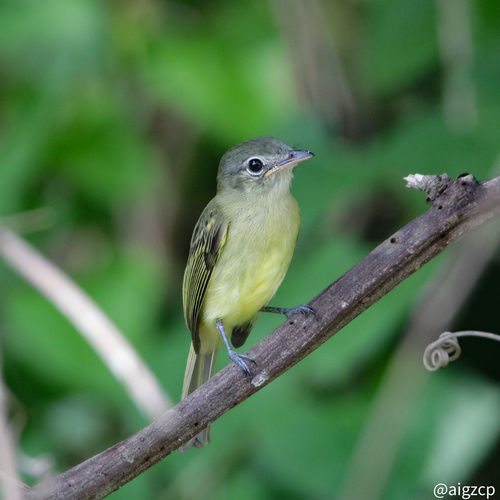
Yellow-winged Flatbill (Tolmomyias flavotectus) Yellow-winged Flatbill
コシラギクタイランチョウ (Elaenia chiriquensis) コシラギクタイランチョウ

メディア

読み込み中…

要点

Yellow-winged Flatbillとコシラギクタイランチョウの最も信頼できるフィールドマークは翼のパターンです:成鳥のYellow-winged Flatbillは飛行羽に広い黄色の縁を示しますが、コシラギクタイランチョウは2つの明確な白い翼帯と白っぽい羽の縁を持っています。幼鳥のYellow-winged Flatbillは鈍い、あまり明確でない黄色の縁を持っていますが、コシラギクタイランチョウの明確な二重翼帯は欠けています。構造的には、Flatbillは明らかに広く平らなくちばしと、より暗く対照的な頭を持ち、コシラギクタイランチョウは小さな冠とより均一なオリーブグレーの頭を示します。両種は黄色がかった腹部を共有しますが、翼のパターンとくちばしの形状の組み合わせが通常決定的です。未熟な鳥や悪光に注意してください。これらの違いを隠す可能性があります。

識別のコツ

  1. Wing pattern is key: Yellow-winged Flatbill(すべての年齢)は翼の羽に広い黄色の縁を示しますが、明確な翼帯はありません;コシラギクタイランチョウは常に2つの太い白い翼帯と白っぽい羽の縁を示します。悪光の中では、コシラギクタイランチョウの二重帯の効果を探してください。
  2. Juvenile confusion: 幼鳥のYellow-winged Flatbillは翼にあまり明確でない黄色を持っていますが、コシラギクタイランチョウの幼鳥や成鳥の鋭い翼帯は欠けています。明確で鮮明な翼帯が見えたら、それはFlatbillではありません。
  3. Bill shape: Flatbillは広く平らなくちばし(ほぼパドル型)を持ち、上は黒く下は淡いです;コシラギクタイランチョウのくちばしは狭く、下顎の基部がピンク色の黒です。くちばしの形状は、遠くに止まっている鳥でもしばしば見えます。
  4. Head pattern: Flatbillは強い白いアイリングを持つ暗い灰色の頭を持ち、オリーブの背中と対照的です。コシラギクタイランチョウの頭は灰色がかったオリーブで、頬は明るく、薄い白いアイリングと部分的に隠れた白い冠の斑点を持っています(良い光の中で淡い斑点として見えることがあります)。
  5. Crest: コシラギクタイランチョウは、特に警戒しているときに小さく四角い冠を示すことがよくあります;Flatbillの冠は滑らかに丸く、冠はありません。
  6. Underparts: 両者は黄色がかった腹部を持っていますが、Flatbillの喉と胸は淡い灰色で黄色がかった洗いがかかっていますが、コシラギクタイランチョウの腹部はより均一に灰色がかったオリーブから淡い黄色で、特に淡いalbivertex亜種では顕著です。腹部の色は微妙であり、単独で使用すべきではありません。
  7. Tail color: Flatbillは背中に合ったオリーブグリーンの尾を持っています;コシラギクタイランチョウの尾は暗く、上面と対照的です。
  8. Leg color: Flatbillは灰色の脚と足を持っています;コシラギクタイランチョウは黒です。通常は近距離でないと見えません。
  9. Iris color: Flatbillの虹彩はオリーブから暗い茶色です;コシラギクタイランチョウの虹彩は暗い茶色です。これはフィールドではあまり役に立ちません。
  10. Perched posture: Flatbillはしばしば広いくちばしのために重い頭のように見える横向きに座ります;コシラギクタイランチョウは、特に冠を上げているときにより直立して見えることがあります。
  11. Flight jizz: 両者は小さなフライキャッチャーですが、Flatbillは飛行中に重い頭に見えることがあります;コシラギクタイランチョウの二重翼帯は、よく見えれば飛行中にフラッシュすることがあります。
  12. Habitat context: 湿った成熟した森林の内部、特に600 m以上では、Flatbillの方が可能性が高いです。開けた森林、エッジ、または乾燥した二次成長、特にFlatbillの範囲外では、コシラギクタイランチョウが期待されます。
  13. Foraging behavior: Flatbillは混成種の群れでより多く見られ、キャノピーの高い位置で見られることが多いですが、コシラギクタイランチョウはより孤独で、低い位置や森林のエッジで見られることがあります。
  14. Range: アンデスの東側の南アメリカでは、コシラギクタイランチョウのみが生息しています;コロンビア西部、パナマ、コスタリカでは、両者が可能ですが、Flatbillは湿った森林の内部により結びついています。
  15. Voice: 現在の情報では診断的ではありません;両者はさまざまな鳴き声を持つタイランニッドですが、Flatbillの声は以前の同種とは顕著に異なり、コシラギクタイランチョウとは異なります。

大きさ

両種は長さが似ています:Yellow-winged Flatbillは13–13.5 cmで、約15 gの重さがありますが、コシラギクタイランチョウは13–14 cmで、11.5–22 gの重さがあります。フィールドでは、サイズは信頼できる区別要因ではなく、範囲が重なり、両者とも小さくスリムなフライキャッチャーです。コシラギクタイランチョウは、より高い体重範囲のためにわずかにふくよく見えることがありますが、これは微妙で通常は診断的ではありません。

羽色

幼鳥と成鳥のYellow-winged Flatbillは両方とも翼の羽に黄色の縁を示しますが、幼鳥は成鳥よりもこれらの縁があまり明確ではありません。重要なのは、どちらの年齢層も強い翼帯を示さないことです。対照的に、コシラギクタイランチョウ(すべての年齢)は、カバーの先端によって形成された2つの太い白い翼帯と、飛行羽に白っぽい縁を持ち、閉じた翼で鮮明な二重帯の外観を与えます。Flatbillの頭は暗い灰色で白いアイリングを持ち、オリーブグリーンの背中と対照的です。一方、コシラギクタイランチョウは灰色がかったオリーブの頭、明るい頬、薄い白いアイリング、および部分的に隠れた白い冠の斑点を持っています。両者は黄色がかった腹部を持っていますが、Flatbillの喉と胸は淡い灰色で黄色がかった洗いがかかっていますが、コシラギクタイランチョウの腹部はより均一に灰色がかったオリーブから淡い黄色で、特に亜種albivertexでは顕著です。Flatbillのくちばしは広く平らで、上顎は黒く下顎は淡いですが、コシラギクタイランチョウのくちばしは黒く、下顎の基部がピンク色です。

行動

Yellow-winged Flatbillは主に中層からキャノピーで採餌し、混成種の群れに参加することが多く、時には森林のエッジでより低い位置に降りることがあります。コシラギクタイランチョウは単独またはペアで採餌し、通常は上層の下層やその上で、混成群れに参加することは稀です。Flatbillは混成種の活動により関連する傾向がありますが、コシラギクタイランチョウはより孤独な採餌スタイルです。両者は昆虫を捕まえますが、コシラギクタイランチョウは特にいくつかの地域でベリーも食べます。

生息環境

Yellow-winged Flatbillは、ニカラグア南部からコスタリカ、パナマ、西コロンビア、エクアドル北部にかけて、湿った森林の内部やエッジ、成熟した二次森林、プランテーションに生息し、主に1200 m以下の標高で見られます。コシラギクタイランチョウははるかに広い範囲を持ち、中央アメリカと南アメリカのほとんどで、開けた森林、森林のエッジ、二次成長に生息し、Flatbillよりも乾燥したより開けた生息地を含みます。コスタリカとパナマでは、両者が森林のエッジで重なることがありますが、Flatbillはより湿った、あまり乱されていない森林に制限されることが多いです。

より良い説明を送る

比較と同じ項目を使ってください。文章はすぐに公開されます。

The most reliable field mark between Yellow-winged Flatbill and Lesser Elaenia is the wing pattern: adult Yellow-winged Flatbill shows broad yellow edges to the flight feathers, while Lesser Elaenia has two distinct white wingbars and whitish feather edges. Juvenile Yellow-winged Flatbill have duller, less distinct yellow edges, but still lack the clear double wingbars of Lesser Elaenia. Structurally, the Flatbill has a noticeably broad, flat bill and a darker, more contrasting head, while Lesser Elaenia shows a small crest and a more uniform olive-gray head. Both species share a yellowish belly, but the combination of wing pattern and bill shape is usually decisive. Beware of immature birds and poor light, which can obscure these differences.

  1. Wing pattern is key: Yellow-winged Flatbill (all ages) shows broad yellow edges to the wing feathers but lacks distinct wingbars; Lesser Elaenia always shows two bold white wingbars and whitish feather edges. In poor light, look for the double-barred effect on Lesser Elaenia.
  2. Juvenile confusion: Juvenile Yellow-winged Flatbill has less distinct yellow on the wings, but still lacks the sharp wingbars of Lesser Elaenia juveniles and adults. If you see clear, crisp wingbars, it's not a Flatbill.
  3. Bill shape: Flatbill has a wide, flat bill (almost paddle-shaped), black above and pale below; Lesser Elaenia's bill is narrower, black with a pinkish base to the lower mandible. Bill shape is often visible even in distant perched birds.
  4. Head pattern: Flatbill has a dark gray head with a strong white eyering, contrasting with its olive back. Lesser Elaenia's head is grayish olive, with lighter cheeks, a thin whitish eyering, and a partially hidden white crown patch (sometimes visible as a pale spot in good light).
  5. Crest: Lesser Elaenia often shows a small, squarish crest, especially when alert; Flatbill's crown is smoothly rounded with no crest.
  6. Underparts: Both have yellowish bellies, but Flatbill's throat and breast are pale gray with a yellowish wash, while Lesser Elaenia's underparts are more evenly grayish olive to pale yellow, especially in the paler albivertex subspecies. Underpart color is subtle and should not be used alone.
  7. Tail color: Flatbill has an olive-green tail matching the back; Lesser Elaenia's tail is dusky, contrasting with the upperparts.
  8. Leg color: Flatbill has gray legs and feet; Lesser Elaenia's are black. Usually not visible unless at close range.
  9. Iris color: Flatbill's iris is olive to dark brown; Lesser Elaenia's is dark brown. This is rarely useful in the field.
  10. Perched posture: Flatbill often sits horizontally with a heavy-headed look due to its broad bill; Lesser Elaenia may appear more upright, especially when raising its crest.
  11. Flight jizz: Both are small flycatchers, but Flatbill may look heavier-headed in flight; Lesser Elaenia's double wingbars can flash in flight if seen well.
  12. Habitat context: If in the interior of wet, mature forest, especially above 600 m, Flatbill is more likely. In open woodland, edge, or drier second growth, especially outside the Flatbill's range, Lesser Elaenia is expected.
  13. Foraging behavior: Flatbill is more likely in mixed-species flocks and higher in the canopy; Lesser Elaenia is more solitary and may be seen lower or at forest edge.
  14. Range: In South America east of the Andes, only Lesser Elaenia occurs; in western Colombia, Panama, and Costa Rica, both are possible, but Flatbill is more tied to wet forest interiors.
  15. Voice: Not diagnostic with current information; both are Tyrannids with varied calls, but Flatbill's voice is notably different from its former conspecifics, not Lesser Elaenia.

Both species are similar in length: Yellow-winged Flatbill measures 13–13.5 cm and weighs about 15 g, while Lesser Elaenia is 13–14 cm and weighs 11.5–22 g. In the field, size is not a reliable separator, as their ranges overlap and both are small, slim flycatchers. Lesser Elaenia can appear slightly bulkier due to its higher weight range, but this is subtle and not usually diagnostic.

Juvenile and adult Yellow-winged Flatbill both show yellow edges to the wing feathers, but juveniles have these edges less distinctly than adults. Importantly, neither age class shows strong wingbars. In contrast, Lesser Elaenia (all ages) has two bold white wingbars formed by the tips of the coverts, plus whitish edges to the flight feathers, giving a crisp, double-barred look on the closed wing. The Flatbill's head is dark gray with a white eyering and contrasts with its olive-green back, while Lesser Elaenia has a grayish olive head, lighter cheeks, a thin whitish eyering, and a partially hidden white crown patch. Both have yellowish bellies, but the Flatbill's throat and breast are pale gray with a yellowish wash, whereas Lesser Elaenia's underparts are more evenly grayish olive to pale yellow, especially in the subspecies albivertex. The Flatbill's bill is broad and flat with a black upper mandible and pale lower mandible, while Lesser Elaenia's bill is black with a pinkish base to the lower mandible.

Yellow-winged Flatbill forages mostly in the mid-story to canopy, often joining mixed-species flocks and sometimes descending lower at forest edges. Lesser Elaenia forages singly or in pairs, usually in the upper understory and above, rarely joining mixed flocks. Flatbill tends to be more associated with mixed-species activity, while Lesser Elaenia is more solitary in its foraging style. Both sally for insects, but Lesser Elaenia also takes berries, especially in some regions.

Yellow-winged Flatbill is found in the interior and edges of wet forests, mature secondary forests, and plantations from southern Nicaragua through Costa Rica, Panama, western Colombia, and northern Ecuador, mostly below 1200 m elevation. Lesser Elaenia has a much broader range, occurring in open woodlands, forest edges, and secondary growth throughout Central and most of South America, including drier and more open habitats than the Flatbill. In Costa Rica and Panama, both may overlap at forest edges, but Flatbill is more restricted to wetter and less disturbed forests.

変更を破棄しますか?

保存していない編集があります。今離れると失われます。

Yellow-winged Flatbill · コシラギクタイランチョウ · 苦手な鳥