

Motmot

キアシアオバト 対 インドアカガシラサギ

Treron phoenicopterus 対 Ardeola grayii

キアシアオバトとインドアカガシラサギのクイズ
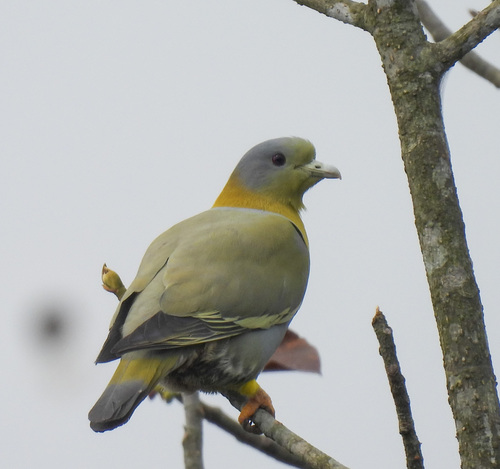
キアシアオバト (Treron phoenicopterus) キアシアオバト
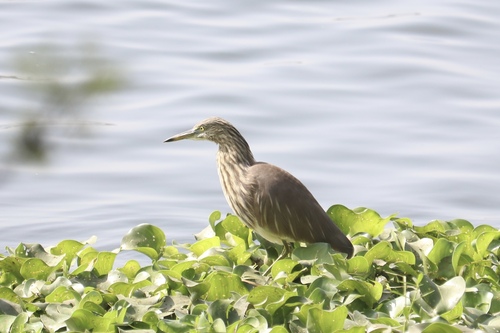
インドアカガシラサギ (Ardeola grayii) インドアカガシラサギ

メディア

読み込み中…

要点

インドアカガシラサギとキアシアオバトを区別する最も信頼できる方法は、飛行時の外観によるものです:サギは突然の全白の翼を見せる一方で、アオバトは常に緑がかった黄色を保ちます。止まっているとき、アオバトの明るい黄色の脚と緑/黄色の体は、サギの隠れた茶色と縞模様の羽毛と対照的です。構造的には、サギは長い首とダガーのようなくちばしを持ち、アオバトはコンパクトで短いくちばしを持っています。両種はインド亜大陸で一般的ですが、サギは水に関連し、アオバトは樹上性です。地面から白い翼を広げて飛び立つ鳥を見たら、それはサギです;飛行中に緑がかったままであれば、それはアオバトです。

識別のコツ

  1. 白い翼の飛行:もし鳥が飛び立ち、全白の翼を見せたら、それはインドアカガシラサギです(全ての年齢)。アオバトは翼に白を見せることはありません。
  2. 脚の色:明るい黄色または黄色がかったオレンジの脚と足はキアシアオバトに特有です。サギは鈍い黄色がかった脚を持ち、繁殖期の一部の個体ではまれに赤みを帯びます。
  3. くちばしの形:サギは獲物を突くための厚いダガーのようなくちばしを持ち、アオバトは果物に適した短くて太いくちばしを持っています。
  4. 首の長さ:サギは明らかに長くて太い首を持ち(飛行中はしばしば引っ込められます)、アオバトは短い首を持っています。
  5. 体の姿勢:アオバトは枝に水平に止まります;サギは直立して立ち、水辺にいることが多いです。
  6. 羽毛の色(止まっているとき):アオバトは灰色と紫のトーンを持つ緑がかった黄色です;サギは茶色、バフ、縞模様で、泥の岸に溶け込んでいます。
  7. 冠と後頭部:アオバトは青灰色の冠と後頭部を持ち、サギは縞模様の茶色の頭と首を持っています。
  8. 生息地:アオバトは木々、庭、林にいます;サギは水域、田んぼ、湿地にいます。
  9. 飛行スタイル:アオバトは木々の間を直接かつ迅速に飛びます;サギは遅く、深い翼の打撃で飛び、首を引っ込めます。
  10. 群れのサイズ:アオバトはしばしば群れで見られます;サギは通常、孤独または小さな緩い群れで見られます。
  11. 繁殖期のサギの羽毛:夏にはサギが長い首の羽毛を見せることがありますが、止まっているときの茶色の体色は変わりません。
  12. フラッシュ行動:サギはカモフラージュのために近づくことを許し、その後突然飛び立ちます;アオバトはより警戒心が強く、木から早めに飛び立ちます。
  13. サイズの印象:サギはより大きく、重そうに見え、アオバトはよりコンパクトで丸みを帯びています。
  14. 声:もし聞こえたら、飛び立つときの厳しい鳴き声はサギです;アオバトは一般的に静かです。
  15. 文脈:もし泥の水辺で餌を探している鳥を見たら、サギだと思ってください;木の中で果物を食べているなら、それはアオバトです。

大きさ

インドアカガシラサギは重く(成鳥の質量約255g [wikidata])、ずんぐりした体、太い首、比較的長い脚を持ち、より大きく見えます。キアシアオバトは長さがわずかに小さく(約33 cm [wikipedia])、よりコンパクトで、短い首と尾、目立って短い脚を持っています。現場では、サギの直立した姿勢と長い歩幅が特徴的で、アオバトは水平に座り、木に止まります。

羽色

行動

キアシアオバトは樹上性で、通常は木に止まって果物を食べ、群れで移動します。飲むために地面に降りることはまれです。インドアカガシラサギは孤独または緩い群れで、しばしば水域の端で獲物を追い、長時間動かずに立っています。近づくと、サギは突然飛び立ち、白い翼を見せ、遅く深い翼の打撃で飛び、首を引っ込めます。アオバトは木々の間を直接に迅速に飛び、オープンな地面からはまれに飛び立ちます。

生息環境

キアシアオバトは森林の生息地、林、庭に見られ、ほぼ常に木の中または近くにいて、水に関連していません。インドアカガシラサギは湿地、池、田んぼ、その他の浅い水域に密接に関連しており、水から遠くにいることはまれです。もし木の冠の中で鳥を見たら、特に水から離れている場合、それはおそらくアオバトです;水辺や田んぼにいる場合、それはほぼ確実にサギです。

声

どちらの種も特に声が多くなく、フィールドでの声による診断はありません。インドアカガシラサギは通常静かですが、飛び立つか警戒したときに厳しい鳴き声を出すことがあります。これらの情報源では、キアシアオバトの特有のフィールドコールは記載されていません。

より良い説明を送る

比較と同じ項目を使ってください。文章はすぐに公開されます。

The most reliable way to separate Yellow-footed Green-Pigeon from Indian Pond Heron is by their flight appearance: herons show a sudden flash of all-white wings, while green-pigeons remain greenish-yellow throughout. Perched, the pigeon’s bright yellow legs and green/yellow body contrast with the heron’s cryptic brown and streaked plumage. Structurally, the heron is longer-necked and dagger-billed, while the pigeon is compact with a short bill. Both species are common in the Indian subcontinent, but the heron is tied to water, while the pigeon is arboreal. If you see a bird flush from the ground with white wings, it's a heron; if it stays greenish in flight, it's a pigeon.

  1. White wing in flight: If the bird flushes and shows all-white wings, it's an Indian Pond Heron (all ages). Green-pigeons never show white in the wing.
  2. Leg color: Bright yellow or yellow-orange legs and feet are unique to Yellow-footed Green-Pigeon. Herons have dull yellowish legs, rarely reddish in some breeding birds.
  3. Bill shape: Herons have a thick, dagger-like bill for spearing prey; pigeons have a short, stubby bill suited for fruit.
  4. Neck length: Herons have a noticeably longer, thicker neck (often retracted in flight); pigeons have a short neck.
  5. Body posture: Pigeons perch horizontally on branches; herons stand upright, often at water’s edge.
  6. Plumage color (perched): Pigeons are greenish-yellow with grey and purple tones; herons are brown, buff, and streaked, blending with muddy banks.
  7. Crown and nape: Pigeons have a bluish-grey crown and nape; herons have a streaked brown head and neck.
  8. Habitat: Pigeons are in trees, gardens, and groves; herons are at water bodies, paddies, and marshes.
  9. Flight style: Pigeons fly directly and swiftly between trees; herons fly with slow, deep wingbeats and retracted necks.
  10. Group size: Pigeons often in flocks; herons usually solitary or in small loose groups.
  11. Breeding heron plumes: In summer, herons may show long neck feathers, but this does not change the brown body color when perched.
  12. Flush behavior: Herons allow close approach due to camouflage, then flush suddenly; pigeons are more wary and flush early from trees.
  13. Size impression: Herons appear bulkier and heavier; pigeons are more compact and rounded.
  14. Voice: If heard, a harsh croak on flushing is heron; pigeons are generally silent.
  15. Context: If you see a bird foraging at a muddy water edge, assume heron; if feeding on fruit in a tree, it's a pigeon.

Indian Pond Heron is heavier (adult mass ~255g [wikidata]) and appears bulkier, with a stocky body, thick neck, and relatively longer legs. Yellow-footed Green-Pigeon is slightly smaller in length (about 33 cm [wikipedia]) but more compact, with a shorter neck and tail, and noticeably shorter legs. In the field, the heron’s upright stance and longer stride are distinctive, while the pigeon sits horizontally and perches in trees.

  • In flight (all ages): Indian Pond Heron is instantly transformed by its bright white wings, which contrast sharply with its otherwise brown and streaked body. This white is visible from above and below and is diagnostic for all ages and seasons. Yellow-footed Green-Pigeon, by contrast, is greenish-yellow above and below in flight, lacking any white wing panels or flashes.
  • Perched (all ages): The pigeon shows a combination of green, yellow, and grey, with a yellowish-green forehead/throat, bluish-grey crown/nape, and a broad yellow or olive-yellow collar. Its most striking feature is the bright yellow or yellow-orange legs and feet. The heron, when perched, is cryptically colored with buff-brown back, streaked neck and breast, and dull yellowish legs (rarely reddish in some breeding birds).
  • Breeding herons: May show longer neck plumes and, rarely, reddish legs, but the body remains brownish when not in flight.
  • Juvenile/immature birds: No special age-specific upperwing marks are noted for either species; the white wing of the heron is present from fledging.

Yellow-footed Green-Pigeon is arboreal, usually seen perched in trees, feeding on fruit, and moving in flocks. It rarely comes to the ground except to drink. Indian Pond Heron is solitary or in loose groups, stalking prey at the edges of water bodies, often standing motionless for long periods. When approached, herons flush suddenly, revealing their white wings, and fly with slow, deep wingbeats and retracted necks. Pigeons fly directly between trees with rapid, steady wingbeats and rarely flush from open ground.

Yellow-footed Green-Pigeon is found in wooded habitats, groves, and gardens, almost always in or near trees, and is not tied to water. Indian Pond Heron is closely associated with wetlands, ponds, rice paddies, and other shallow water bodies, and is rarely seen far from water. If you see the bird in a tree canopy, especially away from water, it's likely a pigeon; if it's at the water's edge or in a paddy, it's almost certainly a heron.

Neither species is particularly vocal or diagnostic by voice in the field. Indian Pond Heron is usually silent but may give a harsh croak when flushed or alarmed. No distinctive field call is noted for Yellow-footed Green-Pigeon in these sources.

変更を破棄しますか?

保存していない編集があります。今離れると失われます。

キアシアオバト · インドアカガシラサギ · 苦手な鳥