

Motmot

キガシラアオハシインコ 対 チャタムアオハシインコ

Cyanoramphus auriceps 対 Cyanoramphus forbesi

キガシラアオハシインコとチャタムアオハシインコのクイズ
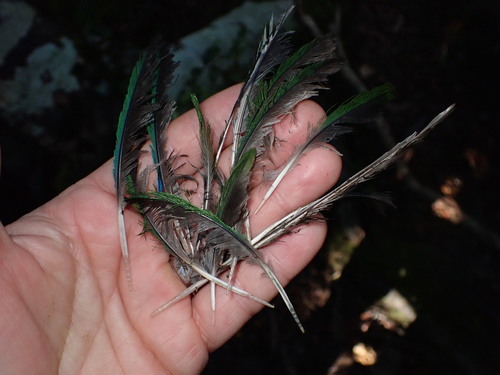
キガシラアオハシインコ (Cyanoramphus auriceps) キガシラアオハシインコ
チャタムアオハシインコ (Cyanoramphus forbesi) チャタムアオハシインコ

メディア

読み込み中…

要点

イエロークラウンパラキートとチャタムアオハシインコの最も信頼性の高いフィールドでの識別は地理的なものです:イエロークラウンはニュージーランドの本島と亜南極のオークランド諸島に見られ、チャタムアオハシインコはチャタム諸島に限定されています。チャタム諸島の外で見られた場合、それはイエロークラウンです。外見では、両者は明るい緑色のパラキートで、赤い額のバンドと黄色の前頭部を持っていますが、チャタムアオハシインコの赤いバンドは目に達せず、緑色のロアを持っています。一方、イエロークラウンの赤いバンドはより広く、より金色の前頭部を持っています。両者は飛行中に翼に青みがかった色や紫色の青を示します。くちばしのサイズは両種のオスでわずかに大きいですが、これは微妙です。フィールドでは、位置と顔の赤と黄色の詳細に焦点を当てて識別します。

識別のコツ

  1. Location is decisive: チャタム諸島にいない場合、見ているのはイエロークラウンパラキートであり、チャタムアオハシインコではありません。チャタムアオハシインコはチャタム群に厳密に固有です。
  2. Red forehead band shape: チャタムアオハシインコの赤いバンドは狭く、目に達せず、ロアを緑色に残します。イエロークラウンパラキートの赤いバンドは広く、金色の前頭部を持ち、しばしば目に近づきます。
  3. Lores color: チャタムアオハシインコは緑色のロア(くちばしと目の間)を示し、これはよく見られた場合に微妙ですが有用なマークです。イエロークラウンパラキートのロアは特に緑色とは記述されておらず、赤いバンドが目に近づくことがあります。
  4. Yellow/golden forecrown: 両種は黄色または金色の前頭部を持っていますが、形状と範囲が異なります。チャタムアオハシインコでは、黄色は前頭部により制限されており、イエロークラウンパラキートでは、より広範囲で金色に見えることがあります。
  5. Red on rump (Chatham only): チャタムアオハシインコは尻の側面に赤い部分があり、これはイエロークラウンパラキートには存在しないか、記述されていません。これは微妙なマークで、止まっている鳥や良い光の中で見るのが最適です。
  6. Wing coloration in flight: 両者は翼を広げたときに外側の一次羽と翼の覆いに青みがかった色や紫色の青を示します。これは両者の識別にはならず、属を確認するのに役立ちます。
  7. Bill size and shape: 両種のオスはメスよりも大きなくちばしを持っていますが、これは微妙で、鳥が並んで性別を確認しない限り信頼できるフィールドマークではありません。
  8. Sexual dimorphism: メスは両種でわずかに小さく、より小さなくちばしを持っていますが、これは強いフィールドマークではありません。
  9. Size and structure: 両者は中型の長尾パラキートです。イエロークラウンパラキートは平均約46gで、チャタムアオハシインコは似ていますが、情報源では正確に測定されていません。
  10. Habitat context: ニュージーランドの本島の高くて途切れのない森林にいる場合、イエロークラウンパラキートを見ている可能性が高いです。チャタムアオハシインコはチャタム諸島にのみ存在します。
  11. No age-specific wing pattern differences: これらの2種間で幼鳥や未熟な翼のパターンの違いは記述されていません。年齢に関係なく、両者は飛行中に似たように見えるはずです。
  12. No vocal differences described: 情報源は鳴き声の違いを提供していないため、識別のために鳴き声や歌に頼らないでください。
  13. Pitfalls: 混乱の最大のリスクは、捕獲された状態や位置データのない写真にあります。顔のパターンの違いは微妙です。フィールドでは、まず位置を確認し、次に顔の赤と黄色の範囲と配置を確認してください。
  14. Hybridization context: チャタムアオハシインコはチャタムで他のパラキートとの交雑によって脅かされていますが、これはイエロークラウンパラキートとのフィールドでの識別問題ではありません。彼らの生息域は重なりません。
  15. Summary tip: フィールドIDのためには、常に位置から始め、次に赤いバンドの形状とロアの色を確認してください。赤いバンドが狭く、ロアが緑色で、チャタム諸島にいる場合、それはチャタムアオハシインコです。赤いバンドが広く、金色の前頭部を持ち、ニュージーランドの本島にいる場合、それはイエロークラウンパラキートです。

大きさ

イエロークラウンパラキートは平均約46gの質量を持ちます [wikidata]。チャタムアオハシインコの具体的な質量は示されていませんが、両者は長い尾を持つ中型のパラキートとして記述されています。両者のオスはメスよりも大きく、メスは相対的に小さなくちばしを持っています。手に持った場合、イエロークラウンのオスはやや頑丈に見えるかもしれませんが、これは遠くからの信頼できるフィールドマークではありません。

羽色

両種は明るい緑色で、額に赤いバンドと黄色の前頭部を持っています。チャタムアオハシインコ(すべての年齢)では、赤いバンドは狭く、目に達せず、ロア(くちばしと目の間の領域)は緑色です。尻の側面にも赤い部分があります。前頭部の黄色は金色または黄色と記述され、イエロークラウンに似ていますが、赤と黄色の分布は微妙に異なります。イエロークラウンパラキートでは、赤いバンドは広く、金色の前頭部を持ち、ロアは特に緑色とは記述されていません。両種は飛行中に外側の一次羽と翼の覆いに青みがかった色や紫色の青を示します。利用可能な情報源では、どちらの種についても年齢特有の翼のパターンの違い(幼鳥のパネルや後縁など)は記載されていません。

行動

イエロークラウンパラキートは高くて途切れのない森林の上層樹冠を好み、しばしば木の高いところに留まります。一方、チャタムアオハシインコの行動はあまり具体的には記述されていませんが、森林に生息するパラキートとして似ている可能性があります。両種は木の中で採餌し、小さな群れで移動しているのが見られる可能性があります。両者の間に特有の飛行スタイルやジズの違いについての言及はありません。

生息環境

生息地は強力な識別要因です:イエロークラウンパラキートはニュージーランドの本島(北島、南島、スチュワート島)とオークランド諸島に分布し、混合ポドカープと南部ブナの森林、時には高地の草原を好みます。チャタムアオハシインコはチャタム諸島群に厳密に固有で、他の場所では見られません。チャタム諸島にいない場合、チャタムアオハシインコを見ているわけではありません。

より良い説明を送る

比較と同じ項目を使ってください。文章はすぐに公開されます。

The most reliable field separation between Yellow-crowned Parakeet and Chatham Islands Parakeet is geographic: Yellow-crowned is found on New Zealand's main islands and subantarctic Auckland Islands, while Chatham Islands Parakeet is restricted to the Chatham Islands. If seen outside the Chathams, it is Yellow-crowned. In appearance, both are bright green parakeets with a red forehead band and yellow forecrown, but Chatham Islands Parakeet's red band does not reach the eyes and it has green lores, while Yellow-crowned's red band is broader and fronts a more golden crown. Both show bluish or violet-blue in the wings in flight. Bill size is slightly larger in males of both species, but this is subtle. In the field, focus on location and the details of the red and yellow on the face for separation.

  1. Location is decisive: If you are not on the Chatham Islands, you are seeing a Yellow-crowned Parakeet, not a Chatham Islands Parakeet. Chatham Islands Parakeet is strictly endemic to the Chatham group.
  2. Red forehead band shape: On Chatham Islands Parakeet, the red band is narrower and does not reach the eyes, leaving the lores green. On Yellow-crowned Parakeet, the red band is broader and fronts the golden crown, often extending closer to the eyes.
  3. Lores color: Chatham Islands Parakeet shows green lores (between bill and eye), which is a subtle but useful mark if seen well. Yellow-crowned Parakeet's lores are not specifically described as green, and the red band may approach the eye more closely.
  4. Yellow/golden forecrown: Both species have a yellow or golden forecrown, but the shape and extent differ. On Chatham Islands Parakeet, the yellow is more confined to the forecrown, while on Yellow-crowned Parakeet, it may appear more extensive and golden.
  5. Red on rump (Chatham only): Chatham Islands Parakeet has some red on the sides of the rump, which is absent or not described for Yellow-crowned Parakeet. This is a subtle mark, best seen in perched birds or in good light.
  6. Wing coloration in flight: Both show bluish or violet-blue in the outer primaries and wing coverts when the wings are spread. This is not a separator between the two, but helps confirm the genus.
  7. Bill size and shape: Males of both species have larger bills than females, but this is subtle and not a reliable field mark unless birds are side by side and sexed.
  8. Sexual dimorphism: Females are slightly smaller and have smaller bills in both species, but this is not a strong field mark.
  9. Size and structure: Both are medium-sized, long-tailed parakeets. Yellow-crowned Parakeet averages about 46 g; Chatham Islands Parakeet is similar but not precisely measured in the sources.
  10. Habitat context: If you are in tall, unbroken forest on New Zealand's main islands, you are likely seeing Yellow-crowned Parakeet. Chatham Islands Parakeet is only on the Chatham Islands.
  11. No age-specific wing pattern differences: There are no described differences in juvenile or immature wing pattern between these two species. Both should look similar in flight regardless of age.
  12. No vocal differences described: The sources do not provide vocalization differences, so do not rely on call or song for separation.
  13. Pitfalls: The greatest risk of confusion is in captivity or in photos without location data, as the facial pattern differences are subtle. In the field, always check location first, then the extent and placement of red and yellow on the face.
  14. Hybridization context: Chatham Islands Parakeet is threatened by hybridization with other parakeets on the Chathams, but this is not a field separation issue with Yellow-crowned Parakeet, as their ranges do not overlap.
  15. Summary tip: For field ID, always start with location, then check the red band shape and lores color. If the red band is narrow and the lores are green, and you are on the Chatham Islands, it is Chatham Islands Parakeet. If the red band is broader and fronts a golden crown, and you are on the main NZ islands, it is Yellow-crowned Parakeet.

Yellow-crowned Parakeet averages about 46 g in mass [wikidata], while no specific mass is given for Chatham Islands Parakeet, but both are described as medium-sized parakeets with long tails. Males are larger than females in both, with females having proportionally smaller bills. In the hand, Yellow-crowned males may appear a bit more robust, but this is not a reliable field mark at a distance.

Both species are bright green with a red band across the forehead and a yellow forecrown. For Chatham Islands Parakeet (all ages), the red band is narrower, does not reach the eyes, and the lores (the area between the bill and the eye) are green. There is also some red on the sides of the rump. The yellow on the forecrown is described as golden or yellow, similar to Yellow-crowned, but the distribution of red and yellow is subtly different. In Yellow-crowned Parakeet, the red band is broader and fronts a golden crown, and the lores are not specifically described as green. Both species show bluish or violet-blue in the outer primaries and wing coverts when in flight. No age-specific wing pattern differences (such as juvenile panels or trailing edges) are noted for either species in the available sources.

Yellow-crowned Parakeet prefers the upper canopy of tall, unbroken forest, often staying high in the trees, while Chatham Islands Parakeet's behavior is less specifically described but is likely similar as a forest-dwelling parakeet. Both species are likely to be seen foraging in trees and moving in small groups. There is no mention of distinctive flight style or jizz differences between the two.

Habitat is a strong separator: Yellow-crowned Parakeet is found across New Zealand's main islands (North, South, Stewart) and the Auckland Islands, favoring mixed podocarp and southern beech forests, and sometimes high-altitude meadows. Chatham Islands Parakeet is strictly endemic to the Chatham Islands group and is not found elsewhere. If you are not on the Chatham Islands, you are not seeing a Chatham Islands Parakeet.

変更を破棄しますか?

保存していない編集があります。今離れると失われます。

キガシラアオハシインコ · チャタムアオハシインコ · 苦手な鳥