

Yellow-crowned Parakeet vs Chatham Islands Parakeet
Cyanoramphus auriceps contro Cyanoramphus forbesi
Fai un quiz con Yellow-crowned Parakeet e Chatham Islands Parakeet
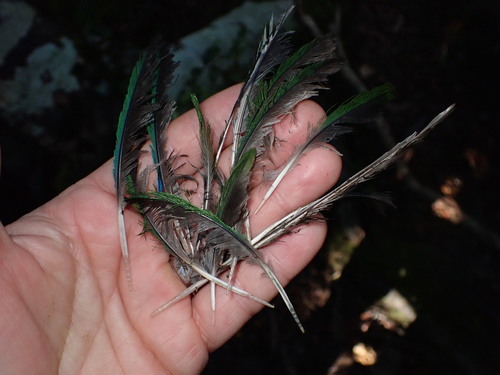 Yellow-crowned Parakeet
 Chatham Islands Parakeet
In breve
La separazione sul campo più affidabile tra il Parrocchetto dalla corona gialla e il Parrocchetto delle Isole Chatham è geografica: il Parrocchetto dalla corona gialla si trova sulle isole principali della Nuova Zelanda e sulle Isole Auckland subantartiche, mentre il Parrocchetto delle Isole Chatham è ristretto alle Isole Chatham. Se visto al di fuori delle Chatham, è un Parrocchetto dalla corona gialla. In apparenza, entrambi sono parrocchetti di un verde brillante con una banda rossa sulla fronte e una corona anteriore gialla, ma la banda rossa del Parrocchetto delle Isole Chatham non raggiunge gli occhi e ha lore verdi, mentre la banda rossa del Parrocchetto dalla corona gialla è più ampia e precede una corona più dorata. Entrambi mostrano bluastro o blu-viola nelle ali in volo. La dimensione del becco è leggermente più grande nei maschi di entrambe le specie, ma questo è sottile. Sul campo, concentrati sulla posizione e sui dettagli del rosso e del giallo sul viso per la separazione.
Consigli di identificazione
- La posizione è decisiva: Se non sei sulle Isole Chatham, stai vedendo un Parrocchetto dalla corona gialla, non un Parrocchetto delle Isole Chatham. Il Parrocchetto delle Isole Chatham è strettamente endemico al gruppo Chatham.
- Forma della banda rossa sulla fronte: Sul Parrocchetto delle Isole Chatham, la banda rossa è più stretta e non raggiunge gli occhi, lasciando le lore verdi. Sul Parrocchetto dalla corona gialla, la banda rossa è più ampia e precede la corona dorata, spesso estendendosi più vicino agli occhi.
- Colore delle lore: Il Parrocchetto delle Isole Chatham mostra lore verdi (tra becco e occhio), che è un segno sottile ma utile se visto bene. Le lore del Parrocchetto dalla corona gialla non sono specificamente descritte come verdi, e la banda rossa può avvicinarsi di più all'occhio.
- Corona anteriore gialla/dorata: Entrambe le specie hanno una corona anteriore gialla o dorata, ma la forma e l'estensione differiscono. Sul Parrocchetto delle Isole Chatham, il giallo è più confinato alla corona anteriore, mentre sul Parrocchetto dalla corona gialla, può apparire più esteso e dorato.
- Rosso sulla coda (solo Chatham): Il Parrocchetto delle Isole Chatham ha del rosso sui lati della coda, che è assente o non descritto per il Parrocchetto dalla corona gialla. Questo è un segno sottile, meglio visto in uccelli posati o in buona luce.
- Colorazione delle ali in volo: Entrambi mostrano bluastro o blu-viola nelle primarie esterne e nelle copritrici delle ali quando le ali sono spiegate. Questo non è un separatore tra i due, ma aiuta a confermare il genere.
- Dimensione e forma del becco: I maschi di entrambe le specie hanno becchi più grandi delle femmine, ma questo è sottile e non è un segno affidabile sul campo a meno che gli uccelli non siano affiancati e sessati.
- Dimorfismo sessuale: Le femmine sono leggermente più piccole e hanno becchi più piccoli in entrambe le specie, ma questo non è un segno forte sul campo.
- Dimensione e struttura: Entrambi sono parrocchetti di dimensioni medie e dalla lunga coda. Il Parrocchetto dalla corona gialla pesa in media circa 46 g; il Parrocchetto delle Isole Chatham è simile ma non misurato precisamente nelle fonti.
- Contesto dell'habitat: Se ti trovi in una foresta alta e ininterrotta sulle isole principali della Nuova Zelanda, è probabile che tu stia vedendo un Parrocchetto dalla corona gialla. Il Parrocchetto delle Isole Chatham si trova solo sulle Isole Chatham.
- Nessuna differenza specifica del pattern delle ali per età: Non ci sono differenze descritte nel pattern delle ali giovanili o immature tra queste due specie. Entrambi dovrebbero apparire simili in volo indipendentemente dall'età.
- Nessuna differenza vocale descritta: Le fonti non forniscono differenze di vocalizzazione, quindi non fare affidamento su richiami o canti per la separazione.
- Trappole: Il maggiore rischio di confusione è in cattività o in foto senza dati di posizione, poiché le differenze nel pattern facciale sono sottili. Sul campo, controlla sempre prima la posizione, poi l'estensione e il posizionamento del rosso e del giallo sul viso.
- Contesto di ibridazione: Il Parrocchetto delle Isole Chatham è minacciato dall'ibridazione con altri parrocchetti nelle Chatham, ma questo non è un problema di separazione sul campo con il Parrocchetto dalla corona gialla, poiché i loro areali non si sovrappongono.
- Suggerimento riassuntivo: Per l'ID sul campo, inizia sempre con la posizione, poi controlla la forma della banda rossa e il colore delle lore. Se la banda rossa è stretta e le lore sono verdi, e sei sulle Isole Chatham, è un Parrocchetto delle Isole Chatham. Se la banda rossa è più ampia e precede una corona dorata, e sei sulle isole principali della NZ, è un Parrocchetto dalla corona gialla.
Taglia
Il Parrocchetto dalla corona gialla pesa in media circa 46 g [wikidata], mentre non è data una massa specifica per il Parrocchetto delle Isole Chatham, ma entrambi sono descritti come parrocchetti di dimensioni medie con lunghe code. I maschi sono più grandi delle femmine in entrambi, con le femmine che hanno becchi proporzionalmente più piccoli. In mano, i maschi del Parrocchetto dalla corona gialla possono apparire un po' più robusti, ma questo non è un segno affidabile sul campo a distanza.
Piumaggio
Entrambe le specie sono di un verde brillante con una banda rossa sulla fronte e una corona anteriore gialla. Per il Parrocchetto delle Isole Chatham (tutte le età), la banda rossa è più stretta, non raggiunge gli occhi e le lore (l'area tra il becco e l'occhio) sono verdi. C'è anche del rosso sui lati della coda. Il giallo sulla corona anteriore è descritto come dorato o giallo, simile al Parrocchetto dalla corona gialla, ma la distribuzione del rosso e del giallo è sottilmente diversa. Nel Parrocchetto dalla corona gialla, la banda rossa è più ampia e precede una corona dorata, e le lore non sono specificamente descritte come verdi. Entrambe le specie mostrano bluastro o blu-viola nelle primarie esterne e nelle copritrici delle ali quando in volo. Non sono notate differenze specifiche del pattern delle ali per età (come pannelli giovanili o bordi posteriori) per nessuna delle due specie nelle fonti disponibili.
Comportamento
Il Parrocchetto dalla corona gialla preferisce la parte superiore della chioma di foreste alte e ininterrotte, spesso rimanendo in alto sugli alberi, mentre il comportamento del Parrocchetto delle Isole Chatham è meno specificamente descritto ma è probabilmente simile come parrocchetto abitante delle foreste. Entrambe le specie sono probabilmente viste foraggiare sugli alberi e muoversi in piccoli gruppi. Non c'è menzione di uno stile di volo distintivo o differenze di jizz tra i due.
Habitat
L'habitat è un forte separatore: il Parrocchetto dalla corona gialla si trova su tutte le isole principali della Nuova Zelanda (Nord, Sud, Stewart) e sulle Isole Auckland, preferendo foreste miste di podocarpi e faggi meridionali, e talvolta prati ad alta quota. Il Parrocchetto delle Isole Chatham è strettamente endemico al gruppo delle Isole Chatham e non si trova altrove. Se non sei sulle Isole Chatham, non stai vedendo un Parrocchetto delle Isole Chatham.
Yellow-crowned Parakeet · Chatham Islands Parakeet · I miei uccelli difficili