

Motmot

アオハウチワドリ 対 セッカ

Prinia flaviventris 対 Cisticola juncidis

アオハウチワドリとセッカのクイズ
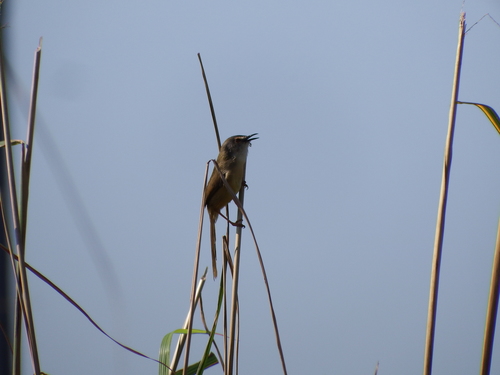
アオハウチワドリ (Prinia flaviventris) アオハウチワドリ
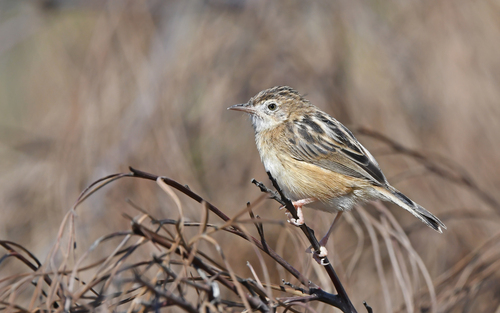
セッカ (Cisticola juncidis) セッカ

メディア

読み込み中…

要点

アオハウチワドリとセッカを区別する最も信頼できるフィールドマークは、アオハウチワドリの明るい黄色の腹部の存在であり、セッカのより縞模様のある土色の腹部と特徴的な赤褐色の尾羽と対照的です。セッカはまた、白い先端を持つ茶色の尾羽を示し、襟には金色や黄色がありませんが、アオハウチワドリは全体的に上面と下面が地味で、黄色の腹部を除いては目立ちません。両者は草地の小さく活発なウグイスですが、セッカの尾羽と飛行のディスプレイは、よく見れば特徴的です。未成熟や非繁殖の鳥は特に混乱を招くことがあるため、最も信頼できる区別のためには腹部の色と尾羽の模様に注目してください。

識別のコツ

  1. 黄色の腹部: アオハウチワドリだけがすべての羽衣で明るい黄色の腹部を示し、セッカは黄色のない淡い縞模様の腹部を持っています。これは最も信頼できるフィールドマークです。
  2. 赤褐色の尾羽: セッカは常に赤褐色の尾羽を示し、飛行中や尾羽が立てられたときに見えますが、アオハウチワドリにはこの特徴がありません。
  3. 尾羽の模様: セッカは白い先端を持つ茶色の尾羽を持ち、特に扇状に広げたり飛行中に目立ちます。アオハウチワドリの尾羽は地味で白い先端がありません。
  4. 襟/首の色: セッカは襟や首に金色や黄色がなく、アオハウチワドリは腹部から上に伸びる黄色がかった洗いが見られることがあります。
  5. 上面の縞模様: セッカは上面が縞模様で土色ですが、アオハウチワドリは背中が地味で模様が少ないです。
  6. 飛行のディスプレイ: ジグザグの飛行をしながら定期的に「ジット」と呼ぶ声を出す鳥を見たら、それはセッカです。アオハウチワドリはこのようにディスプレイしません。
  7. 止まっている行動: アオハウチワドリは低い植生や葦の中を移動しているのが見られることが多いですが、セッカは特にディスプレイ中に露出した草の茎に止まることが多いです。
  8. 生息地の文脈: 非常に開けた乾燥した草地ではセッカの方が見られる可能性が高く、湿った葦の多い場所や茂みの多い場所ではアオハウチワドリが見られることが多いですが、重複することもあります。
  9. 鳴き声: セッカの機械的で反復的な「ジット」の歌声を聞いてください。特に飛行中に出される場合は強い指標です。アオハウチワドリの歌声はここでは説明されていないので、声だけに頼る場合は注意してください。
  10. 尾羽の長さと形: 両者は小さく短い尾羽を持っていますが、セッカの尾羽はより丸みを帯びて見えることがあり、しばしば扇状に広げられ、白い先端を示します。
  11. 季節と年齢: 幼鳥や非繁殖の鳥は混乱を招くことがありますが、アオハウチワドリの黄色の腹部は年中存在し、すべての年齢で見られます。セッカは下に黄色を示すことはありません。
  12. 亜種の変異: セッカは歌声や羽衣のわずかな違いに地域的な変異を示しますが、赤褐色の尾羽と尾羽の模様は亜種間で一貫しています。
  13. 落とし穴: 照明が悪いと、アオハウチワドリの黄色の腹部が淡いまたは白っぽく見えることがあります—良い光の中で明確な視界を得るようにしてください。摩耗したり換羽中の鳥には注意が必要ですが、セッカの尾羽の模様と尾羽の色は信頼できます。
  14. サイズ: 両種は非常に小さく、サイズが似ています; サイズを区別に使わないでください。
  15. 地域の豊富さ: 一部の地域では、一方の種が他方よりもはるかに一般的である場合があります。eBirdや地域のチェックリストを使用して期待を設定しますが、常にフィールドマークで確認してください。

大きさ

アオハウチワドリは非常に小さく、体重は約7.6gです [wikidata]。セッカも同様に小さいですが、比較のための直接的な体重の数値は提供されていません。フィールドでは、両者は同様に小さく見え、サイズはこれら二種を区別する信頼できる要素ではありません。

羽色

幼鳥や非繁殖のアオハウチワドリは、腹部に黄色がかった洗いを保持しており、これはすべての年齢のセッカにはありません。セッカは年齢や季節に関係なく、赤褐色の尾羽と白い先端を持つ茶色の尾羽を示し、特に飛行中や尾羽が扇状に広げられたときに目立ちます。セッカの上面は縞模様で土色ですが、アオハウチワドリは上面が地味です。どちらの種にも特定の年齢に特有の上翼の模様は記載されていないため、腹部の色と尾羽の模様に注目してください。繁殖期には、セッカのオスはそのディスプレイ行動のためにより目立つことがありますが、基本的な羽衣のコントラストは年中一貫しています。

行動

セッカはその目立つ飛行ディスプレイでよく知られています: オスは草地の上をジグザグに飛びながら、定期的に「ジット」と呼ぶ声を出します。この行動は観察された場合、ユニークで診断的です。アオハウチワドリはより隠れがちで、通常は低い植生の中を移動し、空中ディスプレイを行う可能性は低いです。両種は活発で落ち着きがありませんが、セッカの飛行ディスプレイは強い行動の手がかりです。

生息環境

両種は草地や低木の生息地を好みますが、セッカは特に乾燥した農業地域の開けた草地に厳密に関連しています。アオハウチワドリは湿った草地、葦原、時には茂みの多い場所を含むより広範な生息地で見られます。重複することもあるため、生息地だけでは診断できませんが、非常に開けた乾燥した草地にいる鳥はセッカである可能性が高いです。

声

セッカはその歌声にちなんで名付けられています: 一連の均等に間隔を空けた「ジット」の音符で、しばしば飛行中に出されます。東アジアでは、一部の個体群が「ダブルジット」のパターンを出しますが、基本的な「ジット」の呼び声は広く分布しています。アオハウチワドリの鳴き声は提供されたメモには記載されていないため、飛行中の定期的で機械的な「ジット」の歌声の存在はセッカの強い指標です。

より良い説明を送る

比較と同じ項目を使ってください。文章はすぐに公開されます。

The most reliable field mark to separate Yellow-bellied Prinia from Zitting Cisticola is the presence of a bright yellow belly in the prinia, versus the cisticola’s more streaked, earth-toned underparts and distinctive rufous rump. Zitting Cisticola also shows a brownish tail with white tips and lacks any gold or yellow on the collar, while Yellow-bellied Prinia is overall plainer above and below except for its yellow belly. Both are small, active warblers of grassy habitats, but the cisticola’s tail and flight display are distinctive if seen well. Immature and non-breeding birds can be especially confusing, so focus on underpart color and tail pattern for the most reliable separation.

  1. Yellow belly: Only Yellow-bellied Prinia shows a bright yellow belly in all plumages; Zitting Cisticola has pale, streaked underparts without yellow. This is the single most reliable field mark.
  2. Rufous rump: Zitting Cisticola always shows a rufous rump, visible in flight or when the tail is cocked; Yellow-bellied Prinia lacks this feature.
  3. Tail pattern: Zitting Cisticola has a brownish tail with white tips, especially visible when fanned or in flight. Prinia’s tail is plainer and lacks white tips.
  4. Collar/neck color: Zitting Cisticola lacks any gold or yellow on the collar or neck, while Yellow-bellied Prinia may show some yellowish wash extending up from the belly.
  5. Upperpart streaking: Zitting Cisticola is streaked and earth-toned above, while Yellow-bellied Prinia is plainer and less patterned on the back.
  6. Flight display: If you see a bird performing a zigzagging flight with regular 'zit' calls, it is a Zitting Cisticola. Yellow-bellied Prinia does not display this way.
  7. Perched behavior: Prinia is more likely to be seen moving through low vegetation or reeds, while cisticola often perches on exposed grass stems, especially during display.
  8. Habitat context: In very open, dry grasslands, Zitting Cisticola is more likely; in wetter, reedier, or bushier areas, Yellow-bellied Prinia is more expected, though overlap occurs.
  9. Vocalization: Listen for the mechanical, repetitive 'zit' song of the cisticola, especially if given in flight. Prinia’s song is not described here, so use caution if relying on voice alone.
  10. Tail length and shape: While both are small and short-tailed, the cisticola’s tail may appear more rounded and is often fanned, showing the white tips.
  11. Season and age: Juvenile and non-breeding birds can be confusing, but the yellow belly of the prinia is present year-round and in all ages; cisticola never shows yellow below.
  12. Subspecies variation: Zitting Cisticola shows some regional variation in song and slight plumage differences, but the rufous rump and tail pattern are consistent across subspecies.
  13. Pitfalls: In poor light, the yellow belly of the prinia may look pale or whitish—try to get a clear view in good light. Beware of worn or molting birds, but the tail pattern and rump color of cisticola remain reliable.
  14. Size: Both species are extremely small and similar in size; do not use size for separation.
  15. Local abundance: In some regions, one species may be much more common than the other. Use eBird or local checklists to set expectations, but always confirm with field marks.

Yellow-bellied Prinia is extremely small, with a body mass of about 7.6g [wikidata]. Zitting Cisticola is similarly tiny, but no direct mass figure is provided for comparison. In the field, both appear equally diminutive and size is not a reliable separator between these two species.

Juvenile and non-breeding Yellow-bellied Prinia retain the yellowish wash on the belly, which is absent in all ages of Zitting Cisticola. Zitting Cisticola, regardless of age or season, shows a rufous rump and a brownish tail with white tips, which is especially visible in flight or when the tail is fanned. The cisticola’s upperparts are streaked and earth-toned, while the prinia is plainer above. No distinctive age-specific upperwing patterns are noted for either species, so focus on underpart color and tail pattern. During the breeding season, Zitting Cisticola males may appear more striking due to their display behavior, but the basic plumage contrasts remain consistent year-round.

Zitting Cisticola is well known for its conspicuous flight display: males fly in a zigzag pattern above grasslands, giving regular 'zit' calls. This behavior is unique and diagnostic if observed. Yellow-bellied Prinia is more skulking, typically moving through low vegetation and less likely to perform aerial displays. Both species are active and restless, but the cisticola’s flight display is a strong behavioral clue.

Both species favor grassy or shrubby habitats, but Zitting Cisticola is more strictly associated with open grasslands, especially in drier or agricultural areas. Yellow-bellied Prinia is found in a wider range of habitats including wet grasslands, reedbeds, and sometimes scrubby edges. Overlap is possible, so habitat alone is not diagnostic, but a bird in very open, dry grassland is more likely to be a cisticola.

Zitting Cisticola is named for its song: a series of evenly spaced 'zit' notes, often given in flight. In eastern Asia, some populations give a 'double zit' pattern, but the basic 'zit' call is widespread. Yellow-bellied Prinia’s vocalizations are not described in the provided notes, so the presence of a regular, mechanical 'zit' song in flight is a strong indicator of Zitting Cisticola.

変更を破棄しますか?

保存していない編集があります。今離れると失われます。

アオハウチワドリ · セッカ · 苦手な鳥