

Motmot

キバラシラギクタイランチョウ 対 ミヤマキクタイランチョウ

Elaenia flavogaster 対 Elaenia frantzii

キバラシラギクタイランチョウとミヤマキクタイランチョウのクイズ
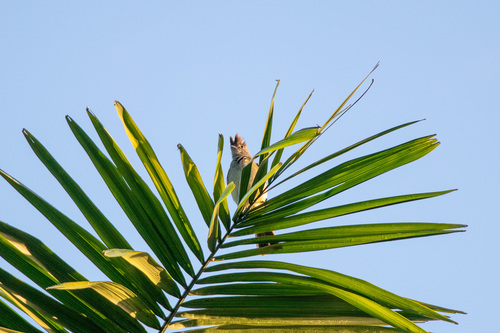
キバラシラギクタイランチョウ (Elaenia flavogaster) キバラシラギクタイランチョウ
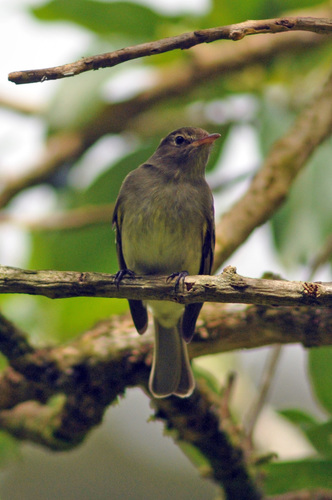
ミヤマキクタイランチョウ (Elaenia frantzii) ミヤマキクタイランチョウ

メディア

読み込み中…

要点

キバラシラギクタイランチョウとミヤマキクタイランチョウを区別するための最良のフィールドマークは、キバラシラギクタイランチョウの腹部、特に腹部の明るく広範囲にわたる黄色です。これに対して、ミヤマキクタイランチョウの腹部はより淡いストローイエローで、上胸部はオリーブ色がかっています。両種は2本の淡い翼帯と部分的に隠れた白い冠斑を示しますが、キバラシラギクタイランチョウはより大きく、ふさふさした冠羽と対照的な顔模様を持っています。ミヤマキクタイランチョウは小さく、丸い冠羽、灰色がかったオリーブ色の上面、そしてあまり明確でない顔の対比を持っています。幼鳥のミヤマキクタイランチョウは成鳥よりも上面が茶色がかり、下面が淡いですが、この違いはフィールドでは微妙です。生息地と標高も役立ちます:キバラシラギクタイランチョウはより低く、開けた多様な生息地に見られ、一方でミヤマキクタイランチョウは高い標高の雲霧林やその縁を好みます。

識別のコツ

  1. Underpart color: キバラシラギクタイランチョウは明らかに明るく、広範囲にわたる黄色の腹部を示し、距離があっても明らかです。ミヤマキクタイランチョウの腹部は淡く、ストローイエローの腹部とオリーブ色がかる上胸部と側面を持っています。
  2. Crest shape: キバラシラギクタイランチョウはふさふさした、しばしばトゲトゲした冠羽を持ち、頻繁に立ち上がり、時には白い中央のストライプを見せます。ミヤマキクタイランチョウの冠羽はより丸く、目立たず、通常は隠れている白い冠斑を持っています。
  3. Face pattern: キバラシラギクタイランチョウは目立つ白いロアと淡い白いアイリングを持つ淡い茶色がかったオリーブ色の顔を持ち、より対照的な顔の外観を与えます。ミヤマキクタイランチョウの顔は対照が少なく、明るい頬と非常に淡いオリーブ色のアイリングを持っています。
  4. Upperparts: キバラシラギクタイランチョウは上面が茶色がかったオリーブ色ですが、ミヤマキクタイランチョウは灰色がかったオリーブ色です(時には一部の亜種ではより茶色がかることがあります)。これは微妙ですが、良い光の下では役立ちます。
  5. Wing bars: 両種は2本の淡い翼帯を持っていますが、キバラシラギクタイランチョウではこれらは黄白色で、ミヤマキクタイランチョウでは黄緑色がかったオリーブ色です。この違いはわずかで、悪い光の下では信頼性が低いことがよくあります。
  6. Wing edges: 飛行羽の縁はキバラシラギクタイランチョウでは黄白色で、ミヤマキクタイランチョウではオリーブ色がかった黄色または淡いオリーブ色です。これは微妙なマークで、近距離で最もよく見えます。
  7. Tail: キバラシラギクタイランチョウの尾は背中よりもやや暗いですが、ミヤマキクタイランチョウの尾は灰色がかった茶色で淡いオリーブ色の緑の縁を持っています。尾の色はフィールドでは診断的であることは稀です。
  8. Bill color: 両種は暗いくちばしを持っていますが、ミヤマキクタイランチョウはオレンジ色の下顎を持ち、先端は暗い茶色です。一方、キバラシラギクタイランチョウのくちばしは黒く、下顎の基部は淡いです。これは非常に近い距離でのみ見えます。
  9. Juvenile ミヤマキクタイランチョウ: 幼鳥は成鳥よりも上面が茶色がかり、下面が淡いですが、これは強いフィールドマークではなく、キバラシラギクタイランチョウの明るい黄色の腹部とは重ならない。
  10. Size and structure: キバラシラギクタイランチョウはより大きく、よりがっしりしており、体が長く、より目立つ冠羽を持っています。ミヤマキクタイランチョウはより小さく、よりコンパクトで、頭部のプロファイルが丸いです。
  11. Habitat and elevation: 低地の開けたまたは半開けた生息地、特に1,000 m以下で見られた場合、キバラシラギクタイランチョウの方がはるかに可能性が高いです。1,200 m以上の高地の雲霧林や森林の縁では、ミヤマキクタイランチョウが期待されます。
  12. Behavior: キバラシラギクタイランチョウはしばしばより目立つ場所に止まり、頻繁に冠羽を立てることがあります。ミヤマキクタイランチョウは中層から上層の樹冠で見られることが多く、目立たないことがあります。
  13. Subspecies variation: キバラシラギクタイランチョウの一部の亜種(例:E. f. subpagana)は、さらに下部が黄色がかり、ミヤマキクタイランチョウの一部の亜種(例:E. f. ultima)は上面が茶色がかり、下面が暗いですが、腹部の対比は信頼できます。
  14. Sex and season: 両種は性的に単形であり、強い季節的な羽毛の変化を示さないため、これらのマークは年間を通じて有効であり、両性に適用されます。
  15. Pitfalls: 悪い光の下では、キバラシラギクタイランチョウの黄色い腹部がより淡く見えることがあり、ミヤマキクタイランチョウは実際よりも黄色がかって見えることがあります。最良の結果を得るためには、腹部の色を冠羽の形、顔の模様、生息地と組み合わせて常に確認してください。

大きさ

キバラシラギクタイランチョウは明らかに大きく、体長は15–17 cm、平均体重は24 gであるのに対し、ミヤマキクタイランチョウは14–15 cmで体重は14–24 gです。サイズの違いは微妙ですが、直接比較すると明らかで、キバラシラギクタイランチョウはよりがっしりして長く見えます。両種は全体的な比率は似ていますが、キバラシラギクタイランチョウはより頑丈に見え、ふさふさした冠羽を持ち、ミヤマキクタイランチョウはよりコンパクトで丸い冠羽を持っています。

羽色

どちらの種にも年齢特有の上翼パターンは記載されていませんが、両種は翼覆の先端によって形成された2本の淡い翼帯を示します。成鳥のキバラシラギクタイランチョウは茶色がかったオリーブ色の上面と部分的に隠れた白いストライプを持つふさふさした冠羽、白いロアと淡いアイリングを持つ淡い茶色がかったオリーブ色の顔、明るい黄色から淡い黄色の腹部を持っています。ミヤマキクタイランチョウの成鳥は灰色がかったオリーブ色の上面、ほとんど隠れた白い冠斑を持つ丸い冠羽、明るい頬、非常に淡いオリーブ色のアイリング、淡い黄色がかったオリーブ色の顎、喉、側面を持ち、下胸部と腹部は淡いストローイエローです。幼鳥のミヤマキクタイランチョウは成鳥よりも上面が茶色がかり、下面が淡いですが、その他は似ています。両種は淡い縁を持つ暗い翼と2本の翼帯を持っていますが、翼の縁はキバラシラギクタイランチョウではより黄白色で、ミヤマキクタイランチョウではオリーブ色がかった黄色です。キバラシラギクタイランチョウの尾は背中よりもやや暗いですが、ミヤマキクタイランチョウの尾は灰色がかった茶色で淡いオリーブ色の緑の縁を持っています。

行動

両種は典型的なタイランフライキャッチャーであり、しばしば止まり木から飛び出して昆虫を捕まえます。キバラシラギクタイランチョウは開けたまたは半開けた地域で見られる可能性が高く、時には庭や公園で見られ、明るい羽毛と冠羽を立てる行動のためにより大胆で目立つことがあります。ミヤマキクタイランチョウは雲霧林や森林の縁の中層から上層で見られることが多く、より内気または控えめに見えることがあります。

生息環境

キバラシラギクタイランチョウは生息地の一般主義者であり、乾燥した環境から湿潤な環境まで、開けた森林、サバンナ、低木、二次成長、森林の縁、さらには郊外の公園や庭に見られ、地域に応じて海面から2,400 mまで生息します。密な森林の内部は避けます。ミヤマキクタイランチョウはより高い標高(通常1,200–3,000 m)に制限され、中央アメリカとアンデスの雲霧林、マツ・オークの森林、森林の縁を好みます。南アメリカでは、開けた森林、散在する木々のある牧草地、コーヒー農園にも生息しますが、一般的にはキバラシラギクタイランチョウよりも高い標高で見られます。

より良い説明を送る

比較と同じ項目を使ってください。文章はすぐに公開されます。

The best field mark to separate Yellow-bellied Elaenia from Mountain Elaenia is the brighter, more extensive yellow on the underparts of Yellow-bellied Elaenia, especially on the belly, compared to the paler, straw-yellow lower underparts and more olive-tinged upper breast of Mountain Elaenia. Both species show two pale wing bars and a partially hidden white crown patch, but Yellow-bellied Elaenia is larger, with a bushier crest and a more contrasting face pattern. Mountain Elaenia is smaller, with a rounder crest, grayer-olive upperparts, and a less distinct facial contrast. Juvenile Mountain Elaenia are browner above and paler below than adults, but this difference is subtle in the field. Habitat and elevation can also help: Yellow-bellied Elaenia is found in lower, more open and varied habitats, while Mountain Elaenia prefers higher elevation cloud forests and edges.

  1. Underpart color: Yellow-bellied Elaenia shows a distinctly brighter and more extensive yellow belly, often obvious even at a distance. Mountain Elaenia's underparts are paler, with a straw-yellow belly and more olive-tinged upper breast and flanks.
  2. Crest shape: Yellow-bellied Elaenia has a bushy, often spiky crest that is frequently raised, sometimes revealing a white central stripe. Mountain Elaenia's crest is more rounded and less prominent, with a white crown patch that is usually hidden.
  3. Face pattern: Yellow-bellied Elaenia has a pale brownish olive face with noticeable whitish lores and a faint whitish eyering, giving a more contrasting facial appearance. Mountain Elaenia's face is less contrasting, with lighter cheeks and a thin, very pale olive eyering.
  4. Upperparts: Yellow-bellied Elaenia is brownish olive above, while Mountain Elaenia is grayer-olive (sometimes browner in some subspecies), which can be subtle but is useful in good light.
  5. Wing bars: Both species have two pale wing bars, but in Yellow-bellied Elaenia these are yellowish white, while in Mountain Elaenia they are yellowish olive. This difference is slight and often unreliable in poor light.
  6. Wing edges: The edges of the flight feathers are yellowish white in Yellow-bellied Elaenia and olive-yellow or pale olive in Mountain Elaenia. This is a subtle mark, best seen at close range.
  7. Tail: Yellow-bellied Elaenia's tail is slightly duskier than its back; Mountain Elaenia's tail is grayish brown with pale olive-green edges. Tail color is rarely diagnostic in the field.
  8. Bill color: Both have dark bills, but Mountain Elaenia has an orange mandible with a dark brown tip, while Yellow-bellied Elaenia's bill is black with a paler base to the mandible. This is only visible at very close range.
  9. Juvenile Mountain Elaenia: Juveniles are browner above and paler below than adults, but this is not a strong field mark and does not overlap with Yellow-bellied Elaenia's brighter yellow underparts.
  10. Size and structure: Yellow-bellied Elaenia is larger and bulkier, with a longer body and more prominent crest. Mountain Elaenia is smaller and more compact, with a rounder head profile.
  11. Habitat and elevation: If seen in lowland open or semi-open habitats, especially below 1,000 m, Yellow-bellied Elaenia is much more likely. In highland cloud forest or forest edge above 1,200 m, Mountain Elaenia is expected.
  12. Behavior: Yellow-bellied Elaenia often perches more conspicuously and may raise its crest frequently. Mountain Elaenia is more likely to be seen in the mid- to upper canopy and may be less conspicuous.
  13. Subspecies variation: Some subspecies of Yellow-bellied Elaenia (e.g., E. f. subpagana) are even yellower below, while some Mountain Elaenia subspecies (e.g., E. f. ultima) are browner above and darker below, but the underpart contrast remains reliable.
  14. Sex and season: Both species are sexually monomorphic and do not show strong seasonal plumage changes, so these marks are valid year-round and for both sexes.
  15. Pitfalls: In poor light, the yellow belly of Yellow-bellied Elaenia can look paler, and Mountain Elaenia may appear yellower than it is. Always combine underpart color with crest shape, face pattern, and habitat for best results.

Yellow-bellied Elaenia is distinctly larger, measuring 15–17 cm in length and averaging 24 g in mass, while Mountain Elaenia is 14–15 cm and weighs 14–24 g. The size difference is subtle but can be apparent in direct comparison, with Yellow-bellied Elaenia appearing bulkier and longer. Both species are similar in overall proportions, but Yellow-bellied Elaenia tends to look more robust and has a bushier crest, while Mountain Elaenia is more compact with a rounded crest.

No age-specific upperwing pattern is described for either species, but both show two pale wing bars formed by tips to the wing coverts. In adults, Yellow-bellied Elaenia has brownish olive upperparts and a bushy crest with a partially concealed white stripe, a pale brownish olive face with whitish lores and a faint eyering, and a bright yellow to pale yellow belly. Mountain Elaenia adults have grayish olive upperparts, a rounded crest with a mostly hidden white crown patch, lighter cheeks, a very pale olive eyering, and a pale yellowish olive chin, throat, and flanks, with the lower breast and belly a pale straw yellow. Juvenile Mountain Elaenia are browner above and paler below than adults, but otherwise similar. Both species have dusky wings with pale edges and two wing bars, but the wing edges are more yellowish white in Yellow-bellied Elaenia and olive-yellow in Mountain Elaenia. The tail of Yellow-bellied Elaenia is slightly duskier than the back, while Mountain Elaenia's is grayish brown with pale olive-green edges.

Both species are typical tyrant flycatchers, often sallying from perches to catch insects. Yellow-bellied Elaenia is more likely to be seen in open or semi-open areas, sometimes in gardens or parks, and may appear bolder and more conspicuous due to its brighter plumage and crest-raising behavior. Mountain Elaenia is more often found in the mid- to upper canopy of cloud forests or forest edges, and may appear shyer or more retiring.

Yellow-bellied Elaenia is a habitat generalist, found from arid to humid environments, in open woodlands, savannas, scrub, secondary growth, forest edges, and even suburban parks and gardens, from sea level up to 2,400 m depending on region. It avoids dense forest interiors. Mountain Elaenia is more restricted to higher elevations (typically 1,200–3,000 m), favoring cloud forests, pine-oak forests, and forest edges in Central America and the Andes. In South America, it also occurs in open woodlands, pastures with scattered trees, and coffee plantations, but generally at higher elevations than Yellow-bellied Elaenia.

変更を破棄しますか?

保存していない編集があります。今離れると失われます。

キバラシラギクタイランチョウ · ミヤマキクタイランチョウ · 苦手な鳥