

Motmot

タカブシギ 対 アオアシシギ

Tringa glareola 対 Tringa nebularia

タカブシギとアオアシシギのクイズ
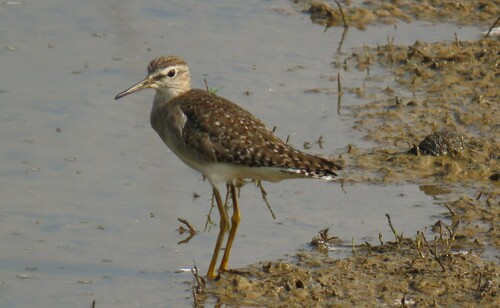
タカブシギ (Tringa glareola) タカブシギ
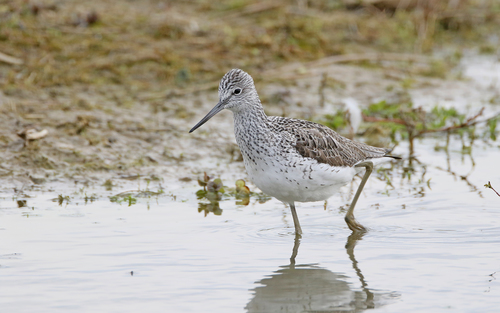
アオアシシギ (Tringa nebularia) アオアシシギ

メディア

読み込み中…

要点

ウッドサンドパイパーとアオアシシギを区別する最も信頼できる方法は、サイズと構造です:ウッドサンドパイパーははるかに小さく、より繊細で、短くて細いくちばしと長い黄褐色の脚を持っていますが、アオアシシギはより大きく、長くてわずかに上向きのくちばしと緑がかった脚を持っています。飛行中は、尻と背中のパターンに注目してください:ウッドサンドパイパーは小さく、対照的でない白い尻の斑点を示しますが、アオアシシギは背中に目立つ白い三角形を示します。両種は鈍い光や距離があると似て見えることがありますが、くちばしの形、脚の色、飛行パターンに注意を払うことで、特に幼鳥の場合は通常、識別が可能です。生息地の重複は一般的なので、場所だけに頼らないでください。

識別のコツ

  1. サイズ: アオアシシギはウッドサンドパイパーよりもはるかに大きく、重いです。両種が存在する場合や、スケールのために馴染みのある種と一緒にいるときにこれを利用してください。
  2. くちばしの形: ウッドサンドパイパーは短く、細く、まっすぐなくちばしを持っています;アオアシシギのくちばしは長く、太い基部があり、わずかに上向きで、灰色の基部があります。これは中距離で信頼できます。
  3. 脚の色: ウッドサンドパイパーの脚は黄褐色です;アオアシシギの脚は緑がかった色です。泥だらけの脚や光が悪い場合に注意してください。
  4. 飛行中の尻/背中のパターン: すべての年齢において、ウッドサンドパイパーは小さく、対照的でない白い尻の斑点を示します;アオアシシギは背中に目立つ白い三角形を持っています。これは飛行中の最も良い特徴です。
  5. 胸と首の斑点(幼鳥): 幼鳥/未成熟のウッドサンドパイパーは胸と首にぼんやりとした茶色の斑点を示します;アオアシシギはより単純で、繁殖羽衣では粗い、暗い胸のパターンを持っています。
  6. 上面のパターン: ウッドサンドパイパーは上面が淡い茶色で、より暗いまだら模様やいくつかの斑点があります;アオアシシギは茶色(繁殖期)または灰色がかった茶色(非繁殖期)で、斑点が少なく、より均一な色合いです。
  7. 脚の長さと構造: ウッドサンドパイパーはそのサイズに対して脚が長く見え、優雅で繊細です;アオアシシギは頑丈で、体重に対して相対的に短い脚を持っています。
  8. 飛行中の印象: ウッドサンドパイパーはひらひらして軽やかです;アオアシシギは強く、直接的です。
  9. 採餌行動: ウッドサンドパイパーは水辺で優雅に採餌します;アオアシシギはより深く水に浸かり、より安定して動きます。
  10. くちばしの基部の色: アオアシシギのくちばしは灰色の基部を持ち、特に近距離で明らかです;ウッドサンドパイパーのくちばしはすべて暗いです。
  11. 声: フルーティーなテウテウテウが聞こえたら、それはアオアシシギです。ウッドサンドパイパーの鳴き声はここでは説明されていません。
  12. 生息地: 両種は淡水の専門家ですが、アオアシシギは塩水域を含むより広範な湿地で見られることがあります。これだけに頼らないでください。
  13. 落とし穴—距離と光: 遠距離や光が悪い場合、サイズやくちばしの形を判断するのが難しいことがあります;可能であれば飛行中の尻/背中のパターンに頼ってください。
  14. 落とし穴—泥だらけの脚: 脚の色は泥で隠されることがあります;常に複数の特徴を確認してください。
  15. 強い性差はない: 両種の両性は似て見えます;年齢と季節が識別においてより重要です。

大きさ

ウッドサンドパイパーははるかに小さく、平均体重は67.5gで、アオアシシギの173gと比較されます。このサイズの差は混合群れや並んでいるときに明らかです:ウッドサンドパイパーはより優雅に見え、より細い体型とそのサイズに対して相対的に長い脚を持っています。アオアシシギは頑丈で、背が高く、体重が重く、明らかに長いくちばしと首を持っています。

羽色

すべての年齢において、最も目立つ飛行中の特徴は尻と背中です:ウッドサンドパイパー(成鳥と幼鳥)は小さく、対照的でない白い尻の斑点を示しますが、アオアシシギはどの年齢でも背中に目立つ白い三角形を持ち、飛行中に見えます。幼鳥と未成熟のウッドサンドパイパーは胸と首にぼんやりとした茶色の斑点を持ち、より淡い茶色の上面により暗いまだら模様があり、アオアシシギの鮮明で暗い模様が欠けています。繁殖羽衣のアオアシシギは上面が茶色で、粗い模様の暗い胸と肩や背中に多くの黒があります;冬には、上面はより単純な灰色がかった茶色になります。両種は淡い腹部を持っていますが、アオアシシギの上面は常にウッドサンドパイパーよりも単純で斑点が少ないです。脚の色も役立ちます:ウッドサンドパイパーは黄褐色の脚を持ち、アオアシシギは緑がかった脚を持っています。くちばしの色と形は異なります:ウッドサンドパイパーのくちばしは短くて細く、アオアシシギのくちばしは長く、太い基部があり、わずかに上向きで灰色の基部を持っています。

行動

両種は浅い水や泥を探って無脊椎動物を採餌しますが、アオアシシギは小魚や両生類も捕まえることがあります。ウッドサンドパイパーはしばしばより活発で優雅に見え、水辺で優雅に採餌しますが、アオアシシギはより安定した、目的のある歩き方で、しばしばより深く水に浸かります。飛行中、ウッドサンドパイパーは軽やかでひらひらしていますが、アオアシシギは強く、直接的です。

生息環境

両種は淡水および湿地環境に見られ、しばしば一緒にいます。ウッドサンドパイパーは浅い湖岸、湿地、川岸を好み、他のシギよりも塩水や沿岸生息地にいる可能性は低いです。アオアシシギも淡水の専門家ですが、塩水湿地や河口を含むより広範な湿地で見られることがあります。生息地だけでは、彼らの分布が重なる場所では診断的ではありません。

声

アオアシシギは特徴的な鳴き声を持っています:3つの短いフルーティーな音(テウテウテウ)の急速な連続で、大きくて遠くまで響きます。ウッドサンドパイパーの鳴き声はメモに記載されていないため、鳴き声はアオアシシギの識別にのみ役立ちます。

より良い説明を送る

比較と同じ項目を使ってください。文章はすぐに公開されます。

The most reliable way to separate Wood Sandpiper from Common Greenshank is by size and structure: Wood Sandpiper is much smaller and more delicate, with a shorter, finer bill and longer yellowish legs, while Greenshank is bulkier, with a long, slightly upturned bill and greenish legs. In flight, look for the rump and back pattern: Wood Sandpiper shows a small, less-contrasting white rump patch, whereas Greenshank displays a prominent white wedge up the back. Both species can appear similar in dull light or at a distance, but careful attention to bill shape, leg color, and flight pattern will usually clinch the ID, especially for immatures. Habitat overlap is common, so do not rely on location alone.

  1. Size: Greenshank is much larger and heavier than Wood Sandpiper. Use this when both species are present or with familiar species for scale.
  2. Bill shape: Wood Sandpiper has a short, fine, straight bill; Greenshank's bill is long, thick-based, and slightly upturned, with a grey base. This is reliable at moderate range.
  3. Leg color: Wood Sandpiper's legs are yellowish; Greenshank's are greenish. Beware muddy legs or poor light.
  4. Flight rump/back pattern: In all ages, Wood Sandpiper shows a small, less-contrasting white rump patch; Greenshank has a bold white wedge up the back. This is the best mark in flight.
  5. Breast and neck spotting (immatures): Juvenile/immature Wood Sandpiper shows diffuse brownish spots on the breast and neck; Greenshank is plainer or has a coarser, darker breast pattern in breeding plumage.
  6. Upperpart pattern: Wood Sandpiper is light brown above with darker mottling and some spotting; Greenshank is brown (breeding) or grey-brown (non-breeding), with less spotting and more uniform color.
  7. Leg length and structure: Wood Sandpiper appears long-legged for its size, dainty, and delicate; Greenshank is robust, with proportionally shorter legs for its bulk.
  8. Jizz in flight: Wood Sandpiper is fluttery and light; Greenshank is strong and direct.
  9. Foraging behavior: Wood Sandpiper picks delicately at the water's edge; Greenshank wades deeper and moves more steadily.
  10. Bill base color: Greenshank's bill has a grey base, especially obvious at close range; Wood Sandpiper's is all dark.
  11. Voice: If you hear a fluty teu-teu-teu, it's Greenshank. Wood Sandpiper's call is not described here.
  12. Habitat: Both are freshwater specialists, but Greenshank can occur in a wider range of wetlands, including brackish areas. Do not rely on this alone.
  13. Pitfall—distance and light: At long range or in poor light, size and bill shape may be hard to judge; rely on flight rump/back pattern if possible.
  14. Pitfall—muddy legs: Leg color can be obscured by mud; always check multiple features.
  15. No strong sexual dimorphism: Both sexes look similar in both species; age and season are more important for ID.

Wood Sandpiper is significantly smaller, with an average body mass of 67.5g compared to the Greenshank's 173g. This size gap is obvious in mixed flocks or side-by-side: Wood Sandpiper appears daintier, with a finer build and proportionally longer legs for its size. Greenshank is robust, taller, and heavier-bodied, with a noticeably longer bill and neck.

For all ages, the most telling flight mark is the rump and back: Wood Sandpiper (adult and immature) shows a small, less-contrasting white rump patch, while Common Greenshank of any age has a bold white wedge running up the back, visible in flight. Juvenile and immature Wood Sandpipers have diffuse brownish spots on the breast and neck and a subdued, light-brown upperpart with darker mottling, lacking the crisp, dark patterning of Greenshank. Greenshank in breeding plumage is brown above with a coarsely marked, dark breast and much black on the shoulders and back; in winter, it is plainer grey-brown above. Both species have pale underparts, but Greenshank's upperparts are always plainer and less spotted than Wood Sandpiper's. Leg color is also useful: Wood Sandpiper has yellowish legs, while Greenshank's are greenish. Bill color and shape differ: Wood Sandpiper's bill is short and fine, Greenshank's is long, thick-based, and slightly upturned with a grey base.

Both species forage by probing in shallow water or mud for invertebrates, but Greenshank may also take small fish and amphibians. Wood Sandpiper often appears more active and dainty, picking delicately along the water's edge, while Greenshank moves with a steadier, more purposeful gait, often wading deeper. In flight, Wood Sandpiper is lighter and more fluttery, while Greenshank is strong and direct.

Both species are found in freshwater and wetland environments, often together. Wood Sandpiper prefers shallow lakeshores, marshes, and riverbanks, and is less likely on saltwater or coastal habitats than some other shanks. Greenshank is also a freshwater specialist but can be found in a wider range of wet habitats, including brackish marshes and estuaries. Habitat alone is not diagnostic where their ranges overlap.

Greenshank has a distinctive call: a rapid series of three short, fluty notes (teu-teu-teu), which is loud and carries far. Wood Sandpiper's call is not described in the notes, so vocalization is only diagnostic for Greenshank when heard.

変更を破棄しますか?

保存していない編集があります。今離れると失われます。

タカブシギ · アオアシシギ · 苦手な鳥