

Motmot

カラフトライチョウ 対 クロライチョウ

Lagopus lagopus 対 Lyrurus tetrix

カラフトライチョウとクロライチョウのクイズ
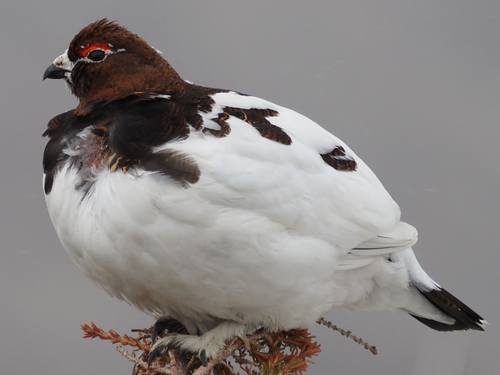
カラフトライチョウ (Lagopus lagopus) カラフトライチョウ
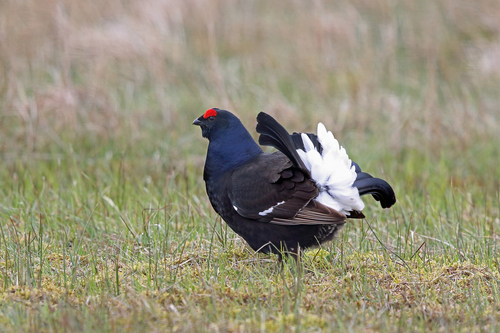
クロライチョウ (Lyrurus tetrix) クロライチョウ

メディア

読み込み中…

要点

カラフトライチョウとクロライチョウを分ける最も信頼できる方法は、全体の構造と尾の形状によるものです:カラフトライチョウはコンパクトで深い胸を持つ鳥で、短く丸い尾を持っています。一方、クロライチョウははるかに大きく、オスは特徴的なリラ形の長い外尾を持っています。飛んでいるときや止まっているとき、カラフトライチョウは常に白い翼と短い黒い尾(冬には白い)を示しますが、オスのクロライチョウは目を引く黒色で、白い翼帯と尾の下部を持ち、劇的なリラ形の尾を持っています。両種の雌は茶色で目立たないですが、クロライチョウの雌はより大きく、尾が長いです。生息地も手助けになります:カラフトライチョウは柳のあるツンドラや湿地を好み、クロライチョウはよりオープンな湿地や森林の端にいることが多いです。サイズ、構造、尾は、特に距離がある場合や飛行中に最も良いフィールドの手がかりです。

識別のコツ

  1. 尾の形と長さ:オスのクロライチョウは、外側の羽が外側に曲がった長いリラ形の尾を持ち、ディスプレイ、飛行、または止まっているときに独特で目立ちます。カラフトライチョウは短く丸い尾を持ち、夏と冬は黒(冬の羽毛では白)です。
  2. 全体のサイズと体格:クロライチョウはカラフトライチョウよりもはるかに大きく重いです。クロライチョウの雌でさえ、どちらの性別のカラフトライチョウよりも体格が大きいです。鳥が一緒にいるときや馴染みのある物の近くにいるときはサイズを使用してください。
  3. 飛行中の翼の色:カラフトライチョウは、季節や性別に関係なく常に白い翼を示します。クロライチョウは、白い翼帯(オス)を持つ暗い翼を持ち、完全に白くなることはありません。
  4. 羽毛の季節性:カラフトライチョウは冬にほぼ完全に白くなります(黒い尾を除く)が、クロライチョウは年間を通じて暗いままです。冬にほぼ白いライチョウはカラフトライチョウであり、クロライチョウではありません。
  5. オスの羽毛:オスのクロライチョウは青い光沢のある黒色で、白い尾の下部と白い翼帯を持ち、オスのカラフトライチョウは夏には赤みがかったトーンのあるマーブル模様の茶色で、冬には白です。
  6. 雌の羽毛:両種の雌は茶色で目立たないですが、クロライチョウの雌はより大きく、尾が長く、色がより均一です;カラフトライチョウの雌は小さく、特に腹部に白が多く(茶色の斑点があります)見られます。
  7. くちばしの構造:カラフトライチョウは頭のサイズに対してより厚く、広いくちばしを持っています;クロライチョウのくちばしは相対的に小さく、深さが少ないです。
  8. 目の冠:両方のオスは赤い目の冠を持っていますが、カラフトライチョウのものは半円形で繁殖期に目立ちます;距離があるときには信頼できるフィールドマークではありません。
  9. 行動:クロライチョウのオスは共同のレックでディスプレイを行い、尾を広げて夜明けに呼びかけます。カラフトライチョウのオスは領土的で、グループではなく一人でディスプレイを行います。
  10. 生息地:カラフトライチョウはオープンなツンドラ、湿地、柳や白樺の低木を好み、クロライチョウは森林の端、散在する木々のある湿地、または冬には密な森林の近くにいることが多いです。
  11. 飛行スタイル:クロライチョウは力強く飛び立ち、高く直接飛ぶことがあります;カラフトライチョウは低く飛び立ち、すぐに隠れ場所に戻ります。
  12. 鳴き声:クロライチョウの泡立つような鳴き声は独特で、カラフトライチョウには似ていません。
  13. 冬の文脈:冬に密な針葉樹林で見られるライチョウは、クロライチョウである可能性が高いです;カラフトライチョウはオープンな場所や低木のある地域に留まります。
  14. 混合群:カラフトライチョウは秋に家族群を形成します;クロライチョウのオスはレックの外で小さなグループに集まることがあります。
  15. 落とし穴:クロライチョウの雌とカラフトライチョウは距離があると混同されることがあります—サイズ、尾の長さ、生息地を使って分け、翼の白(カラフトライチョウ)または翼帯(クロライチョウ)を探してください。

大きさ

クロライチョウはカラフトライチョウよりもはるかに大きく重いです。成鳥のクロライチョウのオスは約60 cmの長さに達し、1,100 gを超えることがあります。雌は約45 cmで750–1,100 gです。カラフトライチョウは小さく、成鳥は35–44 cmの長さで、430–810 g(平均650 g)です。フィールドでは、クロライチョウは特にオスがはるかに体格が大きく、長い体に見えます。クロライチョウの雌でさえ、どちらの性別のカラフトライチョウよりも明らかに大きいです。

羽色

幼鳥や未成熟の羽毛は、どちらの種についても詳細には記載されていませんが、成鳥と季節の違いは強いです。夏には、カラフトライチョウのオスは赤みがかった首と胸を持つマーブル模様の茶色で、黒い尾、白い翼、下部を持っています;雌は似ていますが、より鈍く、斑点が多いです。冬には、両性ともほぼ完全に白くなりますが、黒い尾(外側の羽は黒のまま)を除き、翼は年間を通じて白のままです。クロライチョウのオスは青い光沢のある黒色で、太い白い翼帯、白い尾の下部、リラ形の尾を持ち、雌は茶色で目立たない色合いで、下草に溶け込みます。クロライチョウは冬に完全に白くなることはありません。カラフトライチョウの白い翼(すべての季節)は、クロライチョウの暗い翼と白い帯と対照的です。目の冠は両方のオスで赤ですが、カラフトライチョウのものは繁殖期に半円形で目立ち、クロライチョウのものは赤ですが、距離があるときには診断的ではありません。尾の形は重要なマークです:カラフトライチョウは短く丸い尾(冬には黒と白)を持ち、オスのクロライチョウは長く外側に曲がったリラ形の尾羽を持っています。

行動

カラフトライチョウは地上に生息し、オープンなツンドラや湿地を歩いたり走ったりしているのがよく見られ、時には低い低木に止まることもあります。オスは春に領土的で、ストラットや空中の動きでディスプレイを行うことがありますが、レックは行いません。クロライチョウのオスは、共同の夜明けのレックでのディスプレイで有名で、リラ形の尾を広げ、オープンな地面で首を膨らませ、多くの鳥がいることがよくあります。レックの外では、クロライチョウは特に冬に木に止まっているのが見られ、力強く直接的に飛び立つことが多いです。カラフトライチョウは低く飛び立ち、すぐに隠れ場所に戻る傾向があります。

生息環境

カラフトライチョウはツンドラ、湿地、白樺や柳の低木を好み、通常は樹木の上限以下で、よりオープンで低木の多い地域に生息します。密な森林や樹木の上限ではめったに見られません。クロライチョウは森林の端近くの湿地やステップを好み、しばしば高い標高や散在する木々や密な下草のある地域にいます。冬には、クロライチョウは密な針葉樹林に退避し、針を食べることがあります;カラフトライチョウはオープンな地域に留まるか、低い低木のある谷に移動します。混合湿地では重複が発生することがありますが、カラフトライチョウは冬にクロライチョウが好む森林生息地を避けます。

声

クロライチョウのオスは、特に夜明けのレックでのディスプレイ中に独特の泡立つような鳴き声を持っています。カラフトライチョウの鳴き声は、ソースで詳細には記載されていませんが、クロライチョウの泡立つ歌には似ていません。声は、聞こえた場合の強力な分離要因です:クロライチョウのディスプレイコールは独特で、遠くまで響きます。

より良い説明を送る

比較と同じ項目を使ってください。文章はすぐに公開されます。

The most reliable way to separate Willow Ptarmigan from Black Grouse is by overall structure and tail shape: Willow Ptarmigan is a compact, deep-chested bird with a short, rounded tail, while Black Grouse is much larger and the male has a distinctive lyre-shaped, long outer tail. In flight or perched, Willow Ptarmigan always shows white wings and a short black tail (with white in winter), whereas male Black Grouse is strikingly black with a white wing bar and undertail, and a dramatically lyre-shaped tail. Females of both are brown and cryptic, but Black Grouse hens are larger and longer-tailed. Habitat can help: Willow Ptarmigan favors tundra and moorland with willows, while Black Grouse is more often near open moorland and woodland edges. Size, structure, and tail are the best field clues, especially at distance or in flight.

  1. Tail shape and length: Male Black Grouse has a long, lyre-shaped tail with outer feathers curving outward—unique and visible in display, flight, or perched. Willow Ptarmigan has a short, rounded tail, black in summer and winter (with white in winter plumage).
  2. Overall size and bulk: Black Grouse is much larger and heavier than Willow Ptarmigan. Even female Black Grouse are bulkier than Willow Ptarmigan of either sex. Use size when birds are together or near familiar objects.
  3. Wing color in flight: Willow Ptarmigan always shows white wings, regardless of season or sex. Black Grouse has dark wings with a white wing bar (male), never fully white.
  4. Plumage seasonality: Willow Ptarmigan turns almost entirely white in winter (except for black tail), while Black Grouse remains dark year-round. Any mostly white grouse in winter is Willow Ptarmigan, not Black Grouse.
  5. Male plumage: Male Black Grouse is glossy black with blue sheen, white undertail, and white wing bar; male Willow Ptarmigan is marbled brown with reddish tones in summer, white in winter.
  6. Female plumage: Both species' females are brown and cryptic, but Black Grouse hens are larger, longer-tailed, and more uniform in color; Willow Ptarmigan females are smaller and show more white, especially on the belly (with brown mottling).
  7. Bill structure: Willow Ptarmigan has a thicker, broader bill relative to head size; Black Grouse's bill is proportionally smaller and less deep.
  8. Eye combs: Both males have red eye combs, but Willow Ptarmigan's are semicircular and prominent in breeding season; not a reliable field mark at distance.
  9. Behavior: Black Grouse males display at communal leks, fanning tails and calling at dawn. Willow Ptarmigan males are territorial and display alone, not in groups.
  10. Habitat: Willow Ptarmigan prefers open tundra, moorland, and willow/birch scrub; Black Grouse is more likely near woodland edges, moorland with scattered trees, or in dense forest in winter.
  11. Flight style: Black Grouse flushes powerfully and may fly high and direct; Willow Ptarmigan flushes low and drops quickly to cover.
  12. Vocalizations: Black Grouse's bubbling, cooing display song is distinctive and not matched by Willow Ptarmigan.
  13. Winter context: Any grouse seen in dense coniferous forest in winter is more likely Black Grouse; Willow Ptarmigan stays in open or shrubby areas.
  14. Mixed flocks: Willow Ptarmigan forms family flocks in autumn; Black Grouse males may gather in small groups outside the lek.
  15. Pitfalls: Female Black Grouse and Willow Ptarmigan can be confused at distance—use size, tail length, and habitat for separation, and look for white in wing (Willow Ptarmigan) or wing bar (Black Grouse).

Black Grouse is significantly larger and heavier than Willow Ptarmigan. Adult Black Grouse males reach about 60 cm in length and can weigh over 1,100 g, with females around 45 cm and 750–1,100 g. Willow Ptarmigan is smaller, with adults 35–44 cm long and weighing 430–810 g (average 650 g). In the field, Black Grouse appears much bulkier and longer-bodied, especially the males. Even female Black Grouse are noticeably larger than Willow Ptarmigan of either sex.

Juvenile and immature plumages are not detailed for either species in the sources, but adult and seasonal differences are strong. In summer, Willow Ptarmigan males are marbled brown with reddish neck and breast, black tail, and white wings and underparts; females are similar but duller and more mottled. In winter, both sexes turn almost entirely white except for the black tail (outer feathers remain black), and the wings stay white year-round. Black Grouse males are glossy black with blue sheen, a bold white wing bar, white undertail coverts, and a lyre-shaped tail; females are brown and cryptic, blending with undergrowth. Black Grouse never turns fully white in winter. The white wings of Willow Ptarmigan (all seasons) contrast with the dark wings and white bar of Black Grouse. Eye combs are red in both males, but Willow Ptarmigan's are semicircular and prominent in breeding season, while Black Grouse's are also red but less diagnostic at distance. Tail shape is a key mark: Willow Ptarmigan has a short, rounded tail (black with white in winter), while male Black Grouse has long, outwardly curved lyre-shaped tail feathers.

Willow Ptarmigan is ground-dwelling and often seen walking or running in open tundra or moorland, sometimes perching low in shrubs. Males are territorial in spring and may display by strutting or aerial maneuvers, but do not lek. Black Grouse males are famous for their communal dawn lekking displays, fanning their lyre-shaped tails and inflating their necks on open ground, often with many birds present. Outside the lek, Black Grouse may be seen perched in trees, especially in winter, and are more likely to flush with a powerful, direct flight. Willow Ptarmigan tends to flush low and drop quickly back to cover.

Willow Ptarmigan prefers tundra, moorland, and birch or willow scrub, often below treeline and in more open, shrubby areas. It is rarely found in dense forest or above treeline. Black Grouse favors moorland and steppe near woodland edges, often at higher elevations or in areas with scattered trees and dense undergrowth. In winter, Black Grouse may retreat into dense coniferous forests, feeding on needles; Willow Ptarmigan remains in open country or moves to lower, shrubby valleys. Overlap can occur in mixed moorland, but Willow Ptarmigan avoids the forested habitats favored by Black Grouse in winter.

Black Grouse males have a distinctive, bubbling coo or murmur, especially during lekking displays at dawn. Willow Ptarmigan's vocalizations are not described in detail in the sources, but are not similar to the Black Grouse's bubbling song. Voice is a strong separator if heard: Black Grouse's display calls are unique and carry far.

変更を破棄しますか?

保存していない編集があります。今離れると失われます。

カラフトライチョウ · クロライチョウ · 苦手な鳥