

Motmot

カマハシハチドリ 対 ブロンズハチドリ

Eutoxeres aquila 対 Glaucis aeneus

カマハシハチドリとブロンズハチドリのクイズ
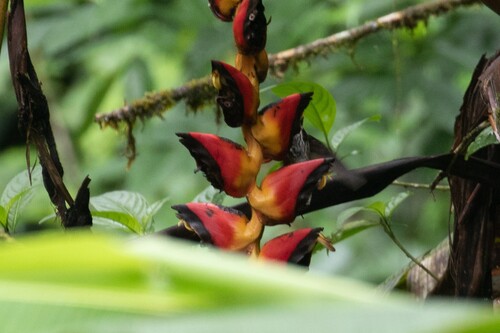
カマハシハチドリ (Eutoxeres aquila) カマハシハチドリ
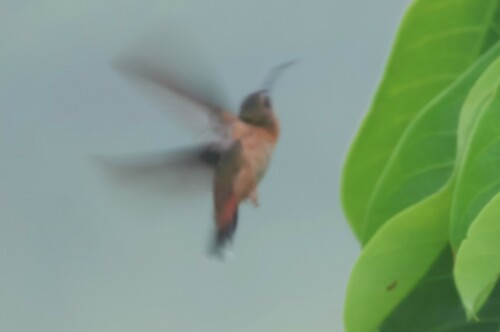
ブロンズハチドリ (Glaucis aeneus) ブロンズハチドリ

メディア

読み込み中…

要点

ホワイトティップカマハシハチドリとブロンズハチドリを分ける最も信頼できるフィールドマークは、カマハシハチドリのくちばしの極端な鎌状の曲線であり、これはブロンズハチドリのより控えめなくちばしの曲がりとは異なる劇的な弧を形成します。両種は緑色の上面と白い先端の尾を持っていますが、カマハシハチドリは腹部に大胆な緑と白のストライプを示し、ブロンズハチドリは深いバフ色の喉と腹部、特徴的な白い口ひげを持っています。幼鳥のカマハシハチドリは鱗状に見えますが、どちらの種にも年齢特有の上翼パターンは記載されていません。飛んでいる時や止まっている時には、最も迅速に分けるためにくちばしの形と腹部のパターンに注目してください。

識別のコツ

  1. くちばしの形は最も診断的な特徴です: ホワイトティップカマハシハチドリは非常に曲がった鎌状のくちばしを持ち、劇的な弧を形成しますが、ブロンズハチドリのくちばしは控えめに曲がっています(雌ではより曲がっていますが、カマハシハチドリほど極端ではありません)。
  2. 腹部のパターン: カマハシハチドリは腹部に大胆な緑と白のストライプを示し、黒っぽい喉と胸を持っています。ブロンズハチドリは深いバフ色の喉と胸、淡いバフ色の腹部を持ち、ストライプはありません。
  3. 顔のマーキング: ブロンズハチドリは明確な白い口ひげと暗い顔を持ち、カマハシハチドリにはこれがありません。
  4. 尾のパターン: 両者は白い先端の尾を持っていますが、ブロンズハチドリの尾は上面が灰緑色で、赤褐色/黒っぽいです。一方、カマハシハチドリの尾は主に緑色で、外側の羽に白い先端があります。
  5. 幼鳥の外見: 幼鳥のホワイトティップカマハシハチドリは鱗状に見え、他の種と混同される可能性がありますが、ブロンズハチドリとは混同されません。
  6. サイズ: カマハシハチドリはブロンズハチドリよりもかなり大きく、直接比較や経験が必要です。
  7. 性差: 両種は性別間で羽毛が似ていますが、ブロンズハチドリの雌はより曲がったくちばしを持ち(それでもカマハシハチドリよりは少ない)、雄の上顎にある鋸歯がありません。
  8. 採餌行動: カマハシハチドリはくちばしの適応により、曲がった花(ヘリコニア、セントロポゴン)にしがみついているのがよく見られますが、ブロンズハチドリはより典型的なホバリングの方法で採餌することがあります。
  9. 生息地: カマハシハチドリは特にヘリコニアが豊富な密な中高度の山地森林の下層に生息する可能性が高いです。ブロンズハチドリは同様の地域に出現することがありますが、特化はしていません。
  10. 鳴き声: 聞こえた場合、カマハシハチドリの高く細い鳴き声とツィープ音は特徴的です。ブロンズハチドリの鳴き声の詳細は記載されていないため、カマハシハチドリが歌っている場合にのみ役立ちます。
  11. 飛行の特徴: 特定の飛行や上翼パターンの違いは記載されていないため、構造と色に頼ります。
  12. 止まっている姿勢: カマハシハチドリの長く劇的に曲がったくちばしは、休んでいる時でも明らかです。ブロンズハチドリはより短いくちばしで、よりコンパクトに見えます。
  13. トラップライン: カマハシハチドリは典型的なトラップラインの採餌者で、領域をほとんど守らず、時間をかけて観察することで行動の文脈を助けることがあります。
  14. 誤認の落とし穴: 白い先端の尾は共通していますが、これだけに頼らないでください。常にくちばしの形と腹部のパターンを確認してください。
  15. 地理的重複: 両種は中南米の一部で共存することがあるため、共有地域内での主な分離要因として範囲を使用しないでください。

大きさ

ホワイトティップカマハシハチドリは特に大きく、11.5–13.5 cmで、8.6–14.5 gの重さがあります。一方、ブロンズハチドリは9–10 cmで、3–6.5 g(雄)または3–6 g(雌)と小型です [wikipedia][avonet]。このサイズの違いは、直接比較でしばしば明らかで、カマハシハチドリはより大きく、くちばしも長く見えます。しかし、サイズだけでは単独で見たり、距離から見たりすると誤解を招くことがあります。

羽色

どちらの種にも特有の幼鳥や未成熟の上翼パターンは記載されていません。すべての年齢において、ホワイトティップカマハシハチドリは緑色の上面、黒っぽい喉と胸、そして大胆にストライプされた緑と白の腹部を持っています。尾は主に緑色で、外側の羽に白い先端があります。幼鳥は全体的に鱗状に見えます。対照的に、ブロンズハチドリはブロンズまたは銅色の緑の上面、深いバフ色の喉と胸、淡いバフ色の腹部を持っています。顔には白い口ひげと暗いマスクがあります。尾は上面が灰緑色で白い先端があり、下面は基部が赤褐色で、中央が黒っぽく、白い先端があります。両種は白い先端の尾を持っていますが、腹部の色合いと顔のパターンが重要です。

行動

ホワイトティップカマハシハチドリはトラップラインの採餌者で、花の間を移動し、領域をほとんど守りません。採餌中は花にしがみつくことが多く、特に曲がった花冠を持つものに対してそうです。ブロンズハチドリも蜜を食べ、似たような採餌行動が見られる可能性がありますが、この種の領域性やトラップラインについての詳細は記載されていません。両者は昆虫を捕まえることもありますが、カマハシハチドリは特にクモの巣や樹皮から捕まえることで知られています。

生息環境

両種は中南米の範囲で重複していますが、ホワイトティップカマハシハチドリは特に山地の常緑林の下層に密接に関連しており、しばしば中高度(地域によって300–2,100 m)に生息しています。ブロンズハチドリは同じ地理的範囲の多くを共有していますが、その高度や生息地の好みについての詳細は記載されていません。コスタリカとパナマでは、両者は同じ一般的な地域に見られる可能性がありますが、カマハシハチドリは密な森林の下層に特化しています。

声

ホワイトティップカマハシハチドリの歌は、細くてうるさい鳴き声の複雑な連続で、鋭く高いツィープ音が続きます。呼び声は高く、細く、鋭く、刺すような音(「ツィッティング」)と記載されています。ブロンズハチドリの鳴き声は提供されたメモには記載されていないため、カマハシハチドリの特徴的な鳴き声やツィープ音が聞こえない限り、声は信頼できる分離要因ではありません。

より良い説明を送る

比較と同じ項目を使ってください。文章はすぐに公開されます。

The most reliable field mark separating White-tipped Sicklebill from Bronzy Hermit is the extreme, sickle-shaped curve of the sicklebill's bill, which forms a dramatic arc unlike the more modestly decurved bill of the hermit. Both species have green upperparts and white-tipped tails, but the sicklebill shows bold green-and-white striping on the underparts, while the hermit has a deep buff throat and belly with a distinctive white moustache. Juvenile sicklebills appear scaly, but there are no age-specific upperwing patterns noted for either species. In flight or perched, focus on bill shape and underpart pattern for the quickest separation.

  1. Bill shape is the single most diagnostic feature: White-tipped Sicklebill has an extremely decurved, sickle-shaped bill that forms a dramatic arc, while Bronzy Hermit's bill is only moderately decurved (more so in females, but never as extreme as the sicklebill).
  2. Underpart pattern: Sicklebill shows bold green-and-white striping on the underparts, with a blackish throat and chest. Bronzy Hermit has a deep buff throat and breast with a pale buff belly and lacks striping.
  3. Facial markings: Bronzy Hermit has a clear white moustache and a dusky face, which is absent in the sicklebill.
  4. Tail pattern: Both have white-tipped tails, but Bronzy Hermit's tail is gray-green above and reddish/blackish below, while the sicklebill's is mostly green with white tips on the outer feathers.
  5. Juvenile appearance: Juvenile White-tipped Sicklebills appear scaly, which may cause confusion with other species but not with the hermit, whose juveniles are not described as such.
  6. Size: Sicklebill is significantly larger and bulkier than Bronzy Hermit, but this is best used in direct comparison or with experience.
  7. Sex differences: Both species are similar in plumage between sexes; however, Bronzy Hermit females have a more curved bill (still less than sicklebill) and lack serrations present in the male's maxilla.
  8. Feeding behavior: Sicklebill is often seen clinging to curved flowers (Heliconia, Centropogon) due to its bill adaptation, while Bronzy Hermit may feed in a more typical hovering manner.
  9. Habitat: Sicklebill is more likely in dense, mid-elevation montane forest understory, especially where Heliconia is abundant. Bronzy Hermit can occur in similar areas but is not as specialized.
  10. Vocalizations: If heard, the sicklebill's high, thin squeaks and tseeps are distinctive; lack of vocalization detail for Bronzy Hermit means this is only useful if the sicklebill is singing.
  11. Flight jizz: No specific flight or upperwing pattern differences are described, so rely on structure and coloration.
  12. Perched posture: Sicklebill's long, dramatically curved bill is obvious even at rest; Bronzy Hermit appears shorter-billed and more compact.
  13. Trap-lining: Sicklebill is a classic trap-line feeder, rarely defending a territory, which may help in behavioral context if observed over time.
  14. Mistaken identity pitfalls: The white-tipped tail is shared, but do not rely on this alone; always check bill shape and underpart pattern.
  15. Geographic overlap: Both species can occur together in parts of Central and northern South America, so do not use range as a primary separator within their shared areas.

White-tipped Sicklebill is notably larger, measuring 11.5–13.5 cm and weighing 8.6–14.5 g, while Bronzy Hermit is smaller at 9–10 cm and 3–6.5 g (males) or 3–6 g (females) [wikipedia][avonet]. This size difference is often apparent in direct comparison, with the sicklebill appearing bulkier and longer-billed. However, size alone can be misleading if seen singly or at a distance.

No distinctive juvenile or immature upperwing patterns are described for either species. For all ages, White-tipped Sicklebill has green upperparts, a blackish throat and chest, and boldly striped green-and-white underparts. Its tail is mostly green with white tips on the outer feathers; juveniles look scaly overall. Bronzy Hermit, by contrast, has bronzy or coppery green upperparts, a deep buff throat and breast, and a pale buff belly. Its face is marked by a white moustache and dusky mask. The tail is gray-green above with white tips, and underneath it is reddish at the base, blackish in the middle, and white-tipped. Both species have white-tipped tails, but the underpart coloration and facial pattern are key.

White-tipped Sicklebill is a trap-line feeder, moving between flowers and rarely defending a territory. It often clings to flowers while feeding, especially those with curved corollas. Bronzy Hermit also feeds on nectar and is likely to be seen in similar foraging behavior, but the notes do not specify territoriality or trap-lining for this species. Both may glean insects, but the sicklebill is noted for taking them from spiderwebs or bark.

Both species overlap in range in Central and northern South America, but White-tipped Sicklebill is more closely tied to the understory of montane evergreen forests, often at mid-elevations (300–2,100 m depending on locality). Bronzy Hermit shares much of the same geographic range but the notes do not specify its elevation or habitat preferences in detail. In Costa Rica and Panama, both could be found in the same general areas, but sicklebill is more specialized for dense forest understory.

White-tipped Sicklebill's song is a complex series of thin, whiny squeaks followed by strident, high tseep notes; its call is described as high, thin, sharp, and piercing ("tsitting"). Bronzy Hermit's vocalizations are not described in the provided notes, so voice is not a reliable separator unless the sicklebill's distinctive squeaks and tseeps are heard.

変更を破棄しますか?

保存していない編集があります。今離れると失われます。

カマハシハチドリ · ブロンズハチドリ · 苦手な鳥