

Motmot

ノドジロツグミヒタキ 対 シラボシヤブコマ

Dessonornis humeralis 対 Pogonocichla stellata

ノドジロツグミヒタキとシラボシヤブコマのクイズ
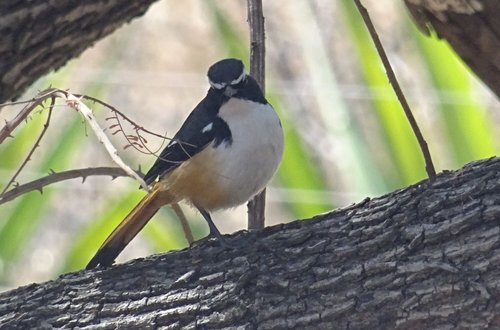
ノドジロツグミヒタキ (Dessonornis humeralis) ノドジロツグミヒタキ
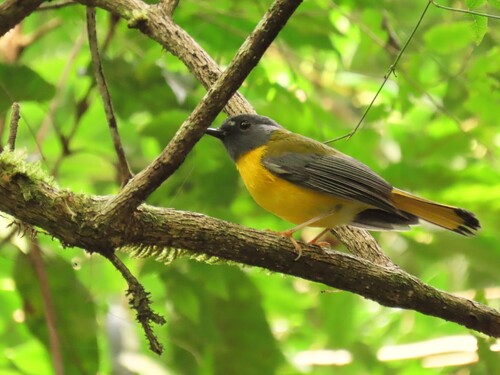
シラボシヤブコマ (Pogonocichla stellata) シラボシヤブコマ

メディア

読み込み中…

要点

ホワイトスロートロビンチャットとシラボシヤブコマの最も良いフィールドでの識別は、ロビンチャットの強い白い喉と平坦な顔に対して、シラボシヤブコマの特徴的な白い顔の斑点(目の前と喉に)と明るい黄色の腹部です。幼鳥と若鳥のシラボシヤブコマは、金色の斑点が散らばった暗い鱗状の上面と、黄色の鱗状の腹部を示し、より均一なロビンチャットとは異なります。成鳥では、シラボシヤブコマの緑がかったマントル、オリーブ色の翼、黄色い側面を持つ黒い尾はユニークであり、ホワイトスロートロビンチャットはより地味で、これらの対照的な色が欠けています。両種はサイズが似ていますが、好む生息地は異なります:ロビンチャットは乾燥したサバンナ/低木地に、シラボシヤブコマは密な下層植生のある湿った森に生息します。

識別のコツ

  1. Juvenile and subadult plumage: 幼鳥のシラボシヤブコマは、金色の斑点が散らばった黒褐色の上面と、茶色の鱗状の下部を持っています。若鳥は、黄色の腹部と灰色の縞模様を持つ暗いオリーブ色の上面を持ち、尾は黒ではなく茶色がかっています。ホワイトスロートロビンチャットの幼鳥は、そのような強い模様があるとは記載されていないため、鱗状の斑点のある若い鳥はシラボシヤブコマの可能性が高いです。
  2. White facial spots: 成鳥のシラボシヤブコマは、目の前に明確な白い斑点と喉に小さな白い斑点を持ち、遠くからでも見えます。ホワイトスロートロビンチャットはこれらの顔の斑点が欠けており、強い白い喉を示しますが、顔はより平坦です。
  3. Underparts color: シラボシヤブコマは明るい黄色の胸と腹を持ち、フィールドで際立っています。ホワイトスロートロビンチャットは、下部がはるかに地味で、明るい黄色が欠けています。
  4. Mantle and wing color: シラボシヤブコマは苔色のマントルとオリーブ色の翼を示し、翼の残りは青灰色です。ロビンチャットはより均一な色合いで、緑やオリーブのトーンが欠けています。
  5. Tail pattern: シラボシヤブコマの尾は黒で、黄色の側面のストライプがあります(成鳥)、または若鳥では茶色がかっています。ホワイトスロートロビンチャットの尾は、そのような対照的な色があるとは記載されていません。
  6. Bill and rictal bristles: シラボシヤブコマは、目立つリクタルブラシを持つ広い黒いくちばしを持ち(捕虫用に使用)、近距離で見えることがあります。ロビンチャットのくちばしは、この点ではあまり特徴的ではありません。
  7. Leg color: シラボシヤブコマはピンクがかった脚を持ち、近距離で役立つかもしれません。ロビンチャットの脚の色は特徴的ではないとされています。
  8. Sexes: 両種は羽毛において性別が同じであるため、性別は識別要因ではありません。
  9. Habitat: ロビンチャットは乾燥したサバンナや低木地に生息し、シラボシヤブコマは密な下層植生のある湿った森や森の端に生息します。深い森で見られた場合はシラボシヤブコマを優先し、開けた乾燥した地域ではロビンチャットを優先します。
  10. Perched vs. foraging behavior: シラボシヤブコマは、密なカバーの中や地面で低く採餌することが多いのに対し、ロビンチャットはよりオープンに止まることがあります。
  11. Flight views: 黒い尾と黄色の側面を持つ鳥が飛んでいるのを見た場合、それはシラボシヤブコマの可能性が高いです。より平坦で対照的でない尾はロビンチャットを示します。
  12. Regional context: 両者は南部アフリカに生息していますが、シラボシヤブコマの範囲は森林地域により結びついており、ロビンチャットは真の森林には存在しません。
  13. Pitfalls: 幼いシラボシヤブコマは成鳥とは非常に異なる外見を持つことがあるため、若い鳥の鱗状または斑点のある羽毛を常に確認してください。ロビンチャットはすべての年齢でより均一です。
  14. Voice: メモには記載されていないため、ここでの識別に歌や鳴き声を頼らないでください。
  15. Season: 両種において強い季節的な羽毛の変化はありませんが、繁殖に伴って生息地の使用がわずかに変わることがあります。

大きさ

両種は質量が似ており、ホワイトスロートロビンチャットは平均21.25g [wikidata]、シラボシヤブコマは18〜25g [wikipedia]です。長さも近いです:シラボシヤブコマは15〜16 cmです。フィールドでは、サイズだけでは信頼できる識別要因ではなく、重なりがかなりあり、両者は小さくロビンに似た鳥です。

羽色

幼鳥と若鳥のシラボシヤブコマは特徴的です:幼鳥は金色の斑点が散らばった黒褐色の上面と、茶色の鱗状の下部を持っています。若鳥は、灰色の縞模様を持つ暗いオリーブ色の上面と黄色の腹部を持ち、尾は黒ではなく茶色がかっています。両性の成鳥は、スレートグレーの頭、目の前の白い斑点、小さな白い喉の斑点、苔色のマントル、オリーブ色の翼、黄色い側面を持つ黒い尾、明るい黄色の腹部を持っています。対照的に、成鳥のホワイトスロートロビンチャットははるかに地味で、強い白い喉と対照的でない顔を持ち、白い顔の斑点と緑/オリーブのトーンが欠けています。ロビンチャットの羽毛はより均一で、シラボシヤブコマの明るい黄色の腹部と大胆な尾の模様が欠けています。

行動

シラボシヤブコマは湿った森で縄張りを持ち、密な下層植生や森の端に近くに留まることが多く、時には低くまたは地面で採餌します。彼らのドーム型の巣はよく隠されています。ホワイトスロートロビンチャットは、より乾燥した開放的な生息地を好み、低木地やサバンナで見られることが多く、しばしばオープンに止まったり、目立つ場所から歌ったりします。両種は一般的に目立たず、動きや歌によって検出されることがあります。

生息環境

ホワイトスロートロビンチャットは乾燥したサバンナと亜熱帯または熱帯の乾燥した低木地に生息し、南部アフリカ(ボツワナ、エスワティニ、モザンビーク、南アフリカ、ジンバブエ)に特有です [wikipedia]。シラボシヤブコマは湿った常緑樹林の種であり、密な下層植生を必要とし、森林の端、プランテーション、時には森林近くの常緑樹林や庭でも見られます [wikipedia]。生息地の文脈は強い手がかりです:ロビンチャットは開放的で乾燥した地域に、シラボシヤブコマは湿った森林地域に生息します。

より良い説明を送る

比較と同じ項目を使ってください。文章はすぐに公開されます。

The best field separation between White-throated Robin-Chat and White-starred Robin is the strong white throat and plain face of the robin-chat versus the white-starred robin’s distinctive white facial spots (in front of the eye and on the throat) and bright yellow underparts. Juvenile and subadult White-starred Robins show dark, scaly upperparts with golden flecks and a yellow, scaled belly, unlike the more uniform robin-chat. In adults, the White-starred Robin’s greenish mantle, olive wings, and black tail with yellow sides are unique, while the White-throated Robin-Chat is plainer and lacks these contrasting colors. Both species are similar in size, but their preferred habitats differ: robin-chat in dry savannah/shrubland, white-starred robin in moist forest with dense understory.

  1. Juvenile and subadult plumage: Juvenile White-starred Robins are blackish-brown above with golden flecks and yellow with brown scaling below; subadults are dusky olive above with a yellow belly and grey streaks, with a brownish tail. White-throated Robin-Chat juveniles are not described as having such strong patterning, so a scaly, flecked young bird is likely a White-starred Robin.
  2. White facial spots: Adult White-starred Robins have a clear white spot in front of the eye and a small white spot on the throat, visible even at a distance. White-throated Robin-Chat lacks these facial spots, instead showing a strong white throat but a plainer face.
  3. Underparts color: White-starred Robin has bright yellow breast and belly, often striking in the field. White-throated Robin-Chat is much duller below, lacking any bright yellow.
  4. Mantle and wing color: White-starred Robin shows a moss-green mantle and olive-green wings, with bluish-grey in the rest of the wing. Robin-chat is more uniformly colored, lacking green or olive tones.
  5. Tail pattern: White-starred Robin’s tail is black with yellow lateral stripes (adults), or brownish in subadults. White-throated Robin-Chat’s tail is not described as having such contrasting colors.
  6. Bill and rictal bristles: White-starred Robin has a broad, black bill with prominent rictal bristles (used for flycatching), which may be visible at close range. Robin-chat’s bill is less distinctive in this regard.
  7. Leg color: White-starred Robin has pinkish legs, which may help at close range; robin-chat’s leg color is not noted as distinctive.
  8. Sexes: Both species are sexually monomorphic in plumage, so sex is not a separator.
  9. Habitat: Robin-chat in dry savannah or shrubland; white-starred robin in moist forest with dense understory or at forest edge. If seen in deep forest, favor White-starred Robin; in open, dry country, favor robin-chat.
  10. Perched vs. foraging behavior: White-starred Robin often forages low in dense cover or on the ground, while robin-chat may perch more openly.
  11. Flight views: If you glimpse a bird with a black tail and yellow sides in flight, it is likely a White-starred Robin. A plainer, less contrasting tail points to robin-chat.
  12. Regional context: Both are southern African, but White-starred Robin’s range is more tied to forested areas, while robin-chat is absent from true forest.
  13. Pitfalls: Immature White-starred Robins can look very different from adults, so always check for scaly or flecked plumage in young birds. Robin-chat is more uniform at all ages.
  14. Voice: Not described in the notes, so do not rely on song or call for separation here.
  15. Season: No strong seasonal plumage changes in either species, but habitat use may shift slightly with breeding.

Both species are similar in mass, with White-throated Robin-Chat averaging 21.25g [wikidata] and White-starred Robin ranging from 18–25g [wikipedia]. Length is also close: White-starred Robin is 15–16 cm. In the field, size alone is not a reliable separator, as overlap is considerable and both are small, robin-like birds.

Juvenile and subadult White-starred Robins are distinctive: juveniles are blackish-brown above with golden flecks and yellow below with brown scaling; subadults are dusky olive above with grey streaks and a yellow belly, and their tail is brownish rather than black. Adults of both sexes have a slate-grey head, white spot in front of the eye, a small white throat spot, moss-green mantle, olive-green wings, black tail with yellow sides, and bright yellow underparts. In contrast, adult White-throated Robin-Chat is much plainer, with a strong white throat and a less contrasting face, lacking the white facial spots and green/olive tones. The robin-chat’s plumage is more uniform and lacks the bright yellow underparts and bold tail pattern of the white-starred robin.

White-starred Robins are territorial in moist forests and often remain close to dense understory or forest edge, sometimes foraging low or on the ground. Their domed nests are well hidden. White-throated Robin-Chats prefer drier, more open habitats and are more likely to be seen in shrubland or savannah, often perching in the open or singing from prominent spots. Both species are generally unobtrusive but may be detected by movement or song.

White-throated Robin-Chat is found in dry savannah and subtropical or tropical dry shrubland, endemic to southern Africa (Botswana, Eswatini, Mozambique, South Africa, Zimbabwe) [wikipedia]. White-starred Robin is a species of moist evergreen forest, requiring dense understory, and is also found at forest edges, in plantations, and sometimes in evergreen woodlands or gardens near forest [wikipedia]. Habitat context is a strong clue: robin-chat in open, dry country; white-starred robin in wet, forested areas.

変更を破棄しますか?

保存していない編集があります。今離れると失われます。

ノドジロツグミヒタキ · シラボシヤブコマ · 苦手な鳥