

Motmot

モモジロサイチョウ 対 パイプコブサイチョウ

Bycanistes albotibialis 対 Bycanistes fistulator

モモジロサイチョウとパイプコブサイチョウのクイズ
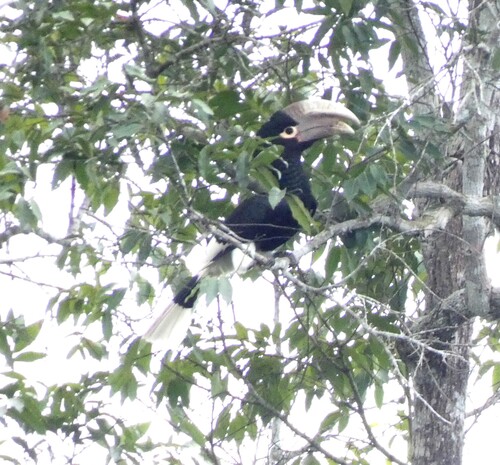
モモジロサイチョウ (Bycanistes albotibialis) モモジロサイチョウ
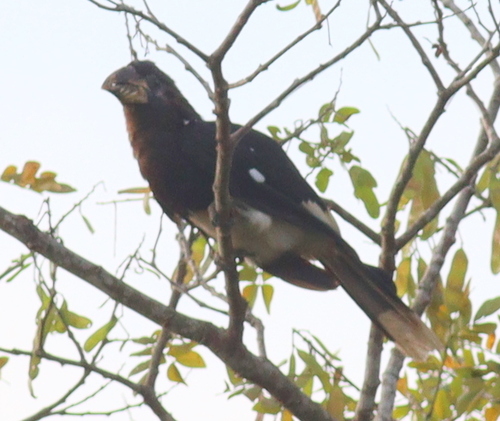
パイプコブサイチョウ (Bycanistes fistulator) パイプコブサイチョウ

メディア

読み込み中…

要点

ホワイトタイドホーンビルとパイプコブサイチョウを区別する最も信頼できる方法はサイズです:パイプコブサイチョウは明らかに小さく、最小のBycanistesであり、ホワイトタイドは中型から大型です。両者は中央および西アフリカの森林に生息する黒と白のサイチョウであり、その分布域は広く重なっています。現地では、構造的な違い(特にくちばしのサイズと全体の体格)が羽毛よりも役立つことが多く、両種は似たような対照的な模様を共有しています。年齢特有の翼や幼鳥の羽毛のマークは利用可能な情報源には記載されていないため、体のサイズ、くちばしの比率、文脈に焦点を当ててください。両種は似たような生息地に生息しますが、パイプコブサイチョウは二次成長やエッジにいる可能性が高く、ホワイトタイドはより密な森林を好みます。

識別のコツ

  1. サイズは最も信頼できるフィールドマークです: パイプコブサイチョウはホワイトタイドホーンビルよりも明らかに小さく、スリムです。これは、鳥が並んでいるときや他のBycanistesと一緒にいるときに使用してください。
  2. くちばしのサイズと形: ホワイトタイドホーンビルは比率的に大きく、重いくちばしを持っているのに対し、パイプコブサイチョウのくちばしは小さく、より繊細です。これは特に止まっているときに明らかです。
  3. 白い太もも: ホワイトタイドホーンビルは、特に止まっているときや良い光の中で、太ももに明らかな白を示します。パイプコブサイチョウはこの明確な白い太ももパッチを欠いていますが、このマークは飛行中や遠くから見ると見えにくいことがあります。
  4. 羽毛の対照: 両種は黒と白であり、全体の模様は似ています。一般的な色の対照だけに頼らないでください。
  5. 特徴的な幼鳥/未熟な翼のパターンはありません: 両種に対して年齢特有の上翼や飛行マークは記載されていないため、幼鳥の飛行パターンで区別することは期待しないでください。
  6. 生息地の文脈: 鳥が二次成長、森林のエッジ、または乱された生息地にいる場合、パイプコブサイチョウの可能性が高いです。ホワイトタイドホーンビルは密で成熟した森林に典型的ですが、これは絶対的ではありません。
  7. 群れのサイズと行動: 両者は群れで見ることができますが、パイプコブサイチョウはより活発で機敏である可能性があり、その小さなサイズを反映しています。これは微妙で診断的ではありません。
  8. 分布の重なり: 両種は中央および西アフリカの多くの地域で共に生息しています。分布だけで区別しないでください。
  9. 声: メモには区別できる声の記載はありません。呼び声に頼らないでください。
  10. 性別と季節: 利用可能な情報源には、両種における性的二形や季節的な羽毛の違いは記載されていません。すべての年齢と性別は似ています。
  11. 直接比較: 両種を直接比較する機会があれば(例:果実をつけた木で)、サイズとくちばしの違いが非常に明らかになります。
  12. 疑わしい場合: 鳥が中間のサイズであるか、太ももの色が見えない場合は、慎重に行動し、これらの特徴だけで確固たる同定を試みないでください。
  13. 写真のレビュー: 写真は白い太ももや相対的なサイズの存在または不在を確認するのに役立ちます。特に比較のために複数の鳥がいる場合は有効です。
  14. 一般的な落とし穴: 両種の白い腹部をホワイトタイドホーンビルの白い太ももパッチと間違えないでください。脚の上の特定のエリアを確認してください。
  15. 要約のヒント: 現地では、サイズとくちばしの構造を優先し、次に止まっている鳥の白い太ももを探してください。生息地を補助的な手がかりとして使用しますが、主要なフィールドマークとしては使用しないでください。

大きさ

パイプコブサイチョウは最小のBycanistesで、平均して約50 cmの長さです [wikipedia]。ホワイトタイドホーンビルはより大きく、体格もがっしりしていますが、現在のメモには正確な測定値は提供されていません。直接比較すると、ホワイトタイドは体が重く、長く見え、比率的に大きなくちばしを持っています。もしサイチョウの群れを見て、一羽が明らかに小さくてスリムであれば、それはおそらくパイプコブサイチョウです。

羽色

利用可能な情報源には、これらの2種に対する年齢特有または幼鳥の翼のパターンの違いは記載されていません。両者は黒と白のサイチョウであり、鮮やかな対照的な羽毛を持っています。最も一貫した羽毛の違いは、ホワイトタイドホーンビルが白い太ももを示すこと(その名前が示すように)ですが、パイプコブサイチョウはこの特徴を際立たせていません。しかし、これは現地では微妙であったり、飛行中や暗い光の中で隠れていることがあります。両種はそれ以外は似たような黒い上面と白い下面を示すため、羽毛だけでは自信のある同定には不十分なことが多いです。

行動

行動については、利用可能なメモには詳細な記載はありません。両者は典型的なサイチョウであり、しばしば群れやペアで飛んでいるのが見られ、餌を食べたり呼んだりする際には目立つことがあります。パイプコブサイチョウは森林のエッジや二次成長で採餌する可能性が高いですが、ホワイトタイドホーンビルはより密な森林に留まる傾向がありますが、これは強いフィールドの区別ではありません。

生息環境

両種は中央および西アフリカの湿った森林に生息しており、セネガルとウガンダから南のアンゴラまでの重なり合った分布域があります [wikipedia]。パイプコブサイチョウは、原生林と二次成長の両方に存在することが知られており、乱された生息地に対してやや適応性が高い可能性があります。ホワイトタイドホーンビルは通常、密な森林に見られますが、広範囲の森林生息地にも生息しています。生息地だけでは診断的ではありませんが、パイプコブサイチョウは森林のエッジや劣化した地域にいる可能性が高いです。

声

利用可能なメモには声の違いは提供されていません。両種はサイチョウであり、似たような呼び声を持つ可能性がありますが、具体的な記述がないため、声はここでの区別に信頼できるものではありません。

より良い説明を送る

比較と同じ項目を使ってください。文章はすぐに公開されます。

The most reliable way to separate White-thighed Hornbill from Piping Hornbill is by size: Piping Hornbill is distinctly smaller, being the smallest Bycanistes, while White-thighed is medium-large. Both are black-and-white hornbills of Central and West African forests, and their ranges overlap widely. In the field, structural differences (especially bill size and overall bulk) are often more helpful than plumage, as both species share similar contrasting patterns. Age-specific wing or juvenile plumage marks are not described in available sources, so focus on body size, bill proportions, and context. Both species occur in similar habitats, but Piping Hornbill is more likely in secondary growth and edge, while White-thighed prefers denser forest.

  1. Size is the most reliable field mark: Piping Hornbill is noticeably smaller and slimmer than White-thighed Hornbill. Use this when birds are side by side or with other Bycanistes for scale.
  2. Bill size and shape: White-thighed Hornbill has a proportionally larger, heavier bill, while Piping Hornbill's bill is smaller and more delicate. This is especially apparent when perched.
  3. White thighs: White-thighed Hornbill shows obvious white on the thighs, especially when perched or in good light. Piping Hornbill lacks this clear white thigh patch, though this mark can be hard to see in flight or at distance.
  4. Plumage contrast: Both species are black-and-white, and overall pattern is similar. Do not rely on general color contrast alone.
  5. No distinctive juvenile/immature wing pattern: There are no described age-specific upperwing or flight marks for either species, so do not expect to separate them by juvenile flight pattern.
  6. Habitat context: If the bird is in secondary growth, forest edge, or disturbed habitat, Piping Hornbill is more likely. White-thighed Hornbill is more typical of dense, mature forest, but this is not absolute.
  7. Group size and behavior: Both can be seen in groups, but Piping Hornbill may be more active and agile, reflecting its smaller size. This is subtle and not diagnostic.
  8. Range overlap: Both species occur together across much of Central and West Africa; do not use range alone for separation.
  9. Voice: No distinguishing vocalizations are described in the notes; do not rely on calls for separation.
  10. Sex and season: No sexual dimorphism or seasonal plumage differences are noted for either species in the available sources; all ages and sexes are similar.
  11. Direct comparison: If you have the opportunity to compare both species directly (e.g., at a fruiting tree), the size and bill differences become very apparent.
  12. When in doubt: If the bird is intermediate in size or the thigh color is not visible, err on the side of caution and do not attempt a firm identification based on these features alone.
  13. Photographic review: Photos can help confirm the presence or absence of white thighs and relative size, especially if multiple birds are present for comparison.
  14. Common pitfalls: Do not mistake the white underparts of both species for the white thigh patch of White-thighed Hornbill; check the specific area above the legs.
  15. Summary tip: In the field, prioritize size and bill structure, then look for white thighs on perched birds. Use habitat as a supporting clue, but not as a primary field mark.

Piping Hornbill is the smallest Bycanistes, averaging about 50 cm in length [wikipedia]. White-thighed Hornbill is larger and bulkier, though precise measurements are not provided in the current notes. In direct comparison, White-thighed appears heavier-bodied and longer, with a proportionally larger bill. If you see a group of hornbills and one is noticeably smaller and more slender, it is likely a Piping Hornbill.

No age-specific or juvenile wing pattern differences are described in the available sources for these two species. Both are black-and-white hornbills, with bold contrasting plumage. The most consistent plumage difference is that White-thighed Hornbill shows white thighs (as its name suggests), while Piping Hornbill does not have this feature as prominently marked. However, this can be subtle or obscured in the field, especially in flight or poor light. Both species otherwise show similar black upperparts and white underparts, so plumage alone is often not sufficient for a confident ID.

Behavior is not described in detail for either species in the available notes. Both are typical hornbills, often seen flying in groups or pairs, and both can be conspicuous when feeding or calling. Piping Hornbill may be more likely to forage at forest edge or in secondary growth, while White-thighed Hornbill tends to remain in denser forest, but this is not a strong field separation.

Both species occur in humid forests of Central and West Africa, with overlapping ranges from Senegal and Uganda south to Angola [wikipedia]. Piping Hornbill is noted for its presence in both primary forest and secondary growth, and may be somewhat more adaptable to disturbed habitats. White-thighed Hornbill is typically found in dense forest, but also occurs in a wide range of forested habitats. Habitat alone is not diagnostic, but Piping Hornbill is more likely at forest edge or in degraded areas.

No vocal differences are provided in the available notes. Both species are hornbills and may have similar calls, but without specific descriptions, voice cannot be reliably used for separation here.

変更を破棄しますか?

保存していない編集があります。今離れると失われます。

モモジロサイチョウ · パイプコブサイチョウ · 苦手な鳥