

Motmot

シラオネッタイチョウ 対 レユニオンノビタキ

Phaethon lepturus 対 Saxicola tectes

シラオネッタイチョウとレユニオンノビタキのクイズ
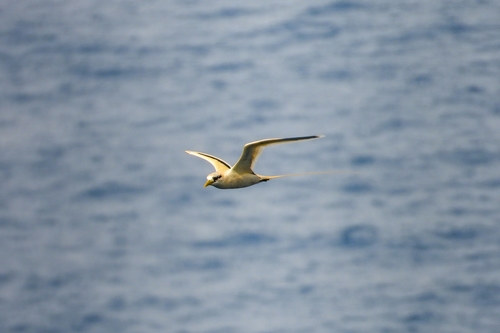
シラオネッタイチョウ (Phaethon lepturus) シラオネッタイチョウ
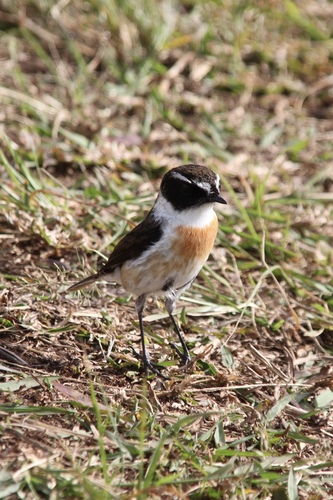
レユニオンノビタキ (Saxicola tectes) レユニオンノビタキ

メディア

読み込み中…

要点

最も信頼できるフィールドマークは全体の構造と尾です:シラオネッタイチョウは非常に長いリボン状の中央尾羽を持つ大きくて細長い海鳥で、特に成鳥では顕著です。一方、レユニオンノビタキは短くて四角い尾を持つ小さくて直立した止まり木にとまる歌鳥です。飛行中、トロピックバードは大胆な黒い内翼バーと長く流れる尾を持つ非常に白い羽毛を示しますが、ノビタキはコンパクトで尾の流れがなく、黒い翼バーもありません。幼鳥のトロピックバードは尾の流れがありませんが、黒い翼バーと緑黄色のくちばしを示し、ノビタキはどの年齢でもこれらの特徴を示しません。止まっているのが見られた場合、トロピックバードは遠隔地の繁殖地を除いてはほとんど陸上にはいませんが、ノビタキは陸生の生息地に一般的で、低木や柱に止まります。

識別のコツ

  1. 尾の構造:成鳥のシラオネッタイチョウは非常に長いリボン状の中央尾羽を持ち、しばしば体長の2倍です;ノビタキはどの年齢でも尾の流れがありません。
  2. 飛行中の翼のパターン:トロピックバード(すべての年齢)は大胆な黒い内翼バーを示します;ノビタキは黒い翼バーを持たず、翼は均一に暗いか淡い縁で模様があります。
  3. くちばしの色:成鳥のトロピックバードはオレンジ黄色からオレンジ赤のくちばしを持ち、幼鳥は緑黄色のくちばしを持ちます。ノビタキは常に昆虫食の歌鳥に典型的な短い暗いくちばしを持っています。
  4. 全体のサイズと形:トロピックバードは長い翼と尾を持つ大きくて細長い海鳥です;ノビタキは小さくてコンパクトで直立した止まり木にとまる鳥です。
  5. 羽毛:トロピックバードはほぼ完全に白く、黒いアイマスクと黒い翼バーを持ちます;ノビタキは上面が暗く、下面が淡く、時には胸にオレンジがあり、白い襟を持ちますが、全体的に純白ではありません。
  6. 幼鳥のマーク:幼鳥のトロピックバードは尾の流れがありませんが、黒い翼バーと縞模様の背中を示します;幼鳥のノビタキは縞模様で茶色がかり、決して白や黒の斑点はありません。
  7. 止まっている姿勢:トロピックバードは遠隔地のコロニーを除いてはほとんど止まりませんが、地面や崖の ledge に座ります;ノビタキは低木、岩、またはワイヤーに直立して止まります。
  8. 飛行スタイル:トロピックバードは長くて遅い翼の拍動で滑空し、尾を引きずります;ノビタキは短く、跳ねるように飛び、尾の流れはありません。
  9. 生息地:トロピックバードは海洋性で、開けた水域や遠隔地の繁殖崖の上で見られます;ノビタキは陸生で、開けた低木地、庭、またはプランテーションにいます。
  10. 鳴き声:トロピックバードの鳴き声は高く、叫ぶような連続音です;ノビタキは鋭いカチカチ音('tec-tec')を出します。
  11. 文脈:もし内陸や庭で見られた場合、ほぼ確実にノビタキです;もし開けた海の上で長い尾の流れと共に見られた場合、それはトロピックバードです。
  12. 性別と年齢:両種は性別が似ています;オスのトロピックバードはわずかに長い尾を持ちますが、これは微妙です。幼鳥のトロピックバードは尾の流れがない場合にのみ混同される可能性がありますが、黒い翼バーと白い羽毛は依然としてノビタキと区別されます。
  13. 落とし穴:尾の流れがない幼鳥のトロピックバードは別の白い海鳥と間違われる可能性がありますが、サイズと翼のパターンが確認されればノビタキとは決して間違われません。ノビタキは決して白くなく、決して海洋性ではなく、決して黒い翼バーを持ちません。
  14. くちばしの形:トロピックバードのくちばしは長く、尖っており、わずかに下向きです;ノビタキのくちばしは短く、まっすぐで円錐形です。
  15. 豊富さ:レユニオンでは、ノビタキは一般的で広範囲に分布しています;トロピックバードは海上または繁殖崖を除いては稀です。

大きさ

シラオネッタイチョウは劇的に大きいです:成鳥は尾の流れを含めて71–80 cmの長さで、翼幅は89–96 cmです。尾の流れがなくても、体はレユニオンノビタキよりもはるかに大きいです。ノビタキは典型的な小型のスズメ目(正確な測定値は提供されていませんが、ノビタキは通常約13–14 cmの長さです)。トロピックバードは細長く、伸びた形状ですが、ノビタキは比較的コンパクトで太いです。サイズや印象に重複はありません。

羽色

幼鳥と成鳥のシラオネッタイチョウは、飛行中に内翼に特徴的な黒い帯を示しますが、これはレユニオンノビタキには存在しません。幼鳥のトロピックバードは長い尾の流れがありませんが、細かく縞模様の背中と緑黄色のくちばしを持ち、成鳥は純白の背中、非常に長い中央尾羽、オレンジ黄色からオレンジ赤のくちばしを持ちます。黒いアイマスクと白い羽毛はすべての年齢で存在します。対照的に、レユニオンノビタキは黒い翼バー、尾の流れ、または全白の羽毛を決して示しません。その羽毛はノビタキに典型的で、上面は暗く、下面は淡く、しばしば白い襟と胸にオレンジがありますが、トロピックバードの清潔な白と黒のパターンは決してありません。すべての年齢と季節において、ノビタキの上面ははるかに暗く、下面は決して純白ではありません。

行動

シラオネッタイチョウはほぼ常に開けた海の上を飛んでいるのが見られ、遠隔地の繁殖コロニーを除いてはほとんど止まりません。魚やイカを捕るために急降下して餌を取ります。その飛行は浮遊感があり優雅で、長く滑空する弧と明らかな尾の流れが後ろに引きずられます。レユニオンノビタキは陸生で、低木、岩、または柱に直立して止まり、昆虫を捕るために飛び出します。その飛行は短く、跳ねるようで直接的で、尾の流れはありません。両種は典型的な行動や印象で重複することはありません。

生息環境

シラオネッタイチョウは厳密に海洋性で、熱帯の海の上に見られ、遠隔地の島や崖で繁殖するためにのみ陸に来ます。森林、低木地、庭、またはプランテーションでは見られません。レユニオンノビタキはレユニオン島に固有で、開けた低木地、クリアリング、庭、プランテーションで一般的で、2600メートルの標高まで生息しています。海では決して見られません。もし内陸で、特に低木や庭に止まっているのが見られた場合、それはほぼ確実にノビタキです。

声

シラオネッタイチョウは高く叫ぶような「キィーキィークリートクリートクリート」を出し、通常は繁殖コロニーや上空を飛んでいるときに聞かれます。レユニオンノビタキの名前は擬音語('tec-tec')で、その鳴き声は鋭いカチカチ音またはティック音で、ノビタキに典型的です。二つの鳴き声は音色、リズム、文脈において完全に異なります。

より良い説明を送る

比較と同じ項目を使ってください。文章はすぐに公開されます。

The most reliable field mark is overall structure and tail: White-tailed Tropicbird is a large, slender, oceanic bird with extremely long, ribbon-like central tail feathers (especially in adults), while Reunion Stonechat is a small, upright perching songbird with a short, square tail. In flight, the tropicbird shows strikingly white plumage with a bold black inner wing bar and a long, streaming tail, whereas the stonechat is compact, with no tail streamers and lacks any black wing bar. Juvenile tropicbirds lack tail streamers but still show the black wing bar and a green-yellow bill, while stonechats never show these features at any age. If seen perched, the tropicbird is rarely on land except at remote breeding sites, while the stonechat is common in terrestrial habitats and perches on shrubs or posts.

  1. Tail structure: Adult White-tailed Tropicbird has extremely long, ribbon-like central tail feathers, often twice the body length; stonechat never has tail streamers at any age.
  2. Wing pattern in flight: Tropicbird (all ages) shows a bold black inner wing bar; stonechat never has a black wing bar—its wings are uniformly dark or patterned with pale edges.
  3. Bill color: Adult tropicbird has an orange-yellow to orange-red bill; juveniles have a green-yellow bill. Stonechat always has a short, dark bill typical of insectivorous songbirds.
  4. Overall size and shape: Tropicbird is a large, slender seabird with long wings and tail; stonechat is a small, compact, upright perching bird.
  5. Plumage: Tropicbird is almost entirely white with a black eye-mask and black wing bar; stonechat is darker above, paler below, sometimes with orange on the breast and a white collar, but never pure white overall.
  6. Juvenile marks: Juvenile tropicbirds lack tail streamers but still show the black wing bar and a barred back; juvenile stonechats are streaky and brownish, never white or black-marked.
  7. Perched posture: Tropicbirds rarely perch except at remote colonies, where they sit on the ground or cliff ledges; stonechats perch upright on shrubs, rocks, or wires.
  8. Flight style: Tropicbird glides and soars with long, slow wingbeats and trailing tail; stonechat flies in short, bounding bursts with no tail streamers.
  9. Habitat: Tropicbird is oceanic, seen over open water or at remote breeding cliffs; stonechat is terrestrial, in open bushland, gardens, or plantations.
  10. Vocalization: Tropicbird’s call is a high, screamed series; stonechat gives sharp, ticking notes ('tec-tec').
  11. Context: If seen inland or in a garden, it is almost certainly a stonechat; if seen over the open ocean with long tail streamers, it is a tropicbird.
  12. Sex and age: Both species are sexually similar; male tropicbirds have slightly longer tails, but this is subtle. Juvenile tropicbirds can be confused only if tail streamers are missing, but the black wing bar and white plumage still separate them from stonechats.
  13. Pitfalls: A juvenile tropicbird without tail streamers could be mistaken for another white seabird, but never for a stonechat if size and wing pattern are checked. Stonechats are never white, never oceanic, and never have a black wing bar.
  14. Bill shape: Tropicbird’s bill is long, pointed, and slightly decurved; stonechat’s bill is short, straight, and conical.
  15. Abundance: On Réunion, stonechat is common and widespread; tropicbird is rare except at sea or at breeding cliffs.

White-tailed Tropicbird is dramatically larger: adults are 71–80 cm long including the tail streamers, with a wingspan of 89–96 cm. Even without the tail streamers, the body is much larger than the Reunion Stonechat, which is a typical small passerine (exact measurements not provided, but stonechats are usually about 13–14 cm long). The tropicbird is slender and elongated, while the stonechat is compact and stubby by comparison. There is no overlap in size or impression.

Juvenile and adult White-tailed Tropicbirds both show a distinctive black band on the inner wing in flight, which is never present on Reunion Stonechat. Juvenile tropicbirds lack the long tail streamers but have a finely barred back and a green-yellow bill, while adults have pure white backs, very long central tail feathers, and an orange-yellow to orange-red bill. The black eye-mask and white plumage are present at all ages. Reunion Stonechat, in contrast, never shows a black wing bar, tail streamers, or all-white plumage. Its plumage is typical of stonechats: darker above, paler below, often with a white collar and some orange on the breast, but never the clean white and black pattern of the tropicbird. In all ages and seasons, the stonechat’s upperparts are much darker and the underparts are never pure white.

White-tailed Tropicbird is almost always seen flying over open ocean, rarely perching except at remote breeding colonies, and feeds by plunge-diving for fish and squid. Its flight is buoyant and graceful, with long, gliding arcs and obvious tail streamers trailing behind. Reunion Stonechat is terrestrial, perching upright on shrubs, rocks, or posts, and feeds by sallying out to catch insects. Its flight is short, bounding, and direct, lacking any trailing tail streamers. The two species never overlap in typical behavior or jizz.

White-tailed Tropicbird is strictly oceanic, found over tropical seas and only coming to land to breed on remote islands or cliffs. It is never found in forests, shrublands, gardens, or plantations. Reunion Stonechat is endemic to the island of Réunion, where it is common in open bushland, clearings, gardens, and plantations, up to 2600 meters elevation. It is never found at sea. If you see the bird inland, especially perched in a bush or garden, it is almost certainly a stonechat.

White-tailed Tropicbird gives a high, screamed 'keee-keee-krrrt-krrt-krrt', usually heard at breeding colonies or when flying overhead. Reunion Stonechat’s name is onomatopoeic ('tec-tec'), and its call is a sharp, clicking or ticking note, typical of stonechats. The two vocalizations are completely different in tone, rhythm, and context.

変更を破棄しますか?

保存していない編集があります。今離れると失われます。

シラオネッタイチョウ · レユニオンノビタキ · 苦手な鳥