

Motmot

シュバシコウ 対 シロカツオドリ

Ciconia ciconia 対 Morus bassanus

シュバシコウとシロカツオドリのクイズ
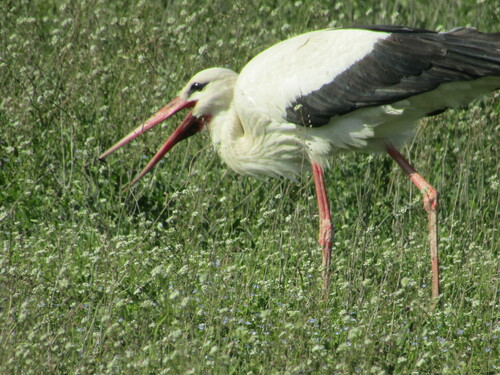
シュバシコウ (Ciconia ciconia) シュバシコウ
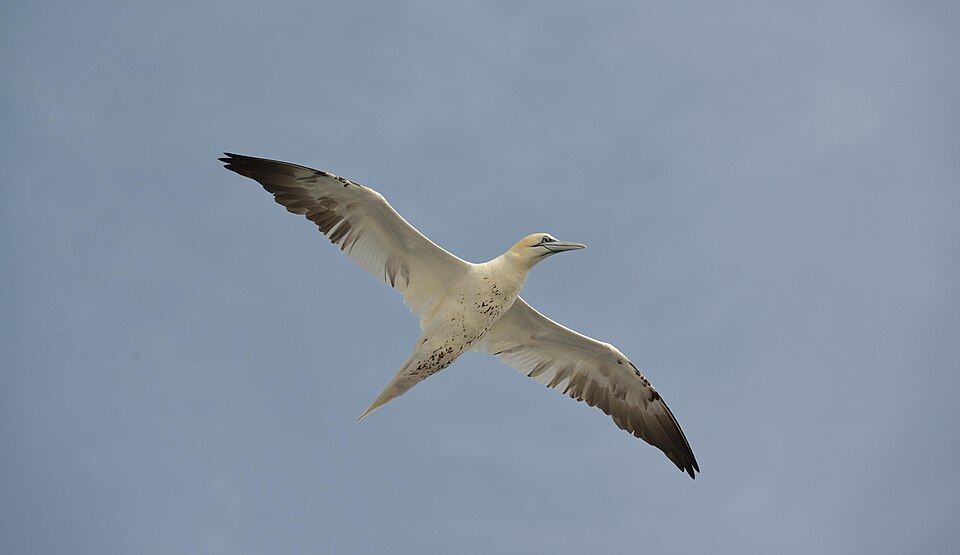
シロカツオドリ (Morus bassanus) シロカツオドリ

メディア

読み込み中…

要点

ホワイトストークとシロカツオドリをフィールドで区別するための最も信頼できるフィールドマークは、くちばしと頭の色彩です:ホワイトストークは長く、まっすぐで明るい赤いくちばしと赤い脚を持ち、シロカツオドリは長く尖った青灰色のくちばしと黒い顔の皮膚を持ち、赤い部分はどこにもありません。飛んでいる鳥については、成鳥のホワイトストークは翼の飛行羽にのみ黒があり、成鳥のシロカツオドリは黒い翼先とバフがかった頭を持っています。幼鳥のカツオドリは主に暗褐色で、成鳥のストークとは非常に異なる外見をしています。構造と飛行スタイルも異なります:ストークは背が高く、脚が長く、首を伸ばして飛びますが、カツオドリはより流線型で脚が短く、首を少し引っ込めて飛びます。生息地は強い手がかりです:ストークは陸生で、しばしば野原や巣の上で見られますが、カツオドリは厳密に海生で、通常は開けた海の上や沿岸の崖で見られます。

識別のコツ

  1. Bill color and shape: ホワイトストークは長く、まっすぐで明るい赤いくちばしを持っています;シロカツオドリは長く尖った青灰色のくちばしと黒い顔の皮膚を持っています。これは中程度の距離で見えるもので、成鳥の識別に役立ちます。
  2. Leg color and length: ホワイトストークは長く、明るい赤い脚を持ち、飛行中に尾を大きく超えて引きずり、止まっているときに明らかです。カツオドリの脚は短く、暗く、飛行中に尾を超えることはありません。
  3. Head and facial pattern: ストークの頭は純白で、顔のマーキングはありません;カツオドリはバフがかった頭を持ち(特に繁殖期に)、くちばしと目の周りに黒い皮膚があります。
  4. Plumage (adult): 両種は主に白で、翼に黒がありますが、ストークの黒は飛行羽(一次羽と二次羽)に限定され、鋭いコントラストを形成しますが、カツオドリの黒は翼先に限られ、翼の残りは白です。
  5. Plumage (juvenile/immature): 幼鳥のカツオドリは主に暗褐色で白い斑点があり、常に白い体を持つストークとは非常に異なります。未成熟のカツオドリは数年かけて徐々に白くなりますが、ストークの黒い翼を持つ清潔な白い体を示すことはありません。
  6. Tail: 両者とも成鳥として白い尾を持っていますが、カツオドリの尾はより尖っています;強いフィールドマークではありません。
  7. Flight profile: ストークは首と脚を完全に伸ばして飛び、長くまっすぐなプロファイルを与えます。カツオドリは首を少し引っ込めて飛び、脚は見えず、より流線型でコンパクトに見えます。
  8. Perched posture: ストークは長い脚の上に直立して立ち、しばしば屋根、巣、または野原にいます。カツオドリは急な崖や島以外ではめったに止まっているのが見られず、建物や野原では決して見られません。
  9. Habitat: ストークは陸生で、水から遠く離れていることが多いです;カツオドリは厳密に海生で、内陸では見られず、稀に嵐に吹き飛ばされた漂流者として見られることがあります。
  10. Behavior: ストークは歩いて野原で探餌し、探りながら行動します;カツオドリは海で魚を捕るために潜水したり、滑空したりするのが見られます。
  11. Group behavior: ストークは単独または緩い群れで見られることがあり、特に移動中に見られます。カツオドリは海で大きく密集したコロニーや群れで見られることが多いです。
  12. Size impression: ストークは特に陸上で背が高く、より直立して見えます;カツオドリは重いですが、よりコンパクトで流線型です。
  13. Confusion risk: 光が悪い場合や遠くから見ると、両者とも黒い翼を持つ大きな白い鳥に見えることがありますが、生息地と飛行スタイルは強い手がかりです。
  14. Voice: フィールドでの有用な区別にはならず;どちらの種も巣から離れて特に声を出すことはありません。
  15. Season: 両種は渡り鳥ですが、カツオドリは内陸で見られることはなく、ストークは海洋環境には存在しません。

大きさ

ホワイトストークは背が高く、長い鳥で、長さ100〜115 cm、翼幅155〜215 cm(長さ39〜45インチ、翼幅61〜85インチ)です [wikipedia]。シロカツオドリはやや短く、よりコンパクトで、長さ87〜100 cm、翼幅170〜180 cm(長さ34.5〜39.5インチ、翼幅67〜71インチ)です [wikipedia]。カツオドリは平均して重い(成鳥の質量約3000 g [wikidata])ですが、ストークの長い脚と首は、特に陸上で、はるかに大きく、より直立して見えます。

羽色

幼鳥と未成熟のシロカツオドリは全体的に主に暗灰色の褐色で、上翼と体に広範囲に暗い部分があり、数年かけて徐々により白くなります。これは重要な違いです:すべての年齢のホワイトストークは主に白で、翼の飛行羽に黒が制限されており、決して褐色や斑点模様ではありません。成鳥のシロカツオドリは白い体にバフがかった頭(特に繁殖期に)、黒い翼先、そして全白の尾を持っています。対照的に、成鳥のホワイトストークは純白の体と頭を持ち、黒は一次羽と二次羽にのみあり、尾は白です。ストークの赤いくちばしと脚は常に明らかですが、カツオドリのくちばしは青灰色で黒い顔の皮膚と脚を持っています。飛行中、ストークの下翼は白で、鋭い黒い後縁がありますが、カツオドリの下翼は黒い先端とより尖った翼の形状を示します。どちらの種にも季節的または性別に基づく羽毛の違いは見られません。

行動

ホワイトストークはしばしば地面を歩き、野原で探餌したり、屋根や木の上の大きな巣に立っているのが見られます。ストークは遅く、安定した羽ばたきで飛び、首と脚を完全に伸ばして熱上昇気流で滑空します。シロカツオドリは厳密に海生で、コロニーから離れた内陸や地面で見られることはほとんどありません。通常、海の上を低く飛び、滑空したり、魚のために壮観な高速の急降下を行ったりします。飛行中、カツオドリは首を少し引っ込めており、脚は短く、尾を超えて見えませんが、ストークの長い引きずる脚とは異なります。カツオドリは崖や沖の島に密集したコロニーで巣を作り、木や建物では決して見られません。

生息環境

生息地は主要な区別要因です:ホワイトストークは陸生の種で、巣作りのために開けた野原、湿地、人間の居住地を好み、しばしば海岸から遠く離れています。シロカツオドリは厳密に海生で、開けた海の上や急な沿岸の崖や沖の島で巣を作ります。内陸で黒い翼を持つ大きな白い鳥を見ることは、ほぼ常にシロカツオドリを除外します。

より良い説明を送る

比較と同じ項目を使ってください。文章はすぐに公開されます。

The most reliable field mark for separating White Stork and Northern Gannet in the field is their bill and head coloration: White Stork has a long, straight, bright red bill and red legs, while Northern Gannet shows a long, pointed blue-grey bill with black facial skin and no red anywhere. For flying birds, note that adult White Stork has black only on the flight feathers of the wings, while adult Northern Gannet has black wingtips and a buff-tinged head. Juvenile gannets are mostly dark brown and can look very different from adult storks. Structure and flight style also differ: storks are taller, longer-legged, and fly with necks outstretched, while gannets are more streamlined with shorter legs and fly with necks slightly retracted. Habitat is a strong clue: storks are terrestrial and often seen in fields or on nests, while gannets are strictly marine, usually seen over open sea or on coastal cliffs.

  1. Bill color and shape: White Stork has a long, straight, bright red bill; Northern Gannet has a long, pointed blue-grey bill with black facial skin. This is visible at moderate range and is diagnostic for adults.
  2. Leg color and length: White Stork has long, bright red legs that trail far beyond the tail in flight and are obvious when perched. Gannet's legs are short, dark, and never extend beyond the tail in flight.
  3. Head and facial pattern: Stork's head is pure white with no facial markings; gannet has a buff-tinged head (especially in breeding season) and black skin around the bill and eyes.
  4. Plumage (adult): Both species are mostly white with black on the wings, but stork's black is limited to the flight feathers (primaries and secondaries), forming a sharp contrast, while gannet's black is confined to the wingtips and the rest of the wing is white.
  5. Plumage (juvenile/immature): Juvenile gannets are mostly dark brown with white speckling, very different from the always white-bodied stork. Immature gannets gradually become whiter over several years, but never show the stork's clean white body with black wings.
  6. Tail: Both have white tails as adults, but gannet's is more pointed; not a strong field mark.
  7. Flight profile: Stork flies with neck and legs fully extended, giving a long, straight profile. Gannet flies with neck slightly retracted and legs not visible, appearing more streamlined and compact.
  8. Perched posture: Storks stand upright on long legs, often on rooftops, nests, or in fields. Gannets are rarely seen perched except on steep cliffs or islands, and never on buildings or in fields.
  9. Habitat: Stork is terrestrial and often seen far from water; gannet is strictly marine and never found inland except as a rare storm-blown vagrant.
  10. Behavior: Stork forages by walking and probing in fields; gannet is seen diving for fish at sea or gliding over waves.
  11. Group behavior: Storks may be seen singly or in loose flocks, especially during migration. Gannets are often seen in large, dense colonies or flocks at sea.
  12. Size impression: Stork appears taller and more upright, especially on land; gannet is heavier but more compact and streamlined.
  13. Confusion risk: In poor light or at great distance, both can appear as large white birds with black wings, but habitat and flight style are strong clues.
  14. Voice: Not a useful separator in the field; neither species is especially vocal away from the nest.
  15. Season: Both species are migratory, but gannet is never expected inland, while stork is absent from marine environments.

White Stork is the taller and longer bird, measuring 100–115 cm in length with a wingspan of 155–215 cm (39–45 in long, 61–85 in wingspan) [wikipedia]. Northern Gannet is slightly shorter and more compact, at 87–100 cm long with a 170–180 cm wingspan (34.5–39.5 in long, 67–71 in wingspan) [wikipedia]. Gannet is heavier on average (adult mass ~3000 g [wikidata]), but the stork's longer legs and neck make it appear much larger and more upright, especially on land.

Juvenile and immature Northern Gannets are mostly dark grey-brown overall, with extensive dark on the upperwings and body, gradually acquiring more white over several years. This is a key difference: White Stork of all ages is mainly white with black restricted to the flight feathers of the wings, never brownish or mottled. Adult Northern Gannet is white-bodied with a buff-tinged head (especially in breeding season), black wingtips, and all-white tail. In contrast, adult White Stork has a pure white body and head, with black only on the primaries and secondaries, and a white tail. The stork's red bill and legs are always obvious, while gannet's bill is blue-grey with black facial skin and legs. In flight, the stork's underwing is white with a sharp black trailing edge, while the gannet's underwing shows black tips and a more pointed wing shape. No seasonal or sex-based plumage differences are noted for either species.

White Stork is often seen walking on the ground, foraging in fields, or standing on large stick nests on rooftops or trees. It flies with slow, steady wingbeats and soars on thermals with neck and legs fully extended. Northern Gannet is strictly marine, rarely if ever seen inland or on the ground away from colonies. It is usually seen flying low over the sea, gliding or making spectacular high-speed plunge dives for fish. In flight, gannets hold their necks slightly retracted and their legs are short and not visible beyond the tail, unlike the stork's long trailing legs. Gannets nest in dense colonies on cliffs or offshore islands, never in trees or on buildings.

Habitat is a major separator: White Stork is a terrestrial species, favoring open fields, wetlands, and human settlements for nesting, often far from the coast. Northern Gannet is strictly marine, found over open ocean or nesting on steep coastal cliffs and offshore islands. Seeing a large white bird with black wings inland almost always rules out Northern Gannet.

変更を破棄しますか?

保存していない編集があります。今離れると失われます。

シュバシコウ · シロカツオドリ · 苦手な鳥