

Motmot

シュバシコウ 対 ヨーロッパヒメウ

Ciconia ciconia 対 Gulosus aristotelis

シュバシコウとヨーロッパヒメウのクイズ
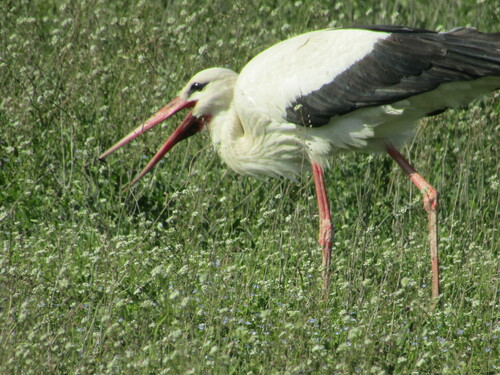
シュバシコウ (Ciconia ciconia) シュバシコウ
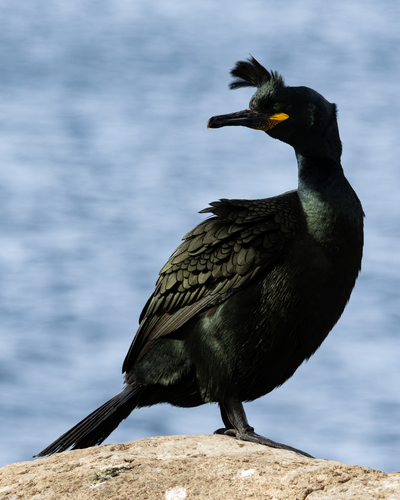
ヨーロッパヒメウ (Gulosus aristotelis) ヨーロッパヒメウ

メディア

読み込み中…

要点

シュバシコウとヨーロッパヒメウを区別する最も信頼できる方法は、全体的な構造と羽毛によるものです:シュバシコウは主に白い巨大な鳥で、黒い飛行羽、長い赤い脚とくちばしを持っています。一方、ヨーロッパヒメウは、非常に小さく、全体が暗い鳥で、細長いくちばしと緑がかった光沢があります。飛行中、シュバシコウは黒い一次羽と二次羽を持つ目を引く白い翼を示し、首を伸ばし、脚を尾を超えて引きずりながら飛びます。ヒメウは全体が暗く、首を引っ込めて飛び、長めの尾を持っています。幼鳥のヒメウは下側がより暗いですが、幼鳥のシュバシコウはまだ主に白く、黒い翼を持っています。止まっているとき、シュバシコウの長い赤い脚と直立した姿勢は、ヒメウの低く、コウモリのような姿勢と対照的です。混乱は遠距離または光が不十分な場合に最も起こりやすいですが、サイズと色の違いは、合理的な距離で決定的です。

識別のコツ

  1. Size and shape: シュバシコウはヨーロッパヒメウよりもはるかに大きく、高いです。もし、ヘロンと同じくらいの大きさの鳥を見たら、それはシュバシコウです。ヒメウはコウモリサイズで、決してシュバシコウのような比率には見えません。
  2. Plumage contrast: シュバシコウは常に白く、黒い飛行羽を持っています。ヒメウは常に全体が暗いです。もし、白と黒の鳥を見たら、それはヒメウではありません。
  3. Bill color and shape: シュバシコウは長く、まっすぐで、尖った赤いくちばしを持っています。ヒメウは細長い暗いくちばしを持ち、先端にわずかなフックがあります。くちばしの色は特に近距離で役立ちます。
  4. Legs: シュバシコウの長く明るい赤い脚は、止まっているときや飛んでいるときに明らかで、尾を超えて引きずります。ヒメウの脚は暗く短く、飛行中は尾をほとんど超えません。
  5. Neck posture in flight: シュバシコウは首と脚を完全に伸ばして飛び、長くまっすぐなプロファイルを与えます。ヒメウは首を引っ込めて飛び、よりコンパクトでコウモリのようなシルエットを持っています。
  6. Tail: ヒメウはサイズに対して比例的に長いくさび形の尾を持っています。シュバシコウの尾は短く、四角いです。
  7. Wing pattern in flight: シュバシコウは目立つ黒い後縁を持つ白い翼を示します(すべての年齢);ヒメウの翼は上も下も均一に暗く、白はありません。
  8. Juvenile plumage: 幼鳥のヒメウは成鳥よりも下側が暗いですが、まだ全体が暗いです。幼鳥のシュバシコウはまだ主に白く、黒い翼を持っています。
  9. Crest and throat patch: 繁殖期の成鳥ヒメウは小さな冠と黄色の喉の斑点を持っていますが、これらは微妙で遠くからは見えません。シュバシコウはこれらの特徴を示しません。
  10. Perched posture: シュバシコウは直立して立ち、しばしば片足で高く地面の上にいます。ヒメウは低く止まり、しばしば岩の上にいて、翼を広げて乾かしているのが見られます。
  11. Habitat: シュバシコウは開けた野原、湿地、農地に生息し、しばしば内陸にいます。高い構造物や木に巣を作ります。ヨーロッパヒメウは厳密に沿岸に生息し、岩の多い海岸や崖で繁殖し、餌を取り、内陸に入ることはほとんどありません。もし鳥が内陸や農地で見られたら、それはほぼ確実にシュバシコウです。もし岩の海岸、特に崖や岩の上にいるなら、ヒメウの可能性が高いです。

Pitfalls:

遠距離または光が不十分な場合、飛んでいるシュバシコウの白と黒の翼は暗い鳥として誤解される可能性がありますが、サイズ、首、脚の投影は常にそれらを区別します。ヒメウは羽毛に白を示さず、内陸で見られることはありません。

大きさ

シュバシコウは劇的に大きく、長さ100〜115 cm、翼幅155〜215 cm [wikipedia]で、ヨーロッパヒメウは長さ68〜78 cm、翼幅95〜110 cm [wikipedia]しかありません。シュバシコウの長い脚と首はそのサイズをさらに誇張し、特に飛行中は細長く見えます。ヒメウはよりコンパクトで、サイズに対して比例的に長い尾を持ち、シュバシコウの体重や高さには決して近づきません。

羽色

幼鳥と成鳥のシュバシコウは常に主に白く、翼(一次羽と二次羽)にのみ黒があります。このコントラストは、止まっているときも飛んでいるときも明らかです。下翼はすべての年齢で白く、目立つ黒い後縁があります。ヨーロッパヒメウはすべての年齢で全体が暗く、成鳥には金属的な緑がかった光沢があり、幼鳥は下側が暗いです。ヒメウは翼や体に白を示しません。繁殖期には、成鳥のヒメウは小さな冠と黄色の喉の斑点を持っていますが、これらは遠くからは微妙です。シュバシコウの赤いくちばしと脚は近距離で見えますが、ヒメウは暗いくちばしと脚を持っています。ヒメウの年齢や季節は、シュバシコウの白と黒のコントラストを示すことはありません。

行動

シュバシコウは通常、開けた野原を歩いているか、長い脚で直立しているか、または首と脚を完全に伸ばして、遅く安定した翼の羽ばたきと滑空で高く舞い上がっているのが見られます。飛行中は、しばしば孤独または緩い、無秩序な群れで見られます。ヨーロッパヒメウは通常、海の近くの岩や崖に低く止まり、しばしば翼を広げて乾かしているのが見られ、急速な羽ばたきで飛び、首を引っ込め、尾を超えて脚が出ていません。ヒメウは魚を捕るために潜ったり、水中で低く泳いだりするのが見られ、シュバシコウには決して見られない行動です。

生息環境

シュバシコウは開けた湿地、草原、農地を好み、しばしば海岸から遠く離れています。開けた国の高い構造物や木に巣を作ります。ヨーロッパヒメウは厳密に沿岸に生息し、岩の多い海岸、島、海の崖で繁殖し、餌を取り、内陸に入ることはほとんどありません。もし鳥が内陸や農地で見られたら、それはほぼ確実にシュバシコウです。もし岩の海岸、特に崖や岩の上にいるなら、ヒメウの可能性が高いです。

より良い説明を送る

比較と同じ項目を使ってください。文章はすぐに公開されます。

The most reliable way to separate White Stork from European Shag is by overall structure and plumage: White Stork is a huge, mainly white bird with black flight feathers, long red legs and bill, while European Shag is a much smaller, entirely dark bird with a slender bill and a greenish sheen. In flight, White Stork shows striking white wings with black primaries and secondaries, and flies with neck outstretched and legs trailing well beyond the tail; Shag is all dark, flies with neck retracted, and has a longish tail. Juvenile Shags are darker below, while juvenile White Storks are still mostly white with black wings. Perched, the stork’s long red legs and upright stance contrast with the Shag’s low, cormorant-like posture. Confusion is most likely at long range or in poor light, but size and color differences are decisive at any reasonable distance.

  1. Size and shape: White Stork is much larger and taller than European Shag. If you see a bird that looks as big as a heron or larger, it is a stork. Shag is cormorant-sized and never appears stork-like in proportions.
  2. Plumage contrast: White Stork is always white with black flight feathers; Shag is always entirely dark. If you see a black-and-white bird, it is not a Shag.
  3. Bill color and shape: Stork has a long, straight, pointed red bill; Shag has a slender, dark bill with a slight hook at the tip. Bill color is especially useful at close range.
  4. Legs: Stork’s long, bright red legs are obvious when perched or in flight, trailing well beyond the tail. Shag’s legs are dark and short, barely extending past the tail in flight.
  5. Neck posture in flight: Stork flies with neck and legs fully outstretched, giving a long, straight profile. Shag flies with neck retracted, giving a more compact, cormorant-like silhouette.
  6. Tail: Shag has a proportionally long, wedge-shaped tail; stork’s tail is short and square.
  7. Wing pattern in flight: Stork shows white wings with a bold black trailing edge (all ages); Shag’s wings are uniformly dark above and below, with no white.
  8. Juvenile plumage: Juvenile Shag is darker below than adult, but still all dark; juvenile stork is still mostly white with black wings.
  9. Crest and throat patch: Adult Shag in breeding season has a small crest and yellow throat patch, but these are subtle and not visible at distance; stork never shows these features.
  10. Perched posture: Stork stands upright, often on one leg, high above the ground; Shag perches low, often on rocks, and may be seen with wings spread to dry.
  11. Habitat: Stork is found in open fields, wetlands, and farmland, often inland; Shag is strictly coastal, on rocky shores and cliffs.
  12. Behavior: Stork walks slowly on land, soars high in the sky; Shag swims and dives for fish, often seen low in the water or drying wings.
  13. Group behavior: Storks may be solitary or in loose groups; Shags often gather in colonies or small flocks on rocks.
  14. Flight style: Stork soars and glides with steady wingbeats; Shag flies low over water with rapid wingbeats, rarely soaring.
  15. Pitfalls: At great distance or in poor light, a flying stork’s black-and-white wings could be misread as a dark bird, but size, neck, and leg projection will always separate them. Shag never shows white in the plumage, and is never seen inland.

White Stork is dramatically larger: 100–115 cm in length with a 155–215 cm wingspan [wikipedia], towering over the European Shag, which measures only 68–78 cm long and has a 95–110 cm wingspan [wikipedia]. The stork’s long legs and neck further exaggerate its size, especially in flight, where it appears lanky and elongated. Shag is more compact, with a proportionally longer tail for its size, and never approaches the stork’s bulk or height.

Juvenile and adult White Storks are always mostly white with black only on the wings (primaries and secondaries); this contrast is obvious both perched and in flight. The underwing is white with a bold black trailing edge in all ages. European Shag is entirely dark at all ages, with a metallic greenish sheen in adults and darker underparts in juveniles. Shag never shows white in the wings or body. In breeding season, adult Shags have a small crest and a yellow throat patch, but these are subtle at distance. The stork’s red bill and legs are visible at close range, while Shag has a dark bill and legs. No age or season of Shag ever shows the white-and-black contrast of the stork.

White Stork is usually seen walking in open fields, standing upright on long legs, or soaring high with slow, steady wingbeats and glides, neck and legs fully outstretched. In flight, it is often solitary or in loose, disorganized groups. European Shag is typically perched low on rocks or cliffs near the sea, often with wings spread to dry, and flies with rapid wingbeats, neck retracted, and legs not projecting past the tail. Shags may be seen diving for fish or swimming low in the water, behaviors never shown by storks.

White Stork favors open wetlands, grasslands, and agricultural fields, often far from the coast. It nests on tall structures or trees in open country. European Shag is strictly coastal, breeding and feeding on rocky shores, islands, and sea cliffs, rarely venturing inland. If the bird is seen inland or in farmland, it is almost certainly a stork; if on a rocky seacoast, especially on a cliff or rock, Shag is much more likely.

変更を破棄しますか?

保存していない編集があります。今離れると失われます。

シュバシコウ · ヨーロッパヒメウ · 苦手な鳥