

Motmot

シロガオリュウキュウガモ 対 ハシグロリュウキュウガモ

Dendrocygna viduata 対 Dendrocygna arborea

シロガオリュウキュウガモとハシグロリュウキュウガモのクイズ
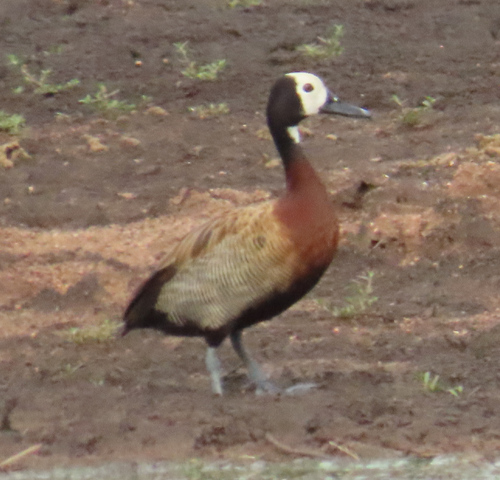
シロガオリュウキュウガモ (Dendrocygna viduata) シロガオリュウキュウガモ
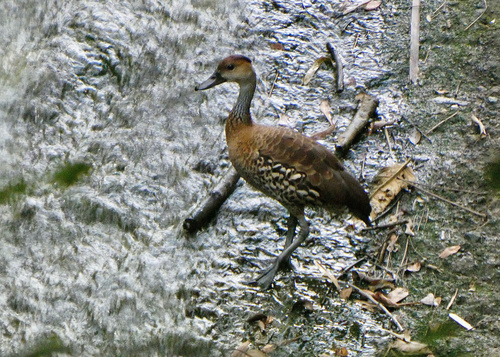
ハシグロリュウキュウガモ (Dendrocygna arborea) ハシグロリュウキュウガモ

メディア

読み込み中…

要点

シロガオリュウキュウガモとハシグロリュウキュウガモを区別するための最も信頼できるフィールドマークは、目を引く頭の模様です:シロガオは大胆な白い顔と黒い首を示し、ハシグロは淡い茶色の顔と前首を持ち、暗い冠があり、はっきりとした白の対比が欠けています。両種の幼鳥は鈍い色合いですが、シロガオは成鳥よりも頭の対比が少なく、ハシグロの幼鳥は腹部の模様があまりはっきりしていません。両種は長い首と長い脚を持つリュウキュウガモですが、ハシグロは特に大きくてがっしりしています。フィールドでは、顔と首の色、全体のサイズ、下部の黒い模様の密度に注目してください。

識別のコツ

  1. Head and neck pattern: シロガオリュウキュウガモは大胆な白い顔と黒い首を持ち、鋭い対比を生み出します;ハシグロは淡い茶色の顔と前首を持ち、暗い冠があり、はっきりした白と黒の分割が欠けています。これはすべての羽色において最も有用なフィールドマークです。
  2. Juvenile head pattern: 幼鳥のシロガオは鈍い色合いですが、顔にはまだ淡い部分が見られ、幼鳥のハシグロは全体的に鈍く、腹部の模様があまりはっきりしていませんが、白い顔は欠けています。
  3. Underparts: シロガオは黒い下部に細かい白いバリングがあり、ハシグロは白い下部に重い黒い模様(より斑点状またはまだら)があります。これは休んでいる鳥や羽繕いをしている鳥で最もよく見られます。
  4. Size and bulk: ハシグロは非常に大きくてがっしりしており、マガモサイズで、シロガオはスリムで軽いです。これは、鳥が一緒に見られたり、馴染みのある水鳥と一緒に見られたりする際に使用します。
  5. Bill color: ハシグロは時々「黒いくちばしの」リュウキュウガモと呼ばれますが、両種ともに暗いくちばしを持っています;くちばしの色はフィールドでの強い区別要因ではありません。
  6. Chestnut neck: シロガオは豊かな栗色の首(側面)を持ち、黒と白の頭との対比を強めています;ハシグロの首は淡い茶色からバフ色で、顔に溶け込んでいます。
  7. Crown color: ハシグロは淡い顔と対比する暗い茶色から黒の冠を持ち、シロガオの頭は白い顔を除いてほとんど黒です。
  8. Flock size: 夜明けに数百から数千の大きく密集した群れはシロガオを強く示唆します;ハシグロはそのような大規模な集まりでは知られていません。
  9. Geographic range: カリブ海ではハシグロが期待され、アフリカや南アメリカではシロガオが期待されます。逃げた個体を除いて、分布は強い手がかりです。
  10. Voice: 明確な三音の口笛がシロガオを特定します;この呼び声がないことはハシグロを確認するものではありませんが、聞こえた場合には役立つかもしれません。
  11. Sex differences: 両種はオスとメスで似た羽色を持ち、識別には性別に頼らないでください。
  12. Juvenile pitfalls: 両種の幼鳥は鈍い色合いですが、白い顔の有無が依然として重要なマークです。
  13. Plumage variability: 一部のシロガオの個体群(特に湿った西アフリカのもの)は顔により多くの黒を示しますが、ハシグロの淡い茶色の顔には決して匹敵しません。
  14. Underpart barring vs. blotching: 細かいバリング(シロガオ)対重い不規則な黒い模様(ハシグロ)は近距離での助けになります。
  15. Leg and posture: 両種は長い脚を持ち、直立しています;構造は強い区別要因ではありません。

大きさ

ハシグロリュウキュウガモは最大かつ最も重いリュウキュウガモで、雌は800–1,320 g、雄は760–1,240 gで、シロガオリュウキュウガモ(平均674 g)よりも明らかにがっしりしています。ハシグロはマガモのサイズに近く、シロガオは明らかにスリムで軽いです。このサイズの違いは、両種が一緒に見られたり、他の水鳥と一緒に見られたりする際に最も顕著です。

羽色

年齢特有の上翼や飛行パターンのマークは両種について記載されていないため、頭と下部の対比に注目してください。成鳥のシロガオリュウキュウガモは大胆な白い顔、黒い頭と首、栗色の首の側面、暗い茶色から黒の背中と翼、そして細かい白いバリングのある黒い下部を持っています。ハシグロリュウキュウガモの成鳥は淡い茶色の顔と前首、暗い茶色から黒の冠、背中、胸、翼を持ち、黒で重くマークされた白い下部があります。両種の幼鳥は鈍い色合いです:シロガオの幼鳥は頭の模様があまり対比されていませんが、顔にはまだ淡い部分が見られ、ハシグロの幼鳥は腹部の模様があまりはっきりしていませんが、淡い顔と前首を保持しています。シロガオの白い顔は常にハシグロの淡い茶色の顔よりも目を引きます、年齢に関係なく。

行動

シロガオリュウキュウガモは非常に群れを成し、特にお気に入りの場所で夜明けに数百または数千の群れを形成することがよくあります。ハシグロリュウキュウガモはそのような大きな群れを形成することは記載されておらず、より小さなグループで遭遇することがあります。両種は長い脚を持ち、直立しており、しばしば水辺で泳いだり立ったりしているのが見られます。

生息環境

シロガオリュウキュウガモはサハラ以南のアフリカと南アメリカの多くの地域に生息し、大きな湿地や開水域を好み、大きな群れを形成します。ハシグロリュウキュウガモはカリブ海に限定され、しばしばキューバのリュウキュウガモまたは黒いくちばしのリュウキュウガモと呼ばれ、アフリカや南アメリカでは見られません。カリブ海で見られた場合、ハシグロが期待されます;他の場所、特にアフリカや南アメリカでは、シロガオが可能性の高い種です。

声

シロガオリュウキュウガモは明確な三音の口笛で知られており、音が大きく水面を越えて響きます。提供されたメモにはハシグロリュウキュウガモの特徴的な声は記載されていないため、声はクラシックな三音の口笛が聞こえた場合にのみ信頼できる区別要因です(シロガオを支持します)。

より良い説明を送る

比較と同じ項目を使ってください。文章はすぐに公開されます。

The most reliable field mark for separating White-faced Whistling-Duck from West Indian Whistling-Duck is the striking head pattern: White-faced shows a bold white face and black neck, while West Indian has a pale brown face and foreneck with a dark crown and lacks the sharply contrasting white. Juveniles of both are duller, but White-faced still shows less contrast on the head than adults, while West Indian juveniles have a less distinct belly pattern. Both species are long-necked, long-legged whistling ducks, but West Indian is notably larger and bulkier. In the field, focus on the face and neck color, overall size, and the density of black markings on the underparts.

  1. Head and neck pattern: White-faced Whistling-Duck has a bold white face and black neck, creating a sharp contrast; West Indian has a pale brown face and foreneck with a dark crown, lacking the crisp white/black division. This is the single most useful field mark in all plumages.
  2. Juvenile head pattern: Juvenile White-faced is duller but still shows some pale on the face, while juvenile West Indian is overall duller with a less distinct belly pattern but still lacks a white face.
  3. Underparts: White-faced shows black underparts with fine white barring on the flanks; West Indian has white underparts with heavy black markings (more blotched or spotted). This is best seen on birds at rest or preening.
  4. Size and bulk: West Indian is much larger and bulkier, about Mallard-sized, while White-faced is slimmer and lighter. Use this when birds are seen together or with familiar waterfowl.
  5. Bill color: West Indian is sometimes called 'black-billed' whistling duck, but both species have dark bills; bill color is not a strong separator in the field.
  6. Chestnut neck: White-faced has a rich chestnut neck (sides), adding to the contrast with the black and white head; West Indian's neck is pale brown to buff, blending into the face.
  7. Crown color: West Indian has a dark brown to black crown contrasting with the paler face, while White-faced's head is mostly black except for the white face.
  8. Flock size: Large, dense flocks (hundreds to thousands) at dawn strongly suggest White-faced; West Indian is not known for such massive gatherings.
  9. Geographic range: In the Caribbean, expect West Indian; in Africa or South America, expect White-faced. Escapees aside, range is a strong clue.
  10. Voice: A clear, three-note whistle identifies White-faced; lack of this call does not confirm West Indian but may help if heard.
  11. Sex differences: Both species have similar plumage in males and females; do not rely on sex for identification.
  12. Juvenile pitfalls: Both species' juveniles are duller, but the presence or absence of a white face remains the key mark.
  13. Plumage variability: Some White-faced populations (especially in wetter West Africa) show more black on the face, but still never match the pale brown face of West Indian.
  14. Underpart barring vs. blotching: Fine barring (White-faced) versus heavy, irregular black markings (West Indian) can help at close range.
  15. Leg and posture: Both are long-legged and upright; structure is not a strong separator.

West Indian Whistling-Duck is the largest and heaviest whistling duck, with females weighing 800–1,320 g and males 760–1,240 g, making it noticeably bulkier than the White-faced Whistling-Duck (average 674 g) [wikidata, wikipedia]. West Indian is about the size of a Mallard, while White-faced is distinctly slimmer and lighter. This size difference is most apparent when both species are seen together or with other waterfowl for scale.

No age-specific upperwing or flight pattern marks are described for either species, so focus on head and underpart contrasts. Adult White-faced Whistling-Duck has a bold white face, black head and neck, chestnut neck sides, dark brown to black back and wings, and black underparts with fine white barring on the flanks. West Indian Whistling-Duck adults have a pale brown face and foreneck, dark brown to black crown, back, breast, and wings, and white underparts heavily marked with black. Juveniles of both are duller: White-faced juveniles have a less contrasted head pattern but still show some pale on the face, while West Indian juveniles have a less distinct belly pattern but retain the pale face and foreneck. The white face of White-faced is always more striking than the pale brown face of West Indian, regardless of age.

White-faced Whistling-Duck is highly gregarious, often forming flocks of hundreds or thousands, especially at dawn at favored sites. West Indian Whistling-Duck is not described as forming such large flocks and may be encountered in smaller groups. Both species are long-legged, upright, and often seen swimming or standing at the water's edge.

White-faced Whistling-Duck is found in sub-Saharan Africa and much of South America, frequenting large wetlands and open water where it forms large flocks. West Indian Whistling-Duck is restricted to the Caribbean, often called the Cuban or black-billed whistling duck, and is not found in Africa or South America. If seen in the Caribbean, West Indian is expected; elsewhere, especially in Africa or South America, White-faced is the likely species.

White-faced Whistling-Duck is noted for its clear three-note whistling call, which is loud and carries over water. No distinctive vocalization is described for West Indian Whistling-Duck in the provided notes, so voice is only a reliable separator if the classic three-note whistle is heard (favoring White-faced).

変更を破棄しますか?

保存していない編集があります。今離れると失われます。

シロガオリュウキュウガモ · ハシグロリュウキュウガモ · 苦手な鳥