

Motmot

シロガオリュウキュウガモ 対 エジプトガン

Dendrocygna viduata 対 Alopochen aegyptiaca

シロガオリュウキュウガモとエジプトガンのクイズ
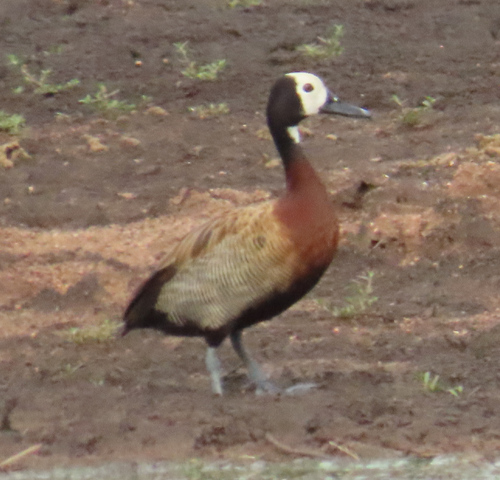
シロガオリュウキュウガモ (Dendrocygna viduata) シロガオリュウキュウガモ
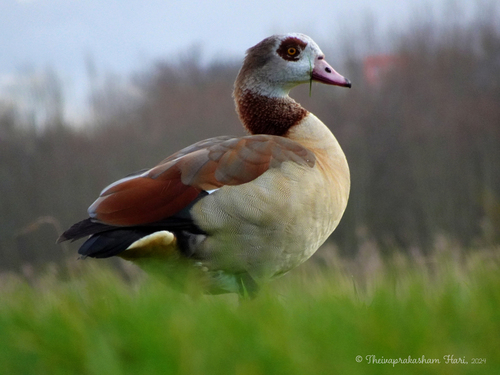
エジプトガン (Alopochen aegyptiaca) エジプトガン

メディア

読み込み中…

要点

シロガオリュウキュウガモとエジプトガンの最も信頼できるフィールドマークは、シロガオリュウキュウガモの際立った白い顔と黒い首であり、これはエジプトガンには見られません。飛行中、エジプトガンは大きな白い翼の斑点を示します(止まっているときは隠れています)、一方、シロガオリュウキュウガモは暗い翼を持ち、脇腹に細かい白い縞模様がありますが、大胆な白いパネルはありません。構造も強い手がかりです:エジプトガンはずっと重くてがっしりしており、ガンのような印象を与えますが、シロガオリュウキュウガモはスリムで首が長いです。シロガオリュウキュウガモの幼鳥は対照的な頭を持たず、混乱を引き起こすことがありますが、全体的に暗い羽毛と白い翼の斑点がないことで区別できます。声と群れの行動も役立ちます:シロガオリュウキュウガモは騒がしく社交的であり、ガンはより攻撃的で領土的です。

識別のコツ

  1. 白い顔と黒い首(成鳥): シロガオリュウキュウガモだけが鋭く定義された白い顔と黒い首を示し、エジプトガンは決してそうではありません。これはどんな距離でも最も良いフィールドマークです。
  2. 飛行中の白い翼の斑点: エジプトガンはすべての年齢で飛行中またはディスプレイ中に大きな白い斑点を示し、止まっているときは隠れています。シロガオリュウキュウガモは均一に暗い翼を持ち、大胆な白い斑点はなく、脇腹に細かい白い縞模様があります(休んでいるときに見え、飛行中には見えません)。
  3. 幼鳥の混乱: 幼鳥のシロガオリュウキュウガモは鈍い、対照的でない頭を持っていますが、エジプトガンの淡い頭と暗い目の斑点は欠けています。エジプトガンの幼鳥は翼の模様と体の羽毛が成鳥に似ています。
  4. サイズと構造: エジプトガンはずっと大きくてがっしりしており、重い体と太い首を持っています。シロガオリュウキュウガモはスリムで、首が長く、軽いです。
  5. くちばしと脚: シロガオリュウキュウガモは長い灰色のくちばしと長めの脚を持ち、より繊細な印象を与えます。エジプトガンは短くてがっしりしたくちばしと相対的に短い脚を持っています。
  6. 体の姿勢と印象: 飛行中、エジプトガンは重くて遅く見え、真のガンのようですが、シロガオリュウキュウガモは機敏で浮遊感があります。水上では、シロガオリュウキュウガモは低く座り、しばしば密集した群れを形成しますが、ガンはより直立して間隔を空けています。
  7. 羽毛の色調: エジプトガンは体の色が変動します(灰色または茶色)が、常に白い顔と黒い首は欠けています。しばしば栗色の胸の帯と暗い目の斑点を示します。シロガオリュウキュウガモは色がより均一で、栗色の首と黒い腹部に細かい白い縞模様があります。
  8. 群れの行動: dawnに典型的なシロガオリュウキュウガモの大きくて密集した群れ(数百または数千)。エジプトガンは通常ペアまたは小さな家族群に見られ、繁殖期には非常に領土的です。
  9. 声: シロガオリュウキュウガモの群れからは明確な三音の笛の音を聞くことができます。エジプトガンはほとんど静かですが、雌は動揺したときに大きくて騒々しいクワックを出すことがあります。
  10. 生息地の文脈: ヨーロッパの都市公園や木が点在する湖では、エジプトガンがより可能性が高いです。特にアフリカや南アメリカの大きな群れがいる大きな湿地では、シロガオリュウキュウガモがより可能性があります。
  11. 性別と年齢: 両種は性別間で似た羽毛を持っているため、性別は有用なフィールドマークではありません。幼鳥のシロガオリュウキュウガモだけが鈍い頭の模様のために混乱を引き起こす可能性がありますが、全体的な構造と白い翼の斑点がないことで区別できます。
  12. ディスプレイと警戒: エジプトガンは警戒したりディスプレイしたりするときに白い翼の斑点を示すことがあります、止まっているときでも。鳥が動揺している場合は、突然の白いフラッシュに注意してください。
  13. 地域的変異: シロガオリュウキュウガモの顔の白さは地域によって異なります(西アフリカではより黒い)、しかし白は常に何らかの程度で存在し、エジプトガンには決して見られません。
  14. 攻撃的な行動: エジプトガンは特に繁殖期に他の鳥を追いかけたり攻撃したりすることがあり、特に攻撃的です。シロガオリュウキュウガモは近くにいることに対してはるかに寛容です。
  15. 潜在的な落とし穴: 遠距離では、鈍い頭を持つ幼鳥のシロガオリュウキュウガモが淡い顔のガンと誤認されることがありますが、飛行中の白い翼の斑点の欠如とよりスリムで直立した姿勢がIDを明確にするはずです。

大きさ

エジプトガンはシロガオリュウキュウガモよりもかなり大きくて重いです。エジプトガンは通常1,500〜2,348 gの重さで、長さは63〜73 cmであり、特に飛行中は真のガンのようにがっしりとした重い外観を持っています。対照的に、シロガオリュウキュウガモははるかに軽く(674 g)全体的にスリムで、首が長く、より繊細な体型を持っています。この違いは、両種が一緒に見られたり、馴染みのある水鳥と比較されたりするときに通常明らかです。

羽色

行動

シロガオリュウキュウガモは非常に社交的で、しばしば大きく密集した群れで見られ、時には数千羽に達することもあり、特に夜明けに見られます。エジプトガンはより領土的で攻撃的であり、特に繁殖期にはペアまたは小さな家族群で見られます。エジプトガンは侵入者を追いかけたり、他の鳥や空中の物体を攻撃したりすることがあります。飛行中、エジプトガンは重くて慎重に見えますが、シロガオリュウキュウガモはより機敏で浮遊感があります。

生息環境

両種は湿地生息地で重なることがありますが、シロガオリュウキュウガモはサハラ以南のアフリカや南アメリカの開水域や湿地により強く関連しており、しばしば大きな群れで見られます。エジプトガンはアフリカ原産ですが、ヨーロッパや他の地域に広く導入されており、公園、湖、さらには都市部でも見られます。エジプトガンは木の穴に巣を作る可能性が高く、シロガオリュウキュウガモよりも開水域に依存していません。

声

シロガオリュウキュウガモは非常に騒がしく、明確な三音の笛の音を持ち、しばしば群れから聞こえます。エジプトガンは一般的に静かですが、性別によって異なる鳴き声を持っています:オスは抑えられた、かすれたクワックや、興奮したときに息を吐くような蒸気機関のような音を出し、雌は特に攻撃的または子供を世話しているときに、はるかに大きくて騒々しいクワックを出します。フィールドでは、シロガオリュウキュウガモの笛の合唱は強い指標です。

より良い説明を送る

比較と同じ項目を使ってください。文章はすぐに公開されます。

The most reliable field mark between White-faced Whistling-Duck and Egyptian Goose is the striking white face and black neck of the whistling-duck, which is never matched by the Egyptian Goose. In flight, Egyptian Goose shows a large white wing patch (hidden when perched), while White-faced Whistling-Duck has dark wings with fine white barring on the flanks but no bold white panel. Structure is also a strong clue: Egyptian Goose is much heavier and bulkier, with a goose-like jizz, while White-faced Whistling-Duck is slimmer and longer-necked. Juveniles of the whistling-duck have a less contrasting head, which can cause confusion, but the overall darker plumage and lack of white wing patch still separate them. Voice and flocking behavior can also help: whistling-ducks are noisy and gregarious, geese are more aggressive and territorial.

  1. White face and black neck (adults): Only White-faced Whistling-Duck shows a sharply defined white face and black neck; Egyptian Goose never does. This is the single best field mark at any distance.
  2. White wing patch in flight: Egyptian Goose of all ages shows a large white patch on the upperwing in flight or display, hidden when perched. White-faced Whistling-Duck has uniformly dark wings with no bold white patch, only fine white barring on the flanks (visible at rest, not in flight).
  3. Juvenile confusion: Juvenile White-faced Whistling-Ducks have a duller, less contrasted head, but still lack the pale head and dark eye patch of Egyptian Goose. Egyptian Goose juveniles look like adults in wing pattern and body plumage.
  4. Size and structure: Egyptian Goose is much larger and bulkier, with a heavy body and thick neck. White-faced Whistling-Duck is slim, long-necked, and lighter.
  5. Bill and legs: White-faced Whistling-Duck has a long, grey bill and longish legs, giving a more delicate impression. Egyptian Goose has a shorter, stouter bill and proportionally shorter legs.
  6. Body posture and jizz: In flight, Egyptian Goose appears heavy and slow, more like a true goose, while White-faced Whistling-Duck is agile and buoyant. On water, whistling-ducks sit lower and often in tight groups; geese are more upright and spaced out.
  7. Plumage tone: Egyptian Goose is variable in body color (greyer or browner), but always lacks the white face and black neck. It often shows a chestnut breast band and a dark eye patch. White-faced Whistling-Duck is more uniform in color, with a chestnut neck and black underparts with fine white barring.
  8. Flocking behavior: Large, tight flocks (hundreds or thousands) at dawn are typical of White-faced Whistling-Duck. Egyptian Goose is usually in pairs or small family groups, and is highly territorial in breeding season.
  9. Vocalizations: Listen for a clear, three-note whistle from White-faced Whistling-Duck flocks. Egyptian Goose is mostly quiet, but females can give a loud, raucous quack when disturbed.
  10. Habitat context: In urban parks or tree-dotted lakes in Europe, Egyptian Goose is more likely. In large open wetlands with big flocks, especially in Africa or South America, White-faced Whistling-Duck is more probable.
  11. Sex and age: Both species have similar plumage between sexes, so sex is not a useful field mark. Only juvenile White-faced Whistling-Duck may cause confusion due to duller head pattern, but overall structure and lack of white wing patch still separate them.
  12. Display and alarm: Egyptian Goose may show its white wing patch when alarmed or displaying, even when perched. Watch for sudden flashes of white if the bird is agitated.
  13. Regional variation: Amount of white on the face of White-faced Whistling-Duck varies by region (more black in western Africa), but the white is always present to some degree and never matched by Egyptian Goose.
  14. Aggressive behavior: Egyptian Goose is notably aggressive and may chase or attack other birds, especially in breeding season. Whistling-ducks are much more tolerant of close company.
  15. Potential pitfalls: At long range, a juvenile White-faced Whistling-Duck with a dull head can be misjudged as a pale-faced goose, but the absence of a white wing patch in flight and the more slender, upright posture should clarify the ID.

Egyptian Goose is substantially larger and heavier than White-faced Whistling-Duck. Egyptian Goose typically weighs 1,500–2,348 g and measures 63–73 cm in length, giving it a bulky, heavyset appearance, especially in flight, much more like a true goose. In contrast, White-faced Whistling-Duck is much lighter (674 g) and more slender overall, with a longer neck and a more delicate build. This difference is usually obvious when both species are seen together or compared to familiar waterfowl.

  • Juvenile/immature birds: White-faced Whistling-Duck juveniles have a less contrasting head pattern than adults, but still lack any bold white wing patch. Egyptian Goose does not show age-related variation in wing pattern; all ages have a large white patch on the wing, visible in flight but hidden at rest.
  • Adults: White-faced Whistling-Duck adults have a black head and neck with a distinctive white face (amount of white varies regionally), chestnut neck, dark brown to black back and wings, and black underparts with fine white barring on the flanks. Egyptian Goose adults are variable in tone (greyer or browner), but always lack the white face and black neck. Instead, they have a pale head with a dark eye patch and a chestnut breast band, and a large white wing patch only visible in flight or display. Both species have similar plumage between sexes.

White-faced Whistling-Duck is highly gregarious, often seen in large, tightly packed flocks, sometimes numbering in the thousands, especially at dawn. Egyptian Goose is more territorial and aggressive, especially during breeding, often seen in pairs or small family groups. Egyptian Goose may chase intruders and even attack other birds or aerial objects. In flight, Egyptian Goose appears heavy and deliberate, while White-faced Whistling-Duck is more agile and buoyant.

Both species can overlap in wetland habitats, but White-faced Whistling-Duck is more strongly associated with open water and marshes in sub-Saharan Africa and South America, often in large flocks. Egyptian Goose is native to Africa but has been widely introduced in Europe and elsewhere, and is often found in parkland, lakes, and even urban areas. Egyptian Goose is more likely to nest in tree holes and is less tied to open water than the whistling-duck.

White-faced Whistling-Duck is very noisy, with a clear, three-note whistling call, often heard from flocks. Egyptian Goose is generally quieter, but the sexes have different calls: males give a subdued, hoarse quack or a breathy, steam-engine-like sequence when aroused, while females have a much louder, raucous quack, especially when aggressive or tending young. In the field, a chorus of whistling is a strong pointer to White-faced Whistling-Duck.

変更を破棄しますか?

保存していない編集があります。今離れると失われます。

シロガオリュウキュウガモ · エジプトガン · 苦手な鳥