

Motmot

カオジロウミツバメ 対 シロハラウミツバメ

Pelagodroma marina 対 Fregetta grallaria

カオジロウミツバメとシロハラウミツバメのクイズ
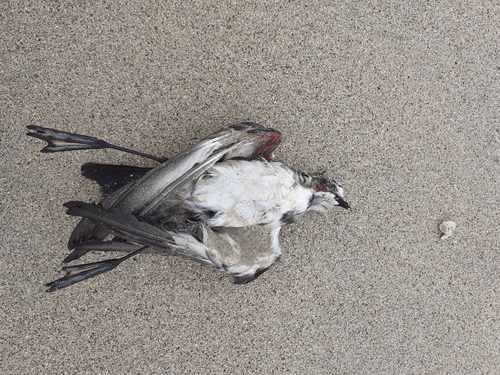
カオジロウミツバメ (Pelagodroma marina) カオジロウミツバメ
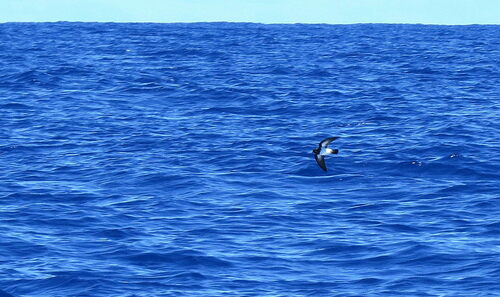
シロハラウミツバメ (Fregetta grallaria) シロハラウミツバメ

メディア

読み込み中…

要点

ホワイトフェイスウミツバメとシロハラウミツバメを区別するための最も信頼できるフィールドマークは、前者の特徴的な白い顔と黒いアイマスクであり、距離があっても視認可能です。対して、シロハラウミツバメはより変動が大きく、しばしば顔が暗いです。幼鳥のホワイトフェイスウミツバメは、上部に広い淡い縁を示すことがありますが、常に白い顔を保持します。飛行中、ホワイトフェイスウミツバメの独特なパタリングの歩き方—長い脚で跳ねながら翼を広げている—は診断的であり、シロハラウミツバメはより従来の飛行をします。両者は小さな白黒のウミツバメですが、顔のパターン、尾、飛行スタイルの違いが自信を持った識別の鍵となります。

識別のコツ

  1. 黒いアイマスクのある白い顔(すべての年齢): ホワイトフェイスウミツバメだけが、目の周りに暗いマスクを持つ鮮やかな白い顔を示し、フラロープを思わせます。シロハラウミツバメの顔は変動がありますが、決して清潔な白やマスクにはなりません。
  2. 飛行スタイル(すべての年齢): ホワイトフェイスウミツバメは、長い脚で水面を常にパタリングまたは跳ねながら飛び、翼を広げています—この「カンガルー」の歩き方を探してください。シロハラウミツバメは、典型的なウミツバメのように飛び、足の接触が少なく、より滑空します。
  3. 尾の色(成鳥、一部の亜種): ホワイトフェイスウミツバメは淡い灰色または白の尾を示すことがあります(亜種依存)、一方でシロハラウミツバメは白い上尾羽を持ちますが、一般的に暗い上尾を持っています。亜種の変動がこのマークをぼかすことがあるため、注意して使用してください。
  4. 尾の形(成鳥、一部の亜種): ほとんどのホワイトフェイスウミツバメは四角い尾を持っていますが、ニュージーランドの個体(P. m. maoriana)は分叉した尾を持っています。シロハラウミツバメは通常四角い尾です。尾の形だけでは常に信頼できるわけではありません。
  5. 上面の色調(すべての年齢): ホワイトフェイスウミツバメは上面が淡い茶色から灰色で、特に背中と尾において、シロハラウミツバメのより均一に黒っぽい上面と比較されます。
  6. 下面(すべての年齢): 両者は下面が白ですが、ホワイトフェイスウミツバメの白は顔と胸の側面まで広がり、シロハラウミツバメはより多くの変動を示し、時には暗い側面や暗い顔を持つことがあります。
  7. くちばしと脚(構造): 両者は暗く細いくちばしと長い脚を持っていますが、ホワイトフェイスウミツバメの脚は特に長く、パタリング中にしばしば目立ちます。シロハラウミツバメの足指は通常尾を超えて突出しません。
  8. 幼鳥のマーク: 幼鳥のホワイトフェイスウミツバメは、上部に広い淡い縁と浅い尾の分岐を示すことがあります(ニュージーランドの個体において)が、白い顔はすべての年齢で明らかです。幼鳥のシロハラウミツバメは成鳥と異なるとは記述されていません。
  9. サイズ: シロハラウミツバメはわずかに重く、翼が長いですが、重なりがかなりあるため、サイズだけに頼らないでください。
  10. 顔のパターンの落とし穴: 顔が淡いシロハラウミツバメに注意してください。彼らは決してホワイトフェイスの鮮やかな白いマスクを示しません。光が悪いと、ホワイトフェイスのマスクはあまり明白でなくなることがあるため、飛行スタイルと組み合わせてください。
  11. 亜種の混乱: 一部のホワイトフェイスウミツバメの亜種(例:P. m. albiclunis)は白い尾と上尾羽を持ち、シロハラウミツバメに似ることがあります。確認のために顔のパターンと飛行スタイルを使用してください。
  12. 行動の文脈: ウミツバメが長時間跳ねたり跳ねたりしているのを見た場合、ほぼ確実にホワイトフェイスです。短く浅いパタリングは診断的ではありません。
  13. 生息地: 両者は類似の外洋ゾーンに生息しており、生息地だけで区別しないでください。
  14. 声: 両者は基本的に静かであり、呼び声は区別には役立ちません。
  15. 性別/季節: どちらの種にも性的または季節的な羽毛の違いはありません。すべてのフィールドマークは年間を通じて両性に適用されます。

大きさ

シロハラウミツバメはわずかに重く(49.5 g 対 40.0 g)、翼幅がわずかに長い(46–48 cm 対 41–44 cm)ですが、これらの違いは微妙で、海上ではめったに診断的ではありません。両者は全体の長さが似ています(ホワイトフェイス:19–21 cm;シロハラ:18–20 cm)。サイズの重なりはかなりあるため、まず構造と羽毛を使用してください。

羽色

行動

ホワイトフェイスウミツバメは、水面での絶え間ないパタリングで有名で、長い脚を使って翼を広げて表面を跳ねたり「スキップ」したりします—この行動は頻繁で特徴的です。強風の中では、左右に揺れながら、一方の脚を下げて滑空します。シロハラウミツバメは、表面で餌を取ることもありますが、この極端なパタリングは示さず、典型的なウミツバメのように動き、足の接触が少なく、より従来の飛行をします。飛行スタイルの違いは、海上での決定的な要素となることがよくあります。

生息環境

両種は外洋性で、オーストラリアやニュージーランドを含む南の海で広く重なっています。生息地は信頼できる区別要因ではありませんが、ホワイトフェイスウミツバメは南オーストラリアやニュージーランドに近い場所でよく見られ、シロハラウミツバメはより広範囲に分布していますが、海上ではあまり知られていません。両者は類似の開放的な海洋環境に生息することがあります。

声

シロハラウミツバメは通常海上では静かで、巣では時折柔らかく高音のツイッター音を出します。ホワイトフェイスウミツバメに関しては、フィールドに関連する声の違いは記載されておらず、両者は海上での識別目的には基本的に静かです。

より良い説明を送る

比較と同じ項目を使ってください。文章はすぐに公開されます。

The most reliable field mark for separating White-faced Storm-Petrel from White-bellied Storm-Petrel is the distinctive white face with a black eye mask of the former, visible even at a distance, compared to the more variable, often darker-faced White-bellied. Juvenile White-faced Storm-Petrels may show broader pale fringes above but always retain the white face. In flight, White-faced Storm-Petrel's unique pattering gait—bouncing on long legs with wings outstretched—is diagnostic, while White-bellied Storm-Petrel flies more conventionally. Both are small, black-and-white storm-petrels, but differences in face pattern, rump, and flight style are key for confident identification.

  1. White face with black eye mask (all ages): Only White-faced Storm-Petrel shows a crisp white face with a dark mask around the eye, reminiscent of a phalarope. White-bellied Storm-Petrel's face is variable but never as cleanly white or masked.
  2. Flight style (all ages): White-faced Storm-Petrel constantly patters or bounces on the water with long legs, wings outstretched—look for this 'kangaroo' gait. White-bellied Storm-Petrel flies more like a typical storm-petrel, with less foot contact and more gliding.
  3. Rump color (adults, some subspecies): White-faced Storm-Petrel may show a pale grey or white rump (subspecies-dependent), while White-bellied Storm-Petrel has white upper tail coverts but a generally darker upper rump. Subspecies variation can blur this mark, so use with caution.
  4. Tail shape (adults, some subspecies): Most White-faced Storm-Petrels have a square tail, but New Zealand birds (P. m. maoriana) have a forked tail. White-bellied Storm-Petrel is usually square-tailed. Tail shape alone is not always reliable.
  5. Upperparts tone (all ages): White-faced Storm-Petrel is paler brown-grey above, especially on the back and rump, compared to the more uniformly blackish upperparts of White-bellied Storm-Petrel.
  6. Underparts (all ages): Both are white below, but White-faced Storm-Petrel's white extends up the face and breast sides, while White-bellied may show more variation and sometimes dark flanks or a darker face.
  7. Bill and legs (structure): Both have dark, fine bills and long legs, but White-faced Storm-Petrel's legs are especially long and often obvious as it patters. Toes of White-bellied Storm-Petrel do not usually project beyond the tail.
  8. Juvenile marks: Juvenile White-faced Storm-Petrel may show broader pale fringes above and a shallower tail fork (in New Zealand birds), but the white face remains. Juvenile White-bellied Storm-Petrel is not described as differing from adult.
  9. Size: White-bellied Storm-Petrel is slightly heavier and longer-winged, but overlap is substantial—do not rely on size alone.
  10. Face pattern pitfalls: Beware of White-bellied Storm-Petrels with paler faces; they never show the crisp white mask of White-faced. In poor light, the mask of White-faced can be less obvious, so combine with flight style.
  11. Subspecies confusion: Some White-faced Storm-Petrel subspecies (e.g., P. m. albiclunis) have white rumps and upper tail coverts, which can resemble White-bellied. Use face pattern and flight style for confirmation.
  12. Behavioral context: If you see a storm-petrel skipping or bouncing for long periods, it's almost certainly White-faced. Short, shallow pattering is not diagnostic.
  13. Habitat: Both occur in similar pelagic zones; do not use habitat alone for separation.
  14. Voice: Both are essentially silent at sea; calls are not useful for separation.
  15. Sex/season: No sexual or seasonal plumage differences in either species; all field marks apply year-round and to both sexes.

White-bellied Storm-Petrel is slightly heavier (49.5 g vs 40.0 g) and has a marginally longer wingspan (46–48 cm vs 41–44 cm) than White-faced Storm-Petrel, but these differences are subtle and rarely diagnostic at sea. Both are similar in overall length (White-faced: 19–21 cm; White-bellied: 18–20 cm). Size overlap is considerable, so use structure and plumage first.

  • Juveniles: Both species' juveniles resemble adults, but juvenile White-faced Storm-Petrels may show larger pale fringes and tips on upperparts, and a shallower tail fork (notably in New Zealand birds). However, the white face remains obvious at all ages. Juvenile White-bellied Storm-Petrels are not described as differing from adults; no age-specific upperwing pattern is noted for either species.
  • Adults: White-faced Storm-Petrel is pale brown to grey above with black flight feathers, white below, and a striking white face with a black eye mask. The rump is pale grey or white depending on subspecies. White-bellied Storm-Petrel is black above, white below, with white upper tail coverts and a polymorphic face—sometimes dark, sometimes paler, but never with the crisp white face and mask of White-faced. Tail is usually square in both, but some White-faced subspecies (e.g., New Zealand) have a forked tail. White-bellied's face pattern is variable and can be misleading, but it never matches the phalarope-like mask of White-faced.

White-faced Storm-Petrel is famous for its constant pattering on the water, using long legs to bounce or 'skip' across the surface with wings outstretched—this behavior is frequent and distinctive. In strong winds, it swings side-to-side, gliding with one leg lowered. White-bellied Storm-Petrel, while also a surface feeder, does not show this extreme pattering and moves more like a typical storm-petrel, with less frequent foot contact and more conventional flight. The difference in flight style is often the clincher at sea.

Both species are pelagic and overlap widely in southern oceans, including Australia and New Zealand. Habitat is not a reliable separator, though White-faced Storm-Petrel is often noted closer to southern Australia and New Zealand, while White-bellied is more widespread but less well-known at sea. Both can occur in similar open ocean contexts.

White-bellied Storm-Petrel is usually silent at sea, occasionally giving soft, high-pitched twittering calls at the nest. No field-relevant vocal differences are noted for White-faced Storm-Petrel, and both are essentially silent for identification purposes at sea.

変更を破棄しますか?

保存していない編集があります。今離れると失われます。

カオジロウミツバメ · シロハラウミツバメ · 苦手な鳥