

Motmot

ミヤマシトド 対 キガシラシトド

Zonotrichia leucophrys 対 Zonotrichia atricapilla

ミヤマシトドとキガシラシトドのクイズ
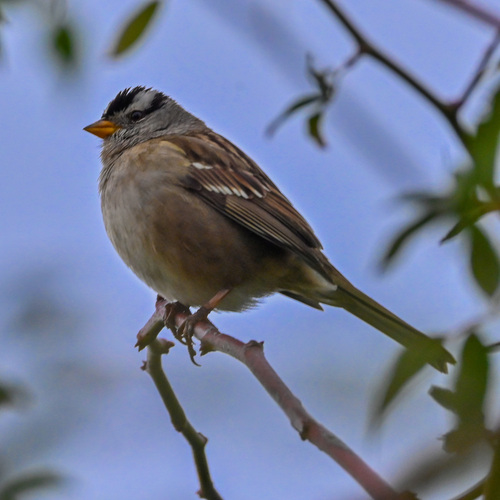
ミヤマシトド (Zonotrichia leucophrys) ミヤマシトド
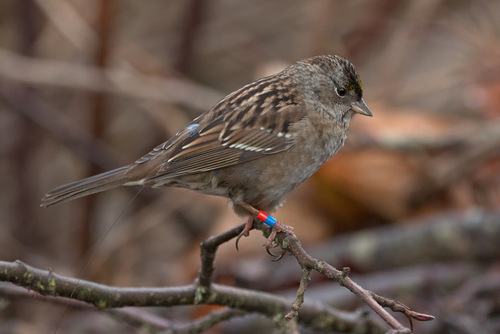
キガシラシトド (Zonotrichia atricapilla) キガシラシトド

メディア

読み込み中…

要点

ホワイトクラウンシトドとキガシラシトドの間で最も信頼できるフィールドマークは、冠のパターンと色です:成鳥のホワイトクラウンシトドは大胆な黒と白の頭のストライプを示し、成鳥のキガシラシトドは特に繁殖羽衣の際に、黒で縁取られた黄色の中央冠ストライプを持っています。両種の未成熟および非繁殖の鳥は混乱を招くことがありますが、くちばしの色(ホワイトクラウンは淡いピンク/黄色がかっており、キガシラは暗い/濃い色)と冠のマーキングの範囲と色は重要なポイントです。両種はサイズと形が似ていますが、キガシラは平均してやや大きく、ずんぐりしています。頭のパターン、くちばしの色、羽毛と構造の微妙な違いに注意を払うことで、特に混合した冬の群れの中でそれらを区別するのに役立ちます。

識別のコツ

  1. 冠のパターン(成鳥、繁殖): ホワイトクラウンシトドは冠に大胆な黒と白のストライプを示します;キガシラシトドは黒で縁取られた黄色の中央ストライプを持ち、後頭部で灰色にフェードします。
  2. 冠のパターン(未成熟/非繁殖): 未成熟および冬のキガシラシトドは、鈍いまたは不完全な黄色の冠ストライプを持っていますが、ホワイトクラウンの鋭い黒と白のコントラストは欠けています。若いホワイトクラウンは通常、少なくともいくつかの淡い冠ストライプを示します。
  3. くちばしの色: ホワイトクラウンシトドは淡いピンクまたは黄色がかったくちばしを持っています;キガシラシトドのくちばしは暗いまたは濃い色で、上くちばしは下くちばしよりも暗いです。これは鈍い羽毛の鳥ではしばしば最良のマークです。
  4. 顔のパターン: ホワイトクラウンは冠のストライプと対照的な無地の灰色の顔を持っています;キガシラの顔も灰色ですが、特に未成熟の個体では頭とより混ざり合っています。
  5. 上面と側面: 両者は茶色のストライプのある背中を持っていますが、キガシラの側面はよりバフ色で、尾羽はストライプがありません。一方、ホワイトクラウンの腹部はより均一に灰色です。
  6. 翼のパターン: 両者は2本の白い翼帯のある茶色の翼を示します;これは強い区別要因ではありません。
  7. 尾: 両者は長く、四角い先端の尾を持っています;尾の形は診断的ではありません。
  8. サイズと構造: キガシラはやや大きく、ずんぐりしていますが、これは微妙で、鳥が並んでいない限り信頼できません。
  9. 脚の色: キガシラは淡い茶色の脚を持っています;ホワイトクラウンの脚の色はフィールドでは特徴的ではありません。
  10. 虹彩の色: 両者は茶色の虹彩を持っています;これは有用なフィールドマークではありません。
  11. 生息地: 冬に重なります;強い区別要因ではありません。
  12. 行動: 両者は地面で群れをなして餌を探します;キガシラは冠のパターンを通じてより安定した群れの関連性と優位性のシグナルを示すことがあります。
  13. 群れの文脈: 混合した群れで見られた場合、両種を確認してください—すべての鳥が同じであると仮定しないでください。
  14. 季節的文脈: 繁殖シーズンでは、キガシラの黄色の冠が最も明るくなります;冬には冠のパターンがあまり明確でなくなり、ホワイトクラウンとの混乱が増します。
  15. 落とし穴: 未成熟のキガシラは非常に鈍く見えることがあり、明らかな黄色が欠けているかもしれませんが、依然として暗いくちばしを持ち、ホワイトクラウンよりも鮮明でない頭のパターンを持っています。未成熟のホワイトクラウンは茶色がかった冠ストライプを持つことがありますが、淡いくちばしを保持します。

大きさ

両方のシトドはそのグループの中で中型から大型で、キガシラシトドはホワイトクラウンシトド(15–16 cm、28.9 g)と比較して、平均してやや大きく重い(15–18 cm、19–35.4 g)です。フィールドでは、この違いは微妙で、鳥が並んでいない限り診断的ではありません。両者は長い尾を持ち、全体的な比率は似ていますが、キガシラはややずんぐりしていて、翼が長く見えることがあります。

羽色

繁殖羽衣の成鳥の場合、ホワイトクラウンシトドは冠に鮮明な黒と白のストライプを示し、無地の灰色の顔と茶色のストライプのある上面を持っています。キガシラシトドの成鳥は、黒で縁取られた広い黄色の中央冠ストライプを持ち、後頭部で灰色にフェードし、顔はホワイトクラウンの鋭い白のコントラストがないより無地の灰色です。非繁殖および未成熟の鳥では、キガシラの冠ストライプは鈍い黄色または欠如していることがありますが、頭はホワイトクラウンよりも鮮明なパターンではありません。くちばしの色は強い手がかりです:ホワイトクラウンは通常淡いピンクまたは黄色がかったくちばしを持ち、キガシラは暗いまたは濃い色で、上くちばしがより暗いです。両者は2本の白い翼帯のある茶色の翼、灰色の腹部、茶色のストライプのある背中を示しますが、キガシラの側面はよりバフ色で、尾羽はストライプがなく、ホワイトクラウンの腹部はより均一に灰色です。両種の幼鳥と初冬の鳥は混乱を招くことがありますが、ホワイトクラウンは通常、いくつかの淡い冠ストライプと淡いくちばしを保持し、キガシラは全体的に鈍く、鮮明な頭のコントラストが欠けています。

行動

両種は冬にしばしば一緒に群れをなします、特に北アメリカの西部で。キガシラシトドは、冠のパターンによって示される複雑な社会的階層を持つ安定した冬の群れを形成することで知られていますが、ホワイトクラウンシトドも社会的ですが、彼らの群れのダイナミクスについてはあまり知られていません。両者は茂みや雑草のある地域で地面で餌を探し、混合した群れの中で一般的な行動は似ています。

生息環境

ホワイトクラウンシトドは北アメリカの北部および西部の茂みのあるタイガ、ツンドラ、山地の生息地で繁殖しますが、キガシラシトドは西部に制限され、茂みのあるまたは開けた地域で繁殖します。冬には、両種は西部のアメリカで重なり、しばしば茂みのある、雑草のある、またはエッジの生息地にいます。生息地は、冬に彼らの範囲が重なる場所では強い区別要因ではありません。

より良い説明を送る

比較と同じ項目を使ってください。文章はすぐに公開されます。

The most reliable field mark between White-crowned and Golden-crowned Sparrows is the pattern and color of the crown: adult White-crowned Sparrows show bold black-and-white head stripes, while adult Golden-crowned Sparrows have a yellow central crown stripe bordered by black, especially in breeding plumage. Immature and non-breeding birds of both species can be confusing, but the bill color (pale pink/yellowish in White-crowned, dusky/dark in Golden-crowned) and the extent and color of the crown markings remain key. Both species are similar in size and shape, but Golden-crowned is slightly larger and bulkier on average. Careful attention to head pattern, bill color, and subtle differences in plumage and structure will help separate them, especially in mixed winter flocks.

  1. Crown pattern (adults, breeding): White-crowned Sparrow shows bold black and white stripes on the crown; Golden-crowned Sparrow has a yellow central stripe bordered by black, fading to gray at the nape.
  2. Crown pattern (immature/non-breeding): Immature and winter Golden-crowned Sparrows have a duller or incomplete yellow crown stripe, but still lack the sharp black-and-white contrast of White-crowned. Young White-crowned usually show at least some pale crown stripes.
  3. Bill color: White-crowned Sparrow has a pale pink or yellowish bill; Golden-crowned Sparrow's bill is dusky or dark, with the upper mandible darker than the lower. This is often the best mark in dull-plumaged birds.
  4. Face pattern: White-crowned has a plain gray face contrasting with the crown stripes; Golden-crowned's face is also gray but blends more with the head, especially in immatures.
  5. Upperparts and flanks: Both have brown streaked backs, but Golden-crowned's flanks are buffier and its rump is unstreaked, while White-crowned's underparts are more evenly gray.
  6. Wing pattern: Both show brown wings with two white wing bars; this is not a strong separator.
  7. Tail: Both have long, square-tipped tails; tail shape is not diagnostic.
  8. Size and structure: Golden-crowned is slightly larger and bulkier, but this is subtle and unreliable unless birds are side by side.
  9. Leg color: Golden-crowned has pale brown legs; White-crowned's leg color is not distinctive in the field.
  10. Iris color: Both have brown irises; not a useful field mark.
  11. Habitat: Overlaps in winter; not a strong separator.
  12. Behavior: Both forage in flocks on the ground; Golden-crowned may show more stable flock associations and dominance signaling via crown pattern.
  13. Flock context: If seen in a mixed flock, check for both species—do not assume all birds are the same.
  14. Seasonal context: In breeding season, Golden-crowned's yellow crown is brightest; in winter, crown pattern becomes less distinct, increasing confusion with White-crowned.
  15. Pitfalls: Immature Golden-crowned can look very dull and may lack obvious yellow, but will still have a dark bill and less crisp head pattern than White-crowned. Immature White-crowned may have brownish crown stripes but retain a pale bill.

Both sparrows are medium to large for their group, with Golden-crowned Sparrow averaging slightly larger and heavier (15–18 cm length, 19–35.4 g) compared to White-crowned Sparrow (15–16 cm, 28.9 g). In the field, this difference is subtle and rarely diagnostic unless birds are side by side. Both have long tails and similar overall proportions, but Golden-crowned may appear a bit bulkier and longer-winged.

For adults in breeding plumage, White-crowned Sparrow shows crisp black and white stripes across the crown, with a plain gray face and brown streaked upperparts. Golden-crowned Sparrow adults have a broad yellow central crown stripe bordered by black, fading to gray at the nape, and their face is plainer gray without the sharply contrasting white of White-crowned. In non-breeding and immature birds, Golden-crowned's crown stripe is duller yellow or even absent, but the head remains less crisply patterned than White-crowned. Bill color is a strong clue: White-crowned usually has a pale pink or yellowish bill, while Golden-crowned's is dusky or dark, with a darker upper mandible. Both show brown wings with two white wing bars, gray underparts, and brownish streaked backs, but Golden-crowned's flanks are buffier and the rump is unstreaked, while White-crowned's underparts are more evenly gray. Juvenile and first-winter birds of both species can be confusing, but White-crowned usually retains some pale crown stripes and a paler bill, while Golden-crowned is overall duskier and lacks sharp head contrasts.

Both species often flock together in winter, especially in the western parts of North America. Golden-crowned Sparrows are noted for forming stable winter flocks with complex social hierarchies signaled by crown pattern, while White-crowned Sparrows are also social but less is noted about their flock dynamics. Both forage on the ground in brushy or weedy areas, and their general behavior is similar in mixed flocks.

White-crowned Sparrows breed in brushy taiga, tundra, and montane habitats across northern and western North America, while Golden-crowned Sparrows are restricted to the west, breeding in shrubby or open areas. In winter, both species overlap in the western U.S., often in brushy, weedy, or edge habitats. Habitat is not a strong separator where their ranges overlap in winter.

変更を破棄しますか?

保存していない編集があります。今離れると失われます。

ミヤマシトド · キガシラシトド · 苦手な鳥