

Motmot

シラギクタイランチョウ 対 White-crested Tyrannulet

Elaenia albiceps 対 Serpophaga subcristata

シラギクタイランチョウとWhite-crested Tyrannuletのクイズ
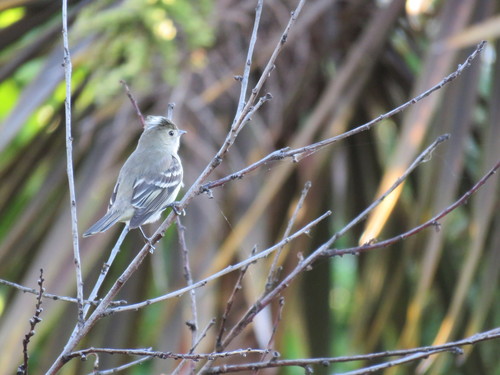
シラギクタイランチョウ (Elaenia albiceps) シラギクタイランチョウ
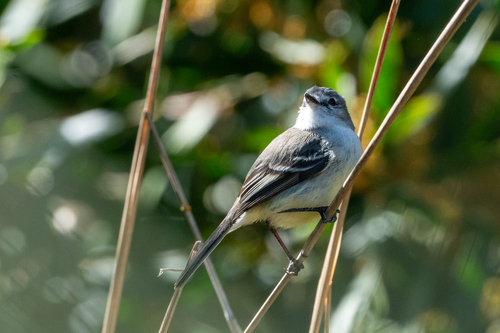
White-crested Tyrannulet (Serpophaga subcristata) White-crested Tyrannulet

メディア

読み込み中…

要点

シラギクタイランチョウとWhite-crested Tyrannuletの間で最も信頼できるフィールドマークはサイズです:シラギクタイランチョウは明らかに大きくてがっしりしており、体重が重く、体が長いのに対し、Tyrannuletは目に見えて小さく、より繊細です。両種は白い冠(しばしば隠れている)を示すことができ、2本の淡い翼帯と似たオリーブグレーの上面を持ち、素早い観察が難しいです。しかし、Tyrannuletははるかに短く、細いくちばしを持ち、薄い白い眉斑と部分的なアイリングでより対照的な顔の模様を持っているのに対し、シラギクタイランチョウの顔はより地味で、ローレスとアイリングはあまり目立ちません。幼鳥のTyrannuletはバフ色の翼帯を持ち、冠にはほとんど白がないか、全くないため、秋に役立つことがあります。構造と全体的な印象—特に直接比較において—は、しばしば羽毛だけよりも役立ちます。

識別のコツ

  1. Size is the quickest separator: シラギクタイランチョウはほぼ2倍の質量で、White-crested Tyrannuletよりも明らかに長いです。もし鳥が小さく、繊細で、コンパクトに見えるなら、Tyrannuletの可能性が高いです;もし中型で頑丈に見えるなら、シラギクタイランチョウを考えてください。(すべての年齢/季節)
  2. Bill shape and size: シラギクタイランチョウは明らかに大きく、深いくちばしを持ち、下顎の基部は淡い色をしていますが、Tyrannuletのくちばしは短く、細く、全体が黒です。くちばしの構造は、距離があっても見えることがよくあります。(すべての年齢)
  3. Facial pattern: Tyrannuletは薄い白い眉斑、部分的な白いアイリング、灰色の顔に暗いアイラインを示し、より際立った顔の模様を持っています。シラギクタイランチョウの顔はより地味で、白っぽいアイリングとローレスのみで、コントラストが少ないです。(すべての年齢)
  4. Crest visibility: 両種は通常隠れている白い冠のストライプを持っています。見えるとき、Tyrannuletのものは灰色の冠に対して明確に定義された白い中央ストライプであり、シラギクタイランチョウのものはオリーブグレーの頭に対してより広いクリーミーな白または白のストライプです。冠はめったに見えないので、このマークだけに頼らないでください。(すべての年齢)
  5. Wing bars: 両種は2本の淡い翼帯を持っていますが、シラギクタイランチョウのものは通常より白く、目立ちます(鈍い亜種を除く)、一方、Tyrannuletのものは特に幼鳥ではより淡いかバフ色です。(すべての年齢、特に幼鳥)
  6. Juvenile Tyrannulet: 幼鳥のTyrannuletはバフ色の翼帯を持ち、冠にはほとんど白がないか、全くないため、晩夏や秋に役立ちます。幼鳥のシラギクタイランチョウはこの組み合わせを示しません。(幼鳥)
  7. Tail pattern: Tyrannuletは外側の尾羽にのみ白っぽい縁を持ち、シラギクタイランチョウの尾は全体に狭いオリーブ色の縁があります。これは微妙ですが、良い観察で見ることができます。(すべての年齢)
  8. Underparts color: Tyrannuletの腹は淡い黄色(特定の亜種ではより明るいこともあります)ですが、シラギクタイランチョウの腹は白っぽいか、亜種によっては淡い黄色の洗いがかかっています。これは変動があり、常に信頼できるわけではありませんが、他のマークをサポートすることができます。(すべての年齢)
  9. Upperparts color: シラギクタイランチョウは上面が鈍いオリーブからオリーブグレーです;Tyrannuletは灰色がかったオリーブで、時には淡いオリーブの色合いがあります。違いは微妙で、光によって隠されることが多いですが、Tyrannuletは全体的により灰色に見えることがあります。(すべての年齢)
  10. Behavior: Tyrannuletはより活発で、飛び回り、低い茂みの中でホバリングします;シラギクタイランチョウはより落ち着いており、しばしば中層や樹冠に直立して止まります。(すべての年齢)
  11. Habitat and elevation: 高地の山地森林や乾燥した間の谷で見られる場合、シラギクタイランチョウの可能性が高いです;低地や丘の茂みや開けた森林、特に南アメリカの南部ではTyrannuletの可能性が高いです。(すべての年齢)
  12. Vocalizations: 地元の鳴き声を知っているなら、シラギクタイランチョウのぼやけた、くしゃみのような音はTyrannuletのものとは異なりますが、これは経験が必要です。(すべての年齢)
  13. Subspecies variation: 一部のシラギクタイランチョウの亜種は鈍い翼帯とあまり明確でない顔のマーキングを持ち、Tyrannuletと重なることがあります;この場合、サイズ、構造、くちばしの形にもっと頼ってください。(すべての年齢)
  14. Sexes are similar: 両種とも、オスとメスは似ているため、性別は有用なフィールドマークではありません。(すべての年齢)
  15. Direct comparison: 両種を一緒に見ると、サイズと構造の違いが際立ち、ほとんどの混乱を解消するはずです。

大きさ

シラギクタイランチョウはWhite-crested Tyrannuletのほぼ2倍の重さ(15.6 g対7.0 g)で、長さも異なります(13.5–15 cm対11 cm)。フィールドでは、シラギクタイランチョウはフライキャッチャーとして中型に見え、頑丈で丸みを帯びた体と、相対的に大きな頭とくちばしを持っています。Tyrannuletははるかに小さく、繊細で、よりコンパクトで、目に見えて短い尾と、より細く短いくちばしを持っています。並べて見たり、馴染みのある種と一緒に見たりすると、サイズのギャップは通常明らかです。

羽色

幼鳥のWhite-crested Tyrannuletsはバフ色の翼帯を持ち、冠にはほとんど白がないか、全くないのに対し、成鳥のTyrannuletsは2本の淡い(白っぽいからバフ色の)翼帯と、通常隠れている白い中央の冠ストライプを持っています。シラギクタイランチョウの成鳥と幼鳥は両方とも2本の白または白っぽい翼帯を示しますが、これらは一般的にTyrannuletのものよりも目立ち、きれいです。ただし、一部の亜種では鈍くなることがあります。シラギクタイランチョウの冠ストライプも通常隠れていますが、見えるときはクリーミーな白で、Tyrannuletのものよりも明確に定義されていません。シラギクタイランチョウの上面は鈍いオリーブからオリーブグレーで、地味な顔、白っぽいローレス、アイリングを持ち、Tyrannuletの上面は灰色がかったオリーブで、灰色の冠、薄い白い眉斑、白い部分的アイリング、暗いアイラインを持っています。両者とも暗い尾を持ち、淡い縁がありますが、Tyrannuletは外側の尾羽にのみ白っぽい縁を示し、シラギクタイランチョウの尾の縁はオリーブ色です。下部は両方とも淡いですが、Tyrannuletの腹は淡い黄色(特定の亜種ではより明るい)で、シラギクタイランチョウの腹は白っぽいか、亜種によっては淡い黄色の洗いがかかっています。

行動

シラギクタイランチョウは通常、単独で採餌し、中層や樹冠で見られ、動きがより鈍くまたは意図的に見えることがあります。White-crested Tyrannuletははるかに活発な採餌者で、茂みの中を素早く飛び回り、しばしば短時間ホバリングしたり、昆虫のために飛び出したりします。Tyrannuletの採餌はよりエネルギッシュで敏捷であり、シラギクタイランチョウはより直立して止まる傾向があり、あまり頻繁に動きません。

生息環境

シラギクタイランチョウは、亜熱帯および温帯の森林の縁、開けた森林、二次森林、茂みなど、さまざまな森林生息地で見られ、通常は中高地の乾燥した間の谷を好みます(ペルーでは最大3,500 m)。White-crested Tyrannuletは南アメリカの低地および丘陵地域でより広く分布し、茂み、開けた森林、茂みの多い地域を好み、通常は高地や密な森林の内部には存在しません。ボリビアや隣接地域での重複は可能ですが、文脈が役立ちます:シラギクタイランチョウは高地やより森林の多い山地の環境で見られる可能性が高いです。

声

両種は独特の鳴き声を持っていますが、これらは変動があり、経験がないと常に診断的ではありません。シラギクタイランチョウの歌は、ぼやけた上昇下降の音の連続として説明され、鳴き声はぼやけたまたはくしゃみのような質感を持っています。White-crested Tyrannuletの声はメモに詳細がありませんが、類似種とは強く異なることが知られており、StraneckのTyrannuletとの重要な区別です。実際には、声は地元のレパートリーを知っていれば役立ちますが、初めての観察者には常に信頼できるわけではありません。

より良い説明を送る

比較と同じ項目を使ってください。文章はすぐに公開されます。

The most reliable field mark between White-crested Elaenia and White-crested Tyrannulet is size: Elaenia is distinctly larger and bulkier, with a heavier build and longer body, while Tyrannulet is noticeably smaller and more delicate. Both species can show a white crest (often concealed), two pale wing bars, and similar olive-gray upperparts, making quick views tricky. However, the Tyrannulet has a much shorter, finer bill and a more contrasting facial pattern with a thin white supercilium and partial eyering, while the Elaenia’s face is plainer and the lores and eyering are less distinct. Juvenile Tyrannulets have buffier wing bars and little or no white on the crown, which can help in autumn. Structure and overall jizz—especially in direct comparison—are often more helpful than plumage alone.

  1. Size is the quickest separator: White-crested Elaenia is nearly twice the mass and distinctly longer than White-crested Tyrannulet. If the bird looks small, delicate, and compact, Tyrannulet is more likely; if it looks medium-sized and robust, think Elaenia. (All ages/seasons)
  2. Bill shape and size: Elaenia has a noticeably larger, deeper bill with a pale base to the mandible, while Tyrannulet’s bill is short, fine, and all black. Bill structure is often visible even at a distance. (All ages)
  3. Facial pattern: Tyrannulet shows a thin white supercilium, a partial white eyering, and a dusky eye-line on a grayish face, giving a more marked facial pattern. Elaenia’s face is plainer, with only a whitish eyering and lores, and less contrast. (All ages)
  4. Crest visibility: Both species have a white crest stripe that is usually hidden. When visible, Tyrannulet’s is a sharply defined white central stripe on a gray crown; Elaenia’s is a broader, creamy white or white stripe on an olive-gray head. Crest is rarely visible, so do not rely on this mark alone. (All ages)
  5. Wing bars: Both species have two pale wing bars, but Elaenia’s are typically whiter and more prominent (except in duller subspecies), while Tyrannulet’s are paler or buffier, especially in juveniles. (All ages, but especially juveniles)
  6. Juvenile Tyrannulet: Juvenile Tyrannulets have buff wing bars and little or no white on the crown, which can help in late summer and autumn. Juvenile Elaenias do not show this combination. (Juveniles)
  7. Tail pattern: Tyrannulet has whitish edges only on the outer tail feathers; Elaenia’s tail has narrow olive edges throughout. This is subtle but can be seen in good views. (All ages)
  8. Underparts color: Tyrannulet’s belly is pale yellow (sometimes brighter in certain subspecies), while Elaenia’s is whitish or with a faint yellow wash (in some subspecies). This is variable and not always reliable, but can support other marks. (All ages)
  9. Upperparts color: Elaenia is dull olive to olive-gray above; Tyrannulet is grayish olive, sometimes with a faint olive tinge. The difference is subtle and often masked by light, but Tyrannulet can look grayer overall. (All ages)
  10. Behavior: Tyrannulet is more active, flitting and hovering in low scrub; Elaenia is more sedate, often perching upright in mid-story or canopy. (All ages)
  11. Habitat and elevation: If seen in high-elevation montane forest or drier intermontane valleys, Elaenia is more likely; in lowland or foothill scrub and open woodland, especially in southern South America, Tyrannulet is more likely. (All ages)
  12. Vocalizations: If you know the local calls, Elaenia’s burry, sneezing notes differ from Tyrannulet’s, but this is only useful with experience. (All ages)
  13. Subspecies variation: Some Elaenia subspecies have duller wing bars and less distinct facial markings, which can overlap with Tyrannulet; in these cases, rely more on size, structure, and bill shape. (All ages)
  14. Sexes are similar: In both species, males and females look alike, so sex is not a useful field mark. (All ages)
  15. Direct comparison: If you see both species together, the size and structure difference is striking and should resolve most confusion.

White-crested Elaenia is almost twice as heavy as White-crested Tyrannulet (15.6 g vs. 7.0 g) and is longer (13.5–15 cm vs. 11 cm). In the field, Elaenia appears medium-sized for a flycatcher, with a robust, rounded body and a proportionally larger head and bill. Tyrannulet is much smaller, daintier, and more compact, with a noticeably shorter tail and a finer, shorter bill. When seen side by side or with familiar species, the size gap is usually obvious.

Juvenile White-crested Tyrannulets have buff wing bars and lack or show very little white on the crown, while adult Tyrannulets have two pale (whitish to buffy) wing bars and a white central crown stripe that is usually hidden. White-crested Elaenia adults and immatures both show two white or whitish wing bars, but these are generally more prominent and cleaner than the Tyrannulet's, except in some subspecies where they can be duller. Elaenia’s crest stripe is also usually hidden, but when visible, it is creamy white and less sharply defined than the Tyrannulet’s. Elaenia’s upperparts are dull olive to olive-gray, with a plain face, whitish lores, and eyering, while Tyrannulet’s upperparts are grayish olive with a gray crown, thin white supercilium, white partial eyering, and a dusky eye-line. Both have dusky tails with pale edges, but Tyrannulet shows whitish edges only on the outer tail feathers, while Elaenia’s tail edges are olive. Underparts are paler in both, but Tyrannulet’s belly is pale yellow (brighter in some subspecies), while Elaenia’s is whitish or with a pale yellow wash depending on subspecies.

White-crested Elaenia typically forages singly, often in the mid-story or canopy, and can appear more sluggish or deliberate in its movements. White-crested Tyrannulet is a much more active forager, flitting rapidly through scrubby vegetation, often hovering briefly or sallying out for insects. Tyrannulet’s foraging is more energetic and agile, while Elaenia tends to perch more upright and move less frequently.

White-crested Elaenia is found in a range of wooded habitats, including edges of subtropical and temperate forests, open woodlands, secondary forest, and scrublands, often favoring drier intermontane valleys at mid to high elevations (up to 3,500 m in Peru). White-crested Tyrannulet is more widespread in lowland and foothill regions of southern South America, favoring scrub, open woodland, and bushy areas, and is generally absent from higher elevations and dense forest interiors. Overlap is possible in Bolivia and adjacent regions, but context can help: Elaenia is more likely at higher elevations and in more forested or montane settings.

Both species have distinctive vocalizations, but these are variable and not always diagnostic without experience. White-crested Elaenia’s song is described as a series of burry, rising-falling notes, with calls that are burry or sneezing in quality. White-crested Tyrannulet’s voice is not detailed in the notes, but it is known to differ strongly from similar species and is a key separation from Straneck’s Tyrannulet. In practice, voice is useful if you know the local repertoire, but not always reliable for a first-time observer.

変更を破棄しますか?

保存していない編集があります。今離れると失われます。

シラギクタイランチョウ · White-crested Tyrannulet · 苦手な鳥