

Motmot

ノドジロクロミズナギドリ 対 クロミズナギドリ

Procellaria aequinoctialis 対 Procellaria parkinsoni

ノドジロクロミズナギドリとクロミズナギドリのクイズ
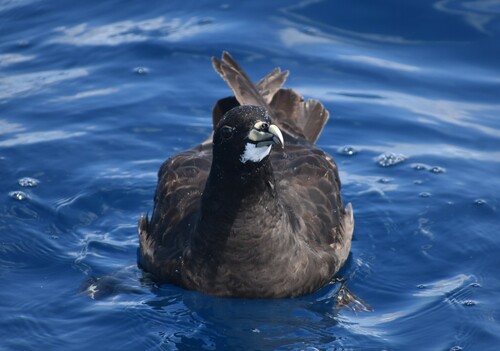
ノドジロクロミズナギドリ (Procellaria aequinoctialis) ノドジロクロミズナギドリ
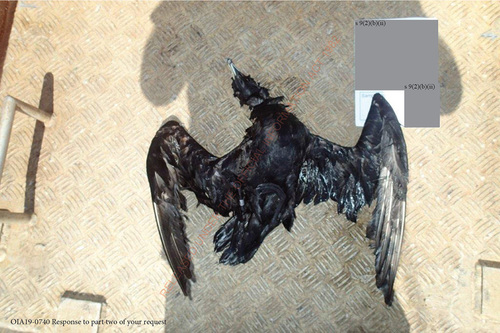
クロミズナギドリ (Procellaria parkinsoni) クロミズナギドリ

メディア

読み込み中…

要点

ホドジロクロミズナギドリとクロミズナギドリを区別する最も信頼できるフィールドマークは、ホドジロクロミズナギドリの顎と喉に明らかな白があることで、これはクロミズナギドリには全くありません。ホドジロはまた、明らかに大きくてがっしりしており、より重いくちばしと広い翼を持っていますが、クロミズナギドリは小さく、スリムで、全体が黒です。飛行中は、ホドジロの銀色の下翼の一次羽を探してください。これはクロミズナギドリでは欠けているか、はるかに目立たないことがあります。両種は全体的に暗い羽毛と黒い脚を共有していますが、サイズ、くちばしの色、顔の白の有無に注意を払うことが重要です。これらの違いは成鳥と幼鳥に当てはまりますが、ホドジロの顎の白は変動があり、時には限られることがあります。

識別のコツ

  1. 白い顎/喉の斑点: 顎や喉に白があるかどうかを探してください。これはすべての年齢のホドジロクロミズナギドリの診断的な特徴であり、クロミズナギドリには決して見られません。範囲は変動することがありますが、小さな斑点でも重要です。
  2. 全体のサイズと体格: ホドジロははるかに大きく、重い体を持ち、明らかにがっしりした体型と広い翼を持っています。これは、鳥が一緒に見られるときや他の種と一緒にスケールを測るときに使用してください。
  3. くちばしの色と形: ホドジロは、鼻孔の間に黒がある角または黄味がかったくちばしを持ち、より重く、頑丈に見えます。クロミズナギドリは主に黒いくちばしを持ち、いくつかの淡い部分がありますが、全体的にはスリムです。
  4. 羽毛の均一性: クロミズナギドリは全体が黒で、顎と喉も含まれ、どの年齢でも淡い斑点はありません。ホドジロはすすけた黒ですが、成鳥と幼鳥には常に顎に少なくともいくつかの白があります。
  5. 飛行中の下翼: ホドジロは、特に強い光の中で、下翼の一次羽に銀色の光沢を示すことがあり、飛行中の視認に役立ちます。クロミズナギドリの下翼は均一に暗いです。
  6. 脚と足の色: 両方とも黒い脚と足を持っていますが、これは区別には役立ちません。
  7. 飛行スタイル: ホドジロは重く、より鈍重に見え、遅く、深い翼の打撃と滑空を交互に行います。クロミズナギドリは軽く、より敏捷に見えますが、これは微妙で、他のマークと組み合わせて使用するのが最適です。
  8. 地理的文脈: ハウラキ湾やニュージーランド近くで見られた場合、特に繁殖期には、クロミズナギドリの方が可能性が高いですが、ホドジロも漂流者として発生することがあります。南の海域では、ホドジロが優勢です。
  9. 年齢特有の上翼のマークはなし: どちらの種も、顎/喉とサイズの違いを覆すような特徴的な幼鳥または未熟な上翼のパターンを示しません。
  10. 近距離でのくちばしの構造: よく見える場合、ホドジロのより重く、より膨らんだくちばしは、クロミズナギドリのスリムなくちばしと比較して独特です。
  11. ホドジロの変動性: ホドジロの白い顎の斑点は小さかったり広範囲にわたったりすることがあり、悪い光や距離で目立たないことがあります。常に複数の視点を試みてください。
  12. 羽毛の落とし穴: 両方とも暗い羽毛を持っているため、全体の暗さだけに頼らないでください。顎/喉とくちばしに焦点を当ててください。
  13. 海での鳴き声は役立たない: 両方ともコロニーから離れると静かで、鳴き声はフィールドマークではありません。
  14. 性差はわずか: 両種は性別間でわずかなサイズの違いしか示さず、フィールドIDには役立ちません。
  15. 季節的文脈: ニュージーランドの繁殖期(10月〜6月)には、クロミズナギドリがコロニーの近くで見られる可能性が高いですが、両方とも重なり合う範囲で海で見つかることがあります。

大きさ

ホドジロクロミズナギドリは、クロミズナギドリよりもかなり大きく、重いです。ホドジロは平均して51〜58 cmの長さで、翼幅は134〜147 cm、質量は約1335 gで、これは最大のプロセラリアのペトレルであり、その家族の中で巨大なペトレルに次いでいます。クロミズナギドリは約46 cmの長さで、翼幅は115 cm、質量は680〜720 gと明らかに小さいです。直接比較すると、ホドジロはよりがっしりしており、より頑丈な体型と重く、がっしりしたくちばしを持っています。一緒に見られた場合、ホドジロは静止時でも飛行時でもクロミズナギドリを圧倒します。

羽色

羽毛の主な違いは、ホドジロクロミズナギドリの白い顎と喉の斑点で、これはすべての年齢のクロミズナギドリにはありません。この白は広範囲にわたることもあれば限られることもありますが、小さな斑点でも診断的です。ホドジロはそれ以外はすすけた黒で、時には飛行中に下翼の一次羽に銀色の光沢を持つことがあります。クロミズナギドリは全体が黒で、顎と喉も含まれ、淡い斑点はありません。両方とも黒い脚と足を持っていますが、くちばしの色は異なります。ホドジロは、鼻孔の間に黒がある角または黄味がかったくちばしを持ち、クロミズナギドリは主に黒いくちばしを持ち、いくつかの淡い部分があります。どちらの種にも、これらの対比を覆すような年齢特有の上翼のパターンや幼鳥特有のマークは報告されていません。両方ともすべての年齢で暗い羽毛を持っています。

行動

ホドジロクロミズナギドリは、飛行中に重く、より鈍重に見える傾向があり、遅く、深い翼の打撃と滑空を交互に行います。クロミズナギドリは小さく、軽いため、より敏捷に見え、飛行スタイルがあまり労力を要しないように見えることがあります。両種は通常、海では静かですが、ホドジロはコロニーでガラガラ音を立てたりうめいたりすることがあります。海で見られた場合にフィールドでの区別に役立つような採餌や社会性における強い行動の違いはありません。

生息環境

範囲と文脈が役立ちます。ホドジロクロミズナギドリは南極海全体に広がっており、散在する亜南極の島々で繁殖し、南オーストラリア、ペルー、ナミビアまで分布しています。クロミズナギドリはニュージーランドの固有の繁殖者であり、大バリア島と小バリア島に制限されますが、海で広く分散し、時にはオーストラリアや東太平洋に達することがあります。ニュージーランド近く、特にハウラキ湾で見られた場合、クロミズナギドリの方が可能性が高いですが、両方とも沖合で重なることがあります。ホドジロは南の海域で非常に可能性が高いですが、クロミズナギドリはニュージーランド地域の外では稀です。

声

両種は通常、海では静かです。コロニーでは、ホドジロクロミズナギドリはガラガラ音やうめき声を出すことがありますが、これらは典型的なフィールド条件では聞こえない可能性があります。クロミズナギドリには特有の鳴き声のフィールドマークは報告されていません。

より良い説明を送る

比較と同じ項目を使ってください。文章はすぐに公開されます。

The most reliable field mark to separate White-chinned Petrel from Parkinson's Petrel is the presence of obvious white on the chin and throat of White-chinned Petrel, which is entirely lacking in Parkinson's. White-chinned is also distinctly larger and bulkier, with a heavier bill and broader wings, while Parkinson's is smaller, slimmer, and all-black. In flight, look for the silvery underwing primaries of White-chinned, which can be absent or much less noticeable on Parkinson's. Both species share overall dark plumage and black legs, but careful attention to size, bill color, and the presence or absence of white on the face is key. These differences hold for adults and immatures, though white on the chin of White-chinned can be variable and sometimes limited.

  1. White chin/throat patch: Look for any white on the chin or throat—this is diagnostic for White-chinned Petrel of all ages and never shown by Parkinson's. The extent can vary, but even a small patch is significant.
  2. Overall size and bulk: White-chinned is much larger and heavier-bodied, with a noticeably stouter build and broader wings. Use this when birds are seen together or with other species for scale.
  3. Bill color and shape: White-chinned has a horn or yellowish bill with black between the nostrils, appearing heavier and more robust. Parkinson's has a mostly black bill with some pale areas, but is slimmer overall.
  4. Uniformity of plumage: Parkinson's is entirely black, including the chin and throat, with no pale markings at any age. White-chinned is sooty-black but always has at least some white on the chin in adults and immatures.
  5. Underwing in flight: White-chinned may show a silvery sheen to the underwing primaries, especially in strong light, which can help in flight views. Parkinson's underwing is uniformly dark.
  6. Leg and foot color: Both have black legs and feet—this is not useful for separation.
  7. Flight style: White-chinned appears heavier and more ponderous, with slower, deeper wingbeats interspersed with glides. Parkinson's is lighter and more agile, but this is subtle and best used in combination with other marks.
  8. Geographic context: If seen in the Hauraki Gulf or near New Zealand, especially during the breeding season, Parkinson's is more likely, but White-chinned can occur as a vagrant. In the far southern oceans, White-chinned predominates.
  9. No age-specific upperwing marks: Neither species shows distinctive juvenile or immature upperwing patterns that override the chin/throat and size differences.
  10. Bill structure in close views: If seen well, the heavier, more bulbous bill of White-chinned is distinctive compared to the slimmer bill of Parkinson's.
  11. White-chinned variability: Be aware that the white chin patch on White-chinned can be small or extensive, and may be less obvious in poor light or at distance—always try for multiple views.
  12. Plumage pitfalls: Do not rely on overall darkness alone, as both are dark-plumaged; focus on the chin/throat and bill.
  13. Vocalizations not useful at sea: Both are silent away from colonies, so calls are not a field mark.
  14. Sex differences minor: Both species show only slight size differences between sexes, not useful for field ID.
  15. Seasonal context: During the New Zealand breeding season (October–June), Parkinson's is more likely near its colonies, but both can be found at sea in overlapping ranges.

White-chinned Petrel is substantially larger and heavier than Parkinson's Petrel. White-chinned averages 51–58 cm in length with a wingspan of 134–147 cm and a mass around 1335 g, making it the largest Procellaria petrel and second only to the giant petrels in its family. Parkinson's Petrel is noticeably smaller at about 46 cm long, with a wingspan of 115 cm and a mass of 680–720 g. In direct comparison, White-chinned appears bulkier, with a more robust build and a heavier, stouter bill. If seen together, White-chinned will dwarf Parkinson's both at rest and in flight.

The key plumage difference is the white chin and throat patch on White-chinned Petrel, which is absent in Parkinson's Petrel of all ages. This white can be extensive or limited, but even a small patch is diagnostic. White-chinned is otherwise sooty-black, sometimes with a silvery sheen to the underwing primaries, especially in flight. Parkinson's Petrel is uniformly black throughout, including the chin and throat, with no pale markings. Both have black legs and feet, but bill color differs: White-chinned has a horn or yellowish bill with some black between the nostrils, while Parkinson's has a mostly black bill with some pale areas. There are no reported age-specific upperwing patterns or juvenile-specific marks for either species that would override these contrasts; both are dark-plumaged at all ages.

White-chinned Petrel tends to appear heavier and more ponderous in flight, mixing slow, deep wingbeats with glides, befitting its larger size. Parkinson's Petrel, being smaller and lighter, may appear more agile and less labored in its flight style. Both species are typically quiet at sea, but White-chinned can rattle or groan at colonies. There are no strong behavioral differences in foraging or sociality that are useful for field separation when seen at sea.

Range and context can help: White-chinned Petrel is widespread across the Southern Ocean, breeding on scattered subantarctic islands and ranging to southern Australia, Peru, and Namibia. Parkinson's Petrel is a New Zealand endemic breeder, restricted to Great and Little Barrier Islands, but disperses widely at sea, sometimes reaching Australia and the eastern Pacific. If seen near New Zealand, especially in the Hauraki Gulf, Parkinson's is more likely, but both can overlap offshore. White-chinned is much more likely in the far southern oceans, while Parkinson's is rare outside the New Zealand region.

Both species are usually silent at sea. At colonies, White-chinned Petrel may give rattling or groaning calls, but these are unlikely to be heard in typical field conditions. No distinctive vocal field marks are reported for Parkinson's Petrel.

変更を破棄しますか?

保存していない編集があります。今離れると失われます。

ノドジロクロミズナギドリ · クロミズナギドリ · 苦手な鳥