

Motmot

ホオジロオナガガモ 対 ベニバシガモ

Anas bahamensis 対 Netta peposaca

ホオジロオナガガモとベニバシガモのクイズ
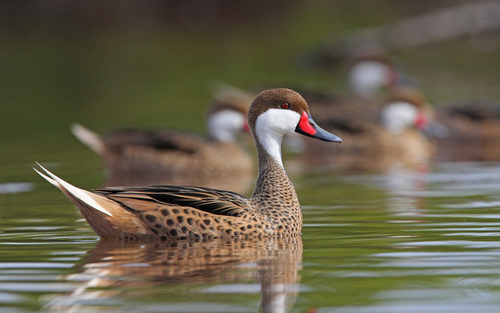
ホオジロオナガガモ (Anas bahamensis) ホオジロオナガガモ
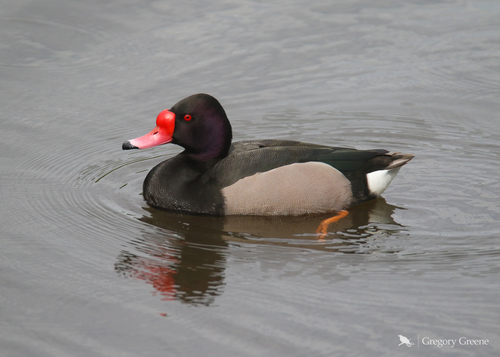
ベニバシガモ (Netta peposaca) ベニバシガモ

メディア

読み込み中…

要点

ホオジロオナガガモとベニバシガモを区別する最も信頼できる方法は、頭部とくちばしのパターンによるものです。オナガガモは鮮明な白い頬と赤みを帯びた灰色のくちばしを示し、オスのポチャードは目を引く明るい赤いくちばしと目立つつまみ、暗い紫黒色の頭を持っています。メスと幼鳥は鈍い茶色で青灰色のくちばしを持っています。飛行中、ベニバシガモは暗い羽毛と対照的な大胆な白い翼のストライプ(一次羽と二次羽)を見せ、一方でホオジロオナガガモは虹色の緑のスペキュラムを示しますが、そのような強い白いパネルは欠けています。構造も異なります。オナガガモはより細身で尖った尾を持ち、ポチャードは体が重く、鈍い尾を持っています。両種は南アメリカの湿地に生息していますが、行動や姿勢は異なり、ポチャードは陸上であまり機敏ではなく、潜水する可能性が高いです。サイズも手がかりであり、ポチャードはオナガガモのほぼ2倍の重さです。

識別のコツ

  1. 白い頬のパッチ(すべての年齢、両性): ホオジロオナガガモだけが鮮明で明確な白い頬を持ち、ベニバシガモはこの特徴を示しません。
  2. くちばしの色と形(成鳥): オスのベニバシガモは大きく丸い基部のつまみを持つ明るい赤いくちばしを持ち、メス/幼鳥は黒い先端を持つ青灰色のくちばしを持っています。ホオジロオナガガモは赤い基部を持つ灰色のくちばしを示し(幼鳥では鈍い)、つまみはありません。
  3. 頭部と首の色: 成鳥のオスのポチャードは光沢のある紫黒色の頭と首を持ち、メスと幼鳥のポチャードは茶色です。オナガガモは全体的に茶色で白い頬を持っています。
  4. 飛行中の翼のパターン(すべての年齢): ポチャードは飛行中に一次羽と二次羽に広く明るい白いストライプを示し、オナガガモは虹色の緑のスペキュラムを示しますが、白い翼のパネルはありません。
  5. 尾の形: オナガガモは細長い尖った尾を持ち(北オナガガモよりは少ないですが)、ポチャードの尾は短く鈍いです。
  6. 体の形と姿勢: オナガガモはより細身で長く、首と尾が長いです。ポチャードはよりがっしりしており、胸が深く、頭が大きいです。
  7. サイズ: ポチャードはオナガガモのほぼ2倍の重さです。この違いは、鳥が並んでいるときに最も明らかですが、体格や比率で判断できます。
  8. クリッサム(尾の下の部分): メスと幼鳥のポチャードは対照的な白いクリッサムを持ち、オナガガモはこの特徴を示しません。
  9. 目の色: オスのポチャードは赤い目を持ち、オナガガモの目の色は区別には特に特徴的ではありません。
  10. 足の色: ポチャードの足は黄色からオレンジ(メスでは灰色になることもあります)で、オナガガモの足の色は特に特徴的とはされていません。
  11. 陸上での行動: オナガガモはより容易に歩き、陸上で機敏です。ポチャードは不器用で、足が後方に位置しています。
  12. 採餌行動: 両者は水面で採餌しますが、ポチャードは特に驚いたときに潜水する可能性が高いです。
  13. 生息地: オナガガモは塩水や沿岸の潟にいる可能性が高く、ポチャードは淡水湖や湿地を好みますが、重複は一般的です。
  14. 性的二形性: オナガガモのオスとメスは似ていますが、ポチャードのオスはメスや幼鳥よりもはるかにカラフルです。
  15. 鳴き声: 信頼できるフィールドマークではありません。ポチャードの鳴き声は静かで深い「ホンク」です。

大きさ

ベニバシガモはホオジロオナガガモよりもかなり大きく、重いです。成鳥のポチャードは平均約1090gで、オナガガモは(亜種によって異なりますが)通常470〜710gです。ポチャードはフィールドでよりがっしりしており、頭が大きく胸が深い一方、オナガガモはより細身で長く、特に尾が細長いです。このサイズの違いは、鳥が一緒に見られるときに通常は明らかですが、距離がある場合や水中ではあまり目立たないことがあります。

羽色

幼鳥とメスのベニバシガモは全体的に茶色で、淡い青灰色のくちばしの先端が黒く、対照的な白いクリッサム(尾の下の部分)を持っています。オスの赤いくちばしとつまみはありません。飛行中、すべての年齢のベニバシガモは一次羽と二次羽に広く明るい白いストライプを示し、これは翼を広げたときにのみ見える重要なマークです。すべての年齢のホオジロオナガガモは、明確な白い頬のパッチと翼の虹色の緑のスペキュラムを持つ茶色の上面を示しますが、広い白い翼のストライプは欠けています。オナガガモのくちばしは赤い基部を持つ灰色で(幼鳥では鈍い)、尾は尖っています。成鳥のオスのポチャードは光沢のある黒っぽい頭と胸、赤い目、そして大きな基部のつまみを持つ明るい赤いくちばしを持ち、メスと幼鳥ははるかに鈍いです。オナガガモは性別間で似ており、メスはわずかに鈍いです。オナガガモの白い頬はすべての年齢でユニークで診断的です。

行動

ホオジロオナガガモは典型的な水面採餌のカモで、陸上でも水中でも機敏で、しばしば水面で餌を食べたり、頭を下げたりしているのが見られます。ベニバシガモは潜水カモとして分類されていますが、しばしば水面で採餌しますが、後ろに足があるため陸上ではあまり優雅ではなく、驚いたときには潜水する可能性が高いです。飛行中、ポチャードはより重く見え、翼を速く動かし、離陸するためにより長い距離が必要ですが、オナガガモはより流線型で機敏です。社会的行動や群れの傾向は、フィールドIDにおいて特に異なることはありません。

生息環境

両種は南アメリカの湿地に生息していますが、ホオジロオナガガモはカリブ海でより広く分布し、南アメリカでは点在しています。一方、ベニバシガモは南アメリカ南部(アルゼンチン、チリ、パラグアイ、ウルグアイ、南ブラジル)に特有です。オナガガモは塩水や沿岸の潟にいる可能性が高く、ポチャードは淡水湖や湿地を好みます。しかし、生息地の重複が十分にあるため、生息地だけでは診断的ではありません。

声

鳴き声は区別のための強いフィールドマークではありません。ベニバシガモは、典型的なマガモのような鳴き声よりも目立たない深く静かな「ホンク」を出します。ホオジロオナガガモに関しては、情報源に特に特徴的な鳴き声は記載されていません。

より良い説明を送る

比較と同じ項目を使ってください。文章はすぐに公開されます。

The most reliable way to separate White-cheeked Pintail from Rosy-billed Pochard is by head and bill pattern: the pintail shows crisp white cheeks and a red-based gray bill, while the male pochard has a striking bright red bill with a prominent knob and a dark, purplish-black head; females and immatures are dull brown with a bluish-gray bill. In flight, Rosy-billed Pochard reveals a bold white wing stripe (primaries and secondaries) contrasting with otherwise dark plumage, while White-cheeked Pintail shows an iridescent green speculum but lacks such a strong white panel. Structure also differs: the pintail is more slender with a pointed tail, the pochard is heavier-bodied and has a blunter tail. Both species can be found in South American wetlands, but their behavior and posture differ, with the pochard less agile on land and more likely to dive. Size is also a clue, as the pochard is nearly twice as heavy as the pintail.

  1. White cheek patch (all ages, both sexes): Only White-cheeked Pintail has a crisp, well-defined white cheek; Rosy-billed Pochard never shows this feature.
  2. Bill color and shape (adults): Male Rosy-billed Pochard has a bright red bill with a large, rounded basal knob; females/immatures have a bluish-gray bill with a black tip. White-cheeked Pintail shows a gray bill with a red base (duller in juveniles), and no knob.
  3. Head and neck color: Adult male pochard has a glossy purplish-black head and neck; female and immature pochards are brown. Pintail is brown overall with white cheeks.
  4. Flight wing pattern (all ages): Pochard shows a broad, bright white stripe on the primaries and secondaries in flight; pintail shows an iridescent green speculum but no white wing panel.
  5. Tail shape: Pintail has a slender, pointed tail (though less so than Northern Pintail); pochard's tail is shorter and blunter.
  6. Body shape and posture: Pintail is more slender and elongated, with a longer neck and tail; pochard is bulkier, with a deeper chest and larger head.
  7. Size: Pochard is nearly twice as heavy as pintail; this is most obvious when birds are side by side, but can be judged by bulk and proportions.
  8. Crissum (undertail area): Female and immature pochards have a contrasting white crissum; pintails do not show this feature.
  9. Eye color: Male pochard has red eyes; pintail's eye color is not distinctive for separation.
  10. Leg color: Pochard legs are yellow to orange (can be gray in females); pintail leg color is not described as distinctive.
  11. Behavior on land: Pintail walks more easily and is agile on land; pochard is awkward, with legs set far back.
  12. Feeding behavior: Both dabble, but pochard may dive more often, especially when alarmed.
  13. Habitat: Pintail is more likely in brackish or coastal lagoons; pochard prefers freshwater lakes and marshes, but overlap is common.
  14. Sexual dimorphism: Pintail sexes are similar; pochard males are much more colorful than females/immatures.
  15. Vocalizations: Not a reliable field mark; pochard's call is a quiet, deep 'honk.'

Rosy-billed Pochard is substantially larger and heavier than White-cheeked Pintail. Adult pochards average about 1090 g, while pintails (depending on subspecies) are typically 470–710 g. The pochard also appears bulkier and more robust in the field, with a larger head and deeper chest, while the pintail is more slender and elongated, especially in the tail. This size difference is usually obvious when birds are seen together, but can be less apparent at a distance or on the water.

Juvenile and female Rosy-billed Pochards are brown overall, with a pale bluish-gray bill tipped black and a contrasting white crissum (undertail area); they lack the male's red bill and knob. In flight, all ages of Rosy-billed Pochard show a broad, bright white stripe across the primaries and secondaries—a key mark visible only with wings spread. White-cheeked Pintail of all ages shows brown upperparts with a distinct white cheek patch and an iridescent green speculum in the wing, but lacks any broad white wing stripe. The pintail's bill is gray with a red base (duller in juveniles), and the tail is pointed. Adult male pochards have a glossy blackish head and breast, red eyes, and a bright red bill with a large basal knob, while females and immatures are much duller. Pintails are similar between sexes, with females only slightly duller. The pintail's white cheeks are unique and diagnostic at all ages.

White-cheeked Pintail is a typical dabbling duck, agile on land and water, often seen feeding at the surface or tipping up. Rosy-billed Pochard, though classified as a diving duck, often feeds by dabbling as well, but is less graceful on land due to its rear-set legs and is more likely to dive when alarmed. In flight, the pochard appears heavier and beats its wings faster, needing a longer run to take off, while the pintail is more streamlined and agile. Social behavior and flocking tendencies are not notably different for field ID.

Both species occur in South American wetlands, but White-cheeked Pintail is more widespread in the Caribbean and patchy in South America, while Rosy-billed Pochard is endemic to southern South America (Argentina, Chile, Paraguay, Uruguay, southern Brazil). Pintails are more likely in brackish and coastal lagoons, while pochards prefer freshwater lakes and marshes. However, range overlap is sufficient that habitat alone is not diagnostic.

Vocalizations are not a strong field mark for separation. Rosy-billed Pochard gives a deep, quiet 'honk' that is less obvious than the typical mallard-like quacks of many ducks. No distinctive vocalization is noted for White-cheeked Pintail in the sources.

変更を破棄しますか?

保存していない編集があります。今離れると失われます。

ホオジロオナガガモ · ベニバシガモ · 苦手な鳥