

Motmot

ハイガシラホオジロ 対 イワバホオジロ

Emberiza stewarti 対 Emberiza buchanani

ハイガシラホオジロとイワバホオジロのクイズ
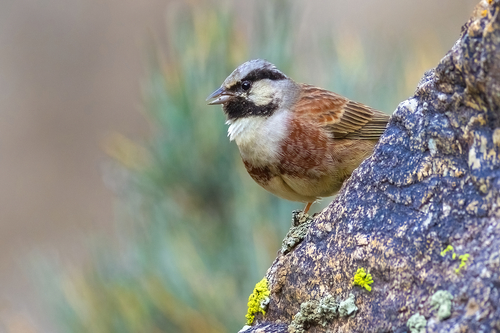
ハイガシラホオジロ (Emberiza stewarti) ハイガシラホオジロ
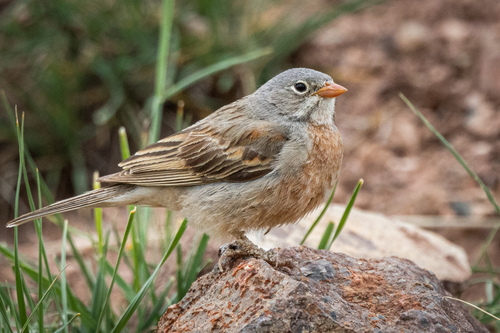
イワバホオジロ (Emberiza buchanani) イワバホオジロ

メディア

読み込み中…

要点

イワバホオジロとハイガシラホオジロの最も信頼できるフィールドマークは、成鳥のハイガシラホオジロの目を引く白い冠であり、これはイワバホオジロには決して見られません。イワバホオジロのオスは、代わりに均一な灰色のフードと明確な白いアイリングを持ち、両性ともにピンクがかった腹部と長いピンクのくちばしを示します。両種の幼鳥と非繁殖期の鳥は似て見えることがありますが、イワバホオジロの灰色がかった上面と白い外尾羽は役立ちます。生息地と構造は微妙な手がかりしか提供しないため、最良の識別のためには頭のパターンと腹部の色に焦点を当ててください。

識別のコツ

  1. 白い冠(成鳥のハイガシラホオジロ): 成鳥のハイガシラホオジロだけが、クリーンで対照的な白い冠を示します。これを見たら、イワバは除外されます。
  2. 灰色のフードと白いアイリング(イワバホオジロのオス): 成鳥のオスのイワバホオジロは均一な灰色のフードと明確な白いアイリングを持ち、ハイガシラには見られません。
  3. 腹部の色: イワバホオジロはピンクがかった茶色の腹部を持ち、ハイガシラホオジロ(特にオス)はより豊かな栗色の胸を示します。これは雌や幼鳥ではあまり信頼できません。
  4. くちばしの色と形: イワバホオジロは長いピンクのくちばしを持っています。ハイガシラのくちばしの色は記載されていないため、注意して使用してください。
  5. 口ひげのストライプ(雌のイワバ): イワバホオジロの雌は、ハイガシラよりも明らかな口ひげのストライプを示すことがありますが、これは微妙で変動があります。
  6. 飛行中の外尾羽: イワバホオジロは白っぽい外尾羽を示し、特に飛行中や尾を広げたときに目立ちます。これはハイガシラではあまり目立ちません。
  7. 幼鳥/未熟鳥の混同: 両種の若い鳥は鈍い色合いですが、冠に白の痕跡(ハイガシラ)や均一な灰色のトーンと白い尾の縁(イワバ)を探してください。
  8. 生息地の文脈: 乾燥した石の多い、または低木のある丘陵地帯で見つかった場合、特に7000フィート以下ではイワバがより可能性があります。北方林や低木地帯はハイガシラを示唆します。
  9. 歌: 金属的でジャングルのような歌を聞いた場合、dzwe-ee-dulで終わるならイワバです。沈黙または不明な歌はこのマークを使用できないことを意味します。
  10. 性的二形性: 両種のオスはより特徴的ですが、雌や未熟鳥は構造や微妙な羽毛の手がかりによって最も識別されます。
  11. ズアオホオジロとの混同: 非繁殖期のイワバホオジロはズアオホオジロに似ることがありますが、灰色のフードと白いアイリングはユニークです。
  12. 季節的移動: イワバホオジロは群れで移動し、冬には雑草の生えた野原で見られることがありますが、ハイガシラは年間を通じてより森林や低木のある地域に留まることがあります。
  13. 群れの構成: 両種は小さな群れで見られることがあるため、群れのサイズは識別要因ではありません。
  14. 止まり木と飛行中の視点: 頭のパターン(白い冠対灰色のフード)は止まり木で最もよく見られます。イワバの白い外尾は飛行中に最もよく見られます。
  15. 範囲の重複: 両種は中央アジアで一緒に発生することがあります。常に羽毛と構造に頼り、位置よりも重要です。

羽色

両種の幼鳥と未熟鳥は混乱を招くことがあります。なぜなら、両者は鮮明な成鳥の頭のパターンを欠いているからです。しかし、成鳥のハイガシラホオジロのオスは、栗色の胸に際立った白い冠を持ち、イワバホオジロのオスは均一な灰色のフードと白いアイリング、ピンクがかった茶色の腹部を持っています。両種の雌は鈍い色合いですが、イワバホオジロの雌はより目立つ口ひげのストライプを示すことがあります。飛行中、イワバホオジロは白っぽい外尾羽を示し、これはハイガシラホオジロではあまり目立ちません。非繁殖期のイワバホオジロはズアオホオジロに似ることがありますが、灰色のフードと白いアイリングの組み合わせは成鳥において独特です。両種の未熟鳥は、白い冠の有無(ハイガシラ)と全体的な灰色のトーンと白い尾の縁(イワバ)によって最もよく分けられます。

行動

両種は通常、小さな群れで見られ、特に繁殖期以外ではそうです。イワバホオジロは、開けた石の多い、または低木のある丘陵地帯で見つかる可能性が高いですが、ハイガシラホオジロは北方または温帯の草原や低木地帯により関連しています。両種は歌っているときに目立って止まることがありますが、これは強い識別要因ではありません。

生息環境

ハイガシラホオジロは、中央アジアと南アジアの北方林、低木地帯、温帯草原で最もよく見られます。イワバホオジロは、乾燥した開けた生息地、特に低いトゲの低木がある石の多い丘陵地帯を好み、雑草の生えたまたは茎のある野原で冬を過ごします。範囲にはかなりの重複がありますが、生息地の好みは支持的な手がかりを提供することがあります:ハイガシラホオジロはより高い標高や北方地域に結びついているのに対し、イワバホオジロは7000フィート以下の乾燥した、より開けた国を好みます。

声

イワバホオジロの歌は、短く高音のswee-swee音の金属的なジャングルで、dzwe-ee-dulで終わり、冬には控えめなクリック音を出します。提供されたメモにはハイガシラホオジロの音声の記述がないため、イワバの独特のジャングルが聞かれない限り、声は信頼できる識別要因ではありません。

より良い説明を送る

比較と同じ項目を使ってください。文章はすぐに公開されます。

The most reliable field mark between White-capped Bunting and Grey-necked Bunting is the striking white crown of adult White-capped Bunting, which is never shown by Grey-necked Bunting. Grey-necked Bunting males instead have a uniform grey hood with a clear white eye-ring, and both sexes show pinkish underparts and a long pink bill. Juvenile and non-breeding birds of both species can look similar, but Grey-necked Bunting's greyish upperparts and white outer tail feathers are helpful. Habitat and structure offer only subtle clues, so focus on head pattern and underpart color for the best separation.

  1. White crown (adult White-capped Bunting): Only adult White-capped Bunting shows a clean, contrasting white crown. If you see this, Grey-necked is ruled out.
  2. Grey hood and white eye-ring (Grey-necked Bunting male): Adult male Grey-necked Bunting has a uniform grey hood and a clear white eye-ring, never shown by White-capped.
  3. Underpart color: Grey-necked Bunting has pinkish brown underparts, while White-capped Bunting (especially males) shows a richer chestnut breast. This is less reliable in females and immatures.
  4. Bill color and shape: Grey-necked Bunting has a long, pink bill. Bill color in White-capped is not described, so use with caution.
  5. Moustachial stripe (female Grey-necked): Females of Grey-necked Bunting may show a more obvious moustachial stripe than White-capped, but this is subtle and variable.
  6. Outer tail feathers in flight: Grey-necked Bunting shows whitish outer tail feathers, especially visible in flight or when the tail is fanned. This is less marked in White-capped.
  7. Juvenile/immature confusion: Both species' young birds are duller, but look for any trace of white on the crown (White-capped) or a uniform greyish tone and white tail edges (Grey-necked).
  8. Habitat context: If found in dry, stony, or scrubby hillsides, especially below 7000 ft, Grey-necked is more likely. Boreal forest or shrubland suggests White-capped.
  9. Song: If you hear a metallic, jingly song with a dzwe-ee-dul ending, it's Grey-necked. Silence or unknown song means this mark can't be used.
  10. Sexual dimorphism: Males of both species are more distinctive; females and immatures are best identified by structure and subtle plumage cues.
  11. Confusion with Ortolan Bunting: Non-breeding Grey-necked Buntings can resemble Ortolan, but the grey hood and white eye-ring are unique.
  12. Seasonal movement: Grey-necked Buntings migrate in flocks and may be seen in weedy fields in winter, while White-capped may stay in more forested or shrubby areas year-round.
  13. Flock composition: Both species can be found in small flocks, so group size is not a separator.
  14. Perched vs. flight views: Head pattern (white crown vs. grey hood) is best seen when perched; white outer tail is best seen in flight for Grey-necked.
  15. Range overlap: Both species can occur together in Central Asia; always rely on plumage and structure over location.

Juvenile and immature birds of both species can be confusing, as both lack the crisp adult head patterns. However, adult White-capped Bunting males have a bold white crown set off by a chestnut breast, while Grey-necked Bunting males have a uniform grey hood with a white eye-ring and pinkish brown underparts. Females of both species are duller, but Grey-necked Bunting females may show a more noticeable moustachial stripe. In flight, Grey-necked Bunting shows whitish outer tail feathers, a feature less marked in White-capped Bunting. Non-breeding Grey-necked Buntings can resemble Ortolan Bunting, but the combination of grey hood and white eye-ring is distinctive in adults. For both species, immature birds are best separated by the presence or absence of the white crown (White-capped) and the overall greyish tone and white tail edges (Grey-necked).

Both species are typically seen in small flocks, especially outside the breeding season. Grey-necked Buntings may be more likely to be found in open, stony, or scrubby hillsides, while White-capped Buntings are more often associated with boreal or temperate grasslands and shrubland. Both species may perch conspicuously when singing, but this is not a strong separator.

White-capped Bunting is most often found in boreal forests, shrubland, and temperate grassland across Central and South Asia. Grey-necked Bunting prefers dry, open habitats such as stony or scrubby hillsides with low thorn scrub, and winters in weedy or stubbly fields. There is considerable overlap in range, but habitat preference can provide a supporting clue: White-capped Bunting is more tied to higher elevation or boreal zones, while Grey-necked Bunting favors drier, more open country below 7000 ft.

Grey-necked Bunting's song is a metallic jingle of short, shrill swee-swee notes ending with a dzwe-ee-dul, and in winter it gives a subdued click note. There is no vocal description for White-capped Bunting in the provided notes, so voice is not a reliable separator unless Grey-necked's distinctive jingle is heard.

変更を破棄しますか?

保存していない編集があります。今離れると失われます。

ハイガシラホオジロ · イワバホオジロ · 苦手な鳥