

Motmot

ハジロアホウドリ 対 サルビンアホウドリ

Thalassarche cauta 対 Thalassarche salvini

ハジロアホウドリとサルビンアホウドリのクイズ
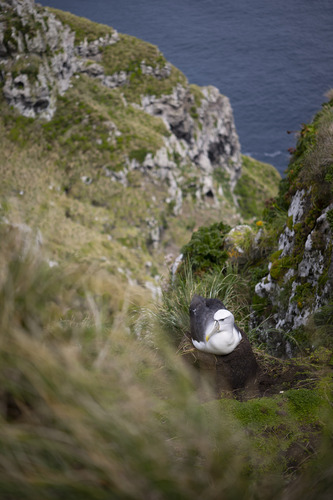
ハジロアホウドリ (Thalassarche cauta) ハジロアホウドリ
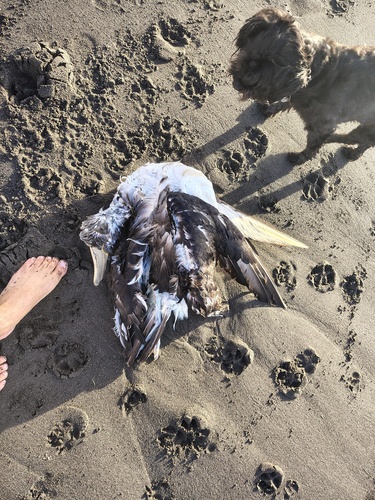
サルビンアホウドリ (Thalassarche salvini) サルビンアホウドリ

メディア

読み込み中…

要点

ホジロアホウドリとサルビンアホウドリの間で最も信頼できるフィールドマークは、成鳥の頭部とくちばしの色とコントラストです:ホジロアホウドリは鮮やかな白い冠と額を持ち、サルビンアホウドリは明らかに灰色がかった、銀色の冠と顔を示します。両種は、翼の下に黒い「サムマーク」を共有し、サイズも似ているため、特に幼鳥において海上での識別が難しくなります。幼鳥のサルビンアホウドリはさらに灰色がかった頭を持ち、黒い先端の青灰色のくちばしを持っていますが、幼鳥のホジロアホウドリはより淡い色合いで、くちばしに黄色が多く見られます。くちばしの色と頭のコントラストは、近距離または良好な光の下で最もよく見られます;遠くの鳥はしばしば識別されない方が良いです。特に止まっているか近くを飛んでいる鳥において、頭の色とくちばしのパターンの組み合わせに注目してください。

識別のコツ

  1. 成鳥の頭の色:ホジロアホウドリは清潔な白い冠と額を持ち、暗い眉と淡い灰色の顔と鋭く対照的です。サルビンアホウドリは銀灰色の冠と一般的に灰色がかった顔と上喉を持っています。これは良好な光と近距離で最も信頼できるマークです。
  2. くちばしの色とパターン(成鳥):ホジロアホウドリのくちばしは灰色-黄色で、目立つ黄色のクルメンと先端を持っています。サルビンアホウドリは淡い灰色-緑のくちばしを持ち、黄色の上部リッジ、上顎の黄色い先端、下顎の先端に暗い斑点があります。くちばしの色は遠くでは微妙ですが、近くでは診断的です。
  3. 幼鳥の頭とくちばし:幼鳥のサルビンアホウドリは、幼鳥のホジロアホウドリよりも頭と上喉がはるかに灰色がかっています。幼鳥のサルビンアホウドリは黒い先端の青灰色のくちばしを持ち、幼鳥のホジロアホウドリはくちばしにより多くの黄色を示します。
  4. 翼の下のパターン:両種は、翼の下の先端の基部に黒い「サムマーク」と黒い翼先を持っています。このマークは両者の間で診断的ではありませんが、その存在は他のモリマウクを除外するのに役立ちます。
  5. 顔のコントラスト:ホジロアホウドリでは、白い冠が暗い眉によって鋭く境界を持ち、印象的な顔のコントラストを生み出します。サルビンアホウドリはこの鋭い境界が欠けており、灰色の冠が顔に溶け込んでいます。
  6. 上面とマントル:両者は灰黒のマントル、上翼、尾を持ち、白い尻と腹部を持っています。これらの特徴は識別には役立ちません。
  7. サイズと構造:両者は大きく、頑丈なモリマウクで、比例も似ています。サイズは信頼できるフィールドマークではありません。
  8. ジズと飛行:両種は典型的なモリマウクの飛行スタイルを示し、長くて硬い翼と滑空する動きを持っています。特有のジズの違いは指摘されていません。
  9. 地理的文脈:繁殖コロニーの近くで見られた場合、範囲が役立ちます:ホジロアホウドリはタスマニアの島々でのみ繁殖し、サルビンアホウドリは主にバウンティ諸島で繁殖します。海上では、範囲が重なり、これは信頼できません。
  10. 海上の落とし穴:遠くの鳥や光が悪い鳥はしばしば識別されない方が良いです。頭とくちばしの色の違いは微妙で、角度や光によって変わることがあります。
  11. 幼鳥:両種の幼鳥は特に難しいです。全体的な頭の色(ホジロアホウドリは淡い、サルビンアホウドリは灰色がかっている)とくちばしの色(ホジロアホウドリはより黄色、サルビンアホウドリは黒い先端の青灰色)に注目してください。
  12. くちばしの先端のマーク:サルビンアホウドリの成鳥は下顎の先端に暗い斑点を持ち、ホジロアホウドリには欠けているか、あまり目立たないです。これは微妙ですが、近くの写真で見ることができます。
  13. 性別と季節:どちらの種にも重要な性的二形や季節的な羽毛の変化は指摘されていません。
  14. 他の種との関連:両者は他のモリマウクや大型アホウドリと関連することがあります;チャタムアホウドリ(小さく、異なる色のくちばしを持つ)やマユグロアホウドリ(小さく、より対照的にマークされている)との混同に注意してください。
  15. 疑わしい場合:頭とくちばしの色がはっきり見えない場合や、鳥が遠くにいるか光が悪い場合は、鳥を「ホジロアホウドリ/サルビンアホウドリ」複合体として残すのが最も安全です。

大きさ

両種は最大のモリマウクの中でも非常に似た寸法を持っています。ホジロアホウドリは長さ90〜99 cm、翼幅220〜256 cm、体重約4.1 kg [wikipedia]です。サルビンアホウドリは約90 cmの長さで、翼幅は最大2.56 m、体重範囲は3.3〜4.9 kg [wikipedia]です。フィールドでは、サイズはこれら二つの間で信頼できる識別子ではなく、重なりが広範で、他のモリマウクと比較しても両者は大きく頑丈に見えます。

羽色

幼鳥と未成熟の鳥は最も難しいです:両者は翼の下の基部に黒い「サムマーク」、白い腹部、灰黒の上翼を示します。しかし、サルビンアホウドリの幼鳥は頭と上喉が明らかに灰色がかっており、くちばしは黒い先端の青灰色です。ホジロアホウドリの幼鳥は淡い頭を持ち、白い冠と額を持ち、くちばしはより黄色がかっています。成鳥では、ホジロアホウドリは印象的に白い冠と額を持ち、下には暗い眉と淡い灰色の顔が境界を持っていますが、サルビンアホウドリの成鳥は銀灰色の冠と一般的に灰色がかった顔と上喉を持っています。両者は灰黒のマントル、尾、上翼を持ち、白い腹部を持っています。くちばしの色も重要です:ホジロアホウドリのくちばしは灰色-黄色で、目立つ黄色のクルメンと先端を持ち、サルビンアホウドリのくちばしは淡い灰色-緑で、黄色の上部リッジ、上顎の黄色い先端、下顎の先端に暗い斑点があります。これらの違いは微妙ですが、良好な視認条件で一貫しています。

行動

両種は飛行中の典型的なモリマウクで、強い滑空飛行と長い翼を持ち、硬く保持されています。フィールドでの識別のための情報源には、重要な行動の違いは指摘されていません。両者は単独または緩い群れで見られることがあり、しばしば漁船の周りで他の海鳥と関連しています。水面で休んでいるとき、両者は大きく見え、高い背中のプロファイルを持っています。これら二つの間で診断的な特有のディスプレイや採餌行動は強調されていません。

生息環境

両種は繁殖シーズン外では外洋性で、南半球の海域全体に見られます。ホジロアホウドリはオーストラリアのタスマニア沖の三つの島でのみ繁殖し、サルビンアホウドリは主にニュージーランド近くのバウンティ諸島で繁殖し、他の亜南極の島々にも少数が見られます。海上では、範囲が広く重なり、特にオーストラリア南部とニュージーランド周辺で、両者は陸から遠く離れて発生することがあります。繁殖コロニーから離れた場所では、ハビタットは信頼できる識別子ではありません。

より良い説明を送る

比較と同じ項目を使ってください。文章はすぐに公開されます。

The most reliable field mark between White-capped (Shy) Albatross and Salvin's Albatross is the color and contrast of the head and bill in adults: White-capped has a crisp white crown and forehead, while Salvin's shows a noticeably greyer, silver-washed crown and face. Both species share a black 'thumbmark' on the underwing and similar size, making separation at sea challenging, especially for immatures. Juvenile Salvin's are even greyer-headed and have a blue-grey bill with black tips, while juvenile White-capped are paler and have more yellow in the bill. Bill color and head contrast are best seen at close range or in good light; distant birds are often best left unidentified. Focus on the combination of head color and bill pattern, especially in perched or close-flying birds.

  1. Head Color in Adults: White-capped (Shy) Albatross has a clean white crown and forehead, sharply contrasting with a dark eyebrow and pale grey face. Salvin's has a silver-grey crown and a generally greyer face and upper throat. This is the most reliable mark in good light and close views.
  2. Bill Color and Pattern (Adults): White-capped's bill is grey-yellow with a prominent yellow culmen and tip. Salvin's has a pale grey-green bill with a yellow upper ridge, yellow tip on the upper mandible, and a dark spot at the tip of the lower mandible. Bill color is subtle at distance but diagnostic up close.
  3. Juvenile Head and Bill: Juvenile Salvin's are much greyer on the head and upper throat than juvenile White-capped, which remain pale-headed. Juvenile Salvin's also have a blue-grey bill with black tips, while juvenile White-capped shows more yellow in the bill.
  4. Underwing Pattern: Both species have a black 'thumbmark' at the base of the leading edge of the underwing and black wingtips. This mark is not diagnostic between the two, but its presence helps rule out other mollymawks.
  5. Facial Contrast: In White-capped, the white crown is sharply bordered by a dark eyebrow, giving a striking facial contrast. Salvin's lacks this sharp demarcation, with the grey crown blending into the face.
  6. Upperparts and Mantle: Both have grey-black mantles, upperwings, and tails, with white rumps and underparts. These features are not useful for separation.
  7. Size and Structure: Both are large, robust mollymawks with similar proportions. Size is not a reliable field mark.
  8. Jizz and Flight: Both species show typical mollymawk flight style, with long, stiff wings and gliding motion. No unique jizz differences are noted.
  9. Geographic Context: If seen near breeding colonies, range can help: White-capped breeds only on Tasmanian islands, Salvin's mainly on the Bounty Islands. At sea, ranges overlap and this is not reliable.
  10. At-Sea Pitfalls: Distant or poor-light birds are often best left unidentified, as head and bill color differences can be subtle and variable with angle and lighting.
  11. Immature Birds: Immatures of both species are especially difficult. Focus on overall head color (paler in White-capped, greyer in Salvin's) and bill color (more yellow in White-capped, blue-grey with black tips in Salvin's).
  12. Bill Tip Markings: Salvin's adults have a dark spot at the tip of the lower mandible, which is absent or less obvious in White-capped. This is subtle but can be seen in close photos.
  13. Sex and Season: No significant sexual dimorphism or seasonal plumage change is noted for either species.
  14. Association with Other Species: Both may associate with other mollymawks and large albatrosses; beware confusion with Chatham Albatross (which is smaller and has a differently colored bill) or Black-browed Albatross (which is smaller and more contrastingly marked).
  15. When in Doubt: If you cannot see the head and bill color clearly, or if the bird is distant or in poor light, it is safest to leave the bird as a 'Shy/Salvin's Albatross' complex.

Both species are among the largest mollymawks, with very similar dimensions. White-capped averages 90–99 cm in length, 220–256 cm wingspan, and about 4.1 kg in weight [wikipedia]. Salvin's is about 90 cm long, with a wingspan up to 2.56 m and a weight range of 3.3–4.9 kg [wikipedia]. In the field, size is not a reliable separator between these two, as overlap is extensive and both appear large and robust compared to other mollymawks.

Juvenile and immature birds are the most challenging: both show a black 'thumbmark' at the base of the underwing, white underparts, and grey-black upperwings. However, Salvin's juveniles are distinctly greyer on the head and upper throat, and their bill is blue-grey with black tips. White-capped juveniles are paler-headed, with a white crown and forehead, and their bill is more yellowish. In adults, White-capped has a strikingly white crown and forehead, bordered below by a dark eyebrow and a pale grey face, while Salvin's adult has a silver-grey crown and a generally greyer face and upper throat. Both have grey-black mantles, tails, and upperwings, and white underparts. Bill color is also key: White-capped's is grey-yellow with a prominent yellow culmen and tip, while Salvin's is pale grey-green with a yellow upper ridge, yellow tip on the upper mandible, and a dark spot on the tip of the lower mandible. These differences are subtle but consistent in good viewing conditions.

Both species are typical mollymawks in flight, with strong, gliding flight and long wings held stiffly. No significant behavioral differences are noted in the sources for field separation. Both can be seen singly or in loose groups, often associating with other seabirds around fishing vessels. At rest on the water, both appear large, with a high-backed profile. No unique display or foraging behaviors are highlighted as diagnostic between these two.

Both species are pelagic outside the breeding season and can be found across the southern oceans. White-capped breeds only on three islands off Tasmania, Australia, while Salvin's breeds mainly on the Bounty Islands near New Zealand, with smaller numbers on other subantarctic islands. At sea, ranges overlap widely, especially around southern Australia and New Zealand, and both can occur far from land. Habitat is not a reliable separator away from breeding colonies.

変更を破棄しますか?

保存していない編集があります。今離れると失われます。

ハジロアホウドリ · サルビンアホウドリ · 苦手な鳥