

Motmot

White-browed/Burchell's Coucal 対 チャイロヤブモズ

Centropus superciliosus 対 Tchagra senegalus

White-browed/Burchell's Coucalとチャイロヤブモズのクイズ
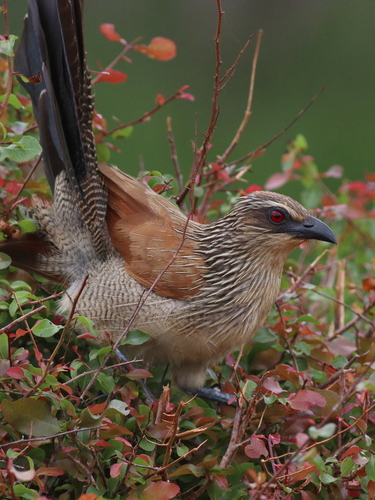
White-browed/Burchell's Coucal (Centropus superciliosus) White-browed/Burchell's Coucal
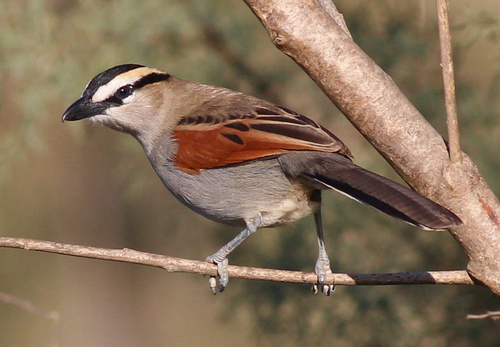
チャイロヤブモズ (Tchagra senegalus) チャイロヤブモズ

メディア

読み込み中…

要点

最も信頼できるフィールドマークはサイズと構造です:White-browed/Burchell's Coucalはチャイロヤブモズよりもはるかに大きく、ずんぐりした体型で、重い体と長い尾を持っています。幼鳥のカウカルは頭部に赤褐色の縞模様と横縞のある上面を示し、若いチャグラは茶色の帽子と淡い黄色のくちばしを持っています。両種は白いスーペリシリウムを持っていますが、カウカルのものはより広く、黒っぽい頭部によって際立っています。一方、チャグラのものは黒い頭部と目の縞によって縁取られています。飛行中または止まっているとき、カウカルのクリーミーな白い腹部と栗色の翼に対して、チャグラの淡い灰色の腹部と栗色の翼に注意してください。生息地の重複は可能ですが、カウカルはより密なカバーを好みます。自信を持って区別するために、サイズ、構造、および詳細な羽毛のチェックを使用してください。

識別のコツ

  1. サイズと構造: White-browed/Burchell's Coucalはチャイロヤブモズよりもはるかに大きく、重いです。鳥がカラスサイズに見えるか、非常に長くて重い尾を持っている場合は、カウカルを疑ってください。
  2. 尾の長さと形: カウカルの尾は長く、黒く、緑の光沢と白い先端を持っています。チャグラの尾は短く、黒く、白い先端もありますが、緑の光沢はありません。
  3. スーペリシリウムと頭部: 両者は白いスーペリシリウムを持っていますが、カウカルのものは広く、黒っぽい頭部と後頭部によって際立っています。一方、チャグラのものは上部が黒い頭部、下部が黒い目の縞によって縁取られており、より明確に定義された顔のパターンを持っています。
  4. 幼鳥の羽毛: 幼鳥のカウカルは頭部に赤褐色の縞模様と横縞のある上面を持っています。幼鳥のチャグラは無地の茶色の帽子と淡い黄色のくちばしを持っています。縞模様のある頭部と上面の横縞が見えた場合、それは若いカウカルです。
  5. くちばしの色: 両方の成鳥は黒いくちばしを持っていますが、幼鳥のチャグラだけが淡い黄色のくちばしを持っています。これは若い鳥のチェックに役立ちます。
  6. 腹部の色: カウカルの腹部はクリーミーな白色で、チャグラの腹部は淡い灰色です。良い光の下では、これは微妙ですが役立つ区別となることがあります。
  7. 上面と翼: カウカルは赤褐色の背中と栗色の翼を持ち、黒っぽい尾を持っています。チャグラは淡い茶色の上面と栗色の翼を持っていますが、全体的に上面はより淡いです。
  8. 目の色: 成鳥のカウカルは赤い目を持っていますが、チャグラの目の色は亜種によって異なり、あまり特徴的ではありません。
  9. 行動: カウカルは通常、密なカバーの中で低く移動し、ゆっくりと動き、しばしば隠れています。チャグラは茂みの中で止まることを好み、時には呼びかけに応じますが、真のシュライクよりも目立たないことが多いです。
  10. 飛行スタイル: カウカルは重く、苦しそうな羽ばたきで飛び、長い尾を引きずります。チャグラの飛行はより直接的で、あまり重たくありません。
  11. 生息地: 密で絡み合った下草はカウカルを示します。より開けた茂み、森林、または耕作された地域はチャグラを示唆します。
  12. 声: 'chee-chee chee cheroo cheroo'という下降する笛のような音が聞こえた場合、それはチャグラです。カウカルの呼び声はここでは説明されていません。
  13. 性別: 両種は性別間で羽毛が似ているため、区別のために性別に頼らないでください。
  14. 季節: どちらの種にも強い季節的な羽毛の違いは見られず、年齢に関連するマークがより重要です。
  15. 一般的な落とし穴: 共有された白いスーペリシリウムと栗色の翼は混乱を引き起こす可能性があり、特に素早い視界では注意が必要ですが、サイズ、構造、頭部のパターンを慎重に確認すれば決定的です。

大きさ

White-browed/Burchell's Coucalは、体重が約170g(wikidata)で、長さ36〜42 cmであり、頑丈で長い尾を持つ鳥です。チャイロヤブモズは19〜22 cmで、はるかに小さく、スリムで、軽い体型と短い尾を持っています。距離があっても、カウカルの体格と長さは際立っており、特に止まっているときや植生の中を移動しているときに顕著です。チャグラはより雀鷹サイズで、一般的により華奢に見えます。

羽色

行動

White-browed/Burchell's Coucalは秘密主義で、密な下草の中を移動し、しばしば厚い植生の中で低く隠れています。目立って止まることは少ないです。チャイロヤブモズもカバーを好みますが、茂みの中で止まり、より目立つことが多いです。ただし、真のシュライクよりも目立たないことが多いです。チャグラは模倣された呼び声に応じ、ディスプレイ飛行を行うことがあります。カウカルは絡み合った場所を這い回ったり、カバーの間を低く飛んだりすることが多いです。

生息環境

両種は茂みや低木のある地域に生息することがありますが、White-browed/Burchell's Coucalは密で濃い下草や藪に厳密に結びついており、沿岸の低木も含まれます。チャイロヤブモズはより適応性があり、茂み、開けた森林、半砂漠、耕作された地域に見られ、しばしばカウカルよりも密度の低いカバーに生息しています。生息地が非常に密で絡み合っている場合、カウカルがより可能性が高く、より開けた茂みや森林ではチャグラが好まれます。

声

チャイロヤブモズは、しばしば'chee-chee chee cheroo cheroo'と表現される特徴的な下降する笛のような歌を持ち、再生や模倣に応じます。White-browed/Burchell's Coucalの声は提供されたメモには記載されていないため、声はチャグラの歌が聞こえた場合にのみ診断的です。

より良い説明を送る

比較と同じ項目を使ってください。文章はすぐに公開されます。

The most reliable field mark is size and structure: White-browed Coucal is much larger and bulkier than Black-crowned Tchagra, with a heavier body and longer tail. Juvenile coucals show rufous streaking on the crown and barred upperparts, while young tchagras have a brown cap and pale yellow bill. Both species have a white supercilium, but the coucal’s is broader and set off by a blackish crown, while the tchagra’s is bordered by black crown and eye-stripes. In flight or perched, note the coucal’s creamy-white underparts and chestnut wings versus the tchagra’s pale grey underparts and chestnut wings. Habitat overlap is possible, but coucal prefers denser cover. Use size, structure, and detailed plumage checks for confident separation.

  1. Size and Structure: White-browed Coucal is much larger and heavier than Black-crowned Tchagra. If the bird appears crow-sized or has a very long, heavy tail, suspect coucal.
  2. Tail Length and Shape: Coucal’s tail is long, black with a green gloss and white tip; tchagra’s tail is shorter, black, and also tipped white but lacks the green gloss.
  3. Supercilium and Crown: Both have a white supercilium, but coucal’s is broad and set off by a blackish crown and nape, while tchagra’s is bordered above by a black crown and below by a black eyestripe, giving a more sharply defined facial pattern.
  4. Juvenile Plumage: Juvenile coucal has rufous streaking on the crown and barred upperparts; juvenile tchagra has a plain brown cap and a pale yellow bill. If you see a streaked crown and barring above, it’s a young coucal.
  5. Bill Color: Both adults have black bills, but only juvenile tchagra has a pale yellow bill. This is a useful check for young birds.
  6. Underparts Color: Coucal underparts are creamy-white; tchagra’s are pale grey. In good light, this can be a subtle but useful distinction.
  7. Upperparts and Wings: Coucal has rufous-brown back and chestnut wings, with a blackish rump; tchagra has pale brown upperparts and chestnut wings, but overall is paler above.
  8. Eye Color: Adult coucal has red eyes; tchagra’s eye color varies by subspecies and is less distinctive.
  9. Behavior: Coucal is usually low in dense cover, moving slowly and often hidden; tchagra may perch up in bushes, sometimes responding to calls, but is less conspicuous than true shrikes.
  10. Flight Style: Coucal flies with heavy, labored wingbeats and long tail trailing; tchagra’s flight is more direct and less ponderous.
  11. Habitat: Dense, tangled undergrowth points to coucal; more open bush, woodland, or cultivated areas suggest tchagra.
  12. Voice: If you hear a descending whistling 'chee-chee chee cheroo cheroo,' it’s tchagra. Coucal’s calls are not described here.
  13. Sexes: Both species are similar in plumage between sexes, so do not rely on sex for separation.
  14. Season: No strong seasonal plumage differences are noted for either species; age-related marks are more important.
  15. Common Pitfall: The shared white supercilium and chestnut wing can cause confusion, especially in quick views, but size, structure, and crown pattern are decisive if checked carefully.

White-browed Coucal is significantly larger and heavier (body mass ~170g [wikidata]) and measures 36–42 cm in length, making it a robust, long-tailed bird. Black-crowned Tchagra is much smaller and slimmer at 19–22 cm, with a lighter build and shorter tail. Even at a distance, the coucal’s bulk and length are distinctive, especially when perched or moving through vegetation. The tchagra is more sparrowhawk-sized and generally appears daintier.

  • Juveniles: Juvenile White-browed Coucal shows rufous streaking on the crown, a faint buff supercilium, barred upperparts, and darker underparts. Juvenile Black-crowned Tchagra has a brown cap (not streaked), a pale yellow bill, and otherwise similar pattern to adults.
  • Adults: Both have a white supercilium, but the coucal’s is broader and set off by a blackish crown and nape; tchagra’s supercilium is bordered above by a black crown and below by a black eyestripe. Coucal upperparts are rufous-brown with chestnut wings, blackish rump, and a long black tail with a green gloss and white tip. Tchagra upperparts are pale brown, wings are chestnut, and tail is black tipped white. Underparts of coucal are creamy-white; tchagra’s are pale grey. Eye color is red in adult coucal, variable in tchagra subspecies. Bill is black in both adults, but only tchagra juveniles have a pale yellow bill.

White-browed Coucal is secretive, moving through dense undergrowth and often skulking low in thick vegetation. It is less likely to perch conspicuously. Black-crowned Tchagra, while also preferring cover, hunts from perches in bushes and is more likely to be seen sitting up, though less openly than true shrikes. Tchagra responds to imitated calls and may perform a display flight. Coucal is more likely to be seen clambering through tangles or flying low between cover.

Both species can occur in areas with scrub and bush, but White-browed Coucal is more strictly tied to dense, rank undergrowth and thickets, including coastal scrub. Black-crowned Tchagra is more adaptable, found in scrub, open woodland, semi-desert, and cultivated areas, often in less dense cover than the coucal. If the habitat is very dense and tangled, coucal is more likely; in more open bush or woodland, tchagra is favored.

Black-crowned Tchagra has a distinctive descending whistling song, often described as 'chee-chee chee cheroo cheroo,' and is responsive to playback or imitation. White-browed Coucal’s vocalizations are not described in the provided notes, so voice is only diagnostic if the tchagra’s song is heard.

変更を破棄しますか?

保存していない編集があります。今離れると失われます。

White-browed/Burchell's Coucal · チャイロヤブモズ · 苦手な鳥