

Motmot

オオアカゲラ 対 コアカゲラ

Dendrocopos leucotos 対 Dryobates minor

オオアカゲラとコアカゲラのクイズ
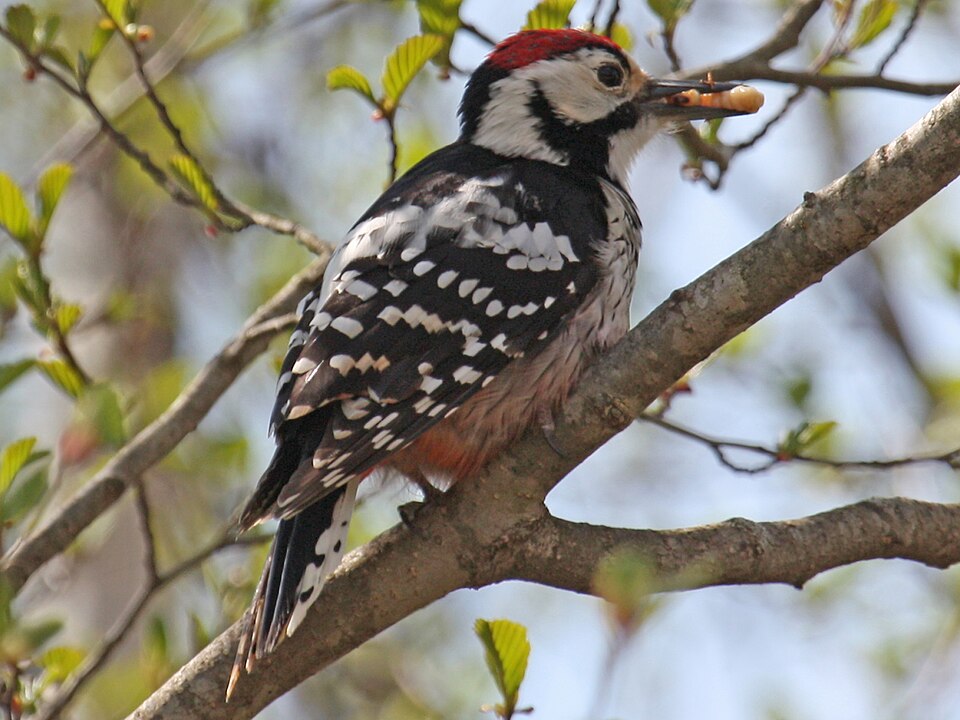
オオアカゲラ (Dendrocopos leucotos) オオアカゲラ
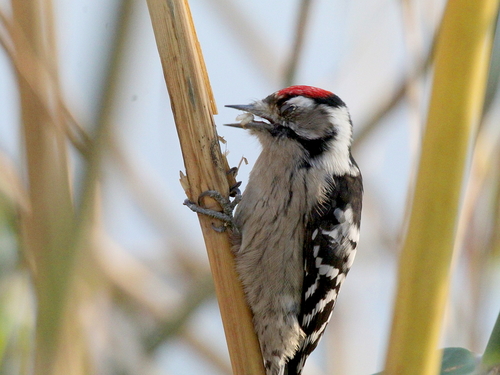
コアカゲラ (Dryobates minor) コアカゲラ

メディア

読み込み中…

要点

オオアカゲラとコアカゲラの最も信頼できるフィールドマークはサイズです:オオアカゲラははるかに大きくてがっしりしており、コアカゲラは小さくて見落とされがちです。飛んでいるときや止まっているときは、翼のパターンに注目してください:オオアカゲラは翼に白いバーがあり、きれいな白い下背部を示しますが、コアカゲラはより広く、目立つ翼のバーと縞模様のある下背部を持っています。両種のオスは赤い冠を持っていますが、その範囲と文脈は異なります。コアカゲラは通常、高い樹冠に見られ、見つけにくいことがありますが、オオアカゲラは幹や大きな枝により目立ちます。声やドラミングは音量とトーンが異なりますが、これらは補助的な手がかりとして最もよく使用されます。

識別のコツ

  1. サイズは最も早いチェックです: 鳥が小さく、スズメサイズで繊細に見える場合はコアカゲラです; robustで、アカゲラとほぼ同じ大きさに見える場合はオオアカゲラです。これはすべての年齢と性別に当てはまります。
  2. 飛んでいるときや止まっているときの翼のパターン: オオアカゲラは翼に白いバー(斑点ではなく)を示し、きれいで斑点のない白い下背部を持っています。コアカゲラは翼により広く、目立つバーを持ち、下背部も黒と白の縞模様です。これはすべての羽色で信頼できます。
  3. 尾のパターン: コアカゲラは外側の尾羽に縞模様があり、尾を広げたり飛んだりするときに見えます。オオアカゲラの尾はあまりはっきりとした縞模様ではありません。
  4. 冠の色(性別と年齢): 成熟したオスのオオアカゲラは赤い冠を持ち、メスは黒い冠を持っています。コアカゲラのオスは赤い冠に茶色の額と黒い眉斑を持ち、メスは白い冠を持っています。両性の幼鳥のコアカゲラは頭に赤みを示すことがあるので、若い鳥には注意が必要です。
  5. 腹部: コアカゲラは側面に縞模様を示し、オオアカゲラは下部がよりきれいで白いです。
  6. くちばしのサイズと形: オオアカゲラは大きな枯れ木を掘るのに適した、相対的に大きく重いくちばしを持っています。コアカゲラのくちばしは細く短く、小さなサイズに合っています。
  7. ジズと姿勢: コアカゲラはしばしば短く、ほぼ三角形に見え、特に飛んでいるときは通常樹冠の高いところにいます。オオアカゲラはがっしりしており、幹や大きな枝の下の方で見られる可能性が高いです。
  8. 生息地の文脈: 鳥が成熟した、手つかずの広葉樹林に多くの大きな枯れ木がある場合、オオアカゲラの可能性が高いです。公園やエッジ、樹冠の高いところに細い枯れ枝がある混合林にいる場合はコアカゲラを疑ってください。
  9. 声: オオアカゲラのドラミングは大きく力強いです;その呼び声は「キウク」と「クイーク」です。コアカゲラは繰り返し「キーク」を出し、ドラミング時には軽く振動する rattling sound を出します。これらは特に鳥がよく見えない場合の補助的な手がかりとして使用してください。
  10. 行動: コアカゲラは小さなサイズと樹上での採餌の傾向から見落とされがちです。オオアカゲラはより目立ち、存在する場合は見逃されにくいです。
  11. 季節的および年齢の落とし穴: 両種の幼鳥は冠に赤を示すことがあるため、若い鳥の頭の色だけに頼らないでください。翼と背中のパターンを主なチェックとして使用してください。
  12. 混乱のリスク: 両者はアカゲラと混同されることがありますが、オオアカゲラはその種にサイズと構造が近いのに対し、コアカゲラははるかに小さく、より繊細です。
  13. 顕著な季節変化はない: 両種は年間を通じて似たような羽色を保持しているため、季節的な変動は大きな落とし穴ではありません。
  14. 個体数の文脈: コアカゲラは多くの地域で減少しており、オオアカゲラよりも出会う可能性がはるかに低いですが、地域によっては個体数が異なります [ebird]。
  15. 巣穴の手がかり: コアカゲラの巣穴は小さく(直径2.5〜5 cm)、高いところに(しばしば10〜20 m)ありますが、オオアカゲラの巣穴は大きくて低いですが、巣の掘削が観察されない限り、これは現場ではあまり役に立ちません。

大きさ

オオアカゲラは西パレアリックにおける斑点のあるキツツキの中で最大で、全長24〜26 cm、翼開長38〜40 cmです [wikipedia]。対照的に、コアカゲラは最小のヨーロッパのキツツキで、全長はわずか14〜16.5 cm、翼開長は24〜29 cm、体重は約20 gです [wikipedia]。その違いは劇的です:コアカゲラは全長の3分の2未満で、はるかに軽く、繊細でスズメサイズに見えますが、オオアカゲラはがっしりしており、アカゲラに近いサイズです。

羽色

行動

コアカゲラはそのほとんどの時間を樹冠の高いところ、しばしば高い木の頂上で過ごし、小さなサイズと秘密主義的な習性から見落とされがちです。その飛行は短く、ほぼ三角形と表現され、木から木へと跳ね移ります。オオアカゲラは幹や大きな枝で見られる可能性が高く、サイズと大胆な行動により一般的により目立ちます。両種はドラミングを行い、枯れ木の中で昆虫を探しますが、コアカゲラはしばしば細い枯れ枝を狙い、オオアカゲラはより大きな腐敗した木に関連しています。

生息環境

両種は森林の鳥ですが、コアカゲラは公園や混合林でより頻繁に見られ、特に高い木と枯れ枝がある場所に生息しています。樹冠の中の腐敗した木に非常に依存しており、枯れ木の除去に敏感です。オオアカゲラは成熟した、しばしば広葉樹の森を好み、豊富な枯れ木があり、特にあまり disturbed な地域に生息しています。生息地は重なることがありますが、オオアカゲラは一般的により大きく古い森に見られ、コアカゲラは適切な枯れ木が存在する場合、小さな林地や都市公園に出現することがあります。

声

オオアカゲラのドラミングは非常に大きく力強いです;その呼び声には柔らかい「キウク」と長い「クイーク」が含まれています。コアカゲラは繰り返し「キーク」を出し、サイズに対して大きな音を出し、ドラミングは振動する rattling sound で、経験を積むことでオオアカゲラのような大きな種のより深く、共鳴するドラミングと区別できます。コアカゲラの声はしばしばその存在の最初の手がかりであり、他の点では目立たないことが多いです。

より良い説明を送る

比較と同じ項目を使ってください。文章はすぐに公開されます。

The most reliable field mark between White-backed and Lesser Spotted Woodpecker is size: White-backed is much larger and bulkier, while Lesser Spotted is tiny and often overlooked. In flight or perched, note the wing pattern: White-backed shows white bars across the wings and a clean white lower back, while Lesser Spotted has broader, more conspicuous wing bars and a barred lower back. Males of both species have red crowns, but the extent and context differ. Lesser Spotted is typically found high in tree canopies and can be hard to spot, whereas White-backed is more conspicuous on trunks and larger branches. Vocalizations and drumming differ in volume and tone, but these are best used as supporting clues.

  1. Size is the quickest check: If the bird looks tiny, sparrow-sized, and delicate, it is Lesser Spotted; if it appears robust and nearly as large as a Great Spotted Woodpecker, it is White-backed. This works for all ages and sexes.
  2. Wing pattern in flight or perched: White-backed shows white bars (not spots) across the wings and a clean, unbarred white lower back. Lesser Spotted has broader, more conspicuous bars on the wings and a lower back that is also barred black and white. This is reliable in all plumages.
  3. Tail pattern: Lesser Spotted has barred outer tail feathers, visible when the tail is fanned or in flight. White-backed's tail is less distinctly barred.
  4. Crown color (sex and age): Adult male White-backed has a red crown; female has a black crown. Lesser Spotted male has a crimson crown with a brown forehead and black supercilium; female has a white crown. Juvenile Lesser Spotted of both sexes can show crimson on the head, so be cautious with young birds.
  5. Underparts: Lesser Spotted shows streaks on the flanks; White-backed is cleaner and whiter below.
  6. Bill size and shape: White-backed has a proportionally larger, heavier bill suited to excavating larger dead wood. Lesser Spotted's bill is fine and short, matching its small size.
  7. Jizz and posture: Lesser Spotted often appears stumpy and almost triangular, especially in flight, and is usually high in the canopy. White-backed is bulkier and more likely to be seen lower on trunks or large branches.
  8. Habitat context: If the bird is in a mature, undisturbed broad-leaved forest with lots of large dead wood, White-backed is more likely. If in a park, edge, or mixed woodland with thin dead branches high in the canopy, suspect Lesser Spotted.
  9. Vocalizations: White-backed's drumming is loud and forceful; its calls are 'kiuk' and 'kweek.' Lesser Spotted gives a repeated 'keek' and a lighter, vibrating rattle when drumming. Use these as supporting clues, especially if the bird is not seen well.
  10. Behavior: Lesser Spotted is often overlooked due to its small size and tendency to forage high in trees. White-backed is more conspicuous and less likely to be missed if present.
  11. Seasonal and age pitfalls: Both species' juveniles can show red on the crown, so do not rely solely on head color in young birds. Use wing and back pattern as the primary check.
  12. Confusion risk: Both can be confused with Great Spotted Woodpecker, but White-backed is closer in size and structure to that species, while Lesser Spotted is much smaller and more delicate.
  13. No marked seasonal change: Both species retain similar plumage year-round, so seasonal variation is not a major pitfall.
  14. Population context: Lesser Spotted is declining in many areas and is much less likely to be encountered than White-backed in some regions, but local abundance varies [ebird].
  15. Nest hole clues: Lesser Spotted's nest holes are smaller (2.5–5 cm diameter) and higher up (often 10–20 m), while White-backed's are larger and lower, but this is rarely useful in the field unless nest excavation is observed.

White-backed Woodpecker is the largest of the spotted woodpeckers in the western Palearctic, measuring 24–26 cm in length with a wingspan of 38–40 cm [wikipedia]. In contrast, Lesser Spotted Woodpecker is the smallest European woodpecker, only 14–16.5 cm long with a wingspan of 24–29 cm and weighing around 20 g [wikipedia]. The difference is dramatic: Lesser Spotted is less than two-thirds the length and much lighter, appearing delicate and sparrow-sized, while White-backed is robust and closer in size to Great Spotted Woodpecker.

  • Juvenile/immature birds: Both species' young can show some red on the crown, but Lesser Spotted juveniles of both sexes have more or less crimson on the head, while in White-backed, only the male shows a red crown (female is black-crowned).
  • Wing pattern: White-backed Woodpecker (all ages) has white bars across the wings (not spots), and a striking white lower back. Lesser Spotted Woodpecker shows broader, more conspicuous bars on the wings, and the lower back is also barred black and white, not clean white. The outer tail feathers of Lesser Spotted are barred as well.
  • Adult males: Both have red crowns, but in Lesser Spotted, the red is limited to the crown with a brown forehead and black supercilium; in White-backed, the red is more extensive on the crown.
  • Adult females: White-backed female has a black crown; Lesser Spotted female has a white crown.
  • Underparts: Both have pale underparts, but Lesser Spotted shows streaks on the flanks, while White-backed is cleaner below.
  • Seasonal change: Neither species shows marked seasonal changes in plumage.

Lesser Spotted Woodpecker spends most of its time high in the canopy, often at the tops of tall trees, and is easily overlooked due to its small size and secretive habits. Its flight is described as stumpy and almost triangular, bounding from tree to tree. White-backed Woodpecker is more likely to be seen on trunks or large branches and is generally more conspicuous due to its size and bolder behavior. Both species drum and forage for insects in dead wood, but Lesser Spotted often targets thin dead branches, while White-backed is more associated with larger decaying wood.

Both species are woodland birds, but Lesser Spotted Woodpecker is more often found in parks and mixed woodlands, especially where there are tall trees and dead branches. It is highly dependent on decaying wood in the canopy and is sensitive to the removal of dead trees. White-backed Woodpecker prefers mature, often broad-leaved forests with abundant dead wood, especially in less disturbed areas. While their habitats can overlap, White-backed is generally found in larger, older forests, whereas Lesser Spotted can occur in smaller woodlots and urban parks if suitable dead wood is present.

White-backed Woodpecker's drumming is very loud and forceful; its calls include a soft 'kiuk' and a longer 'kweek.' Lesser Spotted Woodpecker gives a repeated 'keek,' which is loud for its size, and its drumming is a vibrating rattle that, with experience, can be distinguished from the deeper, more resonant drumming of larger species like White-backed. Lesser Spotted's vocalizations are often the first clue to its presence, as it is otherwise inconspicuous.

変更を破棄しますか?

保存していない編集があります。今離れると失われます。

オオアカゲラ · コアカゲラ · 苦手な鳥