

Picchio dorsobianco vs Picchio rosso minore
Dendrocopos leucotos contro Dryobates minor
Fai un quiz con Picchio dorsobianco e Picchio rosso minore
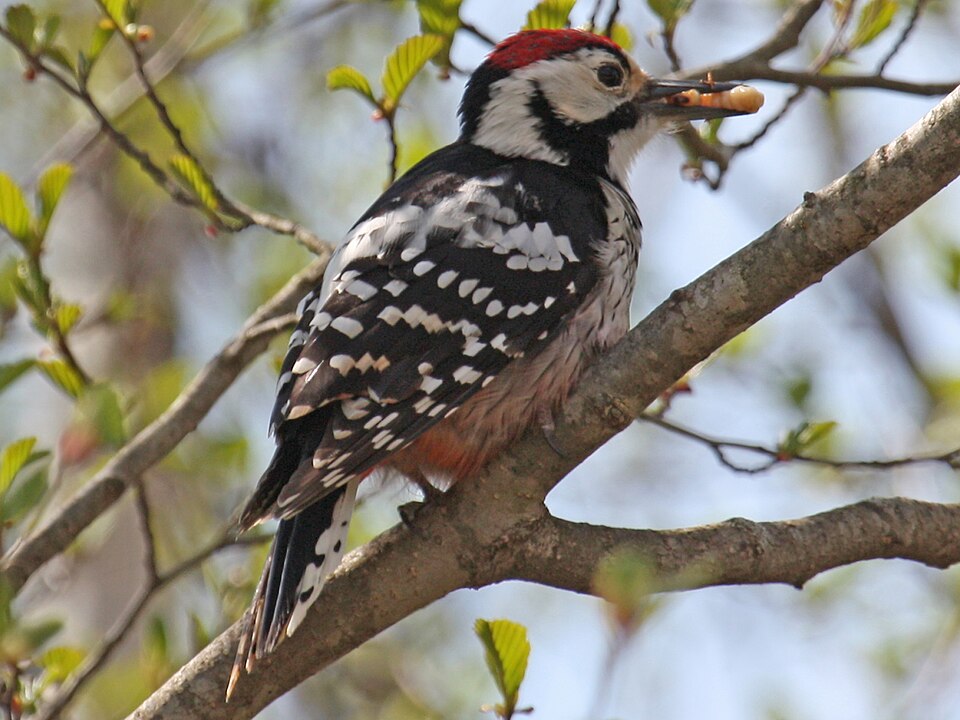 Picchio dorsobianco
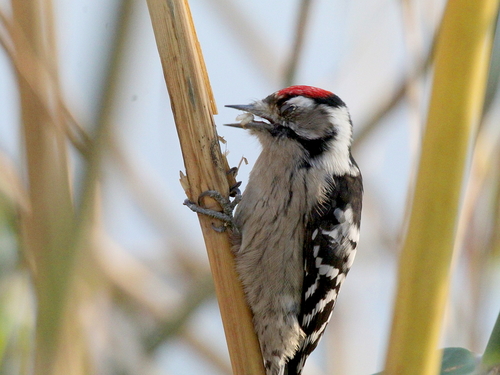 Picchio rosso minore
In breve
Il segno distintivo più affidabile tra Picchio dorsobianco e Picchio rosso minore è la dimensione: il Picchio dorsobianco è molto più grande e massiccio, mentre il Picchio rosso minore è piccolo e spesso trascurato. In volo o posato, nota il motivo delle ali: il Picchio dorsobianco mostra barre bianche sulle ali e una parte inferiore pulita e bianca, mentre il Picchio rosso minore ha barre più ampie e più evidenti sulle ali e una parte inferiore barrata. I maschi di entrambe le specie hanno corone rosse, ma l'estensione e il contesto differiscono. Il Picchio rosso minore si trova tipicamente in alto nelle chiome degli alberi e può essere difficile da individuare, mentre il Picchio dorsobianco è più evidente sui tronchi e sui rami più grandi. Le vocalizzazioni e il tamburellare differiscono in volume e tono, ma questi sono meglio utilizzati come indizi di supporto.
Consigli di identificazione
- La dimensione è il controllo più rapido: Se l'uccello appare piccolo, delle dimensioni di un passero e delicato, è un Picchio rosso minore; se appare robusto e quasi delle dimensioni di un Picchio rosso maggiore, è un Picchio dorsobianco. Questo funziona per tutte le età e i sessi.
- Motivo delle ali in volo o posato: Il Picchio dorsobianco mostra barre bianche (non macchie) sulle ali e una parte inferiore bianca pulita e non barrata. Il Picchio rosso minore ha barre più ampie e più evidenti sulle ali e una parte inferiore che è anch'essa barrata in bianco e nero. Questo è affidabile in tutte le livree.
- Motivo della coda: Il Picchio rosso minore ha penne della coda esterne barrate, visibili quando la coda è aperta o in volo. La coda del Picchio dorsobianco è meno distintamente barrata.
- Colore della corona (sesso e età): Il maschio adulto del Picchio dorsobianco ha una corona rossa; la femmina ha una corona nera. Il maschio del Picchio rosso minore ha una corona cremisi con una fronte marrone e un sopracciglio nero; la femmina ha una corona bianca. I giovani Picchi rossi minori di entrambi i sessi possono mostrare cremisi sulla testa, quindi fai attenzione con gli uccelli giovani.
- Parti inferiori: Il Picchio rosso minore mostra striature sui fianchi; il Picchio dorsobianco è più pulito e bianco sotto.
- Dimensione e forma del becco: Il Picchio dorsobianco ha un becco proporzionalmente più grande e pesante, adatto a scavare legno morto più grande. Il becco del Picchio rosso minore è fine e corto, in linea con la sua piccola dimensione.
- Jizz e postura: Il Picchio rosso minore appare spesso tozzo e quasi triangolare, specialmente in volo, ed è di solito in alto nella chioma. Il Picchio dorsobianco è più massiccio e più probabile da vedere più in basso sui tronchi o sui grandi rami.
- Contesto dell'habitat: Se l'uccello si trova in una foresta matura e indisturbata con molte grandi legna morte, è più probabile che sia un Picchio dorsobianco. Se si trova in un parco, in un margine o in un bosco misto con rami morti sottili in alto nella chioma, sospetta un Picchio rosso minore.
- Vocalizzazioni: Il tamburellare del Picchio dorsobianco è forte e potente; i suoi richiami sono 'kiuk' e 'kweek.' Il Picchio rosso minore emette un 'keek' ripetuto e un tamburellare più leggero e vibrante. Usa questi come indizi di supporto, specialmente se l'uccello non è ben visibile.
- Comportamento: Il Picchio rosso minore è spesso trascurato a causa della sua piccola dimensione e della tendenza a cercare cibo in alto negli alberi. Il Picchio dorsobianco è più evidente e meno probabile da perdere se presente.
- Insidie stagionali e di età: I giovani di entrambe le specie possono mostrare rosso sulla corona, quindi non fare affidamento solo sul colore della testa negli uccelli giovani. Usa il motivo delle ali e della schiena come controllo principale.
- Rischio di confusione: Entrambi possono essere confusi con il Picchio rosso maggiore, ma il Picchio dorsobianco è più vicino in dimensione e struttura a quella specie, mentre il Picchio rosso minore è molto più piccolo e più delicato.
- Nessun cambiamento stagionale marcato: Entrambe le specie mantengono una livrea simile tutto l'anno, quindi la variazione stagionale non è un'insidia importante.
- Contesto della popolazione: Il Picchio rosso minore è in declino in molte aree ed è molto meno probabile da incontrare rispetto al Picchio dorsobianco in alcune regioni, ma l'abbondanza locale varia [ebird].
- Indizi sui fori nido: I fori nido del Picchio rosso minore sono più piccoli (2.5–5 cm di diametro) e più in alto (spesso 10–20 m), mentre quelli del Picchio dorsobianco sono più grandi e più in basso, ma questo è raramente utile sul campo a meno che non venga osservata l'escavazione del nido.
Taglia
Il Picchio dorsobianco è il più grande dei picchi maculati nel Palearctico occidentale, misurando 24–26 cm di lunghezza con un'apertura alare di 38–40 cm [wikipedia]. Al contrario, il Picchio rosso minore è il più piccolo picchio europeo, lungo solo 14–16.5 cm con un'apertura alare di 24–29 cm e pesando circa 20 g [wikipedia]. La differenza è drammatica: il Picchio rosso minore è meno di due terzi della lunghezza e molto più leggero, apparendo delicato e delle dimensioni di un passero, mentre il Picchio dorsobianco è robusto e più vicino in dimensione al Picchio rosso maggiore.
Piumaggio
- Giovani/uccelli immaturi: I giovani di entrambe le specie possono mostrare un po' di rosso sulla corona, ma i giovani del Picchio rosso minore di entrambi i sessi hanno più o meno cremisi sulla testa, mentre nel Picchio dorsobianco, solo il maschio mostra una corona rossa (la femmina ha una corona nera).
- Motivo delle ali: Il Picchio dorsobianco (tutte le età) ha barre bianche sulle ali (non macchie) e una parte inferiore bianca e colpisce. Il Picchio rosso minore mostra barre più ampie e più evidenti sulle ali, e la parte inferiore è anch'essa barrata in bianco e nero, non pulita e bianca. Le penne della coda esterne del Picchio rosso minore sono anch'esse barrate.
- Maschi adulti: Entrambi hanno corone rosse, ma nel Picchio rosso minore, il rosso è limitato alla corona con una fronte marrone e un sopracciglio nero; nel Picchio dorsobianco, il rosso è più esteso sulla corona.
- Femmine adulte: La femmina del Picchio dorsobianco ha una corona nera; la femmina del Picchio rosso minore ha una corona bianca.
- Parti inferiori: Entrambi hanno parti inferiori chiare, ma il Picchio rosso minore mostra striature sui fianchi, mentre il Picchio dorsobianco è più pulito sotto.
- Cambiamento stagionale: Nessuna delle due specie mostra cambiamenti stagionali marcati nella livrea.
Comportamento
Il Picchio rosso minore trascorre la maggior parte del suo tempo in alto nella chioma, spesso in cima a alberi alti, ed è facilmente trascurato a causa della sua piccola dimensione e delle abitudini segrete. Il suo volo è descritto come tozzo e quasi triangolare, saltando da albero ad albero. Il Picchio dorsobianco è più probabile da vedere sui tronchi o sui grandi rami ed è generalmente più evidente a causa della sua dimensione e del comportamento più audace. Entrambe le specie tamburellano e cercano insetti nel legno morto, ma il Picchio rosso minore spesso prende di mira rami morti sottili, mentre il Picchio dorsobianco è più associato a legno in decomposizione più grande.
Habitat
Entrambe le specie sono uccelli di bosco, ma il Picchio rosso minore si trova più spesso in parchi e boschi misti, specialmente dove ci sono alberi alti e rami morti. È altamente dipendente dal legno in decomposizione nella chioma ed è sensibile alla rimozione di alberi morti. Il Picchio dorsobianco preferisce foreste mature, spesso a foglia larga, con abbondante legno morto, specialmente in aree meno disturbate. Sebbene i loro habitat possano sovrapporsi, il Picchio dorsobianco si trova generalmente in foreste più grandi e più vecchie, mentre il Picchio rosso minore può verificarsi in boschetti più piccoli e parchi urbani se è presente legno morto adatto.
Voce
Il tamburellare del Picchio dorsobianco è molto forte e potente; i suoi richiami includono un 'kiuk' morbido e un 'kweek' più lungo. Il Picchio rosso minore emette un 'keek' ripetuto, che è forte per la sua dimensione, e il suo tamburellare è un rattle vibrante che, con esperienza, può essere distinto dal tamburellare più profondo e più risonante di specie più grandi come il Picchio dorsobianco. Le vocalizzazioni del Picchio rosso minore sono spesso il primo indizio della sua presenza, poiché altrimenti è poco evidente.
Picchio dorsobianco · Picchio rosso minore · I miei uccelli difficili