

Motmot

オオアカゲラ 対 アカゲラ

Dendrocopos leucotos 対 Dendrocopos major

オオアカゲラとアカゲラのクイズ
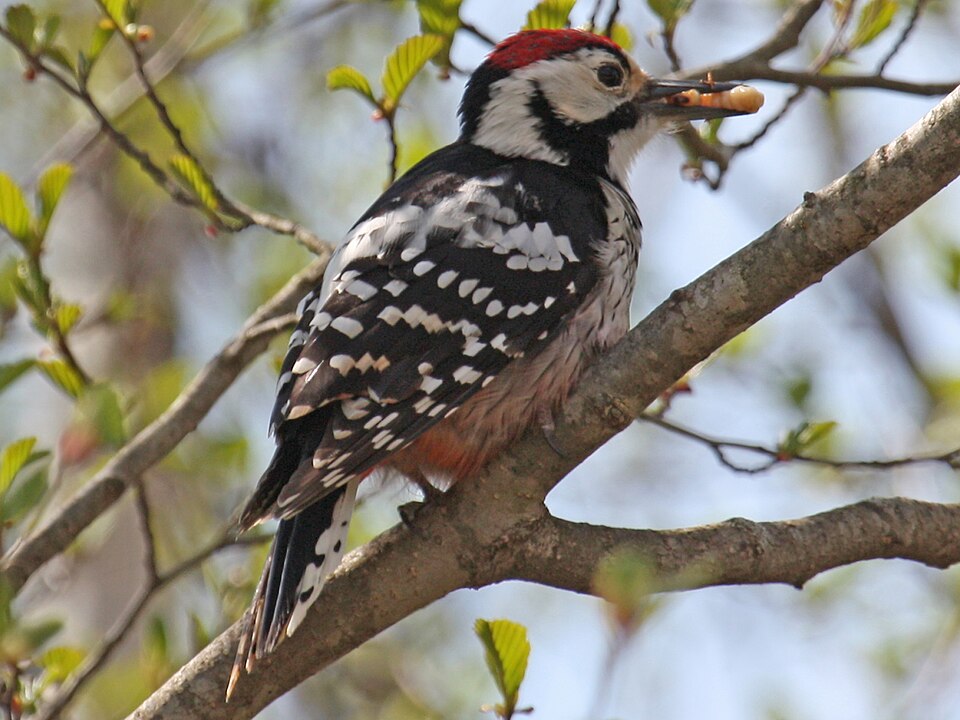
オオアカゲラ (Dendrocopos leucotos) オオアカゲラ
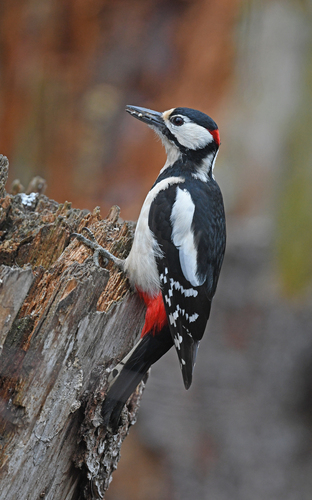
アカゲラ (Dendrocopos major) アカゲラ

メディア

読み込み中…

要点

オオアカゲラとアカゲラの最も信頼できるフィールドマークは、上翼のパターンです:オオアカゲラは翼に大胆な白いバーを示し(斑点ではなく)、目を引く白い下背を持っていますが、アカゲラは白い翼の斑点と大きな白い肩のパッチを持っていますが、白い下背はありません。成鳥では、オオアカゲラのオスは赤い冠を持ち(メスは黒)、アカゲラのオスは赤いうなじを持ち、両性とも赤い腹部を示します。幼鳥のアカゲラは混乱を招くことがありますが、赤い冠は広がりが少なく、翼のパターンはまだ異なります。サイズ、構造、声は補助的な手がかりを提供しますが、自信を持って区別するためには翼と背中のパターンに焦点を当ててください。

識別のコツ

  1. Upperwing pattern (all ages): オオアカゲラは翼に白いバーを示し、アカゲラは白い斑点と大きな白い肩のパッチを持っています。これは飛行中または止まっているときの最も一貫したフィールドマークです。
  2. Lower back color (all ages): オオアカゲラは目を引く白い下背を持ち、アカゲラの黒い背中と対照的です。これは特に鳥が登ったり飛んだりしているときに目立ちます。
  3. Crown color (adults): オオアカゲラのオスは赤い冠を持ち、メスは黒い冠を持っています。アカゲラのオスは赤いうなじを持ち(冠ではなく)、メスは頭に赤がありません。幼鳥のアカゲラは赤い冠を持っていますが、翼のパターンはまだ異なります。
  4. Ventral coloration: アカゲラは成鳥で常に赤い腹部と尾羽を示しますが、オオアカゲラはこの明るい赤い腹部がなく、下側はより均一に淡い色に見えます。
  5. Juvenile confusion: 幼鳥のアカゲラは赤い冠を示すことがありますが、斑点のある(バーではない)翼と白い下背の欠如を探してください。幼鳥のオオアカゲラはすでに成鳥のバーのある翼と白い下背を示しています。
  6. Size and structure: オオアカゲラはより大きくてがっしりしており、尾が長く、体格が重いですが、特に北部では大きなアカゲラの個体との重複に注意してください。
  7. Habitat context: オオアカゲラは断片化されたり都市の生息地では稀であり、アカゲラは庭や公園で一般的です。都市で疑わしい場合、ほぼ常にアカゲラです。
  8. Subspecies variation: 一部のアカゲラの亜種(北部)はより大きくて淡いですが、オオアカゲラの白い下背とバーのある翼は依然として欠けています。
  9. Drumming and calls: 両種ともドラミングしますが、オオアカゲラのドラミングは非常に大きいと説明されています。呼び声は提供されたメモに基づいてフィールドで信頼できる分離ができません。
  10. Sexing adults: オオアカゲラのオスだけが赤い冠を持ち、メスは全体が黒い冠です。アカゲラのオスは赤いうなじを持ち、メスは頭に赤がありません。これは、鳥が上からよく見えるときに役立ちます。
  11. Red on head in juveniles: 幼鳥のアカゲラは赤い冠を持っていますが、他の羽毛は鈍く、あまり目立たず、翼のパターンは斑点のままで、バーではありません。
  12. Back pattern in flight: 飛行中、オオアカゲラは広い白い下背とバーのある翼を示し、アカゲラは白い肩のパッチと斑点のある翼を持つ黒い背中を示します。
  13. Underpart color: アカゲラの成鳥は明るい赤い腹部と尾羽を持ち、オオアカゲラはこの強い赤がなく、下側はより淡いです。
  14. General impression: オオアカゲラはしばしば長くて重く見え、特に幹を登るときにより細長いプロファイルを持っています。
  15. Pitfalls: 赤い冠と鈍い羽毛を持つ幼鳥のアカゲラに注意してください;確認のために常に翼と背中のパターンをチェックしてください。

大きさ

オオアカゲラは明らかに大きく、全長24〜26 cm、翼幅38〜40 cmで、西パレアールクティックで最も大きな斑点のあるキツツキです [wikipedia]。アカゲラは中型で、全長20〜24 cm、翼幅34〜39 cm [wikipedia]、平均成鳥の質量は89 g [wikidata]です。フィールドでは、オオアカゲラはしばしばがっしりしていて尾が長く見えますが、特に北部の大きなアカゲラの個体との重複に注意してください。

羽色

行動

両種は同様の方法でドラミングし、樹皮を登ったり死んだ木を探したりします。オオアカゲラはしばしばより秘密主義で、成熟した未開発の森林を好みますが、アカゲラはより適応力があり、庭、公園、さまざまな森林タイプを頻繁に訪れます。飛行中、両種は波状のキツツキの飛行を示しますが、オオアカゲラはより重くて尾が長く見えることがあります。

生息環境

オオアカゲラは成熟した、しばしば落葉樹または混合林の専門家で、豊富な死木があり、都市や断片化された生息地では見つかる可能性がはるかに低いです。アカゲラは非常に適応力があり、公園、庭、針葉樹林を含む幅広い森林生息地で見られます。都市公園で「斑点のある」キツツキを見た場合、ほぼ常にアカゲラです。

声

オオアカゲラのドラミングは非常に大きく、その呼び声には柔らかい「キウク」と長い「クイーク」が含まれます。アカゲラもドラミングし、呼び声を出しますが、メモには声だけで信頼できる分離のための十分な詳細が提供されていません。

より良い説明を送る

比較と同じ項目を使ってください。文章はすぐに公開されます。

The most reliable field mark between White-backed and Great Spotted Woodpecker is the upperwing pattern: White-backed shows bold white bars across the wings (not spots), and a strikingly white lower back, while Great Spotted has white wing spots and a large white shoulder patch, but never a white lower back. In adults, White-backed males have a red crown (females black), while Great Spotted males have a red nape and both sexes show a red vent. Juvenile Great Spotted can be confusing, but their red crown is less extensive and their wing pattern still differs. Size, structure, and voice offer supporting clues, but focus on the wing and back pattern for a confident separation.

  1. Upperwing pattern (all ages): White-backed shows white bars across the wings, while Great Spotted has white spots and a large white shoulder patch. This is the most consistent field mark in flight or perched.
  2. Lower back color (all ages): White-backed has a striking white lower back, contrasting with the black back of Great Spotted. This is especially visible when the bird is climbing or in flight.
  3. Crown color (adults): White-backed male has a red crown, female a black crown. Great Spotted male has a red nape (not crown); female lacks red on the head. Juvenile Great Spotted has a red crown, but the wing pattern still differs.
  4. Ventral coloration: Great Spotted always shows a red vent and undertail in adults; White-backed lacks this bright red vent, appearing more uniformly pale below.
  5. Juvenile confusion: Juvenile Great Spotted can show a red crown, but look for the spotted (not barred) wing and lack of white lower back. Juvenile White-backed already shows the adult's barred wing and white lower back.
  6. Size and structure: White-backed is larger and bulkier, with a longer tail and heavier jizz, but beware overlap with large Great Spotted individuals, especially in the north.
  7. Habitat context: White-backed is rare in fragmented or urban habitats; Great Spotted is common in gardens and parks. If in doubt in a city, it is almost always Great Spotted.
  8. Subspecies variation: Some Great Spotted subspecies (northern) are larger and paler, but still lack the white lower back and barred wing of White-backed.
  9. Drumming and calls: Both species drum, but White-backed's drumming is described as very loud. Calls are not reliably separable in the field based on the provided notes.
  10. Sexing adults: Only male White-backed has a red crown; female is all black-crowned. Great Spotted male has a red nape, female lacks red on the head. This helps when birds are seen well from above.
  11. Red on head in juveniles: Juvenile Great Spotted has a red crown, but the rest of the plumage is duller and less well-marked, and the wing pattern remains spotted, not barred.
  12. Back pattern in flight: In flight, White-backed shows a broad white lower back and barred wings, while Great Spotted shows a black back with a white shoulder patch and spotted wings.
  13. Underpart color: Great Spotted adults have a bright red vent and undertail; White-backed is paler below without this strong red.
  14. General impression: White-backed often appears longer and heavier, with a more elongated profile, especially when climbing trunks.
  15. Pitfalls: Beware juvenile Great Spotted with red crowns and dull plumage; always check the wing and back pattern for confirmation.

White-backed Woodpecker is distinctly larger, measuring 24–26 cm in length with a 38–40 cm wingspan, making it the largest spotted woodpecker in the western Palearctic [wikipedia]. Great Spotted Woodpecker is medium-sized at 20–24 cm length and a 34–39 cm wingspan [wikipedia], with an average adult mass of 89 g [wikidata]. In the field, White-backed often appears bulkier and longer-tailed, but beware overlap with large Great Spotted individuals, especially northern subspecies.

  • Juvenile/immature birds: Both species' juveniles can show red on the crown, but the upperwing pattern is key. Juvenile White-backed already shows white bars across the wings (not spots), and a white lower back. Juvenile Great Spotted has a spotted wing pattern, a large white shoulder patch, and a red crown (less extensive in females), but the lower back is dark and the vent pinkish rather than red. Juvenile Great Spotted also has less defined markings and a brownish tinge to the upperparts.

  • Adults: White-backed male has a red crown, female a black crown. The back is extensively white, especially on the lower back, and the wings are barred white and black (not spotted). Great Spotted male has a black crown with a red nape patch (female lacks red on the head), and the back is black with a large white shoulder patch but not a white lower back. The wings are black with white spots, and the underparts are white with a bright red vent and undertail. Subspecies variation in Great Spotted can affect underpart color and size, but the wing and back pattern remain consistent.

Both species drum and forage in similar ways, scaling bark and probing dead wood. White-backed is often more secretive and prefers mature, undisturbed forests, while Great Spotted is more adaptable and frequently visits gardens, parks, and a wider range of woodland types. In flight, both show undulating woodpecker flight, but White-backed may appear heavier and longer-tailed.

White-backed Woodpecker is a specialist of mature, often deciduous or mixed forests with abundant dead wood, and is much less likely to be found in urban or fragmented habitats. Great Spotted Woodpecker is highly adaptable, found in a wide range of wooded habitats including parks, gardens, and coniferous forests. If you see a 'spotted' woodpecker in a city park, it is almost always Great Spotted.

White-backed's drumming is very loud, and its calls include a soft 'kiuk' and a longer 'kweek.' Great Spotted also drums and calls, but the notes do not provide enough detail for reliable separation in the field based on voice alone.

変更を破棄しますか?

保存していない編集があります。今離れると失われます。

オオアカゲラ · アカゲラ · 苦手な鳥