

Picchio dorsobianco vs Picchio rosso maggiore
Dendrocopos leucotos contro Dendrocopos major
Fai un quiz con Picchio dorsobianco e Picchio rosso maggiore
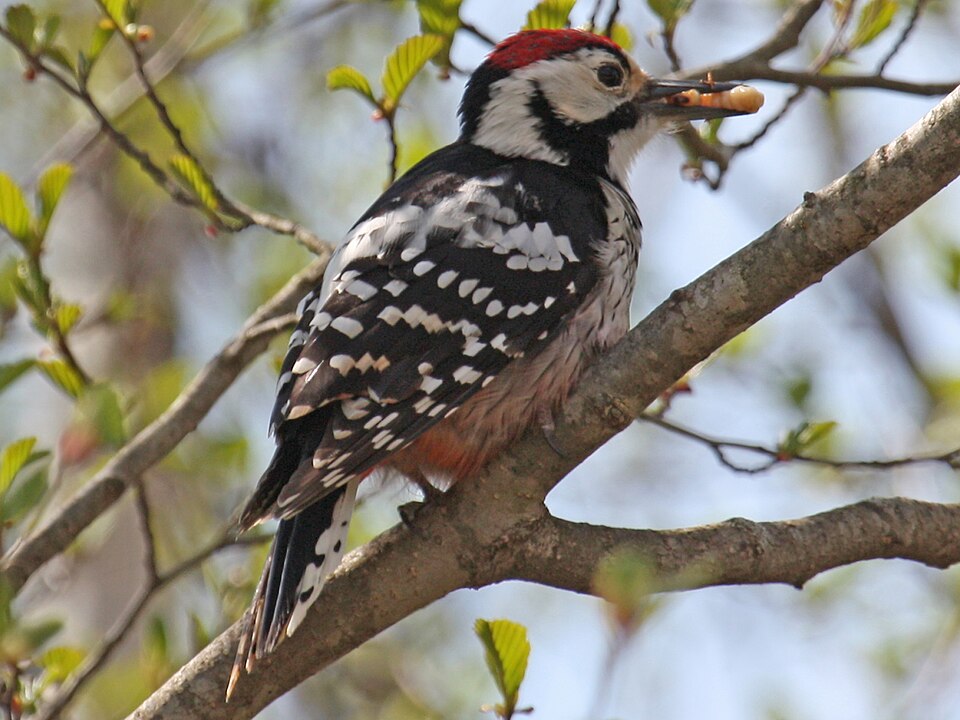 Picchio dorsobianco
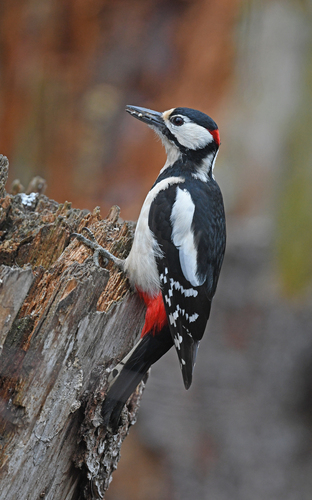 Picchio rosso maggiore
In breve
Il segno distintivo più affidabile tra Picchio dorsobianco e Picchio rosso maggiore è il motivo dell'ala superiore: il Picchio dorsobianco mostra barre bianche audaci sulle ali (non macchie) e una parte bassa della schiena sorprendentemente bianca, mentre il Picchio rosso maggiore ha macchie bianche sulle ali e una grande macchia bianca sulla spalla, ma mai una parte bassa della schiena bianca. Negli adulti, i maschi del Picchio dorsobianco hanno una corona rossa (le femmine nera), mentre i maschi del Picchio rosso maggiore hanno una nuca rossa e entrambi i sessi mostrano un ventre rosso. I giovani Picchi rossi maggiori possono essere confusi, ma la loro corona rossa è meno estesa e il loro motivo dell'ala differisce ancora. Dimensioni, struttura e voce offrono indizi di supporto, ma concentrati sul motivo dell'ala e della schiena per una separazione sicura.
Consigli di identificazione
- Motivo dell'ala superiore (tutte le età): Il Picchio dorsobianco mostra barre bianche sulle ali, mentre il Picchio rosso maggiore ha macchie bianche e una grande macchia bianca sulla spalla. Questo è il segno distintivo più consistente in volo o posato.
- Colore della parte bassa della schiena (tutte le età): Il Picchio dorsobianco ha una parte bassa della schiena sorprendentemente bianca, in contrasto con la schiena nera del Picchio rosso maggiore. Questo è particolarmente visibile quando l'uccello sta arrampicandosi o in volo.
- Colore della corona (adulti): Il maschio del Picchio dorsobianco ha una corona rossa, la femmina una corona nera. Il maschio del Picchio rosso maggiore ha una nuca rossa (non corona); la femmina non ha rosso sulla testa. Il giovane Picchio rosso maggiore ha una corona rossa, ma il motivo dell'ala differisce ancora.
- Colorazione ventrale: Il Picchio rosso maggiore mostra sempre un ventre rosso e una parte bassa della coda negli adulti; il Picchio dorsobianco non ha questo ventre rosso brillante, apparendo più uniformemente pallido sotto.
- Confusione giovanile: Il giovane Picchio rosso maggiore può mostrare una corona rossa, ma cerca l'ala macchiata (non a barre) e l'assenza di una parte bassa della schiena bianca. Il giovane Picchio dorsobianco mostra già l'ala a barre dell'adulto e la parte bassa della schiena bianca.
- Dimensioni e struttura: Il Picchio dorsobianco è più grande e massiccio, con una coda più lunga e un aspetto più robusto, ma fai attenzione alla sovrapposizione con grandi individui di Picchio rosso maggiore, specialmente nel nord.
- Contesto dell'habitat: Il Picchio dorsobianco è raro in habitat frammentati o urbani; il Picchio rosso maggiore è comune in giardini e parchi. In caso di dubbio in una città, è quasi sempre un Picchio rosso maggiore.
- Variazione delle sottospecie: Alcune sottospecie di Picchio rosso maggiore (settentrionali) sono più grandi e più chiare, ma mancano ancora della parte bassa della schiena bianca e dell'ala a barre del Picchio dorsobianco.
- Battere e richiami: Entrambe le specie battono, ma il battere del Picchio dorsobianco è descritto come molto forte. I richiami non sono separabili in modo affidabile sul campo in base alle note fornite.
- Identificazione degli adulti: Solo il maschio del Picchio dorsobianco ha una corona rossa; la femmina ha una corona completamente nera. Il maschio del Picchio rosso maggiore ha una nuca rossa, la femmina non ha rosso sulla testa. Questo aiuta quando gli uccelli sono visti bene dall'alto.
- Rosso sulla testa nei giovani: Il giovane Picchio rosso maggiore ha una corona rossa, ma il resto del piumaggio è più opaco e meno ben marcato, e il motivo dell'ala rimane macchiato, non a barre.
- Motivo della schiena in volo: In volo, il Picchio dorsobianco mostra una parte bassa della schiena bianca ampia e ali a barre, mentre il Picchio rosso maggiore mostra una schiena nera con una macchia bianca sulla spalla e ali macchiate.
- Colore della parte inferiore: Gli adulti del Picchio rosso maggiore hanno un ventre e una parte bassa della coda rossi brillanti; il Picchio dorsobianco è più pallido sotto senza questo rosso forte.
- Impressione generale: Il Picchio dorsobianco appare spesso più lungo e pesante, con un profilo più allungato, specialmente quando arrampica sui tronchi.
- Trappole: Fai attenzione ai giovani Picchi rossi maggiori con corone rosse e piumaggio opaco; controlla sempre il motivo dell'ala e della schiena per conferma.
Taglia
Il Picchio dorsobianco è decisamente più grande, misurando 24–26 cm di lunghezza con un'apertura alare di 38–40 cm, rendendolo il più grande picchio macchiato del Palearctico occidentale [wikipedia]. Il Picchio rosso maggiore è di dimensioni medie, con una lunghezza di 20–24 cm e un'apertura alare di 34–39 cm [wikipedia], con una massa media adulta di 89 g [wikidata]. Sul campo, il Picchio dorsobianco appare spesso più massiccio e con una coda più lunga, ma fai attenzione alla sovrapposizione con grandi individui di Picchio rosso maggiore, specialmente le sottospecie settentrionali.
Piumaggio
-
Giovani/uccelli immaturi: I giovani di entrambe le specie possono mostrare rosso sulla corona, ma il motivo dell'ala superiore è fondamentale. Il giovane Picchio dorsobianco mostra già barre bianche sulle ali (non macchie) e una parte bassa della schiena bianca. Il giovane Picchio rosso maggiore ha un motivo dell'ala macchiato, una grande macchia bianca sulla spalla e una corona rossa (meno estesa nelle femmine), ma la parte bassa della schiena è scura e il ventre è rossastro piuttosto che rosso. Il giovane Picchio rosso maggiore ha anche marcature meno definite e una sfumatura marrone sulle parti superiori.
-
Adulti: Il maschio del Picchio dorsobianco ha una corona rossa, la femmina una corona nera. La schiena è ampiamente bianca, specialmente sulla parte bassa della schiena, e le ali sono a barre bianche e nere (non macchiate). Il maschio del Picchio rosso maggiore ha una corona nera con una macchia rossa sulla nuca (la femmina non ha rosso sulla testa), e la schiena è nera con una grande macchia bianca sulla spalla ma non una parte bassa della schiena bianca. Le ali sono nere con macchie bianche, e le parti inferiori sono bianche con un ventre e una parte bassa della coda rossi brillanti. La variazione delle sottospecie nel Picchio rosso maggiore può influenzare il colore e le dimensioni delle parti inferiori, ma il motivo dell'ala e della schiena rimane costante.
Comportamento
Entrambe le specie battono e cercano il cibo in modi simili, scalando la corteccia e sondando il legno morto. Il Picchio dorsobianco è spesso più riservato e preferisce foreste mature e non disturbate, mentre il Picchio rosso maggiore è più adattabile e visita frequentemente giardini, parchi e una gamma più ampia di tipi di bosco. In volo, entrambe mostrano un volo ondulato da picchio, ma il Picchio dorsobianco può apparire più pesante e con una coda più lunga.
Habitat
Il Picchio dorsobianco è uno specialista delle foreste mature, spesso decidue o miste, con abbondante legno morto, ed è molto meno probabile trovarlo in habitat urbani o frammentati. Il Picchio rosso maggiore è altamente adattabile, trovato in una vasta gamma di habitat boschivi, inclusi parchi, giardini e foreste di conifere. Se vedi un picchio 'macchiato' in un parco cittadino, è quasi sempre un Picchio rosso maggiore.
Voce
Il battere del Picchio dorsobianco è molto forte, e i suoi richiami includono un 'kiuk' morbido e un 'kweek' più lungo. Anche il Picchio rosso maggiore batte e richiama, ma le note non forniscono dettagli sufficienti per una separazione affidabile sul campo basata solo sulla voce.
Picchio dorsobianco · Picchio rosso maggiore · I miei uccelli difficili