

Motmot

コシジロハゲワシ 対 トビ

Gyps africanus 対 Milvus migrans

コシジロハゲワシとトビのクイズ
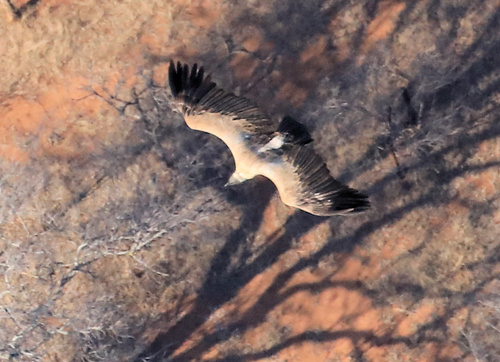
コシジロハゲワシ (Gyps africanus) コシジロハゲワシ
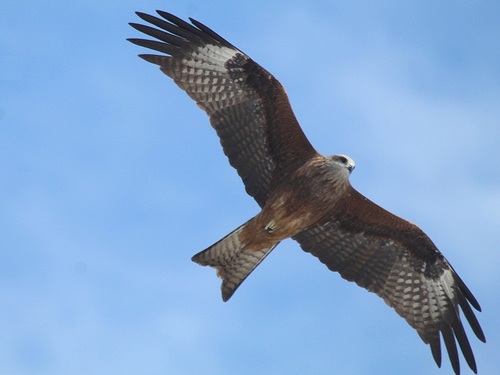
トビ (Milvus migrans) トビ

メディア

読み込み中…

要点

ホシジロハゲワシとトビをフィールドで区別する最も信頼できるフィールドマークは、全体の構造と飛行プロファイルです:ホシジロハゲワシは非常に大きく、非常に広い翼、短い尾、そして明確な白い背中(成鳥)を持っています。一方、トビは中型の猛禽類で、より狭く、尖った翼と長く、浅く分かれた尾を持っています。幼鳥のホシジロハゲワシは均一に暗く、白い背中がないため、トビと混同されることがありますが、ハゲワシの体格、短い尾、そして遅く重い飛行は依然として特徴的です。トビはより敏捷で浮遊感のある飛行を示し、特に飛行中は分かれた尾がしばしば見えます。止まっているとき、ハゲワシの裸の頭と首のラフは、トビの羽毛のある頭とスリムなプロファイルと対照的です。サイズの違いは極端で、どんな距離でも診断的です。

識別のコツ

  1. サイズは最も即座の手がかり:ホシジロハゲワシはトビよりもはるかに大きいです;両方を一緒に見ると、その違いは明白です。単独でも、ハゲワシは鷲サイズまたはそれ以上に見えますが、トビははるかに小さいです。
  2. 翼の形と飛行プロファイル:ハゲワシは非常に広く、板のような翼と短く、直線的な尾を持っています;トビはより狭く、尖った翼と長く、浅く分かれた尾を持っています。飛行中、ハゲワシの翼はほぼ長方形に見えますが、トビの翼はより角ばっていて柔軟です。
  3. 尾の形:トビは尾に浅い分かれ目を示し、特に飛行中や滑空中に扇ぐときに見られます;ホシジロハゲワシの尾は常に短く、四角いです。
  4. 羽毛(成鳥):成鳥のホシジロハゲワシは目立つ白い背中と首のラフを持ち、暗い翼と体と対照的です;トビは全体的に暗い茶色で、頭がやや明るく、白い背中はありません。
  5. 羽毛(幼鳥/未成熟):幼鳥のホシジロハゲワシはほとんど暗く、白い背中がなくても、ハゲワシの構造と裸の頭を持っています。幼鳥のトビは下側がより明るく、縞模様がありますが、常に羽毛のある頭とトビのような比率を持っています。
  6. 頭と首:ハゲワシはふわふわの白いラフを持つ裸で柔らかい頭と首を持っています;トビは完全に羽毛のある頭と首を持ち、ラフはありません。
  7. くちばしの形:ハゲワシのくちばしは重く、鉤状で、基部が淡いです;トビのくちばしはスリムで、全体が黒く、あまり深く鉤状ではありません。
  8. 足の色:トビは黄色い足と黒い爪を持っています;ハゲワシの足はフィールドではあまり目立ちませんが、明るい黄色ではありません。
  9. 食事時の行動:ハゲワシは死骸の周りで大きく、攻撃的な群れで食事をします;トビはより孤独で、緩い群れで見られることが多く、しばしば残り物や小さな獲物を拾います。
  10. 生息地:ハゲワシは町や都市ではほとんど見られません;トビは都市や郊外の地域、特に水やゴミの近くで一般的です。
  11. 鳴き声:トビは大きな笛のような鳴き声やいななきを出します;ホシジロハゲワシはほとんど常に静かです。
  12. 飛行スタイル:ハゲワシは遅く、重い翼の拍動で滑空し、めったに羽ばたきません;トビはより敏捷で、しばしば滑空し、傾き、素早く柔軟な翼の拍動で羽ばたきます。
  13. 止まっている姿勢:ハゲワシは厚い首と短い尾で丸まっているように見えます;トビはスリムで、長い尾とより直立した姿勢を持っています。
  14. 社会的行動:両種は群れで見られることがありますが、ハゲワシの集まりは通常死骸の周りで、トビの群れは飛行中や止まっているときに見られることが多いです。
  15. 季節性:アフリカでは、トビの数は移動鳥によって乾季に増加することがあります;ホシジロハゲワシは定住していますが、減少しており、過去よりもはるかに一般的ではありません。

大きさ

ホシジロハゲワシはトビと比べて本当に巨大です:体重は4.2–7.2 kgで、長さは78–98 cm、翼幅は最大2.25 m [wikipedia]です。一方、トビは平均してわずか828 gで、翼幅は約1.5 m [wikidata, wikipedia]です。フィールドでは、遠くにいるハゲワシでも、どんなトビよりもはるかに大きく、体格が重く、翼が広いように見えます。トビは大きなカラスや小さなブザードのサイズ程度ですが、ハゲワシは鷲サイズまたはそれ以上です。

羽色

幼鳥のホシジロハゲワシは主に暗い茶色から黒っぽく、成鳥の白い背中がないため、遠くから見るとトビと表面的に似ていることがあります。しかし、若いハゲワシでも裸で柔らかい頭と首を持ち、翼は相対的に広く、尾はどのトビよりもはるかに短く、四角いです。成鳥のホシジロハゲワシは目を引く白い背中と首のラフを示し、他の暗い羽毛と対照的です。一方、トビは全体的に暗い茶色で、頭と首がやや明るく、白い背中は決して見せません。飛行中、トビは浅く分かれた尾と暗い外側の一次羽を持ち、下側は縞模様があり、背中には強いコントラストはありません。ハゲワシの翼ははるかに広く、尾は常に短く、直線的です。トビの幼鳥は下側がより明るく、縞模様がありますが、常にトビの典型的な翼と尾の形を示します。

行動

ホシジロハゲワシは熱気流で遅く、重く、安定した翼の拍動で滑空し、しばしば高く群れで旋回し、死骸に一斉に降下します。彼らは義務的な掃除屋で、ほぼ独占的に死骸を食べ、通常は開けたサバンナや大きな動物の群れの近くで見られます。トビは敏捷で浮遊感のある飛行者で、しばしば滑空し、傾き、素早い翼の拍動で方向を頻繁に変えます。彼らは機会主義的で、水の近く、都市地域、または人間の居住地の近くで見られることが多く、小さな獲物、魚、ゴミなどのさまざまな食べ物を漁ります。トビはまた、単独または緩い群れで見られる可能性が高く、時にはホバリングしたり、低く急降下したりします。

生息環境

ホシジロハゲワシは大きな哺乳類が存在する森林サバンナや開けた国で最もよく見られ、都市地域にはめったに入ってきません。彼らは大きな木に巣を作り、死骸の入手可能性に大きく依存しています。トビはより適応性があり、都市地域、湿地、河川、開けた国、さらには人間の居住地の近くなど、さまざまな生息地で見られます。アフリカでは、トビは町や都市、ゴミ捨て場の周辺で特に一般的で、ハゲワシは珍しいです。

声

ホシジロハゲワシは一般的に静かで、時折死骸の周りでシューという音やうめき声を出しますが、飛行中や休んでいるときには鳴きません。対照的に、トビは特徴的な高い笛の音の後に速い、いななきの呼び声を持ち、しばしば鳥が滑空中または止まっているときに聞かれます。大きな笛のような鳴き声やいななきの呼び声が聞こえた場合、それはほぼ確実にトビです。

より良い説明を送る

比較と同じ項目を使ってください。文章はすぐに公開されます。

The most reliable field mark to separate White-backed Vulture from Black Kite in the field is overall structure and flight profile: White-backed Vulture is much larger, with extremely broad wings, a short tail, and a distinct white back (adults), while Black Kite is a medium-sized raptor with narrower, more pointed wings and a long, shallowly forked tail. Juvenile White-backed Vultures are uniformly dark and lack the white back, which can cause confusion with Black Kite, but the vulture’s bulk, short tail, and slow, heavy flight remain distinctive. Black Kites show a more agile, buoyant flight and, especially in flight, the forked tail is often visible. Perched, the vulture’s bare head and neck ruff contrast with the kite’s feathered head and sleeker profile. Size difference is extreme and diagnostic at any distance.

  1. Size is the most immediate clue: White-backed Vulture is vastly larger than Black Kite; if you see both together, the difference is unmistakable. Even singly, a vulture will appear eagle-sized or larger, while a kite is much smaller.
  2. Wing shape and flight profile: Vultures have extremely broad, plank-like wings and a short, straight-edged tail; Black Kites have narrower, more pointed wings and a long, shallowly forked tail. In flight, the vulture’s wings look almost rectangular, while the kite’s are more angular and flexible.
  3. Tail shape: Black Kite shows a shallow fork in the tail, especially when fanned in flight or when gliding; White-backed Vulture’s tail is always short and squared off.
  4. Plumage (adult): Adult White-backed Vulture has a conspicuous white back and neck ruff, contrasting with dark wings and body; Black Kite is overall dark brown with a paler head and no white back.
  5. Plumage (juvenile/immature): Juvenile White-backed Vultures are mostly dark and lack the white back, but still have the vulture’s structure and bare head. Juvenile Black Kites are paler below with streaking, but always have a feathered head and kite-like proportions.
  6. Head and neck: Vultures have a bare, downy head and neck with a fluffy white ruff; kites have a fully feathered head and neck, with no ruff.
  7. Bill shape: Vulture’s bill is heavy, hooked, and pale at the base; kite’s bill is slimmer, all black, and less deeply hooked.
  8. Leg color: Black Kite has yellow legs and black claws; vulture’s legs are less conspicuous in the field, but are not bright yellow.
  9. Behavior at food: Vultures feed in large, aggressive groups at carcasses; kites are more solitary or in loose flocks, often picking up scraps or small prey.
  10. Habitat: Vultures are rarely seen in towns or cities; kites are common in urban and suburban areas, especially near water or refuse.
  11. Vocalizations: Black Kite gives a loud, whistling or whinnying call; White-backed Vulture is almost always silent.
  12. Flight style: Vultures soar with slow, heavy wingbeats and rarely flap; kites are more agile, often gliding, tilting, and flapping with quick, flexible wingbeats.
  13. Perched posture: Vultures appear hunched with a thick neck and short tail; kites are sleeker, with a longer tail and more upright stance.
  14. Social behavior: Both species can be seen in groups, but vulture gatherings are usually at carcasses, while kite flocks are more likely in flight or at roosts.
  15. Seasonality: In Africa, Black Kite numbers may increase in the dry season due to migrants; White-backed Vulture is resident but declining and now much less common than in the past.

White-backed Vulture is truly massive compared to Black Kite: it weighs 4.2–7.2 kg and measures 78–98 cm in length with a wingspan up to 2.25 m [wikipedia], while Black Kite averages just 828 g and has a wingspan around 1.5 m [wikidata, wikipedia]. In the field, even a distant vulture will appear much larger and bulkier, with a heavier build and broader wings than any kite. The kite is only about the size of a large crow or small buzzard, while the vulture is eagle-sized or larger.

Juvenile White-backed Vultures are mostly dark brown to blackish and lack the adult’s white back, which can make them superficially similar to Black Kites at a distance. However, even young vultures have a bare, downy head and neck, and their wings are proportionally broader and the tail much shorter and squarer than any kite. Adult White-backed Vultures show a striking white back and neck ruff contrasting with otherwise dark plumage, while Black Kites are overall dark brown with a paler head and neck, and never show a white back. In flight, Black Kites have a shallowly forked tail and dark outer primaries, with a streaked appearance below and no strong contrast on the back. The vulture’s wings are much broader and the tail is always short and straight-edged. Black Kite juveniles are paler below with streaking, but always show the kite’s typical wing and tail shape.

White-backed Vultures soar on thermals with slow, heavy, and steady wingbeats, often circling high in groups and descending en masse to carcasses. They are obligate scavengers, feeding almost exclusively on carrion, and are usually seen in open savannahs or near large animal herds. Black Kites are agile, buoyant fliers, often seen gliding, tilting, and maneuvering with quick wingbeats and frequent changes of direction. They are opportunistic and often seen near water, urban areas, or human settlements, scavenging a wide variety of food including small prey, fish, and refuse. Kites are also more likely to be seen alone or in loose flocks, sometimes hovering or swooping low.

White-backed Vultures are most often found in wooded savannahs and open country where large mammals are present, rarely venturing into urban areas. They nest in large trees and are highly dependent on the availability of carcasses. Black Kites are more adaptable, found in a wide range of habitats including urban areas, wetlands, rivers, open country, and even near human habitation. In Africa, Black Kites are especially common in and around towns, cities, and rubbish dumps, where vultures are rare.

White-backed Vultures are generally silent, occasionally making hissing or grunting sounds at carcasses, but are not vocal in flight or at rest. Black Kites, by contrast, have a distinctive shrill whistle followed by a rapid, whinnying call, often heard when the bird is soaring or perched. If you hear a loud, whistling or whinnying call, it is almost certainly a Black Kite.

変更を破棄しますか?

保存していない編集があります。今離れると失われます。

コシジロハゲワシ · トビ · 苦手な鳥