

Motmot

セジロミゾゴイ 対 カンムリサギ

Calherodius leuconotus 対 Ardeola ralloides

セジロミゾゴイとカンムリサギのクイズ
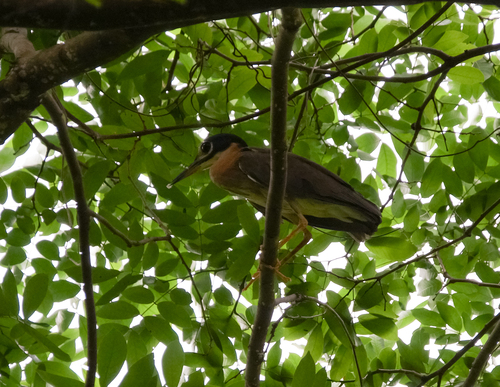
セジロミゾゴイ (Calherodius leuconotus) セジロミゾゴイ
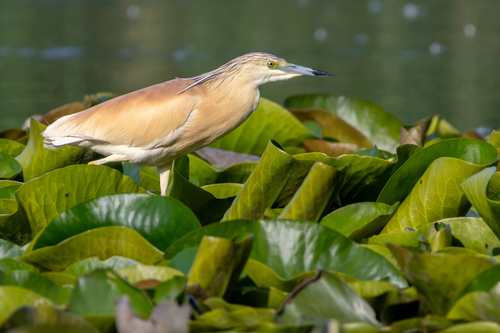
カンムリサギ (Ardeola ralloides) カンムリサギ

メディア

読み込み中…

要点

未熟のセジロミゾゴイとカンムリサギを区別するための最も信頼できるフィールドマークは、前者の上翼覆羽に白い斑点が存在することです—これは飛行中または翼を部分的に開いた状態で止まっているときに見られ、カンムリサギのどの年齢でも見られません。成鳥のセジロミゾゴイは、短い冠を持つ黒い頭と背中に大胆な白い三角形の斑点で区別されますが、カンムリサギの成鳥はバフブラウンの背中を持ち、白い肩羽の三角形がありません。飛行中、すべての年齢のカンムリサギは、その黄褐色の体と対照的に非常に白い翼を示しますが、セジロミゾゴイは全体的に暗く、翼と体のコントラストが少ないです。構造的な違いは微妙ですが、カンムリサギはわずかに小さく、ずんぐりした体型で、首が短く、くちばしが太いです。両種はサハラ以南のアフリカに生息しますが、カンムリサギは開けた湿地で見られる可能性が高く、セジロミゾゴイはより密な森林の生息地を好みます。

識別のコツ

  1. Immature upperwing coverts: 未熟のセジロミゾゴイは、上翼覆羽に特徴的な白い斑点を示し、飛行中または翼を部分的に開いた状態で止まっているときに見られます。カンムリサギのどの年齢でもこれらの斑点は見られません。
  2. Scapular triangle: 成鳥のセジロミゾゴイは、肩羽によって形成された背中の大胆な白い三角形の斑点を持ち、止まっているときや時には飛行中に見られます。カンムリサギは白い肩羽の斑点を持たず、成鳥の背中はバフブラウンです。
  3. Head pattern: セジロミゾゴイの成鳥は、短い冠と目立つ白いアイリングを持つ黒い頭を持っていますが、カンムリサギは冠がなく、強いアイリングもありません。
  4. Neck and breast color: セジロミゾゴイは赤褐色の首と胸を持ち、カンムリサギは全体的に淡い色で、白い腹部と非繁殖期または幼鳥の羽毛にわずかな縞模様があります。
  5. Flight appearance: 飛行中、すべての年齢のカンムリサギは、その黄褐色の体と背中と対照的に非常に白い翼を示します。セジロミゾゴイは全体的に暗く、翼と体のコントラストが少なく、カンムリサギの光り輝く白い翼がありません。
  6. Bill shape: カンムリサギは短くて太いくちばしを持っていますが、セジロミゾゴイのくちばしは相対的に長くて細いですが、これは距離によって微妙に見えることがあります。
  7. Body structure: カンムリサギはずんぐりしていてコンパクトで、首と体が短いです。セジロミゾゴイはわずかに大きく、首が長いです。
  8. Eye color: セジロミゾゴイは白いリングを持つ大きな赤い目を持っていますが、カンムリサギの目はあまり目立たず、強いリングがありません。
  9. Leg color: 両種は黄褐色の脚を持っていますが、これは区別のための強いフィールドマークではありません。
  10. Juvenile breast pattern: 未熟のセジロミゾゴイは縞模様の胸を持っていますが、幼鳥のカンムリサギはわずかな縞模様を示すことがありますが、白い上翼の斑点はありません。
  11. Crest: セジロミゾゴイだけが頭に短い冠や羽のディスプレイを持っていますが、カンムリサギには冠がありません。
  12. Habitat context: 密な森林の湿地や森林の河川の縁で見られた場合、セジロミゾゴイの可能性があります。開けた湿地、葦原、または日当たりの良い湿地にいる場合、カンムリサギの可能性が高いです。
  13. Behavioral context: セジロミゾゴイはより夜行性で秘密主義的であり、しばしば夕暮れ時に現れます。カンムリサギは昼間に活動的で目に見える可能性が高いです。
  14. Seasonal context: カンムリサギは移動性で、アフリカの非繁殖期に開けた湿地でより一般的に見られるかもしれませんが、セジロミゾゴイはその範囲に常駐しています。
  15. Pitfall: 照明が悪い場合、カンムリサギの飛行中の白い翼は白い背中のサギと間違われることがありますが、鳥が着陸したときに白い肩羽の三角形と頭のパターンの有無を確認してください。

大きさ

カンムリサギは2種の中で小さく、全長44〜47 cm、体重約288 gです [wikidata]。セジロミゾゴイは全長50〜55 cmでわずかに大きいですが(体重は記載されていません)、その違いは控えめで、並んで見ない限り現場では明らかではないかもしれません。カンムリサギはまた、ずんぐりしていてコンパクトに見え、首とくちばしが短いですが、セジロミゾゴイは相対的に首が長く、体が長いです。

羽色

未熟のセジロミゾゴイは、縞模様の胸と上翼覆羽に特徴的な白い斑点によって最もよく識別されます—これらの斑点は飛行中および止まっているときに見られ、カンムリサギのどの年齢でも存在しません。成鳥のセジロミゾゴイは、短い冠を持つ黒い頭、目立つ白いアイリング、赤褐色の首と胸、肩羽によって形成された背中の大胆な白い三角形の斑点を持っています。腹部は白褐色です。対照的に、繁殖羽毛のカンムリサギの成鳥はバフブラウンの背中、白い腹部、長い首の羽毛を持ち、飛行中は翼が非常に白く、黄褐色の体と強く対照的に見えます。非繁殖のカンムリサギはより淡い色で、より明るい縞模様と一般的に黄褐色の外観を持っていますが、依然として白い肩羽の三角形とセジロミゾゴイの黒い頭を欠いています。幼鳥のカンムリサギはわずかな縞模様を示すことがありますが、上翼覆羽に白い斑点や白い肩羽の斑点は決してありません。

行動

両種は秘密主義的であり、しばしば密な植生の中に隠れていますが、カンムリサギは開けた湿地で見られる可能性が高く、しばしば浅い水で餌を取ったり、低い枝に止まったりします。これは移動性で、ヨーロッパと中東で繁殖し、アフリカで越冬します。セジロミゾゴイはより厳密に夜行性または薄明かりの時間帯に活動し、昼間は密なカバーの中で休息し、夕暮れ時に現れます。開けた場所で見られる可能性は低く、森林や森林の湿地を好みます。両種は魚、カエル、昆虫を食べますが、カンムリサギは昼間に積極的に狩りをしているのが見られる可能性が高いです。

生息環境

セジロミゾゴイは通常、サハラ以南のアフリカの密に植生した湿地、森林の湿地、または森林の河川の縁に見られます。開けた国ではめったに見られません。カンムリサギは、非繁殖期にサハラ以南のアフリカにも存在しますが、開けた湿地、葦原、湖や川の縁を好み、より開けた日当たりの良い状況で見られることが多いです。密な森林や森林の湿地にいる場合はセジロミゾゴイの可能性が高く、開けた湿地や葦原にいる場合はカンムリサギの可能性が高いです。

より良い説明を送る

比較と同じ項目を使ってください。文章はすぐに公開されます。

The most reliable field mark for separating immature White-backed Night Heron from Squacco Heron is the presence of white spots on the upperwing coverts in the former—this is visible in flight or when perched with wings partially open, and does not occur in Squacco Heron of any age. Adult White-backed Night Heron is distinguished by its black head with a short crest and a bold white triangular patch on the back, while Squacco Heron adults have a buff-brown back and lack any white scapular triangle. In flight, Squacco Heron of all ages shows strikingly white wings contrasting with its tawny body, whereas White-backed Night Heron appears darker overall, with less contrast between wing and body. Structural differences are subtle, but Squacco Heron is slightly smaller and stockier, with a shorter neck and thicker bill. Both species can occur in sub-Saharan Africa, but Squacco Heron is more likely in open wetlands, while White-backed Night Heron prefers denser, wooded habitats.

  1. Immature upperwing coverts: Immature White-backed Night Heron shows distinctive white spots on the upperwing coverts, visible in flight or when perched with wings partially open. Squacco Heron of any age never shows these spots.
  2. Scapular triangle: Adult White-backed Night Heron has a bold white triangular patch on the back formed by the scapulars, visible when perched and sometimes in flight. Squacco Heron lacks any white scapular patch—its back is buff-brown in adults.
  3. Head pattern: White-backed Night Heron adults have a black head with a short crest and prominent white eye-ring; Squacco Heron has a pale buff head with no crest and no strong eye-ring.
  4. Neck and breast color: White-backed Night Heron has a rufous (reddish-brown) neck and breast, while Squacco Heron is paler overall, with white underparts and only faint streaking in non-breeding or juvenile plumages.
  5. Flight appearance: In flight, Squacco Heron of all ages shows very white wings contrasting with its tawny body and back. White-backed Night Heron appears darker overall, with less contrast between wing and body, and lacks the gleaming white wings of Squacco Heron.
  6. Bill shape: Squacco Heron has a short, thick bill; White-backed Night Heron’s bill is proportionally longer and slimmer, though this can be subtle at a distance.
  7. Body structure: Squacco Heron is stockier and more compact, with a shorter neck and body. White-backed Night Heron is slightly larger and longer-necked.
  8. Eye color: White-backed Night Heron has large red eyes with a white ring; Squacco Heron’s eyes are less striking and lack a bold ring.
  9. Leg color: Both species have yellowish legs, but this is not a strong field mark for separation.
  10. Juvenile breast pattern: Immature White-backed Night Heron has a streaked breast; juvenile Squacco Heron may show some streaking but not as pronounced, and never with white upperwing spots.
  11. Crest: Only White-backed Night Heron has a short crest or feather display on the head; Squacco Heron lacks any crest.
  12. Habitat context: If seen in dense, wooded wetland or forested river margin, suspect White-backed Night Heron. If in open marsh, reedbed, or sunlit wetland, Squacco Heron is more likely.
  13. Behavioral context: White-backed Night Heron is more nocturnal and secretive, often emerging at dusk. Squacco Heron is more likely to be active and visible during the day.
  14. Seasonal context: Squacco Heron is migratory and may be more common in open wetlands during the non-breeding season in Africa; White-backed Night Heron is resident in its range.
  15. Pitfall: In poor light, Squacco Heron’s white wings in flight can be mistaken for a white-backed heron, but check for the presence or absence of the white scapular triangle and head pattern when the bird lands.

Squacco Heron is the smaller of the two, measuring 44–47 cm in length with a body mass around 288 g [wikidata]. White-backed Night Heron is slightly larger at 50–55 cm in length (no mass given), but the difference is modest and may not be obvious in the field unless seen side by side. Squacco Heron also appears stockier and more compact, with a shorter neck and bill, while White-backed Night Heron is relatively longer-necked and longer-bodied.

Immature White-backed Night Heron is best identified by its streaked breast and distinctive white spots on the upperwing coverts—these spots are visible both in flight and when perched, and are not present in Squacco Heron at any age. Adult White-backed Night Heron has a black head with a short crest, prominent white eye-ring, rufous neck and breast, and a bold white triangular patch on the back formed by the scapulars. The underparts are whitish-brown. In contrast, Squacco Heron adults in breeding plumage have a buff-brown back, white underparts, and long neck feathers; in flight, the wings appear very white and contrast strongly with the tawny body. Non-breeding Squacco Herons are paler, with lighter streaking and a generally tawny appearance, but still lack the white scapular triangle and the black head of White-backed Night Heron. Juvenile Squacco Herons may show some streaking but never have white spots on the upperwing coverts or a white scapular patch.

Both species are secretive and often remain hidden in dense vegetation, but Squacco Heron is more likely to be seen in open, marshy wetlands, often feeding in shallow water or perched on low branches. It is migratory, breeding in Europe and the Middle East and wintering in Africa. White-backed Night Heron is more strictly nocturnal or crepuscular, often roosting in dense cover during the day and emerging at dusk. It is less likely to be seen in the open and prefers wooded or forested wetlands. Both species feed on fish, frogs, and insects, but Squacco Heron is more likely to be seen actively hunting during the day.

White-backed Night Heron is typically found in densely vegetated wetlands, wooded swamps, or forested river margins in sub-Saharan Africa. It is rarely seen in open country. Squacco Heron, while also present in sub-Saharan Africa during the non-breeding season, prefers open marshes, reedbeds, and the edges of lakes and rivers, often in more open and sunlit situations. If the bird is in dense woodland or forested wetland, White-backed Night Heron is more likely; if in open marsh or reedbed, Squacco Heron is more probable.

変更を破棄しますか?

保存していない編集があります。今離れると失われます。

セジロミゾゴイ · カンムリサギ · 苦手な鳥