

Motmot

ニシツメナガセキレイ 対 ツメナガセキレイ

Motacilla flava 対 Motacilla tschutschensis

ニシツメナガセキレイとツメナガセキレイのクイズ
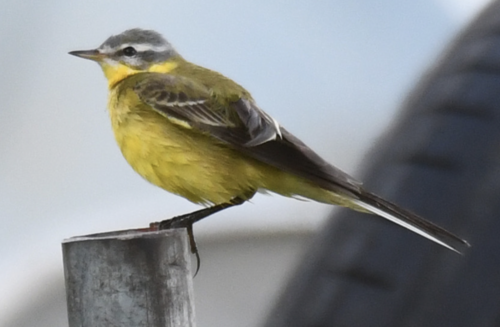
ニシツメナガセキレイ (Motacilla flava) ニシツメナガセキレイ
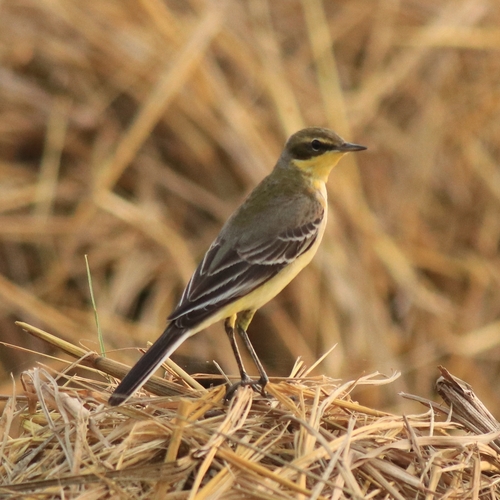
ツメナガセキレイ (Motacilla tschutschensis) ツメナガセキレイ

メディア

読み込み中…

要点

西ツメナガセキレイ (Motacilla flava) とツメナガセキレイ (Motacilla tschutschensis) を区別する最も信頼性の高いフィールドマークは後爪です:ツメナガセキレイは後爪が明らかに長くてまっすぐですが、西ツメナガセキレイの後爪は短くて強く曲がっています—ただし、これは鳥が岩やワイヤーに止まっていないと見るのが難しいです。両種は細長く、長い尾を持ち、特に繁殖期のオスでは頭の模様が変化しますが、鳴き声、構造、幼鳥/初冬の羽毛の微妙な違いが役立つことがあります。未成熟の鳥は特に難しく、両方とも下側に薄い黄色と淡い頭を示すことがあります。鳴き声と文脈(場所と季節)は重要な手がかりになることがあり、特に繁殖範囲外では注意が必要です。

識別のコツ

  1. 後爪の形(止まっている鳥): ツメナガセキレイは明らかに長くてまっすぐな後爪を持っていますが、西ツメナガセキレイの後爪は短くて強く曲がっています。これは信頼できるマークですが、鳥が岩、ワイヤー、または露出した地面に止まっていないと見るのが難しいです。
  2. 頭の模様(繁殖期のオス): 両種は亜種によって変化する頭の模様を示します;西ツメナガセキレイは一部の形態で頭により広範な白を持つことがありますが、これは一部のツメナガセキレイの亜種と重なります。亜種の専門知識がないと一貫して信頼できるマークではありません。
  3. 幼鳥と初冬の羽毛: 両種は非常に似て見えることがあります—上はオリーブ色または茶色がかり、下は黄色がかったり白っぽかったりし、頭は淡いです。これらの年齢において上翼や飛行パターンに一貫した違いは記録されていません。
  4. くちばしと脚の色: 両方とも黒いくちばしと脚を持っています;区別には役立ちません。
  5. 尾の長さと振り: 両種は長く、常に振っている尾を持っています。西ツメナガセキレイはヨーロッパのセキレイの中で最も短い尾を持つと言われていますが、その違いは微妙で、フィールドでは診断的ではありません。
  6. 飛行スタイル: 両方とも波状の飛行を示し、飛行中によく鳴きます;違いはありません。
  7. 声: ツメナガセキレイの鳴き声はより高く、よりざらざらしており(「zrri」または「jeet」)、西ツメナガセキレイの鳴き声はより柔らかく、高音の「jeet」です。特に移動中の経験豊富なリスナーには役立ちます。
  8. 生息地と範囲: 西ツメナガセキレイはヨーロッパと西/中央アジアで繁殖し、ツメナガセキレイは東パレアルクティックとアラスカで繁殖します。冬と移動中は範囲が重なることがあり、注意が必要です。
  9. 季節と場所: ヨーロッパでは春/夏の黄色いセキレイは西ツメナガセキレイの可能性が高いです;東アジアやアラスカではツメナガセキレイの可能性が高いです。南/東南アジアやヨーロッパでの迷鳥の場合、両方の可能性があります。
  10. 亜種の混乱: 両種は重なり合う頭の模様と羽毛を持つ多くの亜種があり、色だけでの同定は信頼できません。
  11. ハイブリッドゾーン: 西の亜種が交雑する地域(例:フランス北部、ルーマニア)では、鳥が中間的な特徴を示すことがあり、同定がさらに複雑になります。
  12. 文脈的手がかり: 群れの構成、タイミング、既知の移動ルートが役立つことがありますが、決定的ではありません。
  13. 信頼できるサイズの違いはない: 両方とも同じくらいスリムで、長さと質量が似ています。
  14. 翼の模様に一貫した違いはない: 他のセキレイ種とは異なり、これらの二種はどの年齢でも診断的な上翼や飛行マークを示しません。
  15. 複数の特徴を使用する: どのフィールドマークも常に信頼できるわけではないため、後爪(見える場合)、声、文脈を組み合わせて正しい同定の可能性を高めてください。

大きさ

両種は非常にサイズが似ており、長さは15〜16 cmでスリムなプロポーションを持っています [wikipedia]。質量や全体の長さに一貫した違いは記載されていません [avonet]。

羽色

両種の幼鳥と初冬の鳥は地味に見えることがあり、下側の黄色がしばしば白っぽく、上側はオリーブ色または茶色がかりです。利用可能なメモに基づいて、これらの二種の間に上翼や飛行パターンに強い、一貫した違いはありません。繁殖羽毛では、両方の成鳥オスは上がオリーブ色で下が黄色ですが、頭の模様は亜種によって大きく異なり、詳細な知識なしでは区別するのは信頼できません。非繁殖期および未成熟の羽毛では、両方とも淡い頭と下側を示すことがあり、色だけでのフィールドでの区別は信頼できません。最も微妙な羽毛の手がかりは、一部の西ツメナガセキレイの亜種の頭にわずかに広範な白があることですが、これはすべての形態で一貫しておらず、一部のツメナガセキレイの亜種と重なります。

行動

両種は典型的なセキレイの行動を共有しています:彼らは活発で、地面で餌を食べる昆虫食であり、水の近くの開けた地面を歩いたり走ったりしているのがよく見られ、長い尾を頻繁に振っています。飛行は波状で、両種は飛行中によく鳴きます。フィールドで信頼できる行動の違いはありません。

生息環境

生息地の好みはほぼ同じです:両方とも水の近くの開けた国、湿った草地、湿地、川岸を好みます。西ツメナガセキレイは温帯ヨーロッパと西/中央アジアで繁殖し、ツメナガセキレイは東パレアルクティックとアラスカで繁殖します。移動中や冬には、範囲が重なることがあり、特に南アジアと東南アジアでは、両方がコア範囲を大きく外れて迷鳥として発生することがあります。

声

両種は飛行中に高音の鳴き声を出しますが、ツメナガセキレイの「zrri」または「jeet」は、西ツメナガセキレイの「jeet」よりも高く、よりざらざらしていると説明されています。この違いは微妙で、直接比較なしでは判断が難しいかもしれませんが、経験豊富なリスナーは時々これを補助的な手がかりとして使用します。

より良い説明を送る

比較と同じ項目を使ってください。文章はすぐに公開されます。

The most reliable field mark to separate Western Yellow Wagtail (Motacilla flava) from Eastern Yellow Wagtail (Motacilla tschutschensis) is the hind claw: Eastern has a noticeably longer and straighter hind claw, while Western's is shorter and more strongly curved—though this is hard to see unless the bird is perched on a rock or wire. Both species are slender, long-tailed, and variable in head pattern, especially in breeding males, but subtle differences in call, structure, and juvenile/first-winter plumage can help. Immature birds are especially tricky, as both can show diluted yellow below and pale heads. Vocalizations and context (location and season) can be important clues, especially outside the breeding range.

  1. Hind claw shape (perched birds): Eastern Yellow Wagtail has a noticeably longer and straighter hind claw, while Western's is shorter and more strongly curved. This is a reliable mark but hard to see unless the bird is perched on a rock, wire, or exposed ground.
  2. Head pattern (breeding males): Both species show variable head patterns by subspecies; Western can have more extensive white on the head in some forms, but this overlaps with some Eastern subspecies. Not a consistently reliable mark without subspecies expertise.
  3. Juvenile and first-winter plumage: Both species can look very similar—olive or brownish above, yellowish or whitish below, with pale heads. No consistent difference in upperwing or flight pattern is documented for these ages.
  4. Bill and leg color: Both have black bills and legs; not useful for separation.
  5. Tail length and wagging: Both species have long, constantly wagging tails. Western is said to have the shortest tail among European wagtails, but the difference is subtle and not diagnostic in the field.
  6. Flight style: Both show undulating flight and frequently call in flight; no difference noted.
  7. Voice: Eastern's call is shriller and more rasping ('zrri' or 'jeet'), while Western's is a softer, high-pitched 'jeet'. Useful for experienced listeners, especially on migration.
  8. Habitat and range: Western breeds in Europe and western/central Asia; Eastern in the eastern Palearctic and Alaska. In winter and migration, ranges can overlap, so use with caution.
  9. Season and location: In Europe, a yellow wagtail in spring/summer is likely Western; in East Asia or Alaska, likely Eastern. In South/Southeast Asia or as a vagrant in Europe, both are possible.
  10. Subspecies confusion: Both species have many subspecies with overlapping head patterns and plumage, making identification by color alone unreliable.
  11. Hybrid zones: In areas where Western subspecies hybridize (e.g., northern France, Romania), birds may show intermediate features, further complicating ID.
  12. Contextual clues: Flock composition, timing, and known migration routes can help, but are not definitive.
  13. No reliable size difference: Both are equally slim and similar in length and mass.
  14. No consistent difference in wing pattern: Unlike some other wagtail species, these two do not show a diagnostic upperwing or flight mark at any age.
  15. Use multiple features: Because no single field mark is always reliable, combine hind claw (when visible), voice, and context for the best chance of correct ID.

Both species are very similar in size, with a length of 15–16 cm and slim proportions [wikipedia]. No consistent difference in mass or overall length is noted in the sources [avonet].

Juveniles and first-winter birds of both species can appear drab, with yellow underparts often diluted to whitish and olive or brownish upperparts. There are no strong, consistent differences in upperwing or flight pattern between these two species at any age based on the available notes. In breeding plumage, adult males of both are olive above and yellow below, but head patterns vary widely by subspecies and are not reliable for separation without detailed knowledge. In non-breeding and immature plumages, both can show pale heads and underparts, making field separation by color alone unreliable. The best subtle plumage clue is the slightly more extensive white on the head of some Western Yellow Wagtail subspecies, but this is not consistent across all forms and overlaps with some Eastern subspecies.

Both species share the typical wagtail behavior: they are active, ground-feeding insectivores, often seen walking or running on open ground near water, and frequently wagging their long tails. Flight is undulating and both species often call in flight. No behavioral difference is reliably diagnostic in the field.

Habitat preferences are nearly identical: both favor open country near water, such as wet meadows, marshes, and riverbanks. Western Yellow Wagtail breeds in temperate Europe and western/central Asia, while Eastern Yellow Wagtail breeds in the eastern Palearctic and Alaska. In migration and winter, ranges can overlap, especially in South and Southeast Asia, and both can occur as vagrants far outside their core ranges.

Both species give a high-pitched call in flight, but Eastern Yellow Wagtail's 'zrri' or 'jeet' is described as shriller and more rasping than the Western's 'jeet'. This difference is subtle and may be hard to judge without direct comparison, but experienced listeners sometimes use it as a supporting clue.

変更を破棄しますか?

保存していない編集があります。今離れると失われます。

ニシツメナガセキレイ · ツメナガセキレイ · 苦手な鳥