

Motmot

セスジヒメゴシキドリ 対 キノドヒメゴシキドリ

Pogoniulus coryphaea 対 Pogoniulus subsulphureus

セスジヒメゴシキドリとキノドヒメゴシキドリのクイズ
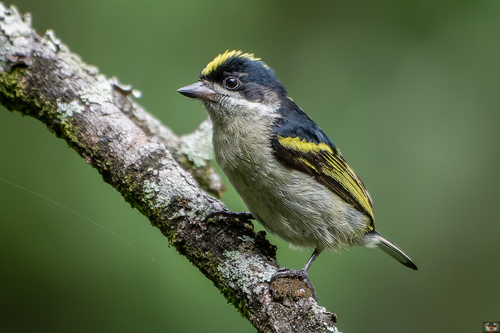
セスジヒメゴシキドリ (Pogoniulus coryphaea) セスジヒメゴシキドリ
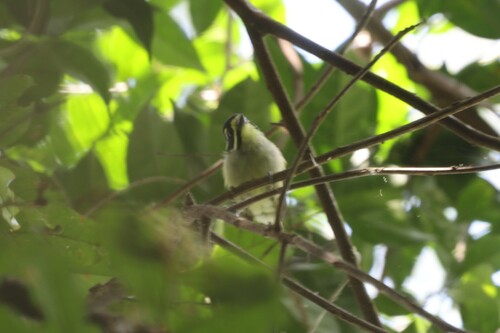
キノドヒメゴシキドリ (Pogoniulus subsulphureus) キノドヒメゴシキドリ

メディア

読み込み中…

要点

The most reliable field separation between Western Tinkerbird and Yellow-throated Tinkerbird is habitat and elevation: Western Tinkerbird is a montane species found at higher altitudes, while Yellow-throated Tinkerbird is a lowland forest bird. In plumage, Yellow-throated Tinkerbird—especially western subspecies—shows deeper yellow and starker black contrasts, whereas Western Tinkerbird is less vividly marked. Both are small Lybiidae barbets, but Yellow-throated Tinkerbird is slightly heavier on average. Structural and behavioral differences are subtle, so context and plumage intensity are key.

識別のコツ

  1. Habitat and Elevation: Western Tinkerbird is only found in montane forests above 900 m; if you are in lowland forest, you are almost certainly looking at Yellow-throated Tinkerbird. This is the most reliable field clue.
  2. Yellow Intensity: Yellow-throated Tinkerbird (especially western subspecies) shows a much deeper yellow throat and breast, with more vivid contrast against black areas. Western Tinkerbird is duller and less sharply marked.
  3. Black Contrast: On Yellow-throated Tinkerbird, black plumage is starker and more sharply defined, especially in the westernmost populations. Western Tinkerbird’s black is less intense and more blended.
  4. Subspecies Variation: If you are in the western part of Yellow-throated Tinkerbird’s range, expect the deepest yellow and most contrasting black; elsewhere, the difference may be subtler but still present.
  5. Size: Both species are small, but Yellow-throated Tinkerbird averages slightly heavier (11 g); this is not a practical field mark.
  6. Foraging Height: Yellow-throated Tinkerbird is more likely to be seen foraging high in the canopy of mature lowland forest. Western Tinkerbird’s foraging behavior is less well described, but expect it in montane forest or edge.
  7. Geographic Range: Western Tinkerbird is limited to Central African montane regions (Angolan montane mosaic, Western High Plateau, Albertine Rift). Yellow-throated Tinkerbird is widespread in lowland West and Central African forests.
  8. Voice: Only Yellow-throated Tinkerbird is noted for higher-pitched calls in coastal or noisy habitats; otherwise, voice is not a reliable separator.
  9. No Age-specific Wing Pattern: There are no documented differences in juvenile or immature wing pattern between these species; do not rely on flight views of young birds for separation.
  10. Bill and Structure: No significant structural differences are noted; both have the typical short, stubby barbet bill and compact body.
  11. Season and Sex: No seasonal or sexual plumage differences are described for either species that would aid separation.
  12. Pitfalls: Overlapping range is unlikely due to strong elevational separation; confusion is most likely in field guides or in areas of unusual habitat.
  13. Lighting and Wear: In poor light or with worn plumage, the yellow and black contrast may be less obvious, so always consider habitat and elevation first.
  14. Mixed Flocks: Both species may join mixed-species flocks, but context (montane vs lowland) remains your best clue.
  15. Summary: If you see a vividly yellow-throated, sharply black tinkerbird in lowland forest, it is Yellow-throated Tinkerbird. If the bird is duller and you are in montane forest above 900 m, it is Western Tinkerbird.

大きさ

Yellow-throated Tinkerbird averages about 11.0 g in body mass [wikidata], while no direct measurement is available for Western Tinkerbird, but both are small, compact barbets. In the field, size difference is minimal and not a reliable separator. Use context and plumage instead.

羽色

No age-specific juvenile or immature wing pattern differences are documented between these two species in the available sources. For adults, Yellow-throated Tinkerbird (especially the westernmost subspecies) displays a deeper yellow throat and more sharply contrasting black plumage than Western Tinkerbird. Western Tinkerbird is generally less vividly colored, with less intense yellow and less stark black. Both species share the typical tinkerbird pattern, but the intensity and contrast of yellow and black are the best clues in direct comparison.

行動

Both species are small, sedentary, and forage in trees, but Yellow-throated Tinkerbird is more likely to be seen in the higher canopy of primary or mature secondary lowland forest. Western Tinkerbird’s behavior is not described in detail, but its montane context may mean it is found in more open or edge habitats within its range. Foraging style and jizz are otherwise similar.

生息環境

Habitat is a key separator: Western Tinkerbird is restricted to montane regions of Central Africa, found from 900 to 3,030 m elevation, in areas such as the Angolan montane forest–grassland mosaic, Western High Plateau, and Albertine Rift montane forests [wikipedia]. In contrast, Yellow-throated Tinkerbird is a lowland forest species, typically in primary or established secondary forest, and is more likely to be found near the coast or in humid lowland areas. Overlap is minimal due to this strong elevational and habitat separation.

声

Yellow-throated Tinkerbird is noted for higher-pitched vocalizations in coastal or noisy environments, but no specific vocal differences are documented for Western Tinkerbird in the available sources. Voice is not a reliable separator unless you are familiar with local dialects.

より良い説明を送る

比較と同じ項目を使ってください。文章はすぐに公開されます。

The most reliable field separation between Western Tinkerbird and Yellow-throated Tinkerbird is habitat and elevation: Western Tinkerbird is a montane species found at higher altitudes, while Yellow-throated Tinkerbird is a lowland forest bird. In plumage, Yellow-throated Tinkerbird—especially western subspecies—shows deeper yellow and starker black contrasts, whereas Western Tinkerbird is less vividly marked. Both are small Lybiidae barbets, but Yellow-throated Tinkerbird is slightly heavier on average. Structural and behavioral differences are subtle, so context and plumage intensity are key.

  1. Habitat and Elevation: Western Tinkerbird is only found in montane forests above 900 m; if you are in lowland forest, you are almost certainly looking at Yellow-throated Tinkerbird. This is the most reliable field clue.
  2. Yellow Intensity: Yellow-throated Tinkerbird (especially western subspecies) shows a much deeper yellow throat and breast, with more vivid contrast against black areas. Western Tinkerbird is duller and less sharply marked.
  3. Black Contrast: On Yellow-throated Tinkerbird, black plumage is starker and more sharply defined, especially in the westernmost populations. Western Tinkerbird’s black is less intense and more blended.
  4. Subspecies Variation: If you are in the western part of Yellow-throated Tinkerbird’s range, expect the deepest yellow and most contrasting black; elsewhere, the difference may be subtler but still present.
  5. Size: Both species are small, but Yellow-throated Tinkerbird averages slightly heavier (11 g); this is not a practical field mark.
  6. Foraging Height: Yellow-throated Tinkerbird is more likely to be seen foraging high in the canopy of mature lowland forest. Western Tinkerbird’s foraging behavior is less well described, but expect it in montane forest or edge.
  7. Geographic Range: Western Tinkerbird is limited to Central African montane regions (Angolan montane mosaic, Western High Plateau, Albertine Rift). Yellow-throated Tinkerbird is widespread in lowland West and Central African forests.
  8. Voice: Only Yellow-throated Tinkerbird is noted for higher-pitched calls in coastal or noisy habitats; otherwise, voice is not a reliable separator.
  9. No Age-specific Wing Pattern: There are no documented differences in juvenile or immature wing pattern between these species; do not rely on flight views of young birds for separation.
  10. Bill and Structure: No significant structural differences are noted; both have the typical short, stubby barbet bill and compact body.
  11. Season and Sex: No seasonal or sexual plumage differences are described for either species that would aid separation.
  12. Pitfalls: Overlapping range is unlikely due to strong elevational separation; confusion is most likely in field guides or in areas of unusual habitat.
  13. Lighting and Wear: In poor light or with worn plumage, the yellow and black contrast may be less obvious, so always consider habitat and elevation first.
  14. Mixed Flocks: Both species may join mixed-species flocks, but context (montane vs lowland) remains your best clue.
  15. Summary: If you see a vividly yellow-throated, sharply black tinkerbird in lowland forest, it is Yellow-throated Tinkerbird. If the bird is duller and you are in montane forest above 900 m, it is Western Tinkerbird.

Yellow-throated Tinkerbird averages about 11.0 g in body mass [wikidata], while no direct measurement is available for Western Tinkerbird, but both are small, compact barbets. In the field, size difference is minimal and not a reliable separator. Use context and plumage instead.

No age-specific juvenile or immature wing pattern differences are documented between these two species in the available sources. For adults, Yellow-throated Tinkerbird (especially the westernmost subspecies) displays a deeper yellow throat and more sharply contrasting black plumage than Western Tinkerbird. Western Tinkerbird is generally less vividly colored, with less intense yellow and less stark black. Both species share the typical tinkerbird pattern, but the intensity and contrast of yellow and black are the best clues in direct comparison.

Both species are small, sedentary, and forage in trees, but Yellow-throated Tinkerbird is more likely to be seen in the higher canopy of primary or mature secondary lowland forest. Western Tinkerbird’s behavior is not described in detail, but its montane context may mean it is found in more open or edge habitats within its range. Foraging style and jizz are otherwise similar.

Habitat is a key separator: Western Tinkerbird is restricted to montane regions of Central Africa, found from 900 to 3,030 m elevation, in areas such as the Angolan montane forest–grassland mosaic, Western High Plateau, and Albertine Rift montane forests [wikipedia]. In contrast, Yellow-throated Tinkerbird is a lowland forest species, typically in primary or established secondary forest, and is more likely to be found near the coast or in humid lowland areas. Overlap is minimal due to this strong elevational and habitat separation.

Yellow-throated Tinkerbird is noted for higher-pitched vocalizations in coastal or noisy environments, but no specific vocal differences are documented for Western Tinkerbird in the available sources. Voice is not a reliable separator unless you are familiar with local dialects.

変更を破棄しますか?

保存していない編集があります。今離れると失われます。

セスジヒメゴシキドリ · キノドヒメゴシキドリ · 苦手な鳥