

Western Tinkerbird vs Yellow-throated Tinkerbird
Pogoniulus coryphaea contro Pogoniulus subsulphureus
Fai un quiz con Western Tinkerbird e Yellow-throated Tinkerbird
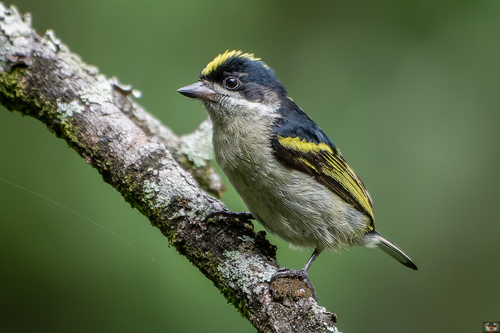 Western Tinkerbird
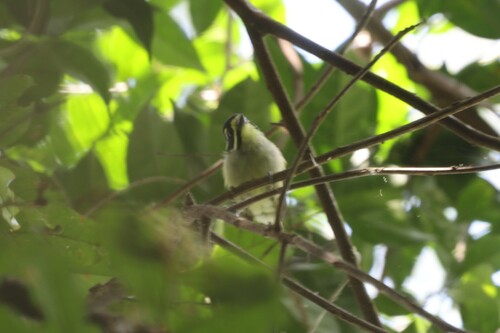 Yellow-throated Tinkerbird
In breve
La separazione più affidabile sul campo tra Western Tinkerbird e Yellow-throated Tinkerbird è l'habitat e l'elevazione: il Western Tinkerbird è una specie montana che si trova a altitudini più elevate, mentre il Yellow-throated Tinkerbird è un uccello delle foreste di pianura. Nella livrea, il Yellow-throated Tinkerbird—soprattutto le sottospecie occidentali—mostra un giallo più profondo e contrasti neri più marcati, mentre il Western Tinkerbird è meno vivacemente contrassegnato. Entrambi sono piccoli barbets della famiglia Lybiidae, ma il Yellow-throated Tinkerbird è leggermente più pesante in media. Le differenze strutturali e comportamentali sono sottili, quindi il contesto e l'intensità della livrea sono fondamentali.
Consigli di identificazione
- Habitat e Elevazione: Il Western Tinkerbird si trova solo nelle foreste montane sopra i 900 m; se ti trovi in una foresta di pianura, stai quasi certamente osservando un Yellow-throated Tinkerbird. Questo è l'indizio più affidabile sul campo.
- Intensità del Giallo: Il Yellow-throated Tinkerbird (soprattutto le sottospecie occidentali) mostra una gola e un petto di un giallo molto più profondo, con un contrasto più vivace rispetto alle aree nere. Il Western Tinkerbird è più opaco e meno nettamente contrassegnato.
- Contrasto Nero: Sul Yellow-throated Tinkerbird, la livrea nera è più marcata e più nettamente definita, specialmente nelle popolazioni più occidentali. Il nero del Western Tinkerbird è meno intenso e più sfumato.
- Variazione delle Sottospecie: Se ti trovi nella parte occidentale dell'areale del Yellow-throated Tinkerbird, aspettati il giallo più profondo e il nero più contrastante; altrove, la differenza potrebbe essere più sottile ma comunque presente.
- Dimensioni: Entrambe le specie sono piccole, ma il Yellow-throated Tinkerbird pesa mediamente leggermente di più (11 g); questo non è un segno pratico sul campo.
- Altezza di Ricerca: Il Yellow-throated Tinkerbird è più probabile che venga visto cercare cibo in alto nella chioma della foresta di pianura matura. Il comportamento di ricerca del Western Tinkerbird è meno ben descritto, ma aspettati di trovarlo in foreste montane o ai margini.
- Areale Geografico: Il Western Tinkerbird è limitato alle regioni montane dell'Africa Centrale (mosaico montano angolano, Altopiano Occidentale, Rift Albertino). Il Yellow-throated Tinkerbird è diffuso nelle foreste di pianura dell'Africa Occidentale e Centrale.
- Voce: Solo il Yellow-throated Tinkerbird è noto per i richiami di tono più alto in habitat costieri o rumorosi; altrimenti, la voce non è un separatore affidabile.
- Nessun Modello di Ala Specifico per Età: Non ci sono differenze documentate nel modello di ala giovanile o immatura tra queste specie; non fare affidamento sulle viste in volo di giovani uccelli per la separazione.
- Becco e Struttura: Non sono state notate differenze strutturali significative; entrambi hanno il tipico becco corto e tozzo dei barbets e un corpo compatto.
- Stagione e Sesso: Non sono state descritte differenze di livrea stagionali o sessuali per nessuna delle due specie che possano aiutare nella separazione.
- Insidie: È improbabile che ci sia sovrapposizione di areale a causa della forte separazione elevazionale; la confusione è più probabile nelle guide sul campo o in aree di habitat insolito.
- Illuminazione e Usura: In condizioni di scarsa illuminazione o con livrea usurata, il contrasto tra giallo e nero potrebbe essere meno evidente, quindi considera sempre prima l'habitat e l'elevazione.
- Stormi Misti: Entrambe le specie possono unirsi a stormi misti, ma il contesto (montano vs pianura) rimane il tuo miglior indizio.
- Riepilogo: Se vedi un tinkerbird con gola giallo vivace e nero marcato in una foresta di pianura, è un Yellow-throated Tinkerbird. Se l'uccello è più opaco e ti trovi in una foresta montana sopra i 900 m, è un Western Tinkerbird.
Taglia
Il Yellow-throated Tinkerbird pesa mediamente circa 11,0 g [wikidata], mentre non è disponibile alcuna misurazione diretta per il Western Tinkerbird, ma entrambi sono piccoli barbets compatti. Sul campo, la differenza di dimensioni è minima e non è un separatore affidabile. Usa il contesto e la livrea invece.
Piumaggio
Non sono documentate differenze specifiche per età nel modello di ala giovanile o immatura tra queste due specie nelle fonti disponibili. Per gli adulti, il Yellow-throated Tinkerbird (soprattutto le sottospecie occidentali) mostra una gola gialla più profonda e una livrea nera più nettamente contrastante rispetto al Western Tinkerbird. Il Western Tinkerbird è generalmente meno vivacemente colorato, con un giallo meno intenso e un nero meno marcato. Entrambe le specie condividono il tipico modello del tinkerbird, ma l'intensità e il contrasto tra giallo e nero sono i migliori indizi in un confronto diretto.
Comportamento
Entrambe le specie sono piccole, sedentarie e cercano cibo sugli alberi, ma il Yellow-throated Tinkerbird è più probabile che venga visto nella chioma più alta della foresta di pianura primaria o secondaria matura. Il comportamento del Western Tinkerbird non è descritto in dettaglio, ma il suo contesto montano potrebbe significare che si trova in habitat più aperti o ai margini all'interno del suo areale. Lo stile di ricerca e il comportamento sono altrimenti simili.
Habitat
L'habitat è un separatore chiave: il Western Tinkerbird è ristretto alle regioni montane dell'Africa Centrale, trovato a un'elevazione compresa tra 900 e 3.030 m, in aree come il mosaico di foresta e prateria montana angolana, l'Altopiano Occidentale e le foreste montane del Rift Albertino [wikipedia]. Al contrario, il Yellow-throated Tinkerbird è una specie delle foreste di pianura, tipicamente in foreste primarie o secondarie consolidate, ed è più probabile che venga trovato vicino alla costa o in aree umide di pianura. La sovrapposizione è minima a causa di questa forte separazione elevazionale e di habitat.
Voce
Il Yellow-throated Tinkerbird è noto per vocalizzazioni di tono più alto in ambienti costieri o rumorosi, ma non sono documentate differenze vocali specifiche per il Western Tinkerbird nelle fonti disponibili. La voce non è un separatore affidabile a meno che tu non sia familiare con i dialetti locali.
Western Tinkerbird · Yellow-throated Tinkerbird · I miei uccelli difficili