

Motmot

Western Crested Guineafowl 対 Southern Crested Guineafowl

Guttera verreauxi 対 Guttera edouardi

Western Crested GuineafowlとSouthern Crested Guineafowlのクイズ
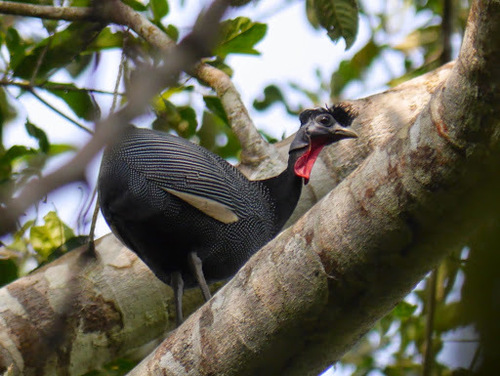
Western Crested Guineafowl (Guttera verreauxi) Western Crested Guineafowl
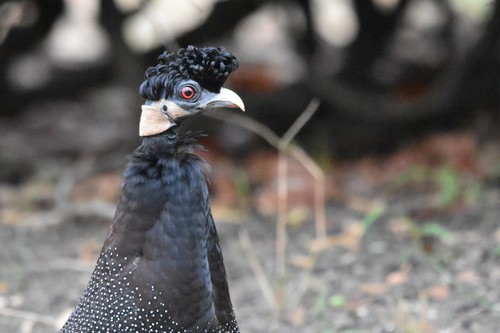
Southern Crested Guineafowl (Guttera edouardi) Southern Crested Guineafowl

メディア

読み込み中…

要点

西部クリステッドギニアフォールと南部クリステッドギニアフォールは、フィールドで非常に似ており、どちらも黒っぽい羽毛に白い斑点が密に付いており、目立つ黒い冠を持っています。彼らを区別する最も信頼できる方法は地理的範囲によるものです:西部クリステッドは西アフリカからケニア東部、南はアンゴラまで分布し、南部クリステッドはタンザニアから南アフリカまで見られます。構造的および羽毛の違いは最小限であり、フィールドでの診断には信頼できません。特に、両種は同じサイズ、全体的な形状、および斑点のパターンを共有しています。重なり合うゾーンの外でクリステッドギニアフォールを見た場合は、位置を主な手がかりとして使用してください。

識別のコツ

  1. 地理的範囲が重要な区別点です: 西部クリステッドギニアフォールは西アフリカ(ギニアビサウ)からケニア東部、南はアンゴラまで分布し、南部クリステッドはタンザニアから南アフリカまで見られます。位置を主な手がかりとして使用してください。
  2. 冠の形は診断的ではありません: 両種は目立つ黒い冠を持ち、これは巻き毛や羽毛のようなものになることがありますが、これは両種内で変動し、信頼できるフィールドマークではありません。
  3. 羽毛のパターンは同一です: 両者はすべての年齢で密な白い斑点のある黒っぽい羽毛を示します。斑点や全体的な色合いに関する文書化された違いはありません。
  4. 幼鳥と未成熟の鳥: どちらの種についても年齢特有の翼や飛行パターンは記述されていないため、未成熟のものは羽毛や翼のパターンで区別できません。
  5. サイズと構造: 両種は同じ長さと体重の範囲を持ち、体の比率、くちばしのサイズ、尾の長さも似ています。構造は区別には役立ちません。
  6. 行動: 両種は地面で群れを成して採餌し、似たような生息地を使用します。群れを成す行動や採餌行動では区別できません。
  7. 生息地: 両者は開けた森林、森林地帯、森林-サバンナのモザイクを利用します。地理的範囲だけが異なります。
  8. 鳴き声: 利用可能な情報源には声の違いは記述されていないため、鳴き声や歌は区別には役立ちません。
  9. 性別と季節: どちらの種にも性的二形性や季節的な羽毛の変化は見られず、オスとメスは年間を通じて似ています。
  10. 一般的な落とし穴: 「クリステッド」と「プルーム」という名前はしばしば誤って適用されますが、ここでの両種は真のクリステッドギニアフォールです。識別のために冠だけに頼らないでください。
  11. 重なり合うゾーンの注意: 範囲が交差する可能性のある地域(例:ザンビア、タンザニア)にいる場合、現在の知識ではフィールドでの区別は不可能です—どちらの種の可能性も考慮してください。
  12. 写真証拠: 識別のために写真を提出する場合は、常に正確な位置データを含めてください。これは種を特定する唯一の方法であることが多いです。
  13. 生涯の歴史や繁殖データを使用しないでください: これらはフィールドでこの2種を区別するための診断にはなりません。
  14. 要約: 実際のフィールド状況では、範囲と位置に頼ってください。他のすべての目に見える特徴は共有されています。

大きさ

両種はサイズが本質的に同一で、全長は約50 cm(20インチ)、体重は721–1,543 g(1.59–3.40 lb)です [wikipedia]。フィールドでの区別に役立つ体の比率、くちばしのサイズ、尾の長さに関する文書化された違いはありません。

羽色

羽毛は西部クリステッドギニアフォールと南部クリステッドギニアフォールの間で信頼できる区別点ではありません。両者は全体的に黒っぽい羽毛に白い斑点が密に付いており、どちらも頭に目立つ黒い冠を持っています。冠の形は個体によって異なることがあり、巻き毛から羽毛の房まで様々ですが、この変動は両種内で発生し、一貫したフィールドマークではありません。幼鳥と未成熟の羽毛は両者の間で異なると記述されておらず、どちらの種についても独自の翼や飛行パターンは文書化されていません。すべての年齢と季節において、密な白い斑点と黒い冠は共有された特徴です。

行動

両種は似たような環境に生息し、似たような行動を示し、通常は開けた森林、森林地帯、森林-サバンナのモザイクで地面で群れを成して採餌します。彼らの動き、群れを成す習慣、採餌スタイルは、フィールド識別に役立つ方法で異なることは知られていません。

生息環境

生息地の好みはほぼ同一です:両種は開けた森林、森林地帯、森林-サバンナのモザイクを好みます。唯一の実用的な違いは地理的範囲です。西部クリステッドギニアフォールはギニアビサウからカメルーン、ケニア、ザンビア、アンゴラまで見られます。南部クリステッドギニアフォールはタンザニアから南アフリカまで分布します。彼らの範囲が重ならない場所では、位置が最良の手がかりです。

より良い説明を送る

比較と同じ項目を使ってください。文章はすぐに公開されます。

Western Crested Guineafowl and Southern Crested Guineafowl are extremely similar in the field, both showing blackish plumage densely marked with white spots and a prominent black crest. The most reliable way to separate them is by geographic range: Western Crested occurs from West Africa east to Kenya and south to Angola, while Southern Crested is found from Tanzania south to South Africa. Structural and plumage differences are minimal and not reliably diagnostic in the field, especially as both species share the same size, overall shape, and spotted pattern. If you see a crested guineafowl outside the overlap zone, use location as your primary clue.

  1. Geographic range is the key separator: Western Crested Guineafowl occurs from West Africa (Guinea-Bissau) east to Kenya and south to Angola; Southern Crested is found from Tanzania south to South Africa. Use your location as the primary clue.
  2. Crest shape is not diagnostic: Both species have a prominent black crest, which can be curly or downy, but this varies within both species and is not a reliable field mark.
  3. Plumage pattern is identical: Both show blackish plumage with dense white spots at all ages. There are no documented differences in the spotting or overall coloration.
  4. Juvenile and immature birds: No distinctive age-specific wing or flight patterns are described for either species, so immatures cannot be separated by plumage or wing pattern.
  5. Size and structure: Both species have the same length and weight range, and share similar body proportions, bill size, and tail length. Structure is not helpful for separation.
  6. Behavior: Both species forage in groups on the ground and use similar habitats. Flocking and foraging behavior will not separate them.
  7. Habitat: Both use open forest, woodland, and forest-savanna mosaics. Only the geographic range differs.
  8. Vocalizations: No differences in voice are described in the available sources, so calls and songs are not useful for separation.
  9. Sex and season: No sexual dimorphism or seasonal plumage changes are noted for either species; males and females look alike year-round.
  10. Common pitfalls: The names "crested" and "plumed" are often misapplied, but both species here are true crested guineafowl. Do not rely on the crest alone for identification.
  11. Overlap zone caution: If you are in an area where the ranges might meet (e.g., Zambia, Tanzania), field separation is not possible with current knowledge—consider the possibility of either species.
  12. Photographic evidence: If submitting photos for identification, always include precise location data, as this is often the only way to assign species.
  13. Do not use life history or breeding data: These are not diagnostic in the field for separating these two species.
  14. Summary: In all practical field situations, rely on range and location. All other visible features are shared.

Both species are essentially identical in size, with a total length of about 50 cm (20 in) and a weight range of 721–1,543 g (1.59–3.40 lb) [wikipedia]. There are no documented differences in body proportions, bill size, or tail length that would help separate them in the field.

Plumage is not a reliable separator between Western and Southern Crested Guineafowl. Both show overall blackish feathers thickly spotted with white, and both have a prominent black crest on the head. The crest shape can vary between individuals and may range from curly feathers to downy tufts, but this variation occurs within both species and is not a consistent field mark. Juvenile and immature plumages are not described as differing between the two, and no unique wing or flight pattern has been documented for either species. In all ages and seasons, the dense white spotting and black crest are shared features.

Both species inhabit similar environments and show similar behaviors, typically foraging in groups on the ground in open forests, woodlands, and forest-savanna mosaics. Their movements, flocking habits, and foraging styles are not known to differ in ways that would help with field identification.

Habitat preferences are nearly identical: both species favor open forest, woodland, and forest-savanna mosaics. The only practical difference is their geographic range. Western Crested Guineafowl is found from Guinea-Bissau east to Cameroon, Kenya, Zambia, and Angola. Southern Crested Guineafowl ranges from Tanzania south to South Africa. Where their ranges do not overlap, location is the best clue.

変更を破棄しますか?

保存していない編集があります。今離れると失われます。

Western Crested Guineafowl · Southern Crested Guineafowl · 苦手な鳥