

Motmot

ニシアマサギ 対 アオサギ

Ardea ibis 対 Ardea cinerea

ニシアマサギとアオサギのクイズ
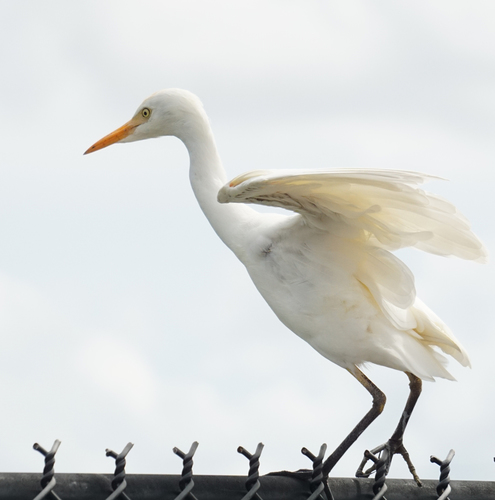
ニシアマサギ (Ardea ibis) ニシアマサギ
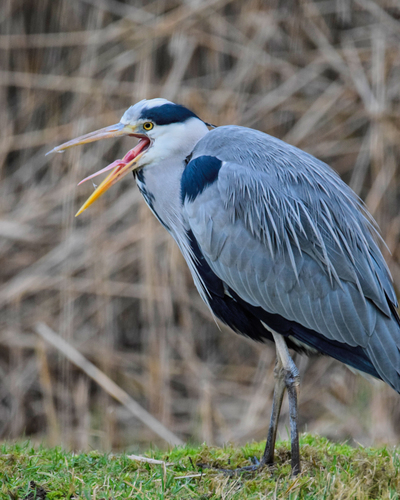
アオサギ (Ardea cinerea) アオサギ

メディア

読み込み中…

要点

ニシアマサギとアオサギを区別する最も信頼できる方法は、サイズと構造です:ニシアマサギははるかに小さく、がっしりしていて、首が短いのに対し、アオサギは背が高く、首が長く、細長いです。飛んでいるときや休んでいるとき、ニシアマサギは太い首と短い脚でコンパクトに見えますが、アオサギは非常に長い脚と長く、ダガーのようなくちばしを持つ大きく優雅な鳥です。成鳥のニシアマサギは繁殖期以外は全体が白く、繁殖期には時々オレンジ色のバフの羽毛を持ちますが、アオサギは主に上が灰色で下が淡い色をしており、目を引く黒と白の頭の模様があります。幼鳥のアオサギは鈍い色合いですが、ニシアマサギよりもはるかに大きく、灰色です。この2種は生息地の好みが重なることはほとんどありません:ニシアマサギは家畜の中の乾燥した野原でよく見られ、アオサギは湿地に留まります。

識別のコツ

  1. サイズが最も早く区別できる要素です: アオサギはニシアマサギの2倍以上の長さで、体重も何倍もあります。遠くの鳥でもサイズだけで区別できます。
  2. 構造: ニシアマサギはがっしりしていて、首が短く、太くて頑丈なくちばしを持っています。アオサギは背が高く、首が長く、尖ったダガーのようなくちばしと非常に長い脚を持っています。
  3. 羽毛(すべての年齢): ニシアマサギは常に主に白いですが、アオサギは常に上が灰色で下が淡い色で、全体が白いことはありません。
  4. 繁殖羽毛: 成鳥のニシアマサギは繁殖期に頭、胸、背中にオレンジ色のバフの羽毛を発達させますが、アオサギはオレンジやバフの色合いを示しません。
  5. 頭の模様: アオサギは白い頭に太い黒い眉斑と冠を持ち、首には黒い筋があります;ニシアマサギは白い頭(繁殖期のバフの羽毛を除く)を持ち、黒い模様はありません。
  6. くちばしの色: 成鳥のニシアマサギは黄色いくちばしを持ち(繁殖期のピーク時には一時的に赤くなります);幼鳥は黒いくちばしを持っています。アオサギは長いピンクがかった黄色のくちばしを持ち、繁殖期の成鳥はより明るいです。
  7. 脚の色: ニシアマサギの脚は灰色がかった黄色(繁殖期には一時的に赤くなります)ですが、アオサギの脚は常に茶色で、体に対してはるかに長いです。
  8. 飛行シルエット: ニシアマサギは飛行中にコンパクトに見え、短い首と脚がほとんど引きずられません;アオサギは大きく、長い首がS字型に引っ込んでおり、長い脚が尾をはるかに超えて伸びています。
  9. 幼鳥の混乱: 幼鳥のアオサギは成鳥よりも鈍く灰色ですが、決して白くはありません;幼鳥のニシアマサギは黒いくちばしを持つ白い鳥です。
  10. 生息地の文脈: ニシアマサギはフィールド、特に家畜の近くにいることが多いですが、アオサギはほぼ常に水の近くにいます。
  11. 行動: ニシアマサギは開けた場所で活発に歩き、しばしば動物の中にいます;アオサギは水辺で獲物を狙ったり、じっと立っていることが多いです。
  12. 止まり方: ニシアマサギは丸まったコンパクトな姿勢で止まります;アオサギは直立して背が高く優雅です。
  13. コロニーの巣作り: 両者とも木に巣を作ることがありますが、ニシアマサギのコロニーはしばしば乾燥した地域や他の種と混在しています;アオサギは水の近くの高い木を好みます。
  14. 鳴き声: 両者とも一般的に静かですが、コロニーでは静かな喉の「リックラック」と呼ばれる声を出します。アオサギも一般的に静かですが、コロニーや動揺したときには大きくて粗い鳴き声を出します。どちらの種もフィールドで声だけで識別されることはほとんどありません。
  15. 季節変動: ニシアマサギだけが繁殖期にオレンジ色のバフの羽毛と赤い裸の部分を示し、アオサギは季節的にあまり変化しません。

大きさ

アオサギは劇的に大きいです:最大100 cmの高さで立ち、翼幅は155〜195 cm、体重は1〜2 kgです。ニシアマサギははるかに小さく、コンパクトで、長さはわずか46〜56 cm、翼幅は88〜96 cm、体重は270〜512 gです。遠くからでも、アオサギのより大きな体、長い脚、長い首は、ニシアマサギのずんぐりした姿と比較して明らかです。

羽色

幼鳥と成鳥のニシアマサギは年間を通じて主に白く、幼鳥は黒いくちばしを、成鳥は黄色いくちばしを持っています。繁殖期には、成鳥は頭、胸、背中にオレンジ色のバフの羽毛を得て、一時的に赤みを帯びた裸の部分を示します。アオサギはすべての年齢で決して全体が白くはなく、成鳥は上が灰色で下が灰白色、白い頭と首、太い黒い眉斑と冠、首には黒い筋があります。幼鳥は鈍い色合いで、灰色の頭とあまり目立たない冠を持っていますが、上面は灰色で、顔は淡い色(白ではない)を示します。飛行中、ニシアマサギは完全に白い翼を示しますが、アオサギは灰色の上翼と淡い下翼を示し、白い首と頭との明確なコントラストがあります。どちらの種にも複雑な年齢特有の上翼パターンはありませんが、全体の色とサイズの違いは常に明らかです。

行動

ニシアマサギはしばしば開けた野原を歩いているのが見られ、特に牛や他の大型哺乳類の近くで、家畜によって動かされた昆虫を探しています。彼らは丸まった目的のある歩き方をし、コロニーの木に止まっているのが見られることがあります。アオサギは孤独または緩やかに群れを成し、浅い水で獲物を狙ったり、長時間じっと立っていることが多いです。飛行中、ニシアマサギは深く迅速な羽ばたきでコンパクトに見えますが、アオサギは遅く、安定して優雅で、長い首を引っ込め、脚を後ろに引きずっています。

生息環境

ニシアマサギは乾燥した草原、牧草地、農地で最もよく見られ、頻繁に家畜の中にいて、水の近くにいることはほとんどありません。アオサギは湿地に結びついています:湖、川、湿原、池、海岸線です。両者とも木に巣を作ることがありますが、ニシアマサギは水から離れた場所で見られる可能性がはるかに高く、アオサギは水生生息地から遠く離れることはほとんどありません。

声

ニシアマサギはコロニーから離れるとほとんど静かで、静かな喉の「リックラック」と呼ばれる声を出します。アオサギも一般的に静かですが、コロニーや動揺したときには大きくて粗い鳴き声を出します。どちらの種もフィールドで声だけで識別されることはほとんどありません。

より良い説明を送る

比較と同じ項目を使ってください。文章はすぐに公開されます。

The most reliable way to separate Western Cattle-Egret from Grey Heron is by size and structure: the cattle egret is much smaller, stockier, and shorter-necked, while the grey heron is tall, long-necked, and lanky. In flight or at rest, cattle egrets appear compact with a thick neck and short legs, whereas grey herons are large, elegant birds with very long legs and a long, dagger-like bill. Adult cattle egrets are all-white outside the breeding season, sometimes with orange-buff plumes in breeding, while grey herons are mostly grey above and pale below, with a striking black-and-white head pattern. Juvenile grey herons are duller but still much larger and greyer than any cattle egret. These two species rarely overlap in habitat preference: cattle egrets are often seen in dry fields among livestock, while grey herons stick to wetlands.

  1. Size is the quickest separator: Grey Heron is more than twice the length and many times the weight of Western Cattle-Egret. Even distant birds can be separated on size alone.
  2. Structure: Cattle egrets are stocky, short-necked, and have a thick, sturdy bill. Grey herons are tall, long-necked, with a long, pointed, dagger-like bill and very long legs.
  3. Plumage (all ages): Cattle egrets are always mainly white, while grey herons are always grey above and pale below, never all-white.
  4. Breeding plumage: Adult cattle egrets develop orange-buff plumes on the head, breast, and back in breeding season; grey herons do not show any orange or buff tones.
  5. Head pattern: Grey herons have a bold black supercilium and crest on a white head, with black streaks on the neck; cattle egrets have a plain white head (except for buff plumes in breeding) and lack any black markings.
  6. Bill color: Adult cattle egrets have a yellow bill (briefly red in peak breeding); juveniles have a black bill. Grey herons have a long, pinkish-yellow bill, brighter in breeding adults.
  7. Leg color: Cattle egret legs are greyish-yellow (briefly red in breeding), while grey heron legs are always brown and much longer in proportion to the body.
  8. Flight silhouette: Cattle egrets look compact in flight, with short neck and legs barely trailing; grey herons are large, with long neck retracted in an S-shape and long legs extending well beyond the tail.
  9. Juvenile confusion: Juvenile grey herons are duller and greyer than adults but never white; juvenile cattle egrets are white with a black bill.
  10. Habitat context: Cattle egrets are often in fields, especially with livestock; grey herons are almost always near water.
  11. Behavior: Cattle egrets walk briskly in open areas, often among animals; grey herons stalk or stand still at water's edge.
  12. Perched posture: Cattle egrets perch with a hunched, compact look; grey herons are upright, tall, and elegant.
  13. Colony nesting: Both may nest in trees, but cattle egret colonies are often in drier areas or mixed with other species; grey herons prefer high trees near water.
  14. Vocalizations: Both are generally silent; calls are not useful for separation in the field.
  15. Seasonal variation: Only cattle egrets show orange-buff plumes and red bare parts in breeding; grey herons do not change much seasonally.

Grey Heron is dramatically larger: standing up to 100 cm tall, with a wingspan of 155–195 cm and weighing 1–2 kg. Western Cattle-Egret is much smaller and more compact, only 46–56 cm long, with a wingspan of 88–96 cm and weighing 270–512 g. Even at a distance, the heron's greater bulk, long legs, and long neck are obvious compared to the egret's squat, hunched look.

Juvenile and adult Western Cattle-Egrets are mainly white year-round, with juveniles showing a black bill and adults a yellow bill. In breeding season, adults gain orange-buff plumes on the head, breast, and back, and briefly show reddish bare parts. Grey Herons, in all ages, are never all-white: adults are ashy-grey above, greyish-white below, with a white head and neck, a bold black supercilium and crest, and black streaks on the neck. Juveniles are duller, with a greyer head and less distinct crest, but still show grey upperparts and a pale, not white, face. In flight, cattle egrets show entirely white wings, while grey herons show grey upperwings and paler underwings, with a clear contrast to the white neck and head. There are no complex age-specific upperwing patterns in either species, but the overall color and size difference is always apparent.

Western Cattle-Egrets are often found walking in open fields, especially near cattle or other large mammals, foraging for insects disturbed by livestock. They have a hunched, purposeful gait and may be seen perching in trees at colonies. Grey Herons are solitary or loosely grouped, stalking prey in shallow water with slow, deliberate movements, or standing motionless for long periods. In flight, cattle egrets look compact with deep, rapid wingbeats; grey herons are slow, steady, and graceful, with their long necks retracted and legs trailing far behind.

Cattle egrets are most often seen in dry, grassy fields, pastures, and agricultural land, frequently among livestock, and only sometimes near water. Grey herons are tied to wetlands: lakes, rivers, marshes, ponds, and coastlines. While both may nest in trees, cattle egrets are much more likely to be seen away from water, and grey herons rarely stray far from aquatic habitats.

Cattle egrets are mostly silent away from colonies, where they give a quiet, throaty 'rick-rack' call. Grey herons are also generally silent, but at colonies or when disturbed, they give loud, harsh croaks. Neither species is likely to be identified by voice alone in the field.

変更を破棄しますか?

保存していない編集があります。今離れると失われます。

ニシアマサギ · アオサギ · 苦手な鳥