

Motmot

ヨーロッパオオライチョウ 対 ハイイロイワシャコ

Tetrao urogallus 対 Alectoris graeca

ヨーロッパオオライチョウとハイイロイワシャコのクイズ
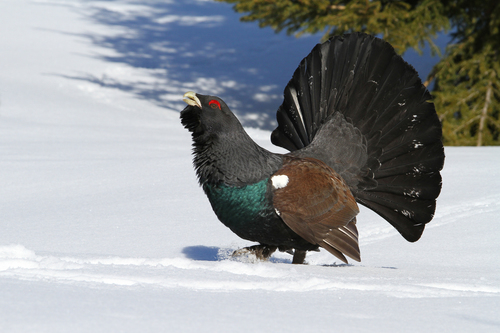
ヨーロッパオオライチョウ (Tetrao urogallus) ヨーロッパオオライチョウ
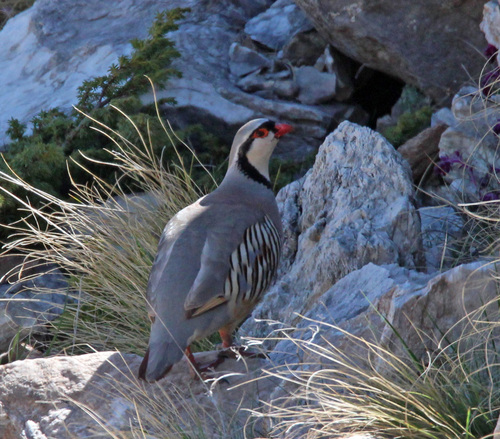
ハイイロイワシャコ (Alectoris graeca) ハイイロイワシャコ

メディア

読み込み中…

要点

ヨーロッパオオライチョウとハイイロイワシャコを区別する最も信頼できる方法は、サイズと構造です:オオライチョウは巨大で、七面鳥サイズの森林のギョリュウであり、ハイイロイワシャコははるかに小さく、丸みを帯びたゲームバードです。野外では、遠くにいるか、よく見えない鳥でも、体格、姿勢、比率によって区別できます。成鳥のオオライチョウのオスは、特に暗い羽毛と金属的な緑の胸で目を引きますが、ハイイロイワシャコは鋭い黒いゴルゲットを持つ淡い顔を示します。両種は地上に生息していますが、好む生息地と飛行スタイルは異なります。オオライチョウの性別や年齢の違いは混乱を引き起こす可能性がありますが、雌でもハイイロイワシャコよりもはるかに大きく、茶色です。

識別のコツ

  1. Size is the first check: 小さな七面鳥や大きな鶏のサイズに近い鳥はすべてオオライチョウです; ハイイロイワシャコは決して鶏サイズを超えません。
  2. Structure and stance: オオライチョウは長い体型で重く、長く丸い尾と厚い羽毛のある脚を持っています。ハイイロイワシャコはコンパクトで丸く、短い尾を持ち、羽毛のない赤い脚があります。
  3. Sexual dimorphism in capercaillie: オスは雌よりもはるかに大きく暗いですが、雌でもハイイロイワシャコよりも大きく、長いです。
  4. Plumage: capercaillie males: 暗い灰色から茶色の体、金属的な緑の胸、そして翼に白い斑点を探してください。ハイイロイワシャコはこの組み合わせを示しません。
  5. Plumage: capercaillie females: 上部は黒と銀の縞模様のある茶色で、下部はバフ色です。ハイイロイワシャコよりもはるかに大きく、長く、より隠蔽的で、はっきりとした顔の模様が少ないです。
  6. Plumage: ハイイロイワシャコ: 淡い茶色の背中、灰色の胸、バフ色の腹、鋭く定義された黒いゴルゲットで縁取られた白い顔、ルフォスの縞模様のある側面。黒いゴルゲットは成鳥において診断的で、オオライチョウには決して見られません。
  7. Wing and tail in flight: オオライチョウは広く丸い翼と長く丸い尾を持っています; ハイイロイワシャコは短く丸い翼とはるかに短い尾を持っています。飛行中、オオライチョウは巨大で遅く見え、ハイイロイワシャコは小さくて速いです。
  8. Legs and feet: オオライチョウは特に冬に羽毛のある脚と足を持ち、雪の中に大きく独特な足跡を残します。ハイイロイワシャコの脚は裸で赤く、雪に適応していません。
  9. Red eye skin: オオライチョウの両性は目の上に明るい赤い斑点(「バラ」)を示し、ハイイロイワシャコにはありません。
  10. Habitat context: オオライチョウは成熟した森林の外にはほとんど見られません; ハイイロイワシャコは岩の多い丘、開けた低木地、草原の鳥です。
  11. Behavior when flushed: オオライチョウは木に飛び上がったり、長い滑空飛行をすることがあります; ハイイロイワシャコは走ることを好み、急速な羽ばたきで短距離だけ飛びます。
  12. Vocalizations: オオライチョウのオスは夜明けに機械的でポッピング音や擦れる音を出します; ハイイロイワシャコは騒がしく繰り返される「チャケラ」と呼ばれる鳴き声を出します。
  13. Juvenile confusion: 若いオオライチョウとハイイロイワシャコはどちらも隠蔽的な茶色ですが、サイズと構造で区別できます。どちらの種にも特有の幼鳥の翼の模様は記載されていません。
  14. Seasonal context: オオライチョウは春に最も多くディスプレイし、鳴きます; ハイイロイワシャコの鳴き声は一年中聞こえますが、繁殖期には特に頻繁です。
  15. Common pitfalls: 雌のオオライチョウは大きなゲームバードと間違われることがありますが、そのサイズ、羽毛のある脚、森林の生息地は独特です。ハイイロイワシャコは他のAlectoris種と混同されることがありますが、サイズと生息地を考慮するとオオライチョウとは混同されません。

大きさ

サイズは最も明白な区別です:ヨーロッパオオライチョウは現存する最大のギョリュウで、オスは平均2885g(しばしばもっと重い)ですが、ハイイロイワシャコは平均632.5gです。雌のオオライチョウでも、1.5〜2.5kgで、ハイイロイワシャコの2倍以上の質量があります。オオライチョウのオスは最大100cmの長さに達し、広い翼幅(90〜125cm)を持ち、コンパクトで丸みを帯びたハイイロイワシャコを圧倒します。直接比較すると、オオライチョウは長い体型で重く、太い脚と長い尾を持ち、ハイイロイワシャコは短い尾で丸く、鶏サイズです。

羽色

幼鳥と未成熟の羽毛は、どちらの種についても詳細には記載されていませんが、オオライチョウのひなと雌はカモフラージュのために隠蔽的な茶色で縞模様があります。夏の終わりには、若いオオライチョウが成鳥の特徴を示し始めます。成鳥のオスのオオライチョウは全体的に暗い灰色から茶色で、金属的な緑の胸、黒から白の腹(亜種によって異なる)、目立つ白い翼の斑点を持っています。雌は上部が黒と銀の縞模様のある茶色で、下部はバフ色です。両性は目の上に赤い皮膚の斑点を持っています。対照的に、ハイイロイワシャコの成鳥は上部が淡い茶色で、灰色の胸、バフ色の腹、鋭く定義された黒いゴルゲットで縁取られた白い顔、ルフォスの縞模様のある側面、赤い脚を持っています。オオライチョウの白い翼の斑点はハイイロイワシャコにはありません。飛行中、オオライチョウは広く丸い翼と長く丸い尾を示し、ハイイロイワシャコは短く丸い翼と短い尾を持っています。どちらの種についても特有の幼鳥の翼の模様は記載されていません。

行動

オオライチョウは主に地上に生息していますが、特に求愛中のオスはディスプレイや宿泊のために木に飛び上がります。彼らの飛行は強いですが、重い羽ばたきと長い滑空降下を伴います。彼らは地面や木から複雑な求愛行動を示します。ハイイロイワシャコは危険から逃げるために走ることを好み、強制されると短距離だけ飛び、急速で回転する羽ばたきと低く直接的な飛行をします。オオライチョウの雪の中の足跡は大きく独特で、冬に適応した羽毛のある脚と足を持っています。ハイイロイワシャコはこれらの適応がなく、そのような足跡を残しません。

生息環境

ヨーロッパオオライチョウは、ヨーロッパとユーラシアの成熟した、しばしば針葉樹または混合林に生息し、ディスプレイのための開けたクリアリングを持つ密な森林を好みます。彼らは森林地域の外ではほとんど見られません。ハイイロイワシャコは南ヨーロッパに生息し、岩の多い丘、開けた低木地、散在する低木のある草原を好み、密な森林を避けます。生息地だけでも強力な手がかりとなります:オオライチョウは深い森林の専門家であり、ハイイロイワシャコは開けた岩の多い地形の鳥です。

声

オオライチョウのオスは独特の求愛歌を生み出します:一連のダブルクリックがポッピング音と擦れる音に加速し、ピンポン球が落ちる音とコルクがポンと鳴る音に例えられ、その後に擦れる音が続きます。これは繁殖期の夜明けに最もよく聞かれます。ハイイロイワシャコは騒がしく繰り返される「ガーガーガーガーチャケラチャケラチャケラ」と呼ばれる鳴き声を出し、オオライチョウとは非常に異なります。ハイイロイワシャコの鳴き声はAlectorisの鳴き声に典型的で、オオライチョウの機械的でディスプレイ指向の音とは簡単に混同されません。

より良い説明を送る

比較と同じ項目を使ってください。文章はすぐに公開されます。

The most reliable way to separate Western Capercaillie from Rock Partridge is by size and structure: capercaillie are massive, turkey-sized forest grouse, while rock partridges are much smaller, rotund gamebirds. In the field, even distant or poorly seen birds can be separated by bulk, stance, and proportions. Adult male capercaillies are especially striking with their dark plumage and metallic green breast, while rock partridges show a pale face with a sharp black gorget. Both species are ground-dwelling, but their preferred habitats and flight styles differ. Sex and age differences in capercaillie can cause confusion, but even females are much larger and browner than any rock partridge.

  1. Size is the first check: Any bird even approaching the size of a small turkey or large chicken is a capercaillie; rock partridge is never more than chicken-sized.
  2. Structure and stance: Capercaillie are long-bodied, heavy, with a long, rounded tail and thick, feathered legs. Rock partridges are compact, round, short-tailed, and have unfeathered red legs.
  3. Sexual dimorphism in capercaillie: Males are much larger and darker than females, but even females are bulkier and longer than any rock partridge.
  4. Plumage: capercaillie males: Look for dark grey to brown body, metallic green breast, and a white spot on the wing. No rock partridge shows this combination.
  5. Plumage: capercaillie females: Mottled brown with black and silver barring above, buffy below. Still much larger and longer than rock partridge, with a more cryptic, less sharply marked face.
  6. Plumage: rock partridge: Pale brown back, grey breast, buff belly, white face with a sharply defined black gorget, and rufous-streaked flanks. The black gorget is diagnostic in adults and never shown by capercaillie.
  7. Wing and tail in flight: Capercaillie have broad, rounded wings and a long, rounded tail; rock partridge has short, rounded wings and a much shorter tail. In flight, capercaillie appear massive and slow, rock partridges small and quick.
  8. Legs and feet: Capercaillie have feathered legs and toes, especially in winter, and leave large, distinctive tracks in snow. Rock partridge legs are bare and red, with no snow adaptations.
  9. Red eye skin: Both sexes of capercaillie show a bright red spot above the eye ('roses'), absent in rock partridge.
  10. Habitat context: Capercaillie are almost never found outside mature forests; rock partridges are birds of rocky hillsides, open scrub, and grassland.
  11. Behavior when flushed: Capercaillie may fly up to trees or make a long, gliding flight; rock partridge prefers to run, only flying short distances with rapid wingbeats.
  12. Vocalizations: Capercaillie males display with mechanical, popping, and scraping sounds at dawn; rock partridge gives a noisy, repetitive 'chakera' call.
  13. Juvenile confusion: Young capercaillie and rock partridge are both cryptically brown, but size and structure still separate them. No distinctive juvenile wing pattern is noted for either species.
  14. Seasonal context: Capercaillie display and vocalize most in spring; rock partridge calls can be heard year-round but are especially frequent in breeding season.
  15. Common pitfalls: Female capercaillie can be mistaken for large gamebirds, but their size, feathered legs, and forest habitat are unique. Rock partridge is sometimes confused with other Alectoris species, but not with capercaillie when size and habitat are considered.

Size is the most obvious distinction: Western Capercaillie is the largest extant grouse, with males averaging 2885 g (and often much heavier), while Rock Partridge averages only 632.5 g. Even female capercaillies, at 1.5–2.5 kg, are more than twice the mass of a rock partridge. Capercaillie males reach up to 100 cm in length and have a broad wingspan (90–125 cm), dwarfing the compact, rotund rock partridge. In direct comparison, capercaillie appear long-bodied and heavy, with thick legs and a long tail, while rock partridges are short-tailed, round, and chicken-sized.

Juvenile and immature plumage is not described in detail for either species in the sources, but both capercaillie chicks and hens are cryptically colored brown with barring for camouflage. By late summer, young capercaillies begin to show adult features. Adult male capercaillie are dark grey-brown overall with a metallic green breast, black to white belly (depending on race), and a prominent white wing spot. Females are mottled brown above with black and silver barring, and buffy below. Both sexes have a red skin patch above the eye. In contrast, rock partridge adults are pale brown above, grey-breasted, buff-bellied, with a white face bordered by a sharply defined black gorget, rufous-streaked flanks, and red legs. The white wing spot of capercaillie is absent in rock partridge. In flight, capercaillie show broad, rounded wings and a long, rounded tail; rock partridge has short, rounded wings and a short tail. No distinctive juvenile wing pattern is noted for either species in the sources.

Capercaillie are primarily ground-dwelling but will fly up to trees for display or roosting, especially males during courtship. Their flight is strong but labored, with heavy wingbeats and a long, gliding descent. They display elaborate courtship on the ground or from trees. Rock partridges prefer to run from danger, only flying short distances when forced, with rapid, whirring wingbeats and a low, direct flight. Capercaillie tracks in snow are large and distinctive, with feathered legs and toes adapted for winter. Rock partridges lack these adaptations and do not leave such tracks.

Western Capercaillie inhabit mature, often coniferous or mixed forests across Europe and the Palearctic, favoring dense woodland with open clearings for display. They are rarely found outside forested areas. Rock Partridge is native to southern Europe, preferring rocky hillsides, open scrub, and grassland with scattered bushes, and avoids dense forests. Habitat alone can be a strong clue: capercaillie are deep-forest specialists, while rock partridges are birds of open, rocky terrain.

Capercaillie males produce a unique courtship song: a series of double-clicks accelerating into popping and scraping sounds, described as a ping-pong ball dropping and a cork popping, followed by scraping. This is most often heard at dawn during the breeding season. Rock Partridge gives a noisy, repeated 'ga-ga-ga-ga-chakera-chakera-chakera' call, very different from capercaillie. The rock partridge's call is more typical of Alectoris partridges and is not easily confused with the mechanical, display-oriented sounds of capercaillie.

変更を破棄しますか?

保存していない編集があります。今離れると失われます。

ヨーロッパオオライチョウ · ハイイロイワシャコ · 苦手な鳥