

Motmot

ヨーロッパオオライチョウ 対 クロライチョウ

Tetrao urogallus 対 Lyrurus tetrix

ヨーロッパオオライチョウとクロライチョウのクイズ
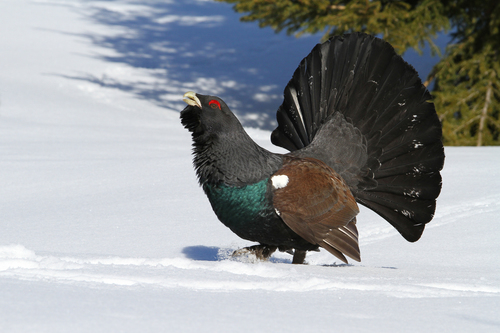
ヨーロッパオオライチョウ (Tetrao urogallus) ヨーロッパオオライチョウ
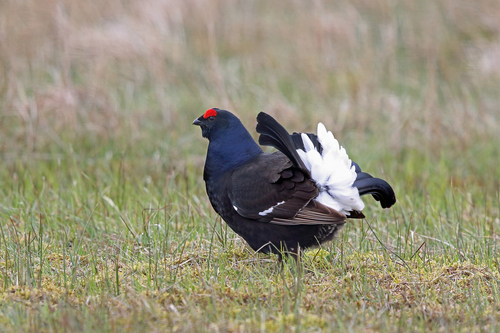
クロライチョウ (Lyrurus tetrix) クロライチョウ

メディア

読み込み中…

要点

ヨーロッパオオライチョウとクロライチョウを区別する最も信頼できる方法は、サイズと構造です:オオライチョウは巨大で、他のヨーロッパのライチョウよりもずっと大きく、オスはクロライチョウのオスのほぼ2倍の質量になります。飛んでいるときや止まっているとき、オオライチョウは巨大で重い体格と広い尾を示しますが、クロライチョウのオスはスリムで、特徴的なリラ形の尾を持っています。両種は強い性的二形性を示しますが、オオライチョウの雌もクロライチョウの雌よりもはるかに大きく、長いです。羽毛の違いもオスにおいて明確です:オオライチョウのオスは金属的な緑の胸を持つ暗い色合いですが、クロライチョウのオスは光沢のある黒で、白い翼のバーと尾の下部を持っています。両方の雌は隠蔽色ですが、オオライチョウの雌は大きく、上部に粗い茶色、黒、銀の縞模様があります。幼鳥と未成熟の翼のパターンは、情報源ではどちらの種にも特有のものとして記述されていないため、フィールドでの区別には全体的な構造、尾の形、サイズに焦点を当ててください。

識別のコツ

  1. Size is the first check: 遠くからでも、オオライチョウはクロライチョウよりもはるかに大きく、重いです。鳥がガチョウのサイズに見える場合、それはオオライチョウです;大きな鶏に近い場合は、クロライチョウを考慮してください。
  2. Tail shape in males: オオライチョウのオスは広く、丸みを帯びたまたはわずかにくさび形の尾を持っています;クロライチョウのオスは、特にディスプレイ時に、長く外側に曲がった外羽を持つリラ形の尾を示します。
  3. Plumage in males: オオライチョウのオスは金属的な緑の胸を持つ暗灰色から茶色で、変動する腹部/尾の下部を持っています;クロライチョウのオスは光沢のある黒で、青い光沢、太い白い翼のバー、白い尾の下部の覆い羽を持っています。
  4. Female comparison: オオライチョウの雌ははるかに大きく、上部に粗い茶色、黒、銀の縞模様があり、下部は淡い色合いです;クロライチョウの雌は小さく、より細かい模様で、頑丈さが少ないです。
  5. White wing markings: 両種は翼に白い部分を示しますが、クロライチョウのオスは飛行中および静止中により明らかな白い翼のバーを持っています。
  6. Red eye wattle: 両種は目の上に赤い肉垂を持ち、特にディスプレイ時のオスで最も目立ちますが、これだけでは信頼できる区別にはなりません。
  7. Leg feathering: オオライチョウは特に冬に脚がしっかりと羽毛で覆われており、近くで見ることができます;クロライチョウの脚はそれほど明らかに羽毛で覆われていません。
  8. Flight style: オオライチョウは重くて遅い飛行をし、深くて苦しそうな羽ばたきをします;クロライチョウはより速く、より敏捷で、直接的でひらひらした飛行をします。
  9. Display behavior: オオライチョウは木の上と地面の両方でディスプレイを行い、劇的な姿勢を取ります;クロライチョウは地面でのみディスプレイを行い、尾を広げ、首を膨らませます。
  10. Habitat context: オオライチョウはほぼ常に成熟した密な森林にいます;クロライチョウは開けた湿原、泥炭地、または森林の縁にいる可能性が高いです。
  11. Vocalizations: オオライチョウの機械的なクリック音とポッピング音に対して、クロライチョウの泡立つクー音を聞いてください;これらは春に特有です。
  12. Juvenile/immature birds: どちらの種にも特有の年齢別の翼や飛行のマークは記述されていないため、若い鳥には構造とサイズに頼ってください。
  13. Footprints in snow: オオライチョウはクロライチョウよりもはるかに大きく広い足跡を残し、冬には特有の「スノーシュー」型の足指があります。
  14. Group size at leks: クロライチョウのレックははるかに大きくなることがあります(ロシアでは数十羽または100羽以上のオス);オオライチョウのレックは通常小さいです。
  15. Contextual clues: 深い森林で非常に大きな孤立したライチョウを見た場合、それはほぼ確実にオオライチョウです;開けた国や大きなレックで見た場合、クロライチョウの可能性が高いです。

大きさ

ヨーロッパオオライチョウはヨーロッパで最も大きなライチョウで、オスの平均は2885 g(しばしば4 kg以上)で、クロライチョウのオスは約1050 gです。オオライチョウのオスは74–100 cmの長さに達し、翼幅は最大125 cmですが、クロライチョウのオスは約60 cmの長さです。オオライチョウの雌(1.5–2.5 kg、54–64 cm)もクロライチョウの雌(750–1100 g、45 cm)よりもはるかに重く、長いです。フィールドでは、オオライチョウは特にコンパクトで軽いクロライチョウと比較すると、巨大で重い体に見えます。

羽色

幼鳥と未成熟の翼のパターンは、どちらの種にも特有のものとして強調されていないため、成鳥の羽毛と構造に焦点を当ててください。オオライチョウのオスは全体的に暗灰色から茶色で、金属的な緑の胸と変動する黒から白の腹部/尾の下部を持ち、翼の弓に白い斑点があります。クロライチョウのオスは光沢のある黒で、深い青の色合い、太い白い翼のバー、目を引く白い尾の下部の覆い羽を持っています。尾が重要です:オオライチョウは広く、丸みを帯びたまたはわずかにくさび形の尾を持っていますが、クロライチョウのオスは長く、リラ形の外尾羽が外側に曲がっています。両種は目の上に赤い肉垂を持っていますが、これはディスプレイ時により目立ちます。両方の雌は隠蔽色ですが、オオライチョウの雌は大きく、上部に粗い茶色、黒、銀の縞模様があり、下部は淡い色合いですが、クロライチョウの雌は小さく、より細かい模様です。オオライチョウの両性は特に冬に羽毛のある脚を持っています。

行動

両種は春に elaborate lekking displays を行いますが、オオライチョウのディスプレイはより劇的で、木と地面の両方での姿勢を含み、オスは尾を広げ、翼を垂らします。クロライチョウのオスは開けた地面でディスプレイを行い、リラ形の尾を広げ、首を膨らませます。オオライチョウのオスはしばしば単独または小さな群れでディスプレイを行いますが、クロライチョウのレックは特に東ヨーロッパではより大きくなることがあります。飛行中、オオライチョウは重くて遅く、深い羽ばたきをします;クロライチョウはより敏捷で、より速く、直接的な飛行をします。両種は主に地面に生息しますが、特に冬には木に止まることもあります。

生息環境

ヨーロッパオオライチョウは成熟した密な針葉樹または混合林を好み、開けた場所があり、しばしば高地または北方地域にいます。クロライチョウは湿原、ステップ、または開けた森林の縁を好み、しばしば低木や泥炭地の近くにいて、開けた国や森林の縁で見られる可能性が高いです。両方の種は森の近くに現れることがありますが、オオライチョウは深い森林に厳密に結びついているのに対し、クロライチョウはより開けたまたは移行的な生息地で見られることが多いです。

声

オオライチョウのオスは独特の求愛歌を生成します:一連のダブルクリックがポッピングとスクレイピング音に加速し、ピンポン球が落ちる音とコルクがポンと鳴る音に例えられ、その後にスクレイピング音が続きます。クロライチョウのオスはレックのディスプレイ中に長い泡立つクー音またはささやきを出し、オオライチョウの機械的な音とはかなり異なるトーンです。これらの鳴き声は春の夜明けに最もよく聞かれ、鳥が呼んでいる場合は特有です。

より良い説明を送る

比較と同じ項目を使ってください。文章はすぐに公開されます。

The most reliable way to separate Western Capercaillie from Black Grouse is by size and structure: capercaillie are enormous, bulkier than any other European grouse, with cocks nearly twice the mass of black grouse males. In flight or perched, capercaillie show a massive, heavy build and broad tail, while black grouse males are slimmer and have a distinctive lyre-shaped tail. Both species show strong sexual dimorphism, but even female capercaillie are much larger and longer than black grouse hens. Plumage differences are also clear in males: capercaillie cocks are dark with metallic green breast, while black grouse cocks are glossy black with a white wing bar and undertail. Females of both are cryptic, but capercaillie hens are larger and more coarsely barred above. Juvenile and immature wing patterns are not described as distinctive for either species in the sources, so focus on overall structure, tail shape, and size for field separation.

  1. Size is the first check: Even at a distance, capercaillie are much larger and bulkier than black grouse. If the bird looks goose-sized, it's a capercaillie; if it's closer to a large chicken, consider black grouse.
  2. Tail shape in males: Capercaillie cocks have a broad, rounded or slightly wedge-shaped tail; black grouse cocks show a lyre-shaped tail with long, outward-curving outer feathers, especially when displaying.
  3. Plumage in males: Capercaillie cocks are dark grey-brown with a metallic green breast and variable belly/undertail; black grouse cocks are glossy black with blue sheen, a bold white wing bar, and white undertail coverts.
  4. Female comparison: Capercaillie hens are much larger, with coarser brown, black, and silver barring above and buffy underparts; black grouse hens are smaller, more finely patterned, and less robust.
  5. White wing markings: Both species show some white on the wing, but black grouse cocks have a more obvious white wing bar in flight and at rest.
  6. Red eye wattle: Both species have a red wattle above the eye, most visible in displaying males, but this is not a reliable separator alone.
  7. Leg feathering: Capercaillie have heavily feathered legs, especially in winter, which can be seen at close range; black grouse legs are less obviously feathered.
  8. Flight style: Capercaillie are heavy and slow in flight, with deep, labored wingbeats; black grouse are quicker and more agile, with a direct, fluttery flight.
  9. Display behavior: Capercaillie display both in trees and on the ground, with dramatic posturing; black grouse display only on the ground, with tails fanned and necks inflated.
  10. Habitat context: Capercaillie are almost always in mature, dense forest; black grouse are more likely in open moorland, bogs, or forest edges.
  11. Vocalizations: Listen for the capercaillie's mechanical clicking and popping versus the black grouse's bubbling coo; these are distinctive in spring.
  12. Juvenile/immature birds: No distinctive age-specific wing or flight marks are described for either species, so rely on structure and size for young birds.
  13. Footprints in snow: Capercaillie leave much larger and broader tracks than black grouse, with distinctive 'snowshoe' toes in winter.
  14. Group size at leks: Black grouse leks can be much larger (dozens or even 100+ males in Russia); capercaillie leks are usually smaller.
  15. Contextual clues: If you see a very large, solitary grouse in deep forest, it's almost certainly a capercaillie; if in open country or at a large lek, black grouse is more likely.

Western Capercaillie is by far the largest grouse in Europe, with males averaging 2885 g (and often over 4 kg) compared to black grouse males at around 1050 g. Capercaillie cocks reach 74–100 cm in length with a wingspan up to 125 cm, while black grouse cocks are about 60 cm long. Even female capercaillie (1.5–2.5 kg, 54–64 cm) are much heavier and longer than black grouse hens (750–1100 g, 45 cm). In the field, capercaillie appear massive and heavy-bodied, especially when compared to the more compact, lighter black grouse.

Juvenile and immature wing patterns are not highlighted as diagnostic for either species, so focus on adult plumage and structure. Male capercaillie are dark grey to brown overall with a metallic green breast and variable black to white belly/undertail, plus a white spot on the wing bow. Black grouse cocks are glossy black with deep blue hues, a bold white wing bar, and striking white undertail coverts. The tail is the key: capercaillie have a broad, rounded or slightly wedge-shaped tail, while black grouse cocks have long, lyre-shaped outer tail feathers that curve outward. Both species have a red wattle above the eye, but this is more prominent in display. Females of both are cryptically colored, but capercaillie hens are larger, with coarser brown, black, and silver barring above and buffy underparts, while black grouse hens are smaller and more finely patterned. Both sexes of capercaillie have feathered legs, especially in winter.

Both species perform elaborate lekking displays in spring, but the capercaillie display is more dramatic and involves both tree and ground posturing, with the male fanning his tail and drooping wings. Black grouse males display on open ground, fanning their lyre-shaped tails and inflating their necks. Capercaillie cocks often display alone or in small groups, while black grouse leks can be larger, especially in eastern Europe. In flight, capercaillie are heavy and slow, with deep wingbeats; black grouse are more agile, with a faster, more direct flight. Both species are primarily ground-dwelling but will perch in trees, especially in winter.

Western Capercaillie prefer mature, dense coniferous or mixed forests with clearings, often in upland or boreal regions. Black grouse favor moorland, steppe, or open woodland edges, often near shrubby or boggy areas, and are more likely to be seen in open country or at forest margins. While both can occur near woods, capercaillie are more strictly tied to deep forest, whereas black grouse are often seen in more open or transitional habitats.

Capercaillie males produce a unique courtship song: a series of double-clicks accelerating into popping and scraping sounds, described as a ping-pong ball dropping and a cork popping, followed by scraping. Black grouse males give a long, bubbling coo or murmur during their lek display, quite different in tone from the capercaillie's mechanical sounds. These vocalizations are most often heard at dawn in spring, and are distinctive if the bird is calling.

変更を破棄しますか?

保存していない編集があります。今離れると失われます。

ヨーロッパオオライチョウ · クロライチョウ · 苦手な鳥