

Motmot

ニジェリバト 対 レモンバト

Columba iriditorques 対 Aplopelia larvata

ニジェリバトとレモンバトのクイズ
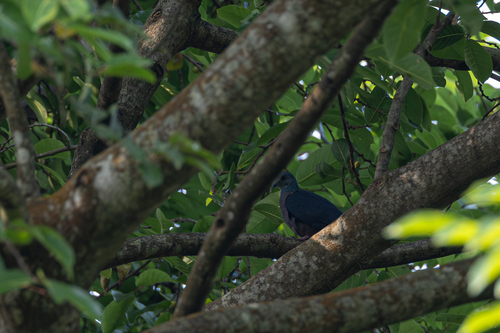
ニジェリバト (Columba iriditorques) ニジェリバト
レモンバト (Aplopelia larvata) レモンバト

メディア

読み込み中…

要点

ニジェリバトとレモンバトを区別する最も信頼できるフィールドマークは、ニジェリバトの広く淡い尾端帯であり、特に鳥が着地したり尾を扇ぐときに明らかになります—レモンバトにはこれがありません。止まっている姿では、頭部と腹部の色に注目してください:成鳥のオスのニジェリバトは暗い青灰色の頭とワイン色の胸を示し、レモンバトはシナモン色の胸と淡い白色の顔を持つより均一な茶灰色です。幼鳥のレモンバトは、ニジェリバトには記載されていない、縞模様のある淡い縁取りの翼覆いを持っています。両種はサイズと一般的な形状が似ているように見えることがありますが、レモンバトはわずかに重く、より控えめで地上性の姿勢を持っています。生息地も助けになります:レモンバトは山地の森林に結びついており、しばしば地面にいますが、ニジェリバトはより一般的です。

識別のコツ

  1. 淡い尾端帯(ニジェリバトのみ): 尾の先端に広く淡い帯を探してください。特に鳥が着地したり尾を扇ぐときに明らかになり、すべての年齢と性別のニジェリバトに特有で、レモンバトには存在しません。
  2. 頭の色(成鳥のオス): 成鳥のオスのニジェリバトは暗い青灰色の頭を持ち、体と対照的です;レモンバトは茶灰色で淡い白色の顔を持ち、青灰色のトーンはありません。
  3. 腹部(成鳥): ニジェリバトのオスは暗いワイン色の胸と腹を示します;レモンバトは下部がシナモン色で、通常はより淡く温かいトーンを持ち、上部からの移行がより緩やかです。
  4. 冠と腹部(成鳥のメス): メスのニジェリバトはシナモン色がかった赤褐色の冠と灰色がかった栗色の腹部を持ちますが、淡い尾端帯はまだ示しています。メスのレモンバトはオスよりも鈍いですが、その他は似ており、シナモン色の胸と淡い顔を持っています。
  5. 幼鳥/未成熟の羽毛: 幼鳥のレモンバトは翼覆いと体の羽毛に淡い縁取りがあり、縞模様のように見え、顔の模様はより灰色です。幼鳥のニジェリバトは縞模様や縁取りが記載されておらず、より地味に見える可能性があります。
  6. 首の光沢: 成鳥のレモンバトは良い光の中で首の側面に緑がかったまたは青銅色の光沢を持っています;ニジェリバトはこの特徴を示しません。
  7. 顔の模様: レモンバトは淡い白色の顔が茶色の体にグラデーションしており、時には頭に白い斑点があります;ニジェリバトはこの淡い顔を持たず、より均一な頭部です。
  8. くちばしと裸の部分: レモンバトは赤い足、赤い虹彩と眼窩の皮膚、黒いくちばしを持っています;これらの特徴はニジェリバトには記載されていませんが、距離からはそれほど明白ではない可能性があります。
  9. 飛行スタイル: レモンバトは低く速く飛び立ち、通常は密なカバーに消えます;ニジェリバトはより高く飛ぶ可能性があり、飛行中に尾端帯を示す可能性が高いです。
  10. 姿勢: レモンバトはコンパクトで地上性であり、姿勢は水平です;ニジェリバトはより直立しており、「クラシックな鳩」のシルエットです。
  11. 生息地: レモンバトはほぼ常に密な山地または常緑樹林におり、しばしば地面にいます;ニジェリバトはより一般的で、しばしばより開けたまたはエッジのある森林におり、より樹上性です。
  12. サイズ: レモンバトはわずかに重いですが、サイズの重複は広範囲であり、フィールドでの区別には信頼できません。
  13. 性差: 両種は微妙な性的二形性を示しますが、尾端帯(ニジェリバト)と顔の色(レモンバト)は性に基づく違いよりも有用です。
  14. 季節: どちらの種にも強い季節的な羽毛の変化は記載されていません;年中、構造的および羽毛のマークを使用してください。
  15. 落とし穴: 照明が悪いと、両者は茶色がかった色に見え、サイズも似ていることがあります。確認のために尾のパターンと顔の色を常に見るようにしてください。

大きさ

両種は中型の鳩ですが、レモンバトはわずかに重い(体重約148g対ニジェリバト約126g [wikidata])。レモンバトの長さの範囲(24–30 cm)はニジェリバトの(約25 cm)と重なっているため、サイズだけではフィールドでの信頼性はありません。構造的には、レモンバトはコンパクトで地上性であり、歩くときに脚が短く見え、より水平に見えることが多いです;ニジェリバトはやや直立しており、「クラシックな鳩」の姿勢です。

羽色

行動

レモンバトは内気で目立たず、密な山地または常緑樹林の地面で多くの時間を過ごし、しばしば上下に動くように歩きます。低く急速に飛び立ち、カバーにすぐに消える可能性が高いです。ニジェリバトはより樹上性であり、しばしば高いところに止まり、時には木の間を飛んだり、より開けた森林のエッジに着地するのが見られ、そこで淡い尾端帯が光ります。レモンバトの行動は地上性の鳩に典型的であり、ニジェリバトは樹上性の鳩のパターンに適合します。

生息環境

レモンバトはサハラ以南のアフリカの山地および常緑樹林に強く結びついており、通常は1000 m以上で、密で湿った森林から遠くに見つかることは稀です。最もよく見られるのは、下草や森林の床です。ニジェリバトはアフリカ全体に広く分布しており、生息地の制約が少なく、低地の森林やエッジを含むさまざまな森林生息地で見られます。密な山地の森林の地面で鳩を見た場合、レモンバトの可能性が高いですが、より開けたまたは多様な森林、特に止まっているか飛んでいる場合は、ニジェリバトを考慮してください。

より良い説明を送る

比較と同じ項目を使ってください。文章はすぐに公開されます。

The most reliable field mark to separate Western Bronze-naped Pigeon from Lemon Dove is the broad, pale terminal tail band of the Bronze-naped, which is especially obvious when the bird lands or fans its tail—Lemon Dove lacks this. In perched views, focus on head and underpart color: adult male Bronze-naped Pigeon shows a dark bluish-grey head and vinous breast, while Lemon Dove is more uniformly brownish-grey with a cinnamon breast and a pale whitish face. Juvenile Lemon Doves have barred, pale-fringed wing coverts, a feature not described for Bronze-naped. Both species can look similar in size and general shape, but the Lemon Dove is slightly heavier and has a more subdued, ground-dove jizz. Habitat can help: Lemon Dove is tied to montane forests, often on the ground, while Bronze-naped Pigeon is more generalist.

  1. Pale terminal tail band (Bronze-naped only): Look for a broad, pale band at the tip of the tail, especially visible as the bird lands or fans its tail—diagnostic for all ages and sexes of Western Bronze-naped Pigeon, never present on Lemon Dove.
  2. Head color (adult males): Adult male Bronze-naped Pigeon has a dark bluish-grey head, contrasting with the body; Lemon Dove is brownish-grey with a pale whitish face and lacks any blue-grey tones.
  3. Underparts (adults): Bronze-naped Pigeon males show a dark vinous (wine-red) breast and belly; Lemon Dove is cinnamon brown below, usually paler and warmer-toned, with a more gradual transition from the brown upperparts.
  4. Crown and underparts (adult females): Female Bronze-naped has a cinnamon-reddish brown crown and greyish-chestnut underparts, but still shows the pale tail band. Female Lemon Dove is duller than male but otherwise similar, with a cinnamon breast and pale face.
  5. Juvenile/immature plumage: Juvenile Lemon Dove has pale fringes on wing coverts and body feathers, giving a barred look, and greyer facial markings. Juvenile Bronze-naped Pigeon is not described as barred or fringed, likely appearing plainer.
  6. Neck gloss: Lemon Dove adults have a greenish or bronze gloss on the neck sides in good light; Bronze-naped Pigeon does not show this feature.
  7. Facial markings: Lemon Dove has a pale whitish face grading into the brown body, sometimes with white marks on the head; Bronze-naped Pigeon lacks this pale face and is more uniform-headed.
  8. Bill and bare parts: Lemon Dove has red feet, red iris and orbital skin, and a black bill; these features are not described for Bronze-naped, but are not likely to be as obvious at distance.
  9. Flight style: Lemon Dove flushes low and fast, usually disappearing into dense cover; Bronze-naped Pigeon may fly higher and is more likely to show the tail band in flight.
  10. Jizz: Lemon Dove is compact, ground-dwelling, and horizontal in posture; Bronze-naped is more upright and 'classic pigeon' in silhouette.
  11. Habitat: Lemon Dove is almost always in dense montane or evergreen forest, often on the ground; Bronze-naped Pigeon is more generalist, often in more open or edge woodland, and more arboreal.
  12. Size: Lemon Dove is slightly heavier, but size overlap is extensive and not reliable for field separation.
  13. Sex differences: Both species show subtle sexual dimorphism, but the tail band (Bronze-naped) and face color (Lemon Dove) are more useful than sex-based differences.
  14. Season: No strong seasonal plumage changes are described for either species; use structural and plumage marks year-round.
  15. Pitfalls: In poor light, both can look brownish and similar in size. Always try to see the tail pattern and face color for confirmation.

Both species are medium-sized pigeons, but Lemon Dove averages slightly heavier (body mass ~148g vs. ~126g for Bronze-naped [wikidata]). Lemon Dove's length range (24–30 cm) overlaps with Bronze-naped's (about 25 cm), so size alone is unreliable in the field. Structurally, Lemon Dove is compact and ground-dwelling, often appearing shorter-legged and more horizontal when walking; Bronze-naped Pigeon is a bit more upright and 'classic pigeon' in jizz.

  • Juvenile/immature: Juvenile Lemon Doves are brown overall with pale fringes on wing coverts and body feathers, creating a barred appearance, and have greyer facial markings. No such barring or pale fringes are described for juvenile Bronze-naped Pigeon, which likely appears plainer.
  • Adult males: Bronze-naped Pigeon males have a dark bluish-grey head and a dark vinous (wine-red) breast and belly, with a broad, pale terminal tail band. Lemon Dove adults are brownish-grey above, cinnamon brown below, with a greenish-glossed neck and a pale whitish face; the tail is plain, without a pale terminal band.
  • Adult females: Female Bronze-naped Pigeon has a cinnamon-reddish brown crown and greyish-chestnut underparts, but still shows the pale tail band. Female Lemon Dove is similar to male but duller, with the same cinnamon breast and pale face.
  • Flight/upperwing: The only clear flight mark is the Bronze-naped's pale terminal tail band, visible when landing or fanning tail; Lemon Dove lacks this, and its flight is less showy, with no strong tail pattern.

Lemon Dove is shy, unobtrusive, and spends much time on the ground in dense montane or evergreen forest, often walking with a bobbing motion. It is more likely to flush low and quickly vanish into cover. Western Bronze-naped Pigeon is more arboreal and often perches higher, sometimes seen flying between trees or landing in more open forest edges, where its pale tail band flashes. Lemon Dove's behavior is more typical of a ground-dove, while Bronze-naped fits the pattern of a tree-pigeon.

Lemon Dove is strongly tied to montane and evergreen forests in sub-Saharan Africa, usually above 1000 m, and is rarely found far from dense, moist woodland. It is most often seen in the undergrowth or on the forest floor. Western Bronze-naped Pigeon is more widespread across Africa and less habitat-restricted, found in a variety of wooded habitats, including lowland forests and edges. If you see a pigeon on the ground in dense montane forest, Lemon Dove is much more likely; in more open or varied woodland, especially if perched or flying, consider Bronze-naped.

変更を破棄しますか?

保存していない編集があります。今離れると失われます。

ニジェリバト · レモンバト · 苦手な鳥