

Motmot

チャカタルリツグミ 対 ムジルリツグミ

Sialia mexicana 対 Sialia currucoides

チャカタルリツグミとムジルリツグミのクイズ

チャカタルリツグミ (Sialia mexicana) チャカタルリツグミ
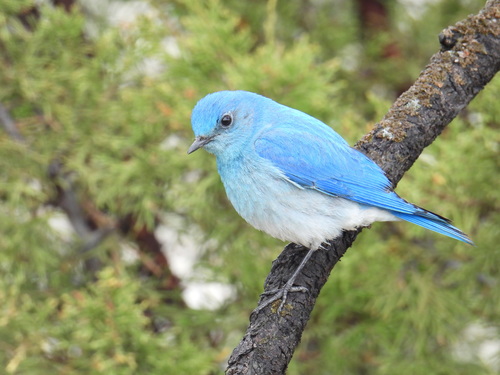
ムジルリツグミ (Sialia currucoides) ムジルリツグミ

メディア

読み込み中…

要点

チャカタルリツグミとムジルリツグミの最も信頼できるフィールドマークは、オレンジ色の有無です:チャカタルリツグミ(すべての年齢)は胸と側面にオレンジ色を示しますが、ムジルリツグミはオレンジ色を完全に欠き、代わりに上部はすべて青で、腹部は淡いまたは白いです。成鳥のオスのムジルリツグミは、特に下部が明るく、より均一な空色で、チャカタルリツグミの暗い青とオレンジの組み合わせと比較されます。両種の雌と幼鳥は鈍い色合いですが、チャカタルリツグミの雌は胸に少なくともオレンジ色のヒントを示し、ムジルリツグミの雌は灰色で青い翼と尾を持ち、秋にはわずかに茶色がかった洗いがかかることがあります。両種はサイズと形が似ていますが、構造や生息地の微妙な違いが役立つことがあります。幼鳥は見分けが難しいことがありますが、下部にオレンジ色または茶色がかったオレンジ色があることは、チャカタルリツグミの強い手がかりです。

識別のコツ

  1. オレンジまたは錆色の胸(すべての年齢): チャカタルリツグミは、幼鳥や雌でも胸と側面にオレンジまたは錆色を常に示します。ムジルリツグミはオレンジ色を示さず、下部に暖色がある場合は秋の雌では茶色がかった色です。
  2. オスの羽色: 成鳥のオスのムジルリツグミは、上部と下部が明るい空色で、白い腹部があり、オレンジ色はありません。チャカタルリツグミのオスは、上部が暗い青で、喉が青、オレンジ色の胸と側面、下部が灰色です。
  3. 雌の羽色: 雌のチャカタルリツグミは、鈍いオレンジ色の胸と側面、灰色の喉、青い翼/尾を持っています。雌のムジルリツグミは全体が灰色で、青い翼と尾、灰色の喉を持ち、秋の新しい羽毛では胸と側面に茶色がかった(オレンジではない)色合いを示すことがあります。
  4. 幼鳥/若鳥のマーキング: チャカタルリツグミの幼鳥は胸と背中に斑点があり、下部にオレンジ色を示します。ムジルリツグミの幼鳥はオレンジ色を欠き、一般的に鈍い灰色で淡い下腹部を持っています。
  5. 喉の色: チャカタルリツグミは青(オス)または灰色(雌)の喉を持っています。ムジルリツグミは雌では常に灰色の喉を持ち、オスでは青ですが、オレンジ色はありません。
  6. 腹部の色: ムジルリツグミは白または非常に淡い青の腹部を持ち、青い上部と対照的です。チャカタルリツグミの腹部は灰色で、白ではなく、胸のオレンジ色はしばしば側面にまで広がります。
  7. 背中の斑点: チャカタルリツグミのオスは背中に茶色がかった斑点を持ち、ムジルリツグミにはありません。
  8. くちばしの形: 両種ともに細く、まっすぐなくちばしを持っていますが、ムジルリツグミのものはやや細く、尖っているように見えることがあります。
  9. 飛行スタイル: ムジルリツグミは開けた場所でホバリングしたり、飛び出したりする可能性が高いですが、チャカタルリツグミはしばしば止まって地面に降りることが多いです。
  10. 生息地の文脈: 開けた無木または高地の地域では、ムジルリツグミが見られる可能性が高いです。木の生えた地域やエッジの生息地、特に巣箱がある場合は、チャカタルリツグミが期待されます。
  11. 鳴き声: ムジルリツグミの鳴き声は、チャカタルリツグミのより柔らかく、より多様な鳴き声よりも高音で細いですが、これは微妙で常に信頼できるわけではありません。
  12. 季節的変化: 秋には、雌のムジルリツグミが胸に茶色がかった色合いを示すことがありますが、チャカタルリツグミのようにオレンジ色ではありません。
  13. 群れの構成: 混合群れが発生することがありますが、すぐに分けるために、すべて青い鳥(ムジルリツグミ)の中にオレンジ色の胸を持つ鳥(チャカタルリツグミ)を探してください。
  14. 尾と翼の色: 両種ともに青い翼と尾を持っていますが、ムジルリツグミのものはより明るく、均一な青であり、チャカタルリツグミのものは暗く、オレンジ色の側面とより対照的です。
  15. 一般的な落とし穴: 全体の青さだけに頼らないでください—常にチャカタルリツグミの下部にオレンジ色があるか確認し、ムジルリツグミはどの年齢や季節でもオレンジ色を示さないことを覚えておいてください。

大きさ

両種はサイズが非常に似ており、チャカタルリツグミは15〜18 cm、ムジルリツグミは15.5〜18 cmの長さです [wikipedia]。体重と翼幅は重なっているため、サイズだけではフィールドでの信頼できる区別にはなりません。

羽色

行動

両種は巣穴を作る鳥で、巣箱を使用することがあります。チャカタルリツグミは、より木の多いまたはエッジの生息地でしばしば見られ、時には低い位置や密集した木に止まることがあります。ムジルリツグミは、開けた草原やセージブラシのような開けた国で見られる可能性が高く、開けた場所で昆虫のためにホバリングしたり飛び出したりする可能性が高いです。両種は繁殖シーズン外で緩い群れで見られることがあります。

生息環境

チャカタルリツグミは開けた森林、森林のエッジ、散在する木々のある地域を好み、しばしば低い標高で見られます。ムジルリツグミは、山の草原、草地、セージブラシの平地など、開けた高地の生息地に典型的です。重なりが発生することがありますが、文脈が役立つことがあります:広く開けた無木の地域にいる青い鳥はムジルリツグミの可能性が高く、木の生えた地域ではチャカタルリツグミの可能性が高いです。

声

チャカタルリツグミは「チア」、「チュルチュル」、「チュプ」と表現される柔らかい鳴き声を出します。ムジルリツグミの鳴き声は細い「フュー」で、その歌は高く、波状の「チュルチュル」です。両者は柔らかく、フィールドで耳で分けるのが難しいことがありますが、ムジルリツグミの鳴き声は高音で細いです。

より良い説明を送る

比較と同じ項目を使ってください。文章はすぐに公開されます。

The most reliable field mark between Western Bluebird and Mountain Bluebird is the presence or absence of orange coloration: Western Bluebird (all ages) shows orange on the breast and flanks, while Mountain Bluebird completely lacks orange and is instead all blue above with a pale or white belly. Adult male Mountain Bluebirds are a brighter, more uniform sky-blue, especially below, compared to the darker blue and orange combination of Western males. Females and immatures of both species are duller, but Western Bluebird females show at least a hint of orange on the breast, while Mountain Bluebird females are grayish with blue wings and tail and may show only a faint brownish wash in fall. Both species are similar in size and shape, but subtle differences in structure and habitat can help. Immature birds can be tricky, but the presence of orange or brownish-orange on the underparts is a strong clue for Western Bluebird.

  1. Orange or Rusty Breast (All Ages): Western Bluebird always shows orange or rusty on the breast and sides, even in immatures and females. Mountain Bluebird never shows orange; any warm color on the underparts is brownish in fall females, not orange.
  2. Male Plumage: Adult male Mountain Bluebird is bright, sky-blue above and below, with a white belly and no orange. Western Bluebird male is darker blue above, blue on the throat, orange on the breast and sides, and grayish below.
  3. Female Plumage: Female Western Bluebird has a dull orange breast and sides, gray throat, and blue wings/tail. Female Mountain Bluebird is gray overall with blue wings and tail, gray throat, and may have a brownish (not orange) wash in fall.
  4. Immature/Juvenile Markings: Western Bluebird immatures have spots on the chest and back and show some orange on the underparts. Mountain Bluebird immatures lack orange and are generally dull grayish with pale underparts.
  5. Throat Color: Western Bluebird has a blue (male) or gray (female) throat. Mountain Bluebird always has a gray throat in females and blue in males, but never orange.
  6. Belly Color: Mountain Bluebird has a white or very pale blue belly, contrasting with the blue upperparts. Western Bluebird's belly is gray, not white, and the orange of the breast often extends onto the sides.
  7. Back Patch: Western Bluebird males have a brownish patch on the back, which is lacking in Mountain Bluebird.
  8. Bill Shape: Both have thin, straight bills, but Mountain Bluebird's may appear slightly finer and more pointed.
  9. Flight Style: Mountain Bluebird is more likely to hover or sally out in open areas, while Western Bluebird often perches and drops to the ground.
  10. Habitat Context: In open, treeless or high-elevation areas, Mountain Bluebird is more likely. In wooded or edge habitats, especially with nest boxes, expect Western Bluebird.
  11. Vocalizations: Mountain Bluebird's calls are higher-pitched and thinner than Western Bluebird's softer, more varied calls, but this is subtle and not always reliable.
  12. Seasonal Variation: In fall, female Mountain Bluebirds may show a brownish tinge on the breast, but it is never orange as in Western Bluebird.
  13. Flock Composition: Mixed flocks can occur, but look for the orange-breasted birds (Western) among all-blue birds (Mountain) for quick separation.
  14. Tail and Wing Color: Both species have blue wings and tail, but Mountain Bluebird's are a brighter, more uniform blue, while Western Bluebird's are darker and contrast more with the orange sides.
  15. Common Pitfall: Do not rely on overall blueness alone—always check for orange on the underparts for Western Bluebird, and remember that Mountain Bluebird never shows orange at any age or season.

Both species are very similar in size, with Western Bluebird measuring 15–18 cm and Mountain Bluebird 15.5–18 cm in length [wikipedia]. Their weights and wingspans overlap, so size alone is not a reliable separator in the field.

  • Juvenile/Immature birds: Western Bluebird immatures have spots on the chest and back, and even young birds show some orange on the breast and sides. Mountain Bluebird immatures are generally duller, with a pale underbelly and lack any orange; their underparts can be washed brownish in fall but not orange.

  • Adult males: Western Bluebird males are deep blue above, with a blue throat, orange breast and sides, brownish patch on the back, and gray belly/undertail. Mountain Bluebird males are bright turquoise-blue above and below, with a paler (almost white) belly and no orange or brown anywhere.

  • Adult females: Western Bluebird females are grayish with dull blue wings and tail, a gray throat, and a dull orange breast and sides. Mountain Bluebird females are gray overall with blue wings and tail, gray crown, throat, and back, and in fresh fall plumage may show a brownish (not orange) tinge on the breast and flanks, with white under the tail.

  • Key contrast: Orange or rusty coloration on the breast and sides is present in all ages and sexes of Western Bluebird, but completely absent in Mountain Bluebird.

Both species are cavity nesters and may use nest boxes. Western Bluebirds are often seen in more wooded or edge habitats, sometimes perching lower or in denser trees. Mountain Bluebirds are more likely to be found in open country, such as meadows or sagebrush, and are more likely to hover or sally for insects in open areas. Both species may be seen in loose flocks outside the breeding season.

Western Bluebird prefers open woodlands, forest edges, and areas with scattered trees, often at lower elevations. Mountain Bluebird is more typical of open, often higher-elevation habitats such as mountain meadows, grasslands, and sagebrush flats. Overlap can occur, but context can help: a bluebird in a wide-open, treeless area is more likely Mountain; in a wooded area, Western is more likely.

Western Bluebird gives soft calls described as "cheer," "chur-chur," and "chup." Mountain Bluebird's call is a thin "few," and its song is a high, warbled "chur chur." Both are soft and may be difficult to separate by ear in the field, but Mountain Bluebird's calls are higher-pitched and thinner.

変更を破棄しますか?

保存していない編集があります。今離れると失われます。

チャカタルリツグミ · ムジルリツグミ · 苦手な鳥