

Motmot

キエリコウライウグイス 対 ハグロコウライウグイス

Oriolus brachyrynchus 対 Oriolus nigripennis

キエリコウライウグイスとハグロコウライウグイスのクイズ
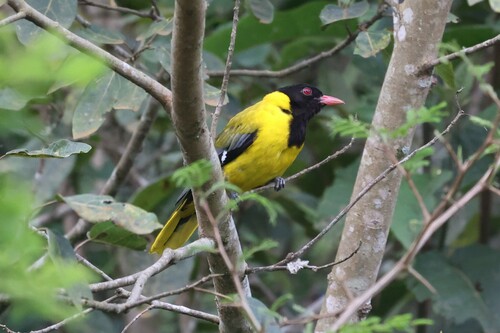
キエリコウライウグイス (Oriolus brachyrynchus) キエリコウライウグイス
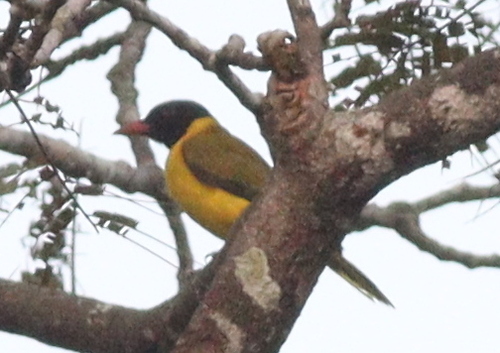
ハグロコウライウグイス (Oriolus nigripennis) ハグロコウライウグイス

メディア

読み込み中…

要点

キエリコウライウグイスとハグロコウライウグイスを区別する最も信頼できるフィールドマークは、成鳥の頭部と上胸部の色合いです:キエリコウライウグイスは、黄色オリーブの上面と明るい黄色の下面からはっきりと際立つ印象的な黒い頭部と上胸部を示しますが、ハグロコウライウグイスはここでの詳細な説明が欠けており、これらの特徴が異なることが示唆されています。若いキエリコウライウグイスは、上面がオリーブ色で、頭部がオリーブ色、喉に黄色の筋があり、成鳥の黒い頭部がありません。両種はサイズと構造が似ているため、羽毛、特に頭部と下面の色が重要です。未熟な鳥は混乱を招く可能性があることに注意し、ハグロコウライウグイスの飛行中の翼のパターンは記載されていないため、止まっている姿と頭部/下面のコントラストに焦点を当ててください。

識別のコツ

  1. 成鳥の頭部と胸部の色:キエリコウライウグイスの成鳥は、はっきりとした黒い頭部と上胸部を持ち、これは最も信頼できるフィールドマークです。黒い頭部と明るい黄色の下面を持つ鳥を見たら、ほぼ確実にこの種です。
  2. 上面と下面:キエリコウライウグイスは、黒い頭部と対照的な黄色オリーブの上面と明るい黄色の下面を示します。頭部が黒でない場合は、他の特徴や年齢を確認してください。
  3. 若い個体の混乱:若いキエリコウライウグイスは黒い頭部がなく、代わりに上面がオリーブ色で、頭部がオリーブ色、喉に黄色の筋があります。胸部には黒い筋があり、くちばしは暗い色です。これらの特徴はハグロコウライウグイスと混同を招く可能性がありますが、黄色の筋のある喉は役立つ手がかりです。
  4. 翼のパターン:キエリコウライウグイスは、翼の周辺に小さな白い斑点があり、黒い尾羽には広い黄色の先端があります。これらの詳細は良い止まっている姿で見えるかもしれませんが、どちらの種の飛行中に特有のものとして記載されていません。
  5. くちばしの色:成鳥のキエリコウライウグイスは、茶色がかったピンクのくちばしを持ち、若い個体は暗い色のくちばしを持っています。くちばしの色は近くでの観察に役立つかもしれませんが、主要な区別要因ではありません。
  6. 声:キエリコウライウグイスの鳴き声は、ハグロコウライウグイスよりも低音でフルーティーで、分離した音を持っています。フルーティーで低音の音を連続して聞いたら、この種を考慮してくださいが、声だけに頼らないでください。
  7. 生息地と範囲:両種はアフリカの森林に生息しており、湿った低地やマングローブの生息地を含みます。地元の分布に詳しくない限り、生息地を主要な区別要因として使用しないでください。
  8. 止まっている姿と飛行中の姿:どちらの種についても特有の飛行や翼のパターンが記載されていないため、識別のために止まっている鳥と頭部/下面のコントラストに焦点を当ててください。
  9. 尾のパターン:キエリコウライウグイスは、広い黄色の先端を持つ黒い尾羽を持ち、尾を広げたときに見えるかもしれません。
  10. 性差は記載されていない:両種は性差があるとは記載されていないため、これらのマークは両性に適用されます。
  11. 季節的変化は記載されていない:季節的な羽毛の変化についての言及はなく、これらのマークは年間を通じて信頼できます。
  12. 落とし穴—未熟な鳥:未熟なキエリコウライウグイスは黒い頭部がないため混乱を招く可能性があります。成鳥と区別するために、黄色の筋のある喉と全体的なオリーブ色のトーンを探してください。
  13. 落とし穴—サイズと構造が似ている:これらの種をサイズ、構造、またはジズで区別しようとしないでください。これらの点で非常に似ています。
  14. 落とし穴—白い翼の斑点:キエリコウライウグイスの翼の周辺にある小さな白い斑点は微妙で見逃される可能性があるため、これだけに頼らないでください。
  15. 複数のマークを使用する:最も信頼できる識別のために、頭部/胸部の色、下面のトーン、年齢に関連する特徴を組み合わせてください。特に若い個体や暗い場所の鳥を扱うときに役立ちます。

大きさ

両種はサイズが似ており、キエリコウライウグイスは約21 cmの長さで、体重は42〜57 gです [wikipedia]。ハグロコウライウグイスの直接的な測定値はありませんが、文献には重要なサイズの違いは示されていません。くちばしや尾の構造は、これらの2種の間で特異的とは記載されていません。

羽色

成鳥のキエリコウライウグイスは、黒い頭部と上胸部が特徴的で、黄色オリーブの上面と明るい黄色の下面と鋭く対照的です。翼には周辺に小さな白い斑点があり、尾は黒で広い黄色の先端があります。くちばしは茶色がかったピンクです。若い個体では、キエリコウライウグイスは黒い頭部がなく、代わりにオリーブ色の上面と頭部、黄色の筋のある喉、暗い色のくちばし、黒い筋のある胸部を持っています。ハグロコウライウグイスについては、詳細な羽毛の説明は提供されていませんが、キエリコウライウグイスと同じ黒い頭部のパターンを示さないことが示唆されています。どちらの種についても年齢特有の翼のパターンや飛行マークは記載されていないため、特に止まっている鳥において頭部と下面の色合いに依存して区別します。若いキエリコウライウグイスは特に混乱を招く可能性がありますが、黄色の筋のある喉と完全な黒い頭部がないことが手がかりです。

行動

これらの2種についての行動の違いは、利用可能な情報源には記載されていません。両方とも習性が典型的なオリオールであり、似たような森林環境で見られる可能性が高いです。

生息環境

両種はアフリカの森林に生息していますが、ハグロコウライウグイスは特にシエラレオネとリベリアから南スーダンの南部、西ウガンダ、中央コンゴ民主共和国、北西アンゴラの湿った低地とマングローブの森林に特記されています [wikipedia]。キエリコウライウグイスもアフリカに自生していますが、正確な範囲の重複はここでは詳細に記載されていません。実際には、両者は似たような生息地に生息する可能性があるため、生息地だけでは信頼できる区別要因とはなりません。

声

キエリコウライウグイスは、分離した音を持つさまざまなフルーティーな鳴き声で知られ、一般的にハグロコウライウグイスよりも低音です。また、厳しい「ウィッチーウィッチー」という声も出します [wikipedia]。ハグロコウライウグイスの声についての詳細な説明は提供されていませんが、両種が存在する場合、音の高さの違いが役立つかもしれません。ただし、利用可能な情報に基づいて声は主要な区別要因ではありません。

より良い説明を送る

比較と同じ項目を使ってください。文章はすぐに公開されます。

The most reliable field mark to separate Western Black-headed Oriole from Black-winged Oriole is the head and upper breast coloration in adults: Western Black-headed Oriole shows a striking black head and upper breast, sharply set off from yellow-olive upperparts and bright yellow underparts, while Black-winged Oriole lacks detailed description here but is implied to differ in these features. Juvenile Western Black-headed Orioles are olive above with an olive head and yellow-streaked throat, lacking the adult's black head. Both species are similar in size and structure, so plumage—especially head and underpart color—is key. Be aware that immature birds can be confusing, and wing pattern in flight is not described for Black-winged Oriole, so focus on perched views and head/underpart contrast.

  1. Adult head and breast color: Western Black-headed Oriole adults have a sharply defined black head and upper breast, which is the most reliable field mark. If you see a bird with a black head and bright yellow underparts, it is almost certainly this species.
  2. Upperparts and underparts: Western Black-headed Oriole shows yellow-olive upperparts and bright yellow underparts, contrasting with the black head. If the head is not black, check for other features and age.
  3. Juvenile confusion: Juvenile Western Black-headed Orioles lack the black head; instead, they are olive above, with an olive head and yellow-streaked throat. The breast is streaked with black, and the beak is dusky. These features can cause confusion with Black-winged Oriole, but the yellow-streaked throat is a helpful clue.
  4. Wing pattern: Western Black-headed Oriole has a small white patch at the periphery of the wings and black tail feathers with broad yellow tips. These details may be visible in good perched views but are not described as unique in flight for either species.
  5. Bill color: Adult Western Black-headed Oriole has a brownish-pink beak, while juveniles have a dusky beak. Bill color may help in close views, but is not a primary separator.
  6. Voice: Western Black-headed Oriole's calls are lower-pitched and more fluty than Black-winged Oriole, with detached notes. If you hear a series of fluty, low-pitched notes, consider this species, but do not rely on voice alone.
  7. Habitat and range: Both species occur in African forests, including moist lowland and mangrove habitats. Unless you are familiar with local distribution, do not use habitat as a primary separator.
  8. Perched vs. flight views: Since no distinctive flight or wing pattern is described for either species, focus on perched birds and head/underpart contrast for ID.
  9. Tail pattern: Western Black-headed Oriole has black tail feathers with broad yellow tips, which may be visible when the tail is spread.
  10. No sexual dimorphism noted: Both species are not described as sexually dimorphic, so these marks apply to both sexes.
  11. No seasonal variation described: There is no mention of seasonal plumage change, so these marks are reliable year-round.
  12. Pitfall—immature birds: Immature Western Black-headed Orioles can be confusing due to their lack of a black head; look for the yellow-streaked throat and overall olive tone to separate from adults.
  13. Pitfall—similar size and structure: Do not attempt to separate these species by size, structure, or jizz, as they are very similar in these respects.
  14. Pitfall—white wing patch: The small white patch at the wing periphery in Western Black-headed Oriole is subtle and may be missed; do not rely on this alone.
  15. Use multiple marks: For the most reliable identification, combine head/breast color, underpart tone, and age-related features, especially when dealing with juveniles or birds in poor light.

Both species are similar in size, with Western Black-headed Oriole measuring about 21 cm in length and weighing 42–57 g [wikipedia]. No direct measurements are available for Black-winged Oriole, but there is no indication of a significant size difference in the literature. Structure, such as bill and tail, is not described as distinctive between these two species.

For adults, Western Black-headed Oriole is distinctive with its black head and upper breast, sharply contrasting with yellow-olive upperparts and bright yellow underparts. The wings have a small white patch at the periphery, and the tail is black with broad yellow tips. The beak is brownish-pink. In juveniles, Western Black-headed Oriole lacks the black head; instead, it has olive upperparts and head, a yellow-streaked throat, a dusky beak, and a breast streaked with black. For Black-winged Oriole, detailed plumage description is not provided in the sources, but the implication is that it does not show the same black-headed pattern as Western Black-headed Oriole. No age-specific wing pattern or flight marks are described for either species, so separation relies on head and underpart coloration, especially in perched birds. Juvenile Western Black-headed Orioles may be especially confusing, but the yellow-streaked throat and lack of a full black head are clues.

No behavioral differences are described in the available sources for these two species. Both are typical orioles in habits and likely to be seen in similar forested environments.

Both species inhabit African forests, but Black-winged Oriole is specifically noted in moist lowland and mangrove forests from Sierra Leone and Liberia to southern South Sudan, western Uganda, central DRC, and north-western Angola [wikipedia]. Western Black-headed Oriole is also native to Africa, but the precise range overlap is not detailed here. In practice, both may occur in similar habitats, so habitat alone is not a reliable separator unless local distribution is well known.

Western Black-headed Oriole is noted for a variety of fluty vocalizations with detached notes, generally lower-pitched than Black-winged Oriole, and also gives a harsh 'whit-cheeew-cheeew' [wikipedia]. No detailed description of Black-winged Oriole's voice is provided, but the pitch difference may help if both species are present. However, voice is not a primary separator based on available information.

変更を破棄しますか?

保存していない編集があります。今離れると失われます。

キエリコウライウグイス · ハグロコウライウグイス · 苦手な鳥