

Motmot

オナガミズナギドリ 対 トロピカルミズナギドリ

Ardenna pacifica 対 Puffinus bailloni

オナガミズナギドリとトロピカルミズナギドリのクイズ
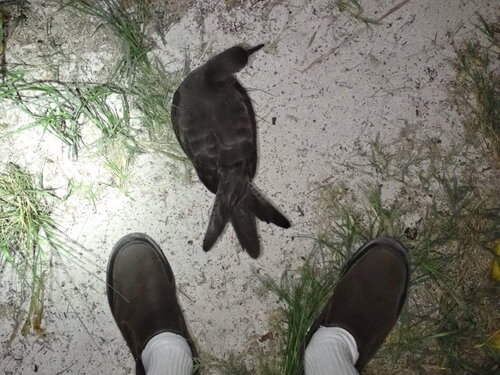
オナガミズナギドリ (Ardenna pacifica) オナガミズナギドリ
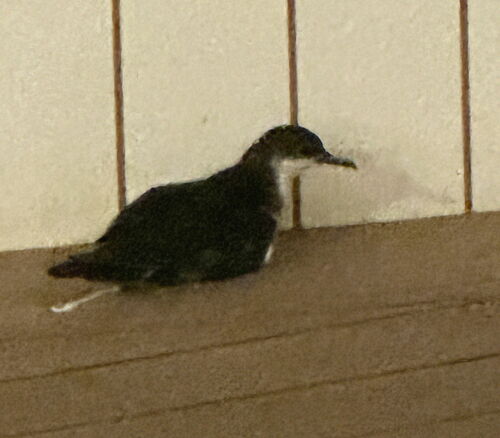
トロピカルミズナギドリ (Puffinus bailloni) トロピカルミズナギドリ

メディア

読み込み中…

要点

オナガミズナギドリとトロピカルミズナギドリを区別する最も信頼性の高いフィールドマークは、サイズと構造です:オナガミズナギドリは明らかに大きく、長いくさび形の尾と、飛行中に重くて頑丈な印象を持っています。両種は暗い形態と淡い形態を示すことがあるため、羽毛の色だけでは診断できません。飛行中は、オナガミズナギドリの広い翼と長く尖った尾を探してください。これは、トロピカルミズナギドリのよりコンパクトで短い尾の外観と対照的です。ビルの色と脚の色は、遠くからはフィールドで信頼できません。最良の区別のためには、全体のサイズ、尾の形、飛行スタイルに焦点を当ててください。

識別のコツ

  1. サイズは最も信頼性の高いフィールドマークです: オナガミズナギドリはトロピカルミズナギドリよりもはるかに大きいです。鳥が一緒に見られる場合や、スケールのために知られている種と一緒に見られる場合にこれを使用してください。
  2. 尾の形: 特に飛行中にオナガミズナギドリの長いくさび形の尾を探してください。トロピカルミズナギドリの尾は短く、あまり尖っていません。
  3. 飛行スタイル: オナガミズナギドリは、硬い翼でより緩慢で滑空する飛行を持っており、トロピカルミズナギドリはその小さなサイズのためにより迅速でひらひらした印象を与えます。
  4. 羽毛の形態は診断的ではありません: 両種は淡い形態と暗い形態を持っています。全体の色に頼って区別しないでください。
  5. ビルと脚の色: 両種は暗いビルと淡い脚を持っていますが、これらは海上ではめったに見えず、フィールドでの区別には信頼できません。
  6. 年齢特有の翼パターンの違いはありません: 利用可能な情報源には、これらの2種の間で幼鳥または未成熟の上翼パターンの違いが記載されていません。
  7. コロニーの文脈: 繁殖コロニーでは、オナガミズナギドリはそのサイズと鳴き声のためにしばしば騒がしく、目立ちます。
  8. コロニーでの声: 聞こえた場合、オナガミズナギドリの長いうめき声は特徴的です。トロピカルミズナギドリの声は情報源に記載されていません。
  9. 地理的範囲: 場所が西インド洋の端にある場合、トロピカルミズナギドリの方が可能性が高いと考えてください。他の場所では、両方が発生する可能性があります。
  10. 混合群れでの印象: 他のミズナギドリと混ざった群れでは、オナガミズナギドリの体格と尾の形が際立ちます。可能な場合は直接比較を使用してください。
  11. 巣穴の巣作り: 両種は巣穴を使用しますが、オナガミズナギドリは産卵前に巣穴の外で休んでいるのが見られる可能性が高いです。
  12. 性的二形性はありません: 両種の両性は似ているため、性別を区別として使用しないでください。
  13. 季節的文脈: 両種は重なり合う地域で似たような季節に繁殖するため、タイミングは信頼できる区別ではありません。
  14. 混乱の可能性: 特に暗い形態の孤立した鳥には注意してください。サイズと尾の形は、直接比較なしでは判断が難しい場合があります。
  15. 複数のマークを使用: 最も信頼性の高い識別のためには、単一の特徴に頼るのではなく、サイズ、尾の形、飛行スタイルを組み合わせてください。

大きさ

オナガミズナギドリはトロピカルミズナギドリよりもかなり大きく、体重は約465 g [wikidata]で、最も大きな熱帯ミズナギドリです。トロピカルミズナギドリははるかに小さく、軽量ですが、正確な体重は情報源に提供されていません。混合群れやコロニーでは、オナガミズナギドリはより大きな翼幅と尾を持つ体格のある鳥として際立ちます。サイズの違いは、特に鳥が一緒に見られるときには、遠くからでもしばしば明らかです。

羽色

両種は淡い形態と暗い形態を示すため、色だけでは信頼できません。オナガミズナギドリの淡い形態は灰褐色の上面と白い下面を持ち、暗い形態は均一に暗い灰褐色です。トロピカルミズナギドリも同様の形態を示すため、混乱が一般的です。提供された情報源には、年齢に関連する上翼パターンや幼鳥特有のマークに関する具体的なメモはありません。主な違いは構造的です:オナガミズナギドリの尾は明らかにくさび形で長く、特に飛行中に目立ちますが、トロピカルミズナギドリの尾は短く、あまり尖っていません。両方とも暗いビルと淡い脚を持っていますが、これらは海上ではめったに見えません。これらの2種に関して年齢特有の翼のパターンの違いは記載されていません。

行動

オナガミズナギドリは、硬くまっすぐな翼で滑空し、緩慢で浮遊感のある飛行を行い、長いくさび形の尾を制御に使用します。トロピカルミズナギドリよりも力強く、ひらひらしない印象を与えることがあります。トロピカルミズナギドリは小さいため、より迅速でひらひらした翼の拍動で飛ぶ傾向があり、よりコンパクトに見えます。両種は群れで見られることがありますが、オナガミズナギドリの大きなサイズと独特の飛行スタイルはしばしばそれを際立たせます。

生息環境

両種は熱帯の海に生息していますが、オナガミズナギドリは熱帯太平洋とインド洋全体に広い範囲を持ち、トロピカルミズナギドリは西インド洋と太平洋の一部により制限されています。繁殖コロニーでは、オナガミズナギドリは巣穴や覆いの下に巣を作り、大きく騒がしいコロニーを形成することがよくあります。トロピカルミズナギドリも同様の生息地に巣を作ります。海上では、両種は遠洋性で、範囲が重なっているため、生息地は分布の極端な部分を除いて信頼できる区別ではありません。

声

オナガミズナギドリは、特にコロニーで吸気と呼気の成分を持つ長いうめき声で知られています。提供された情報源には、トロピカルミズナギドリに関する具体的な鳴き声のメモはありません。海上では、両種は一般的に静かであるため、声は主に繁殖地で役立ちます。そこでオナガミズナギドリの特徴的な鳴き声が聞こえることがあります。

より良い説明を送る

比較と同じ項目を使ってください。文章はすぐに公開されます。

The most reliable field mark separating Wedge-tailed Shearwater from Tropical Shearwater is size and structure: Wedge-tailed is distinctly larger, with a long, wedge-shaped tail and a heavier, more robust jizz in flight. Both species can show dark and pale morphs, so plumage color alone is not diagnostic. In flight, look for the Wedge-tailed's broad wings and long, pointed tail, which contrasts with the more compact, shorter-tailed appearance of Tropical Shearwater. Bill color and leg color are not reliable in the field at a distance. Focus on overall size, tail shape, and flight style for the best separation.

  1. Size is the most reliable field mark: Wedge-tailed Shearwater is much larger than Tropical Shearwater. Use this when birds are seen together or with known species for scale.
  2. Tail shape: Look for the long, wedge-shaped tail of Wedge-tailed Shearwater, especially in flight. Tropical Shearwater's tail is shorter and less pointed.
  3. Flight style: Wedge-tailed Shearwater has a more languid, gliding flight with stiff wings, while Tropical Shearwater appears quicker and more fluttery due to its smaller size.
  4. Plumage morphs are not diagnostic: Both species have pale and dark morphs; do not rely on overall color to separate them.
  5. Bill and leg color: Both species have dark bills and pale legs, but these are rarely visible at sea and not reliable for field separation.
  6. No age-specific wing pattern differences: There are no described differences in juvenile or immature upperwing patterns between these two species in the available sources.
  7. Colony context: At breeding colonies, Wedge-tailed Shearwater is often noisier and more conspicuous due to its size and calls.
  8. Voice at colonies: If heard, Wedge-tailed's long, moaning call is distinctive; Tropical Shearwater's voice is not described in the sources.
  9. Geographic range: If location is at the western Indian Ocean edge, consider Tropical Shearwater more likely; elsewhere, both can occur.
  10. Jizz in mixed flocks: In flocks with other shearwaters, Wedge-tailed's bulk and tail shape set it apart; use direct comparison when possible.
  11. Burrow nesting: Both species use burrows, but Wedge-tailed Shearwater may be more likely to be seen resting outside burrows before laying.
  12. No sexual dimorphism: Both sexes look alike in both species, so do not use sex as a separator.
  13. Seasonal context: Both species breed in similar seasons in overlapping areas, so timing is not a reliable separator.
  14. Potential for confusion: Be cautious with lone birds at sea, especially dark morphs, as size and tail shape may be harder to judge without direct comparison.
  15. Use multiple marks: For the most reliable ID, combine size, tail shape, and flight style rather than relying on a single feature.

Wedge-tailed Shearwater is substantially larger than Tropical Shearwater, with a body mass around 465 g [wikidata], making it the largest tropical shearwater. Tropical Shearwater is much smaller and lighter, though precise mass is not provided in the sources. In mixed flocks or at colonies, Wedge-tailed will stand out as the bulkier bird with a longer wingspan and tail. Size difference is often apparent even at a distance, especially when birds are seen together.

Both species show pale and dark morphs, so color alone is not reliable. Wedge-tailed Shearwater pale morphs have grey-brown upperparts and whiter underparts, while dark morphs are uniformly dark grey-brown. Tropical Shearwater also shows similar morphs, so confusion is common. There are no specific notes on age-related upperwing patterns or juvenile-specific marks for either species in the sources provided. The key difference is structural: Wedge-tailed's tail is distinctly wedge-shaped and longer, especially noticeable in flight, while Tropical Shearwater's tail is shorter and less pointed. Both have dark bills and pale legs, but these are rarely visible at sea. No age-specific wing pattern differences are described for these two species.

Wedge-tailed Shearwater often glides with stiff, straight wings and a languid, buoyant flight, using its long, wedge-shaped tail for control. It may appear more powerful and less fluttery than Tropical Shearwater. Tropical Shearwater, being smaller, tends to fly with quicker, more fluttering wingbeats and appears more compact. Both species can be seen in flocks, but Wedge-tailed Shearwater's larger size and distinctive flight style often set it apart.

Both species are found in tropical oceans, but Wedge-tailed Shearwater has a broader range across the tropical Pacific and Indian Oceans, while Tropical Shearwater is more restricted to the western Indian Ocean and parts of the Pacific. At breeding colonies, Wedge-tailed Shearwater nests in burrows or under cover, often forming large, noisy colonies. Tropical Shearwater also nests in similar habitats. At sea, both species are pelagic and overlap in range, so habitat is not a reliable separator except at the extremes of their distributions.

Wedge-tailed Shearwater is known for its long, moaning call with inhaling and exhaling components, especially at colonies. There are no specific vocalization notes for Tropical Shearwater in the sources provided. At sea, both species are generally silent, so voice is mainly useful at breeding sites, where Wedge-tailed's distinctive calls may be heard.

変更を破棄しますか?

保存していない編集があります。今離れると失われます。

オナガミズナギドリ · トロピカルミズナギドリ · 苦手な鳥