

Motmot

トサカムクドリ 対 ハジロテリムク

Creatophora cinerea 対 Onychognathus nabouroup

トサカムクドリとハジロテリムクのクイズ
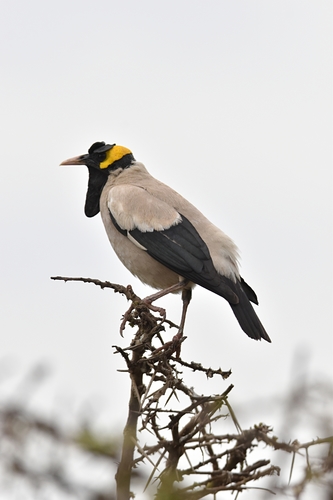
トサカムクドリ (Creatophora cinerea) トサカムクドリ
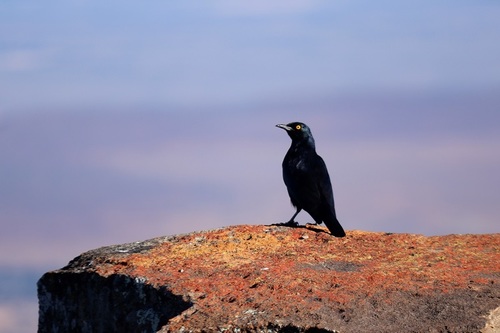
ハジロテリムク (Onychognathus nabouroup) ハジロテリムク

メディア

読み込み中…

要点

トサカムクとハジロテリムクを区別する最も信頼できるフィールドマークは、トサカムクが飛行中に見せる目を引く白い尾羽と黒い飛行羽であり、年齢に関係なくこれらのコントラストが見られるのに対し、ハジロテリムクにはこれらのコントラストが欠けています。トサカムクは繁殖期のオスにおいて変動があるがしばしば特徴的な裸の黄色い顔の皮膚とトサカを示し、ハジロテリムクはこれを決して示しません。構造的な違いは微妙ですが、トサカムクはスリムで尾が短く、ハジロテリムクは体が重いです。未熟なトサカムクと雌は他のムクドリと混同されることがありますが、白い尾羽と暗い翼は飛行中に診断的です。生息地の重複は可能ですが、ハジロテリムクは乾燥した岩の多い地域により結びついており、トサカムクは開けた草原や農地を好みます。

識別のコツ

  1. 白い尾羽の飛行中: あらゆる年齢のトサカムクは、黒い飛行羽と尾羽と対照的な明るい白い尾羽を示します—これは飛行中の診断的な特徴であり、ハジロテリムクには決して見られません。
  2. 裸の黄色い顔の皮膚とトサカ: 繁殖期のオスのトサカムクは、頭部に広範囲の裸の黄色い皮膚を持ち、額と喉に黒いトサカがあります。一部の古い雌は縮小版を示すことがあります。ハジロテリムクは裸の顔の皮膚やトサカを決して示しません。
  3. 非繁殖期と未熟な頭のパターン: 非繁殖期のオス、雌、幼鳥のトサカムクは、目の後ろに小さな黄色の斑点と黒い口髭のストライプを持つ羽毛のある頭を持っています; ハジロテリムクはこれらの特徴を欠いています。
  4. 肩の斑点: 繁殖期のオスのトサカムクは白い肩の斑点を持ち、非繁殖期の鳥では大幅に減少します。ハジロテリムクは白い肩の斑点を示しません。
  5. 飛行羽の色: トサカムクは黒い飛行羽と尾羽を持ち(幼鳥では茶色がかっています)、ハジロテリムクは一般的に均一な暗色で翼に淡いパネルがありますが、白い尾羽はありません。
  6. 全体の構造: トサカムクはスリムで、短い尾と尖った翼を持ち、より流線型の外観を与えます。ハジロテリムクはより重くてがっしりしています。
  7. サイズ: ハジロテリムクは明らかに重いです(103g対73g)、しかしこれは両者が並んでいないと判断が難しいです。
  8. 行動: トサカムクは非常に群れを成す傾向があり、大きな群れを形成し、しばしば家畜に止まったり、開けた場所で餌を探したりします。ハジロテリムクは群れを成すことが少なく、これらの行動で知られていません。
  9. 生息地: トサカムクは草原、開けた森林、農業地域に生息し、しばしば家畜の近くに見られます。ハジロテリムクは乾燥した岩の多い生息地を好み、開けた農地では見られる可能性が低いです。
  10. 鳴き声: もし「ssreeeeo」や類似のきしむような鳴き声が聞こえたら、それはおそらくトサカムクです。ハジロテリムクの鳴き声はここでは説明されていません。
  11. 他の種との混合: トサカムクは他のムクドリや織り鳥と混合した群れを形成することが多く、特に葦の寝床で見られます; ハジロテリムクはそうする可能性が低いです。
  12. 季節の変化: トサカムクの裸の顔の皮膚とトサカは繁殖期のオスや古い鳥で最も明らかですが、非繁殖期や未熟な鳥でも白い尾羽と暗い翼は診断的です。
  13. 羽毛の落とし穴: 未熟なトサカムクは鈍い色に見えることがあり、茶色がかった飛行羽を持っていますが、白い尾羽と対照的な翼のパターンは持続します。全体の暗さや光沢に頼らないでください、両種は遠くから見ると暗く見えることがあります。
  14. 止まっている視点: 特にオスのトサカムクの頭のパターンや裸の皮膚を探してください。ハジロテリムクはこれらの特徴を欠き、より均一に暗く見えます。
  15. 飛行中: 尾羽と翼のパターンを優先してください—白い尾羽と暗い翼(トサカ)対均一な暗色で淡い翼のパネルがありますが白い尾羽はない(ハジロテリムク)。

大きさ

トサカムクは明らかに軽い(73g)ですが、ハジロテリムク(103g)よりも重いです [wikidata]。これにより、後者はよりがっしりとした重い鳥になります。トサカムクはまた、短い尾と尖った翼を持つと説明されており、より流線型の外観を持っていますが、ハジロテリムクは一般的により頑丈です。しかし、サイズだけでは、両種が一緒に見られない限り、フィールドでの信頼性は常に高くありません。

羽色

未熟なトサカムクと非繁殖期のトサカムクは灰色がかっており、茶色の飛行羽と尾羽を持っていますが、常に白い尾羽と対照的な暗い翼を飛行中に示します。この組み合わせはハジロテリムクには見られません。繁殖期のオスのトサカムクは、頭部に広範囲の裸の黄色い皮膚、黒いトサカ、白い肩の斑点を発達させますが、非繁殖期のオス、雌、幼鳥は、目の後ろに小さな黄色の斑点と黒い口髭のストライプを持つ羽毛のある頭を持っています。ハジロテリムクの羽毛はここでは詳細に説明されていませんが、白い尾羽、裸の顔の皮膚、またはトサカに関する言及はなく、一般的に飛行中に淡いパネルのある均一な暗いムクドリです(白い尾羽ではありません)。白い尾羽を持つ黒い飛行羽と尾羽は、すべての年齢のトサカムクに特有であり、飛行中の最良のマークです。

行動

トサカムクは非常に群れを成す傾向があり、大きな群れを形成し、他のムクドリと混合することが多く、しばしば家畜に止まったり、開けた農業地域で餌を探したりします。また、植民地繁殖者でもあり、時には織り鳥とコロニーを共有します。ハジロテリムクの行動はここでは詳細に説明されていませんが、そのような大きな混合群れや植民地繁殖で知られていません。家畜に止まったり、ゴミの山で餌を探したりするトサカムクの傾向も特徴的です。

生息環境

トサカムクは草原、開けた森林、耕作された地域を好み、しばしば家畜や農業活動と関連して見られます。ハジロテリムクは同じ国のいくつかに存在しますが、乾燥した岩の多い生息地により結びついており、開けた草地や農業環境では見られる可能性が低いです。この好まれる生息地の違いは、文脈が明確な場合に二者を区別するのに役立ちます。

声

トサカムクは、最も馴染みのある「ssreeeeo」のようなきしむまたはグレーティングの呼び声を持ち、一般的なムクドリに似ています。これらのメモではハジロテリムクの特徴的な鳴き声は説明されていないため、声はこの呼び声が聞こえたときにトサカムクを正確に特定するのにのみ役立ちます。

より良い説明を送る

比較と同じ項目を使ってください。文章はすぐに公開されます。

The most reliable field mark to separate Wattled Starling from Pale-winged Starling is the striking white rump and black flight feathers visible on Wattled Starling in flight, regardless of age, while Pale-winged Starling lacks these contrasts. Wattled Starling also shows a variable but often distinctive bare yellow facial skin and wattles in breeding males, which Pale-winged Starling never shows. Structural differences are subtle, but Wattled Starling is slimmer and shorter-tailed, while Pale-winged is heavier-bodied. Immature and female Wattled Starlings can be confused with other starlings, but the white rump and dark wings remain diagnostic in flight. Habitat overlap is possible, but Pale-winged Starling is more tied to arid rocky areas, while Wattled Starling prefers open grasslands and agricultural land.

  1. White rump in flight: Wattled Starling of all ages shows a bright white rump contrasting with black flight feathers and tail—this is diagnostic in flight and never shown by Pale-winged Starling.
  2. Bare yellow facial skin and wattles: Breeding male Wattled Starlings have extensive bare yellow skin on the head, with black wattles on the forehead and throat. Some older females may show reduced versions. Pale-winged Starling never shows bare facial skin or wattles.
  3. Non-breeding and immature head pattern: Non-breeding male, female, and juvenile Wattled Starlings have a feathered head with a small yellow patch behind the eye and a black moustachial stripe; Pale-winged Starling lacks these features.
  4. Shoulder patch: Breeding male Wattled Starlings have a white shoulder patch, which is much reduced in non-breeding birds. Pale-winged Starling does not show a white shoulder patch.
  5. Flight feather color: Wattled Starling has black flight feathers and tail (brownish in juveniles), while Pale-winged Starling is generally uniform dark with pale panels on the wings, but not a white rump.
  6. Overall structure: Wattled Starling is slimmer, with a short tail and pointed wings, giving a more streamlined look. Pale-winged Starling is heavier and bulkier.
  7. Size: Pale-winged Starling is significantly heavier (103g vs. 73g), but this is hard to judge unless both are side by side.
  8. Behavior: Wattled Starling is highly gregarious, often in large flocks, and frequently perches on livestock or scavenges in open areas. Pale-winged Starling is less gregarious and not known for these behaviors.
  9. Habitat: Wattled Starling is found in grasslands, open woodlands, and agricultural areas, often near livestock. Pale-winged Starling prefers arid, rocky habitats and is less likely in open farmland.
  10. Vocalization: If you hear a wheezing 'ssreeeeo' or similar grating call, it's likely Wattled Starling. Pale-winged Starling's call is not described here.
  11. Mixing with other species: Wattled Starling often forms mixed flocks with other starlings and weavers, especially at reedbed roosts; Pale-winged Starling is less likely to do so.
  12. Seasonal changes: Wattled Starling's bare facial skin and wattles are most obvious in breeding males and older birds, but even in non-breeding or immature birds, the white rump and dark wings remain diagnostic.
  13. Plumage pitfalls: Immature Wattled Starlings may appear duller, with brownish flight feathers, but the white rump and contrasting wing pattern persist. Do not rely on overall darkness or sheen, as both species can appear dark at a distance.
  14. Perched views: Look for the head pattern and any bare skin on Wattled Starling, especially in males. Pale-winged Starling will lack these features and appear more uniformly dark.
  15. In flight: Prioritize rump and wing pattern—white rump with dark wings (Wattled) vs. uniform dark with pale wing panels but no white rump (Pale-winged).

Wattled Starling is noticeably lighter (73g) than Pale-winged Starling (103g) [wikidata], making the latter a bulkier, heavier bird. Wattled Starling is also described as having a short tail and pointed wings, contributing to a more streamlined appearance, while Pale-winged Starling is generally more robust. However, size alone is not always reliable in the field unless both species are seen together.

Juvenile and non-breeding Wattled Starlings are greyish with brown flight feathers and tail, but always show a white rump and contrasting dark wings in flight, a combination not found in Pale-winged Starling. Breeding male Wattled Starlings develop extensive bare yellow skin on the head, black wattles, and a white shoulder patch, while non-breeding males, females, and juveniles have a feathered head with a small yellow patch and black moustachial stripe. Pale-winged Starling's plumage is not described in detail here, but it lacks any mention of white rump, bare facial skin, or wattles, and is generally a uniform dark starling with pale panels on the wings (not white rump) in flight. The black flight and tail feathers with a white rump are unique to Wattled Starling at all ages and are the best in-flight mark.

Wattled Starling is highly gregarious, often forming large flocks and mixing with other starlings, and is frequently seen perching on livestock or feeding in open agricultural areas. It is also a colonial breeder, sometimes sharing colonies with weavers. Pale-winged Starling's behavior is less detailed here, but it is not noted for such large, mixed flocks or colonial nesting. Wattled Starling's tendency to perch on livestock and scavenge at rubbish heaps is also distinctive.

Wattled Starling prefers grasslands, open woodlands, and cultivated areas, and is often found in association with livestock or agricultural activity. Pale-winged Starling, while present in some of the same countries, is more associated with arid, rocky habitats and is less likely to be seen in open, grassy, or agricultural settings. This difference in preferred habitat can help separate the two when context is clear.

Wattled Starling has a range of wheezing or grating calls, with the most familiar being a drawn-out 'ssreeeeo', similar to the common starling. No distinctive vocalizations are described for Pale-winged Starling in these notes, so voice is only useful for positively identifying Wattled Starling when this call is heard.

変更を破棄しますか?

保存していない編集があります。今離れると失われます。

トサカムクドリ · ハジロテリムク · 苦手な鳥