

Motmot

キイロメンガタハタオリ 対 オオキンランチョウ

Ploceus vitellinus 対 Euplectes orix

キイロメンガタハタオリとオオキンランチョウのクイズ
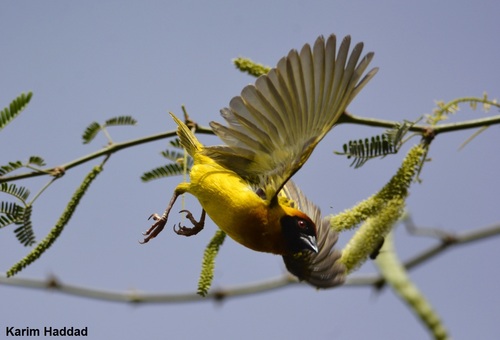
キイロメンガタハタオリ (Ploceus vitellinus) キイロメンガタハタオリ
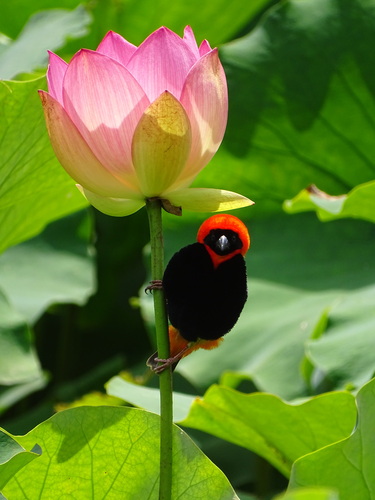
オオキンランチョウ (Euplectes orix) オオキンランチョウ

メディア

読み込み中…

要点

キイロメンガタハタオリとオオキンランチョウの最も信頼できるフィールドマークは、繁殖期のオスの羽毛です:オオキンランチョウのオスは鮮やかな赤と黒で、キイロメンガタハタオリのオスは黒い顔のマスクを持つ黄色です。両種の非繁殖期のオスとメスは、茶色の縞模様で視覚的に混乱を招くことがありますが、オオキンランチョウは一般的に小さくてコンパクトです。オオキンランチョウは湿地や草地と強く関連しており、キイロメンガタハタオリは西部、中央、東部アフリカに広く分布しています。飛行中または遠くからは、全体的な色の印象と生息地の文脈に焦点を当ててください。

識別のコツ

  1. 繁殖期のオスの羽毛が重要な区別点です: オオキンランチョウのオスは、明るい赤(時にはオレンジ)と黒のパターンで、黒い顔、喉、腹部を含み、赤が頭と上部にあります。キイロメンガタハタオリのオスは、黒い顔のマスクを持つ黄色で、赤やオレンジはありません。このマークは繁殖期と成鳥のオスにのみ有効です。
  2. 非繁殖期とメスの混乱: 両種の非繁殖期のオスとメスは、上面が茶色の縞模様で、下面がより淡い色をしているため、視覚的に非常に分けるのが難しいです。これらの羽毛では、色だけに頼らないでください。
  3. サイズと構造: オオキンランチョウは小さくてコンパクトな織り鳥で、メスはオスよりも小さいです。キイロメンガタハタオリはサイズが似ていますが、オオキンランチョウは若干コンパクトに見えることがあります。サイズは、両方を一緒に見ない限り、強いフィールドマークではありません。
  4. くちばしの形: 両方とも、織り鳥に典型的な太く円錐形のくちばしを持っています。くちばしの形はフィールドでの信頼できる区別点ではありません。
  5. 尾と翼のパターン: これらのノートでは、どちらの種にも特徴的な幼鳥や未熟な上翼または尾のパターンは記載されていません。分離のために翼や尾のパターンに頼らないでください。
  6. 生息地の文脈: オオキンランチョウは、ほぼ常に湿地、葦原、草地に見られ、特に南アフリカで見られます。湿地や草の湿地で織り鳥を見た場合、オオキンランチョウの可能性が高いです。キイロメンガタハタオリは生息地においてより柔軟で、西部、中央、東部アフリカに広く分布しています。
  7. 地理的範囲: オオキンランチョウは赤道の南のアフリカに見られます。赤道の北にいる場合、キイロメンガタハタオリの可能性が高いですが、常に地元のオオキンランチョウの種を確認してください。
  8. 行動: オオキンランチョウのオスは、葦や高い草の中で目立つように止まり、羽ばたく飛行を行います。キイロメンガタハタオリは湿地でのそのようなディスプレイ行動にあまり結びついていない可能性があります。
  9. 声: オオキンランチョウは、ツイッター音や鼻音を出し、オスはブンブンという歌を歌います。キイロメンガタハタオリの声の詳細はこれらのノートには記載されていないため、オオキンランチョウの呼び声をよく知っていない限り、声を区別点として使用しないでください。
  10. 季節的文脈: 繁殖期のオスだけが羽毛で簡単に分けられます。非繁殖期やメス、幼鳥の中では、羽毛よりも生息地や範囲に頼るべきです。
  11. コミュニティのヒント: 湿地で茶色の縞模様の織り鳥に疑問がある場合、南アフリカではオオキンランチョウが良い推測です。他の場所では、他の織り鳥の種を確認し、場所が合えばキイロメンガタハタオリを考慮してください。
  12. 一般的な落とし穴: すべての黄色と黒の織り鳥がオオキンランチョウであると仮定しないでください。繁殖期のオスの赤/黒の組み合わせを持つのはオオキンランチョウだけです。非繁殖期のオオキンランチョウは赤ではなく、マスク付き織り鳥と間違えられることがあります。
  13. 混合群れ: 両種は、特に繁殖期以外に混合織り鳥の群れに出現することがあります。残っている明るい羽毛や生息地の手がかりを探してください。
  14. 未熟な鳥: どちらの種にも特徴的な未熟な翼や尾のパターンは記載されていないため、未熟な鳥は文脈によって、可能であれば成鳥との関連によって最もよく識別されます。
  15. 難しい鳥の要約: 明確な赤または黄色/黒の成鳥のオスが見えない場合は、生息地、場所、群れの構成を使用してIDを導いてください。疑問がある場合は、すべての特徴を記録し、地元のチェックリストを参照してください。

大きさ

オオキンランチョウは小さくてコンパクトな織り鳥で、平均体重は23.1gです [wikidata]。キイロメンガタハタオリの体重はここでは指定されていませんが、両者はサイズと構造が似ており、オオキンランチョウは若干コンパクトで尾が短く見えることがあります。メスのオオキンランチョウはオスよりも小さいとされています。サイズだけでは、これら二つのフィールドでの強い区別点ではありません。

羽色

繁殖期のオスは最も簡単です:オオキンランチョウのオスは鮮やかな赤(時にはオレンジ)と黒のパターンを示し、黒い顔、喉、腹部を持ち、頭、上部、上胸部、尾の下覆いに赤があります。彼らの翼と尾は茶色です。キイロメンガタハタオリの繁殖期のオスは黒いマスクを持つ黄色で、赤やオレンジはありません。両種の非繁殖期のオスとメスは、上面が茶色の縞模様で、下面がより淡い色をしているため、視覚的に分けるのが非常に難しいです。情報源には、どちらの種にも特徴的な幼鳥や初冬の上翼パターンは記載されていません。メスのオオキンランチョウは小さく、茶色の縞模様の外観を共有しています。すべての非繁殖期およびメスの羽毛において、羽毛だけでは信頼できる区別点ではありません。

行動

両種は活発で社交的な織り鳥ですが、オオキンランチョウのオスは特に繁殖期に目立ち、葦や高い草の中で目立つように止まり、羽ばたく飛行を行います。キイロメンガタハタオリの行動はここでは詳しく記載されていませんが、典型的な織り鳥として、さまざまな生息地で見られる可能性が高く、しばしば水の近くにいますが、オオキンランチョウほど湿地に厳密に結びついているわけではありません。

生息環境

オオキンランチョウは赤道の南のアフリカの湿地や草地に強く結びついており、葦原や湿地帯でよく見られます。キイロメンガタハタオリは西部、中央、東部アフリカに広く分布しており、湿地にそれほど密接に結びついていません。南アフリカの湿地や草の湿地でバードウォッチングをしている場合、オオキンランチョウの可能性が高いです。乾燥したり多様な生息地、特に南アフリカの外では、キイロメンガタハタオリの方が良い選択です。

声

オオキンランチョウはさまざまなツイッター音や鼻音を出し、オスはブンブンという歌を歌います。これらのノートにはキイロメンガタハタオリの声の詳細は提供されていないため、この情報に基づいて声を区別点として使用することはできません。

より良い説明を送る

比較と同じ項目を使ってください。文章はすぐに公開されます。

The most reliable field mark between Vitelline Masked-Weaver and Southern Red Bishop is the breeding male's plumage: Southern Red Bishop males are strikingly red and black, while Vitelline Masked-Weaver males are yellow with a black face mask. Non-breeding males and females of both species are streaky brown and can be confusing, but bishops are generally smaller and more compact. Southern Red Bishops are strongly associated with wetlands and grasslands, while Vitelline Masked-Weavers are more widespread in western, central, and eastern Africa. In flight or at a distance, focus on overall color impression and habitat context.

  1. Breeding male plumage is the key separator: Southern Red Bishop males are unmistakable with their bright red (sometimes orange) and black pattern, including a black face, throat, and belly, and red on the rest of the head and upperparts. Vitelline Masked-Weaver males are yellow with a black face mask and lack any red or orange. This mark is only useful during the breeding season and for adult males.
  2. Non-breeding and female confusion: Both species' non-breeding males and females are streaky brown above and paler below, making them very difficult to separate visually. In these plumages, do not rely on color alone.
  3. Size and structure: Southern Red Bishop is a small, compact weaver, with females smaller than males. Vitelline Masked-Weaver is similar in size, but bishops may appear slightly more compact. Size is not a strong field mark unless you see both together.
  4. Bill shape: Both have thick, conical bills typical of weavers. Bill shape is not a reliable separator in the field.
  5. Tail and wing pattern: No distinctive juvenile or immature upperwing or tail patterns are described for either species in these notes. Do not rely on wing or tail pattern for separation.
  6. Habitat context: Southern Red Bishop is almost always found in wetlands, reedbeds, and grasslands, especially in southern Africa. If you see a weaver in a marsh or grassy wetland, bishop is much more likely. Vitelline Masked-Weaver is more flexible in habitat and occurs in a wider range across western, central, and eastern Africa.
  7. Geographic range: Southern Red Bishop is found in Africa south of the Equator. If you are north of the Equator, Vitelline Masked-Weaver is more likely, though always check for local bishop species.
  8. Behavior: Displaying Southern Red Bishop males perch prominently and perform fluttering flights in reeds or tall grasses. Vitelline Masked-Weaver is less tied to such display behavior in wetlands.
  9. Voice: Southern Red Bishop gives twittering and nasal calls, with a buzzing male song. No vocal details are given for Vitelline Masked-Weaver, so do not use voice as a separator unless you know the bishop's calls well.
  10. Seasonal context: Only breeding males are easily separated by plumage. In non-breeding season or among females and juveniles, rely more on habitat and range than on plumage.
  11. Community tip: When in doubt with a streaky brown weaver in a wetland, Southern Red Bishop is a good guess in southern Africa; elsewhere, check for other weaver species and consider Vitelline Masked-Weaver if the location fits.
  12. Common pitfalls: Do not assume all yellow and black weavers are bishops; only the bishop has the red/black combination in breeding males. Non-breeding bishops are not red and can be mistaken for masked-weavers.
  13. Mixed flocks: Both species may occur in mixed weaver flocks, especially outside the breeding season. Look for any remaining bright plumage or habitat clues.
  14. Immature birds: No distinctive immature wing or tail patterns are described for either species, so immature birds are best identified by context and, if possible, by association with adults.
  15. Summary for tricky birds: If you cannot see a clear red or yellow/black adult male, use habitat, location, and flock composition to guide your ID. When in doubt, note all features and consult local checklists.

Southern Red Bishop is a small, compact weaver with an average body mass of 23.1g [wikidata]. Vitelline Masked-Weaver's mass is not specified here, but both are similar in size and structure, with the bishop possibly appearing slightly more compact and shorter-tailed. Female bishops are noted as smaller than males. Size alone is not a strong separator in the field between these two.

Breeding males are easiest: Southern Red Bishop males show a vivid red (sometimes orange) and black pattern, with a black face, throat, and belly, and red on the rest of the head, upperparts, upper breast, and undertail-coverts. Their wings and tail are brown. Vitelline Masked-Weaver breeding males are yellow with a black mask, lacking any red or orange. Non-breeding males and females of both species are streaky brown above and paler below, making them much harder to separate visually. No distinctive juvenile or first-winter upperwing patterns are described for either species in the sources. Female bishops are smaller and share the streaky brown appearance. In all non-breeding and female plumages, plumage alone is not a reliable separator.

Both species are active, social weavers, but Southern Red Bishop males are especially conspicuous during the breeding season, displaying in reeds or tall grasses with fluttering flights and prominent perching. Vitelline Masked-Weaver behavior is not detailed here, but as a typical weaver, it is likely to be seen in a variety of habitats, often near water but not as strictly tied to wetlands as the bishop.

Southern Red Bishop is strongly tied to wetlands and grasslands in Africa south of the Equator, often seen in reedbeds and marshy areas. Vitelline Masked-Weaver is found in a wider range across western, central, and eastern Africa and is not as closely linked to wetlands. If you are birding in a wetland or grassy marsh in southern Africa, Southern Red Bishop is much more likely; in drier or more varied habitats, especially outside southern Africa, Vitelline Masked-Weaver is the better bet.

Southern Red Bishop gives various twittering calls and a nasal contact call, with males producing a buzzing song. No vocalization details are provided for Vitelline Masked-Weaver in these notes, so voice is not a reliable separator based on this information.

変更を破棄しますか?

保存していない編集があります。今離れると失われます。

キイロメンガタハタオリ · オオキンランチョウ · 苦手な鳥